A focused relationship curriculum drawn from an extensive 251-lesson marriage and career series, emphasizing the Spouse Palace, compatibility and relationship timing.
Course Overview
This English study page organizes a substantial Chinese-language Zi Wei Dou Shu curriculum for international learners. It preserves the supplied course scope while adding clear learning context, terminology and navigation. Zi Wei Dou Shu is presented as a traditional Chinese metaphysical system for cultural and educational study, not as a guaranteed prediction of events.
What You Will Learn
- The Spouse Palace and relationship indicators
- Major-star combinations and partner dynamics
- Relationship patterns, challenges and communication themes
- Marriage timing and applied chart examples
Curriculum Structure
The material progresses from definitions and chart structure to applied interpretation. Use the modules in sequence, keep a glossary of Chinese terms, and test each principle against the worked examples supplied in the course.
- Module 1: The Spouse Palace and relationship indicators. Review the relevant chart components, record the interpretive rules and compare their application across examples.
- Module 2: Major-star combinations and partner dynamics. Review the relevant chart components, record the interpretive rules and compare their application across examples.
- Module 3: Relationship patterns, challenges and communication themes. Review the relevant chart components, record the interpretive rules and compare their application across examples.
- Module 4: Marriage timing and applied chart examples. Review the relevant chart components, record the interpretive rules and compare their application across examples.
Original Course Preview Images
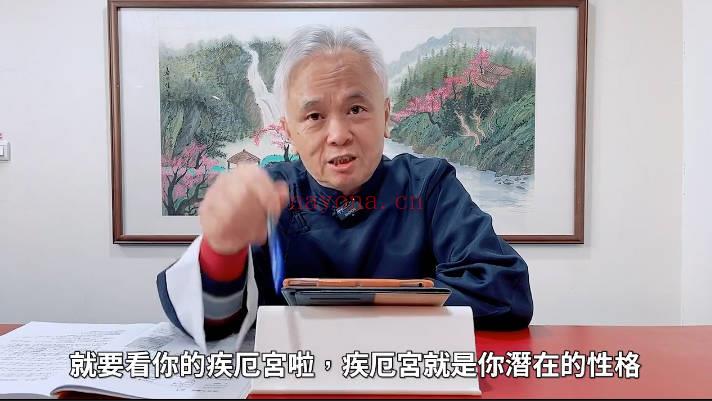
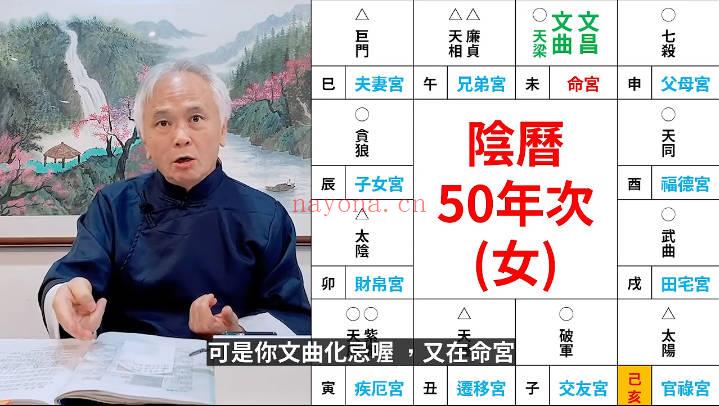
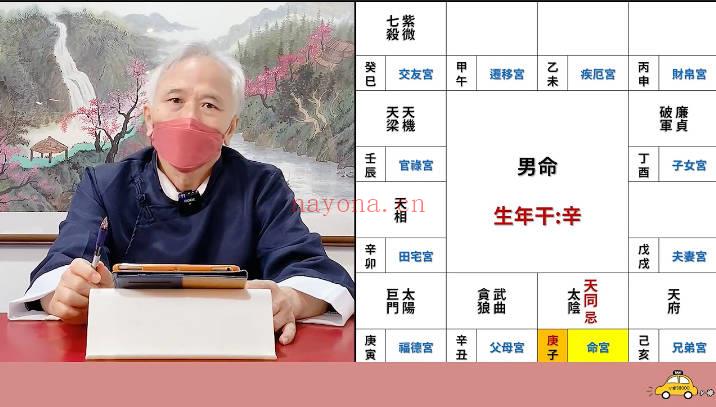
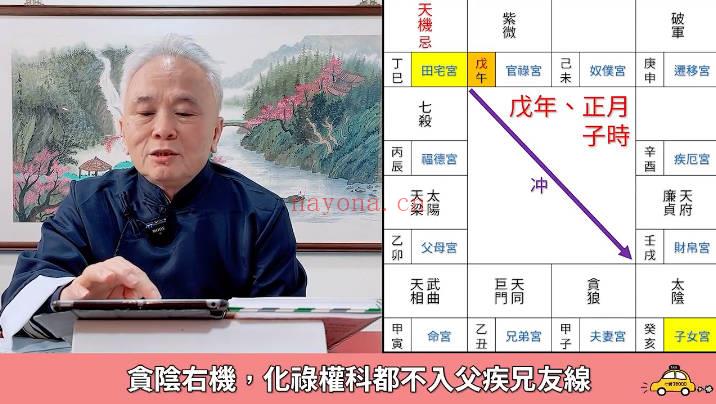
These supplied previews show the organization and visual materials included with the course listing.


Who This Course Is For
- Adult learners building a structured foundation in Zi Wei Dou Shu
- Students comparing traditional Chinese chart-reading methods
- Practitioners who want an organized reference for revision and case study
- Researchers studying Chinese metaphysics, terminology and teaching systems
Language, Format and Digital Delivery
This product page and study guide are written in English. The underlying lessons or documents may be in Chinese, so learners should review the curriculum before purchase. This is a virtual, downloadable educational product; no physical item is shipped. Access details are handled through the product delivery area.
How to Study the Material
Begin by learning the palace and star vocabulary, then map each rule to a sample chart. Separate natal structure from decade and annual timing, and document the evidence for every interpretation. Advanced students should compare multiple schools rather than treating one formula as universal.
Frequently Asked Questions
Is this a physical product?
No. It is a virtual and downloadable study product.
Is the underlying course in English?
The sales guide is in English; source lessons and files may use Chinese-language instruction.
Does the course guarantee future outcomes?
No. Zi Wei Dou Shu is presented for traditional, cultural and educational study. Interpretations are not guarantees and should not replace medical, legal, financial or psychological advice.
Can beginners use it?
Refer to the course title and curriculum level. Beginners should start with foundations and chart setup before advanced transformations, timing or professional case work.
Related Zi Wei Dou Shu Courses
- Zi Wei Dou Shu Beginner Practical Course: 30 Video Lessons
- Zi Wei Dou Shu Chart Calculation and Setup Course
- Zi Wei Dou Shu Practical Chart Reading Masterclass
- Zi Wei Dou Shu Twelve Palaces Study Course
- Life Palace, Body Palace and Twelve Palaces Course
Browse the complete Zi Wei Relationship Courses collection or contact Karma Kismet with a course question.
Editorial Note
Karma Kismet translated, organized and expanded the supplied curriculum information for English-speaking learners. Traditional terms are retained where a single standardized translation would lose meaning. The page describes the educational package without promising a particular personal result.
Reading context and study practice
This relationship-focused page draws on a much broader marriage and career video listing. Its educational focus is the Spouse Palace, star combinations, relationship themes, and timing. A careful reader should preserve that focus without assuming that a large lesson count establishes the reliability of claims about a particular couple.
The Spouse Palace as a term
Learn the technical meaning assigned to the Spouse Palace before drawing conclusions from its everyday English name. Its symbolic description is not an observation of an actual partner. Keep the palace’s location, the stars discussed, and the interpretive convention together. Without those details, a generic relationship keyword can become misleadingly personal.
Combinations and assumptions
When several stars are discussed together, identify the configuration assumed by the example. One familiar star is not enough to reproduce a combination reading. Record any qualifications made by the teacher. A traditional association with attraction, disagreement, or stability remains an interpretive theme rather than evidence that someone has a particular intention or will behave in a certain way.
Timing and agency
Relationship timing language can be organized by chart layer and calendar label. That does not establish when a person will meet, marry, separate, or reconcile. In your notes, preserve the source’s symbolic timing explanation while stating what is actually unknown. People’s choices and direct communication remain relevant regardless of how a time layer is named.
Compatibility without a verdict
If a lesson compares two charts, keep each chart’s working separate before writing a shared summary. Avoid ranking the people as better or worse partners. A reflective question about differences in expectations can be useful, but the answer must come from the people concerned. A chart comparison cannot establish consent, loyalty, safety, or emotional availability.
Case privacy
Use fictional or anonymized examples for your own practice. Relationship cases can reveal private information about more than one person. Do not repeat recognizable details just because they appeared in a teaching example. Separate the instructional chart feature from the personal story, keeping only the information needed to understand the interpretive procedure.
Discussion boundaries
The broader source contains many life topics and promotional references. Those references do not add services to this product. For study, concentrate on the relationship subjects actually described here. Do not transform cultural examples into counseling, diagnosis, or instructions to remain in a harmful situation. Respectful symbolic discussion must leave room for practical support and personal choice.
Reading a broad source through a narrow topic
The underlying video listing covers many subjects beyond relationships. This page selects a relationship-oriented study focus. Keep that distinction visible when taking notes: a large overall directory does not confirm that every recording addresses the Spouse Palace or compatibility. Use the actual titles and passages to locate relevant material. A discussion about wealth, family, or career may provide context, but it should not be relabeled as a marriage lesson without support. This gives the learner a more accurate map of the source and avoids making the product’s focused English title imply an invented specialized curriculum.
What a partner cannot be inferred to feel
A symbolic reading may use language about attraction, distance, conflict, or support. None of those terms establishes another person’s feelings. If a case asks whether someone is interested in a relationship, direct communication and observed behavior remain the relevant sources of information. In a study note, describe the traditional association and its limits instead of presenting it as access to a private mind. This distinction is especially important in examples that involve absent third parties. They have not participated in the exercise and should not receive fixed labels based on someone else’s symbolic interpretation.
Compatibility as a comparison procedure
When two charts are compared, start with two independent working records. Then identify the exact relationship the source examines between them. A vague statement that their charts clash is inadequate unless the procedure and technical meaning are supplied. Preserve what the author actually compares and do not manufacture a numerical compatibility score. If the material gives a favorable description, keep it provisional. People may share values despite different symbolic themes or encounter practical difficulties despite an apparently harmonious comparison. The procedure can be studied for cultural interest without claiming that it determines a couple’s prospects.
Timing statements in relationship cases
A relationship case may discuss an annual theme or major-period context. Keep the calendar label, the chart layer, and the life question together. Avoid turning a retrospective case explanation into a promise about when an unfamiliar person will marry. If the course illustrates a symbolic theme with a known event, write that event separately from the interpretation. This shows the reader which information was already available. It also preserves personal agency: a calendar label cannot create consent, resolve disagreement, or guarantee that someone will choose to start or continue a relationship.
Writing with respect for real circumstances
A relationship-focused summary should leave room for the people’s own accounts. Avoid language that blames a difficult chart for mistreatment or implies that a person must tolerate harm because a relationship is symbolically significant. The educational material can be discussed as a traditional system while practical safety and support remain grounded in real circumstances. End your own case exercise with unanswered questions and clear limits. Do not imply that the listing includes personal counseling, a consultation service, membership access, or individualized follow-up merely because the broader source contains references to such activities.