Study complete BaZi course bundle through an English digital resource organized from the original curriculum, course record and reference images.
Course Overview
This English resource organizes the original Chinese curriculum for structured study of BaZi and Four Pillars of Destiny traditions. It presents the source material as a cultural and educational system rather than a scientific prediction or guaranteed outcome.
What You Will Learn
- Core BaZi terminology and chart-reading approaches used in the source material
- How the course connects stems, branches and Five Elements with chart interpretation
- The lesson sequence, examples and study exercises supplied in the original record
- How to distinguish symbolic interpretation from factual or scientific claims
Course Contents
Vertical Professional Course
Resource Information
Original Course Material Images
The following images are retained from the original nayona.cn course record for material identification and reference.
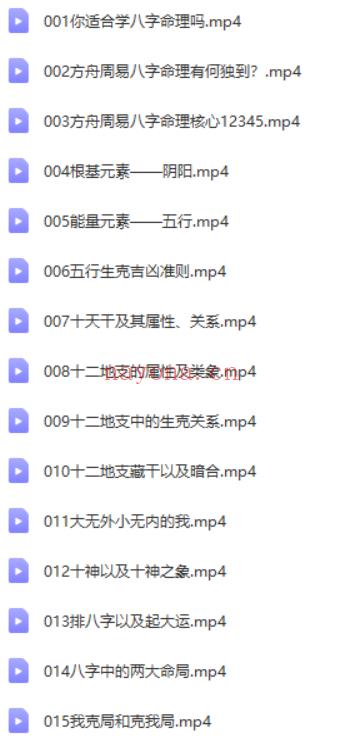
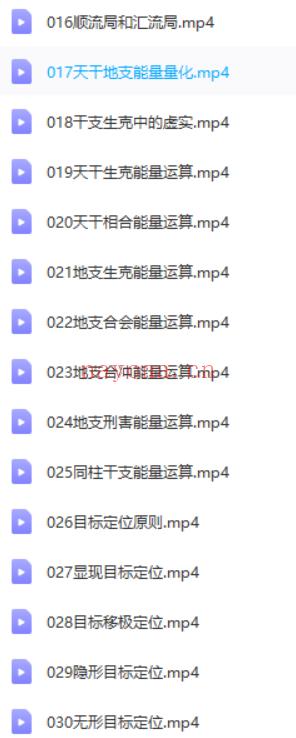
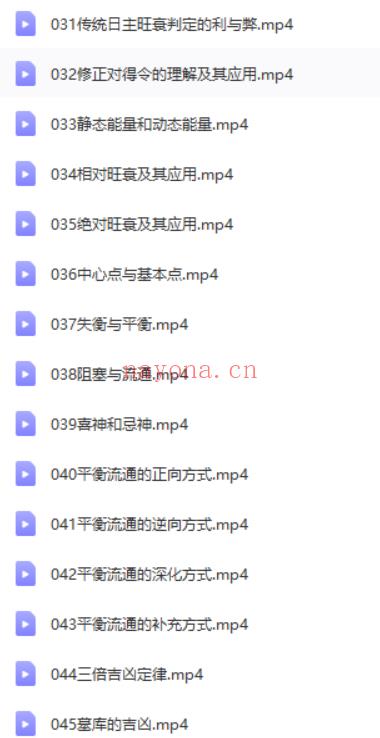
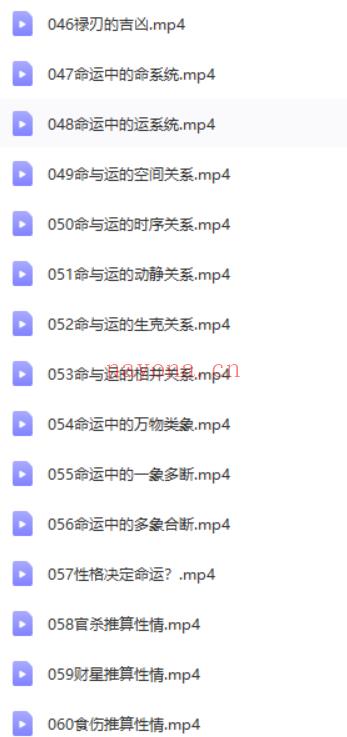
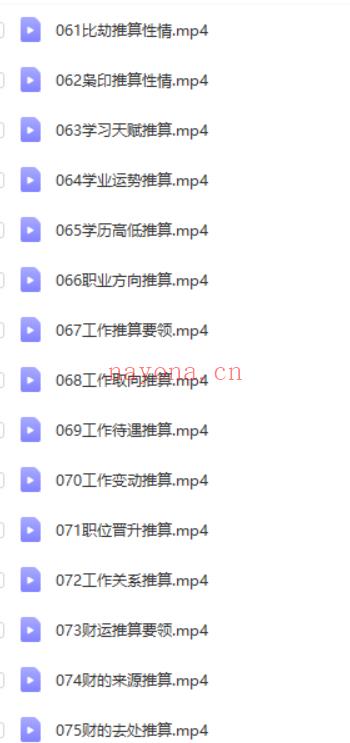
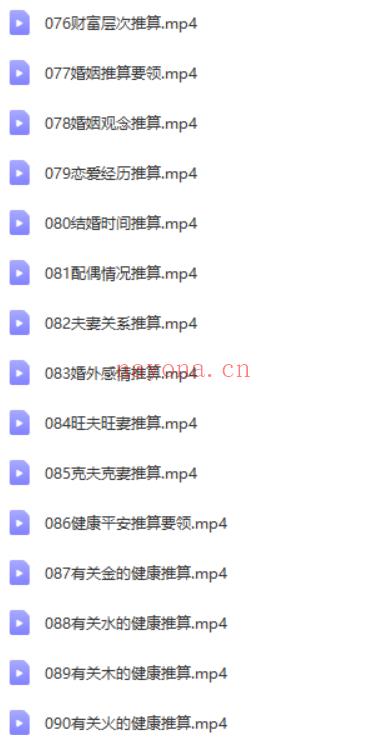
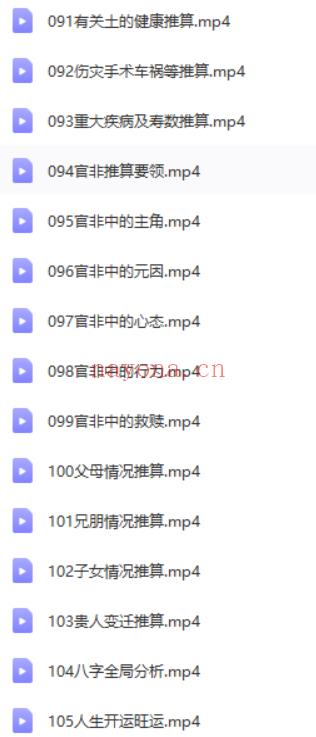
Who This Resource Is For
This material is suitable for adult learners exploring BaZi, Four Pillars chart reading, Chinese astrology or traditional destiny-analysis methods. Beginners should start with definitions and calculation rules before attempting interpretive exercises.
Learning Format and Digital Delivery
- Virtual digital resource; no physical shipment
- Course files and access instructions are supplied after purchase
- Lesson counts and file types follow the available source record
- Use the materials for personal study and reference
Source and Editorial Method
The curriculum facts and original material images are adapted from the source record at nayona.cn. Karma Kismet translated and reorganized the available information without inventing credentials, lesson counts or promised outcomes.
Frequently Asked Questions
Is this a physical product?
No. It is a virtual, downloadable educational resource.
Is BaZi scientifically validated?
No. BaZi is presented here as a symbolic and cultural interpretive tradition, not as scientific diagnosis or prediction.
Does this product include a personal consultation?
No, unless the product description explicitly states that a consultation is included.
Related BaZi Courses and Guides
- Xia Guangming Four Pillars BaZi Fast-Track Course
- Song Guoyuan Gan-Zhi Logic BaZi Chart Reading Course
- Wei Qianli BaZi Essentials and Day Master Study Guide
- Gao Dechen Ten Gods Intensive BaZi Course
- Zhuo Hong Five Elements BaZi Study Guide
- Pan Dongguang Annual Luck BaZi Practice Guide
- Blind School BaZi Marriage Compatibility Guide
- Jiulong Career and Wealth BaZi Training Course
- Wenzeng Advanced BaZi Practitioner Training
Planning a long BaZi course collection
The English product title identifies this item as Fangzhou 105-Lesson Complete BaZi Course Bundle. The supplied source text, however, contains a general resource information heading rather than a readable list of those lessons. It does not confirm their individual titles, lengths, formats, or internal grouping. This distinction matters when planning study: the catalog title gives an identifying label, while the actual package must establish its detailed contents. The following guidance helps organize a long collection without inventing a numbered curriculum or attributing unverified topics to Fangzhou.
A long bundle can be useful when you want continuity, but the number in a title is not a measure of comprehension. A learner may understand a small group of lessons carefully or watch many files without retaining the reasoning. Begin by deciding what you want your notes to show: accurate terminology, documented chart notation, and explanations you can reconstruct. These are practical learning goals. They make it possible to use an extensive collection at a sustainable pace without treating completion of every file as the only sign of progress.
Create an inventory from the actual package
When you have the materials, make a simple inventory using the filenames and headings you can inspect. Keep the original order in one column and your own descriptive topic labels in another. If numbering is irregular, preserve the irregularity and mark it for checking. Do not rename or reorder items so thoroughly that you lose the connection to the package. A reliable index lets you return to a specific explanation and helps distinguish a file that is missing from one whose title merely looks different from your expectation.
The index can include a short note about format and whether a file contains an example, a definition, or a summary. These notes should come from actual inspection rather than the product category. The sparse source excerpt does not establish whether every item is a video or whether supporting documents accompany particular lessons. If you encounter a document, keep its relationship to the lesson tentative until the material makes it clear. This prevents your personal organization from turning into a false claim about the bundle's official structure.
Choose a first pass with a clear purpose
Use an initial pass to learn the organization and vocabulary rather than trying to resolve every unfamiliar interpretation immediately. For each item you study, write one sentence describing the subject and one question you want to revisit. Keep a separate list of terms that recur. After a small group of items, review that list and identify which terms now have clear definitions and which remain ambiguous. This gives the first pass a useful outcome even if the collection covers topics you are not yet ready to analyze in depth.
Avoid skipping directly to dramatic life themes before you can follow the notation and relationships used in their explanations. If a later passage depends on a concept you have not understood, use your index to find where it was introduced. This creates a purposeful review path. It is more effective than restarting the entire collection whenever a difficulty appears. The plan is an editorial study strategy, not a verified teaching sequence in the Fangzhou package, and it can be adjusted to the actual order of the files.
Turn watching or reading into retrieval practice
After a short section, close the material and explain its central idea in plain English. Then reopen it and compare your explanation with the original. Did you retain the conditions, or only the conclusion? Did you use a technical term consistently? Did you accidentally add a rule learned elsewhere? Correct your notes and mark any unresolved point. This practice makes comprehension visible. It is useful for both written and recorded material because it tests the reasoning you retained rather than the time you spent with the resource open.
For a chart example, reproduce only the information supplied and show your classification steps separately from interpretation. If the example is incomplete, write an incomplete record. There is no advantage in inventing a birth hour or a life event merely to make the page look finished. The notebook should support later review. A clear uncertainty helps you ask a precise question; an invented detail can lead you to study an argument the original resource never made. This is especially important when returning to notes after several weeks.
Build topic links without merging explanations
As the collection develops, you may find the same term used in different contexts. Link those entries in your index, but keep their explanations distinct until you understand their relationship. A term used in a foundational definition may acquire conditions in a case discussion. A broad overview may be refined later. Your synthesis should preserve that progression instead of selecting one sentence as the final definition. This allows a long collection to become a connected reference while retaining the nuance of its individual passages.
If you also use other BaZi resources, maintain a separate source label for them. A study notebook can contain comparisons, but it should not blend their rules into Fangzhou's material without evidence. The source listing's recommendations are not a confirmed list of included courses. Treat them as separate discovery suggestions. This boundary is useful when multiple teachers use similar English translations because it ensures that a familiar term does not conceal a change in method, emphasis, or interpretation that matters to the argument.
Review progress at manageable intervals
Instead of setting a deadline solely around a lesson count, choose a small review milestone. You might aim to explain the terms in one section, reconstruct an example, or summarize a recurring relationship with references. At the milestone, inspect your notes for missing definitions and unsupported statements. Then decide whether to continue or revisit a particular item. This is a flexible approach to a long bundle because it makes the pace depend on comprehension. It does not assume that every numbered lesson takes equal time or requires the same preparation.
Keep a list of questions that can be answered from the material and a separate list requiring outside verification. A question about a term may be resolved by another passage. A question about accreditation, file compatibility, or the exact package inventory needs explicit documentation. The word complete in a title does not answer all of those questions. By separating them, you can continue useful study while remaining honest about details that the short source excerpt does not establish. This is better than turning uncertainty into an attractive product claim.
Use the collection as a cultural learning resource
BaZi involves a traditional symbolic framework. A lengthy course may discuss life themes, but its size does not transform symbolic interpretation into scientific prediction. If a passage concerns health, money, family, or adversity, record its claim with attribution and keep practical decisions grounded in direct knowledge of the situation. You can examine the vocabulary and internal logic without allowing a chart label to define your options. Careful study includes recognizing the kind of evidence an explanation provides and the kind it does not.
The most useful result of working through a substantial bundle is a durable personal reference: clear terminology, accurate notes, and a path back to the material supporting each explanation. The Fangzhou title helps identify the collection, while the files themselves must confirm its detailed curriculum. Build your plan from those files, review at a pace that allows reconstruction of the reasoning, and measure progress by what you can explain accurately. That approach makes a long learning resource manageable without relying on invented modules, promised qualifications, or guaranteed outcomes.