Study BaZi compatibility guide through an English digital resource organized from the original curriculum, course record and reference images.
Course Overview
This English resource organizes the original Chinese curriculum for structured study of BaZi and Four Pillars of Destiny traditions. It presents the source material as a cultural and educational system rather than a scientific prediction or guaranteed outcome.
What You Will Learn
- Core BaZi terminology and chart-reading approaches used in the source material
- How the course connects stems, branches and Five Elements with chart interpretation
- The lesson sequence, examples and study exercises supplied in the original record
- How to distinguish symbolic interpretation from factual or scientific claims
Course Contents
Vertical professional tutorial
ebook
Yishuguan 13 hours ago
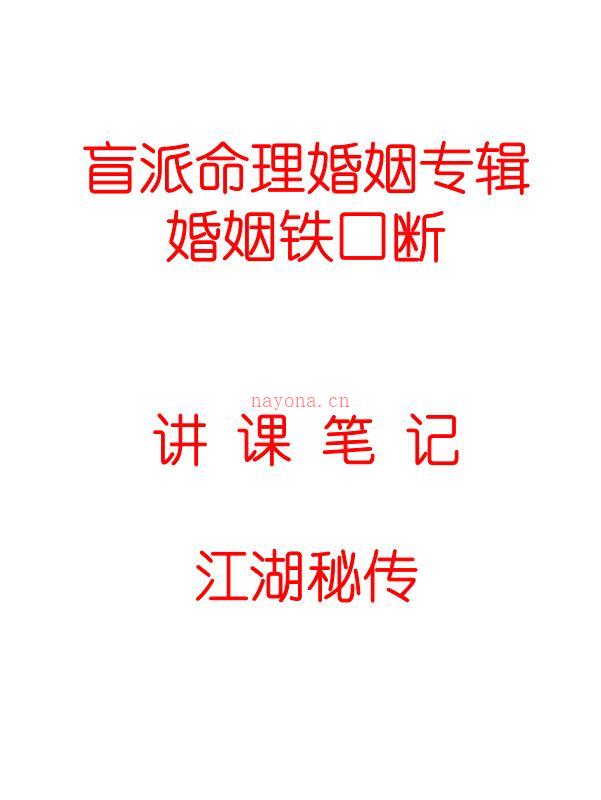
Blind School BaZi Marriage Judgment, Marriage Iron-Mouth Judgment
xbz210197 Jianghu Secret Transmission "Blind School BaZi Marriage Judgment, Marriage Iron-Mouth Judgment".pdf
BaZi
Original Course Material Images
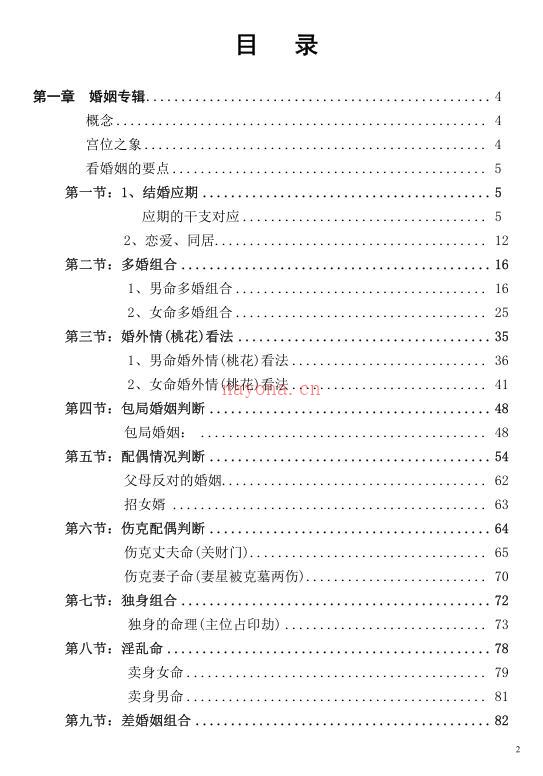
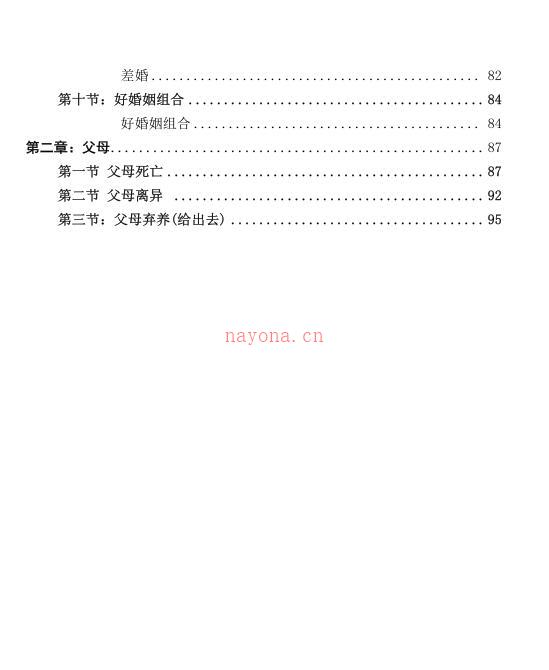
The following images are retained from the original nayona.cn course record for material identification and reference.
Who This Resource Is For
This material is suitable for adult learners exploring BaZi, Four Pillars chart reading, Chinese astrology or traditional destiny-analysis methods. Beginners should start with definitions and calculation rules before attempting interpretive exercises.
Learning Format and Digital Delivery
- Virtual digital resource; no physical shipment
- Course files and access instructions are supplied after purchase
- Lesson counts and file types follow the available source record
- Use the materials for personal study and reference
Source and Editorial Method
The curriculum facts and original material images are adapted from the source record at nayona.cn. Karma Kismet translated and reorganized the available information without inventing credentials, lesson counts or promised outcomes.
Frequently Asked Questions
Is this a physical product?
No. It is a virtual, downloadable educational resource.
Is BaZi scientifically validated?
No. BaZi is presented here as a symbolic and cultural interpretive tradition, not as scientific diagnosis or prediction.
Does this product include a personal consultation?
No, unless the product description explicitly states that a consultation is included.
Related BaZi Courses and Guides
- Xia Guangming Four Pillars BaZi Fast-Track Course
- Song Guoyuan Gan-Zhi Logic BaZi Chart Reading Course
- Wei Qianli BaZi Essentials and Day Master Study Guide
- Gao Dechen Ten Gods Intensive BaZi Course
- Zhuo Hong Five Elements BaZi Study Guide
- Pan Dongguang Annual Luck BaZi Practice Guide
- Jiulong Career and Wealth BaZi Training Course
- Wenzeng Advanced BaZi Practitioner Training
- Fangzhou 105-Lesson Complete BaZi Course Bundle
Reading Blind School marriage material responsibly
The source identifies this item as an ebook PDF about Blind School BaZi marriage judgment, under the file identifier xbz210197. Its Chinese title includes wording often translated as marriage judgment and iron-mouth judgment. Such expressions belong to the presentation of the traditional material; they should not be read as proof of reliable predictions. The listing does not provide a page count or chapter list. The English compatibility guide is therefore accompanied here by reading advice, rather than an invented sequence of lessons or a claim that a personalized report is included.
Marriage analysis is a sensitive subject because symbolic language can easily become a judgment about a real partner. A careful reader begins by treating the text as a source for understanding a traditional interpretive approach. The aim is to see how it frames relationship questions, what chart details it considers, and how its conclusions are expressed. That approach leaves room to examine historical assumptions critically. It does not require adopting the text's social categories as descriptions of how contemporary relationships should work or how any individual deserves to be treated.
Distinguish a study guide from a personal verdict
A resource organized around compatibility may discuss marriage symbolism, but its presence in a compatibility category does not mean it contains an individual assessment of your relationship. The supplied record identifies a PDF, not a consultation with two people's birth details. Read any general explanation with that distinction in mind. A passage concerning a symbolic condition is not evidence that the condition applies to you. Even when you can calculate a corresponding label, the interpretation remains part of a traditional system rather than a verified account of your circumstances.
Before annotating an example, write down whose chart is being discussed and whether one chart or a comparison of charts is actually present. The term compatibility is sometimes used broadly in English, while a source may focus on marriage indicators within a single chart. Your notes should reflect the material you see. Do not quietly introduce a second chart to turn a single-chart discussion into a two-person analysis. This simple practice protects the reading from becoming more specific than its evidence allows.
Preserve technical terms and question their social assumptions
Keep the original Chinese term beside a neutral English explanation whenever a marriage-related expression sounds accusatory or absolute. A literal translation may carry assumptions about gender, family roles, or responsibility that need to be examined rather than repeated as advice. You can accurately report that a text uses a particular category while explaining that the category belongs to its historical or traditional framework. This makes the discussion both more faithful to the source and more respectful toward people whose lives do not fit those inherited assumptions.
When a passage assigns a spouse role to a symbolic relationship, identify the convention being used and the conditions attached to it. Avoid treating the role as a biological or moral fact. If the material uses different conventions for men and women, record that difference as an aspect of the text. Contemporary readers may wish to ask how those conventions relate to varied family structures and identities. Such questions are legitimate parts of cultural study; they should not be answered by inventing an inclusive method that the original resource does not actually describe.
Follow reasoning rather than alarming phrases
Strong wording can make a marriage passage memorable while concealing the steps of its argument. Break the passage into the chart feature cited, the relationship or condition discussed, and the conclusion asserted. Then ask whether the text explains how it moved between those stages. If the explanation is incomplete, note the gap. Do not fill it with a rule from another teacher and then attribute the result to this PDF. A notebook should distinguish what the source says from what you believe might complete its reasoning.
If a phrase appears to predict separation, misfortune, or a partner's behavior, record it as a traditional claim and avoid turning it into a statement about a living person. The actual quality of a relationship depends on communication, choices, circumstances, and many factors that a symbolic chart does not establish. Study can proceed without using the material to accuse a partner or infer dishonesty. Maintaining this boundary is particularly important when the source's title uses confident language that might otherwise encourage certainty beyond the evidence.
A neutral case-reading method
For each example available in the material, make a factual record of the visible chart notation and the biographical information actually supplied. Keep missing dates, uncertain birth times, and unexplained outcomes visibly marked. Next, summarize the author's interpretation in indirect language: the passage associates a feature with a theme, or the author interprets a relationship in a particular way. This phrasing helps preserve attribution. It also keeps a source analysis from sounding like an independent confirmation that the person's life was determined by those symbols.
Then write a separate reflection about the assumptions of the example. Does it distinguish relationship timing from relationship quality? Does it describe one person's experience or make a claim about a couple? Does it explain why one symbolic indicator receives more attention than another? These questions help you read actively without fabricating case details. They are editorial study prompts for working with the PDF, not assertions that the original ebook includes a workbook, discussion group, or formal assessment based on these exercises.
Translation without reinforcing blame
Marriage terminology often contains compact expressions that become harsher when expanded into English. Prefer explanations that identify the traditional concept rather than labeling a person dangerous, defective, or destined to harm a partner. If the exact wording matters for textual study, record it in your private glossary with a note about its historical framing. When discussing the concept with others, make clear that the expression describes a source category. Accurate translation need not turn an inherited label into a judgment you endorse.
The phrase Blind School also calls for care. It identifies a tradition or approach in the product's naming; the source excerpt does not establish a lineage history, a particular teacher's biography, or the accessibility of the PDF. Do not infer those details from the label alone. If historical background interests you, investigate it separately and keep that research distinct from facts about this file. The available product evidence is narrower: an identified marriage-focused ebook PDF, presented for study in a BaZi collection.
Learning outcomes that do not depend on prediction
Useful progress includes recognizing how the material frames spouse symbolism, preserving conditions in a translation, and distinguishing a single-chart statement from a genuine comparison between charts. Another milestone is the ability to discuss a difficult traditional phrase without applying it as blame. These are reading and interpretation skills you can assess through your notes. They do not require accepting a promised outcome, obtaining a certification, or demonstrating that an alarming statement applies to your own relationship or someone else's marriage.
Approach this guide with both curiosity and care. The PDF can support the study of traditional marriage analysis and the language used to express it, while contemporary relationship decisions should remain grounded in direct experience and respectful conversation. If a passage causes concern, return to its context and identify exactly what it claims before giving it personal significance. A responsible learner can understand the source's framework, acknowledge its cultural interest, and retain clear boundaries around claims about fidelity, compatibility, separation, and a partner's future behavior.