Study Five Elements BaZi course through an English digital resource organized from the original curriculum, course record and reference images.
Course Overview
This English resource organizes the original Chinese curriculum for structured study of BaZi and Four Pillars of Destiny traditions. It presents the source material as a cultural and educational system rather than a scientific prediction or guaranteed outcome.
What You Will Learn
- Core BaZi terminology and chart-reading approaches used in the source material
- How the course connects stems, branches and Five Elements with chart interpretation
- The lesson sequence, examples and study exercises supplied in the original record
- How to distinguish symbolic interpretation from factual or scientific claims
Course Contents
Vertical Professional Course
eBook
Yishuguan 20 hours ago
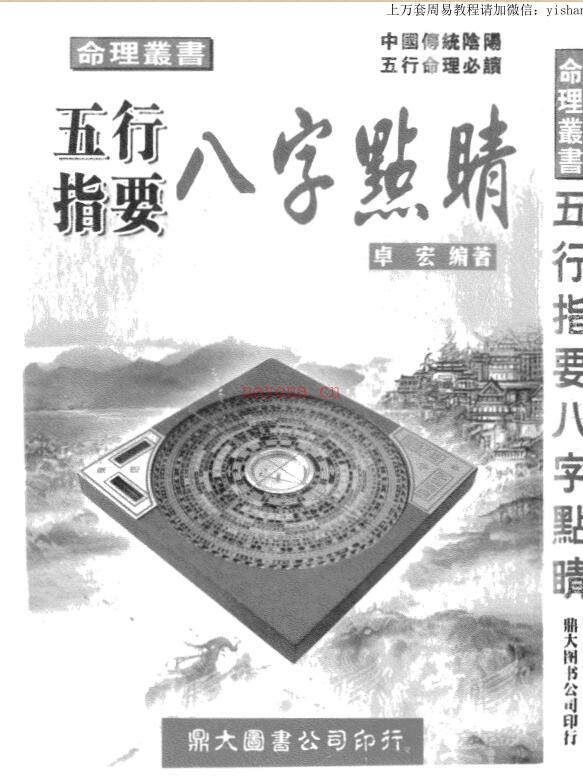
Zhuo Hong, Wuxing Zhiyao Bazi Dianjing
xbz210266 Zhuo Hong #Wuxing Zhiyao Bazi Dianjing .pdf
320 pages
Divination
Need it, contact v; need it, contact the webpage pop-up
Need all kinds of astrology, tarot, crystal, magic materials, professional consultation
Original Course Material Images
The following images are retained from the original nayona.cn course record for material identification and reference.
Who This Resource Is For
This material is suitable for adult learners exploring BaZi, Four Pillars chart reading, Chinese astrology or traditional destiny-analysis methods. Beginners should start with definitions and calculation rules before attempting interpretive exercises.
Learning Format and Digital Delivery
- Virtual digital resource; no physical shipment
- Course files and access instructions are supplied after purchase
- Lesson counts and file types follow the available source record
- Use the materials for personal study and reference
Source and Editorial Method
The curriculum facts and original material images are adapted from the source record at nayona.cn. Karma Kismet translated and reorganized the available information without inventing credentials, lesson counts or promised outcomes.
Frequently Asked Questions
Is this a physical product?
No. It is a virtual, downloadable educational resource.
Is BaZi scientifically validated?
No. BaZi is presented here as a symbolic and cultural interpretive tradition, not as scientific diagnosis or prediction.
Does this product include a personal consultation?
No, unless the product description explicitly states that a consultation is included.
Related BaZi Courses and Guides
- Xia Guangming Four Pillars BaZi Fast-Track Course
- Song Guoyuan Gan-Zhi Logic BaZi Chart Reading Course
- Wei Qianli BaZi Essentials and Day Master Study Guide
- Gao Dechen Ten Gods Intensive BaZi Course
- Pan Dongguang Annual Luck BaZi Practice Guide
- Blind School BaZi Marriage Compatibility Guide
- Jiulong Career and Wealth BaZi Training Course
- Wenzeng Advanced BaZi Practitioner Training
- Fangzhou 105-Lesson Complete BaZi Course Bundle
A Five Elements text with an identifiable source
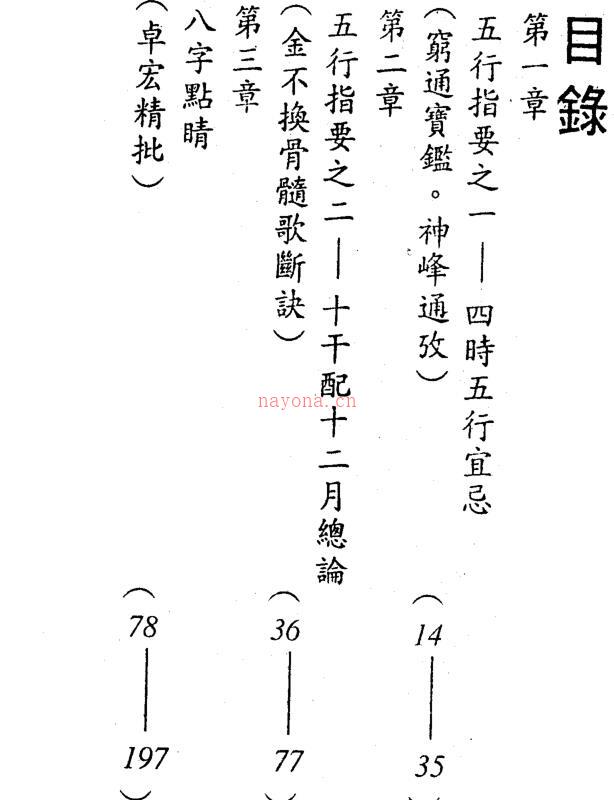
The original record names Zhuo Hong's Wuxing Zhiyao Bazi Dianjing and lists a PDF under the identifier xbz210266. It also gives a length of 320 pages. These details distinguish this item from an unspecified Five Elements course: the available evidence points to a substantial written resource. The listing does not provide a readable chapter inventory or establish that video lessons accompany the PDF. The English study guide can therefore be approached as a companion to close reading, with page references drawn from the actual copy available to you.
Five Elements terminology in BaZi describes a traditional network of symbolic relationships involving Wood, Fire, Earth, Metal, and Water. The words can suggest literal substances, but their role in chart discussion is broader than naming objects. A productive reader asks how each term functions in an argument rather than assuming that an everyday association explains the whole concept. This matters particularly in a text whose title emphasizes guidance and insight: short interpretive statements may depend on a detailed understanding of relationships developed elsewhere in the material.
Read relationships before collecting adjectives
Begin with passages that explain how the elements relate to one another in the author's terminology. In your notebook, describe the relationship as a sentence rather than only drawing an arrow. A diagram can help memory, but a sentence exposes whether you know what the arrow is intended to mean. Keep generating and controlling relationships distinct. Then record any conditions that modify their interpretation. The exercise is about learning the symbolic grammar used by the text, not proving that the elements cause measurable outcomes in a person's life.
Avoid beginning with long lists of associated personality traits. Such lists are easy to memorize and easy to apply too broadly. If the text uses an image or a quality to describe an element, copy the surrounding explanation as well as the image. Ask whether the image is introductory, conditional, or part of a comparison. This approach allows you to enjoy the cultural imagery while preserving its place in the argument. It also prevents a single metaphor from becoming a claim about every person assigned that element.
Give seasonal language its own notebook space
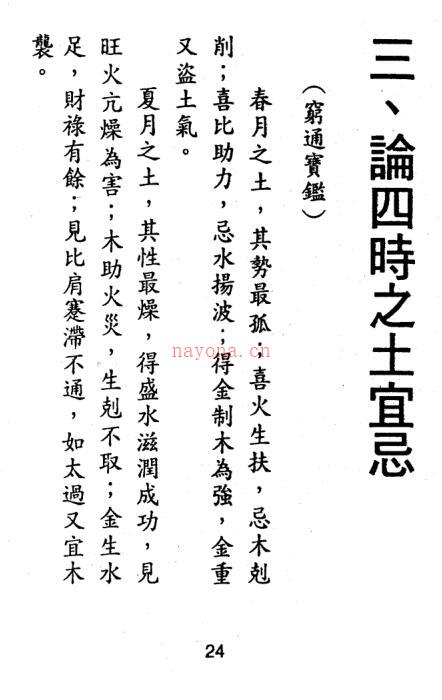
BaZi discussions often use seasonal context when explaining elemental relationships. When that language appears in your reading, keep a separate record of the season or month reference and the way it changes the argument. Do not silently translate a seasonal condition into a universal rule. A passage about a particular context should remain attached to that context in your notes. If the text makes a distinction you do not understand, mark the relevant page and return after reading the surrounding explanation rather than guessing a familiar formula.
You can organize this record with a question: what information does the author need before describing the element in this way? The answer might include a reference position, a seasonal condition, or another relationship in the chart. Only include details that the passage actually supports. This makes the notebook a map of the author's reasoning instead of a collection of your assumptions. It also helps you recognize when two apparently conflicting statements concern different conditions and therefore should not be forced into one simplified definition.
Separate quantity from interpretation
Counting elemental appearances can be a useful transcription exercise, but a count is not automatically the interpretation. If a passage discusses prominence, strength, support, or usefulness, identify what those words mean in that passage. Do not replace the author's explanation with a numerical shortcut simply because a count is easier to perform. Equally, avoid assuming that an element absent from the visible notation must produce a particular life problem. Such conclusions require an interpretive argument and should be recorded as symbolic claims rather than observable facts.
For a personal learning exercise, copy a chart example and make two summaries. The first should state what is literally printed, including positions and labels. The second should explain how the author interprets those details. Compare the two summaries and underline every point where you move from notation to inference. This exercise does not require you to accept or reject the whole tradition. It gives you a practical way to understand what kind of statement you are reading and what evidence within the text supports it.
Using a 320-page resource without rushing
The source-listed length suggests that selective reading and review may be more manageable than attempting to absorb the entire resource in one pass. Start by inspecting the file's own contents pages and headings, if present, and make an index based on what you actually find. The listing's 320-page figure does not tell us how those pages are organized or whether the file's numbering matches printed numbering. Your personal index should identify both the visible heading and the location in your copy so you can reliably return to it.
Choose one concept for a reading session and follow it through a short section. Write a summary of the definition, an explanation of any conditions, and a question that remains unresolved. At the next session, begin with that question rather than opening at an arbitrary page. This creates continuity across a long text. It also encourages rereading, which is often more useful than moving quickly through new terminology. A carefully understood page can support better study than many pages marked with highlights but no reconstructed reasoning.
Compare symbolic imagery with technical terminology
When the text uses a natural image, ask whether it illustrates a technical relationship or introduces a broader cultural association. Record the difference. For example, an image can make an abstract idea memorable without functioning as a calculation rule. Your notes should not turn every illustrative phrase into a procedure for reading charts. Keep the original expression, your translation, and your explanation close together so that you can revisit the passage if an English metaphor loses the nuance of the Chinese wording.
If you discuss the material with another reader, compare how each of you paraphrases the same passage before debating conclusions. Disagreement may come from a translation choice, a missing condition, or a different definition of a key word. Identifying the cause makes discussion more productive. It also prevents conversations about the Five Elements from becoming contests over which isolated phrase sounds most authoritative. The aim is to understand the particular text attributed to Zhuo Hong, not to assemble a universal method from whichever statement is easiest to remember.
Boundaries for application
This written resource concerns a traditional symbolic system. Elemental language should not be used to diagnose illness, prescribe substances, or establish a person's financial or relationship prospects. If a passage makes a claim about life circumstances, study the claim as part of the author's interpretive framework and distinguish it from independent evidence. You can learn a great deal about the tradition's vocabulary and internal reasoning without turning its categories into practical instructions for health, money, or other consequential decisions.
Useful progress is visible in the quality of your annotations: accurate terms, retained conditions, clear page references, and explanations that distinguish the printed notation from symbolic interpretation. The source's PDF identification and page count give a starting point, while the material itself must support detailed conclusions about its contents. Read slowly enough to preserve those distinctions. A Five Elements study guide is most valuable when it develops careful textual understanding rather than encouraging certainty based on a memorable element label.