Study BaZi Day Master guide through an English digital resource organized from the original curriculum, course record and reference images.
Course Overview
This English resource organizes the original Chinese curriculum for structured study of BaZi and Four Pillars of Destiny traditions. It presents the source material as a cultural and educational system rather than a scientific prediction or guaranteed outcome.
What You Will Learn
- Core BaZi terminology and chart-reading approaches used in the source material
- How the course connects stems, branches and Five Elements with chart interpretation
- The lesson sequence, examples and study exercises supplied in the original record
- How to distinguish symbolic interpretation from factual or scientific claims
Course Contents
Vertical Professional Tutorial
ebook
Yishuguan 10 days ago
Wei Qianli – Bazi Essentials
xbz210216 Wei Qianli – Bazi Essentials.pdf
Bazi
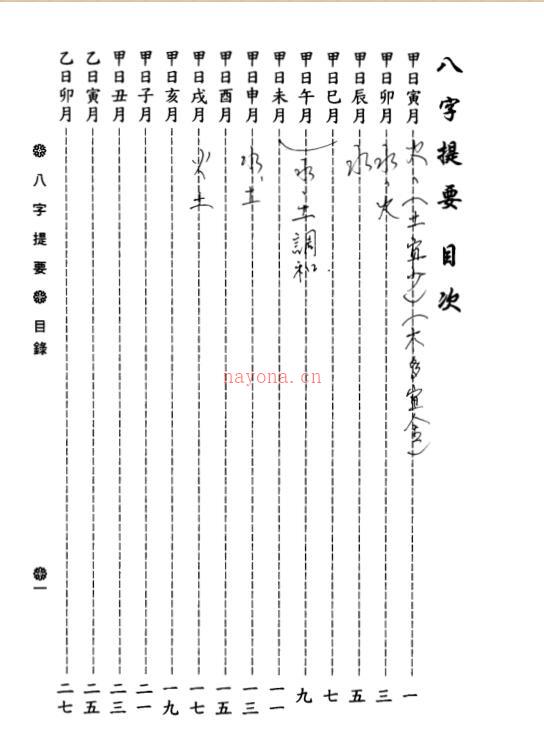
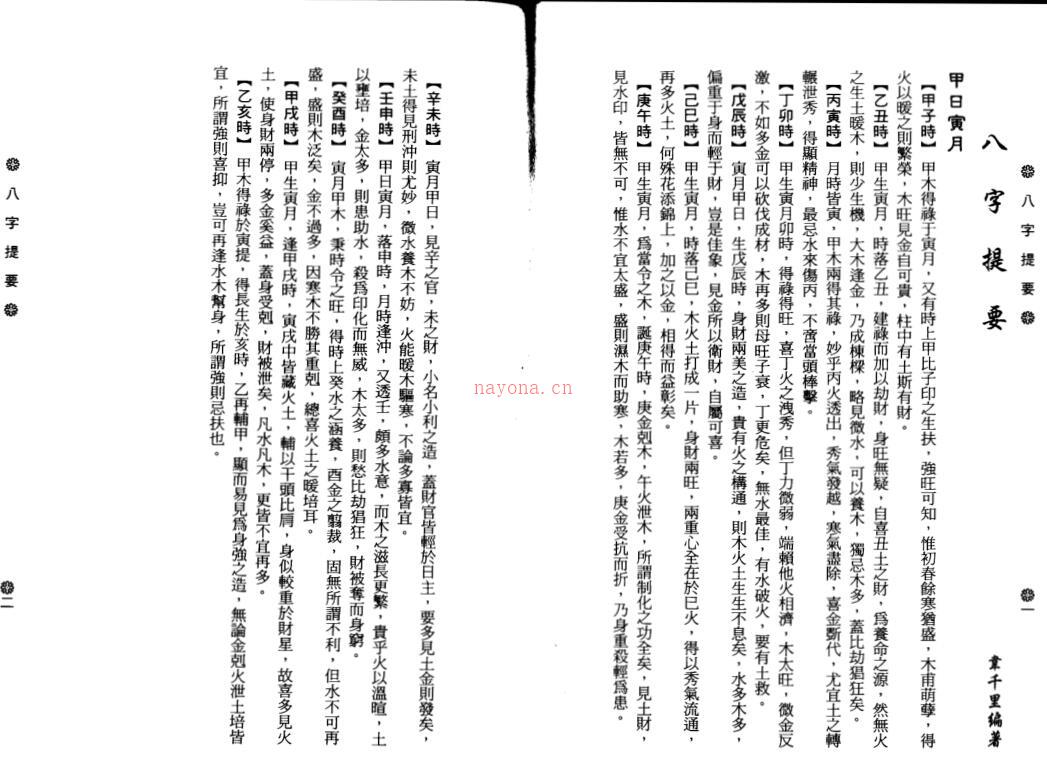
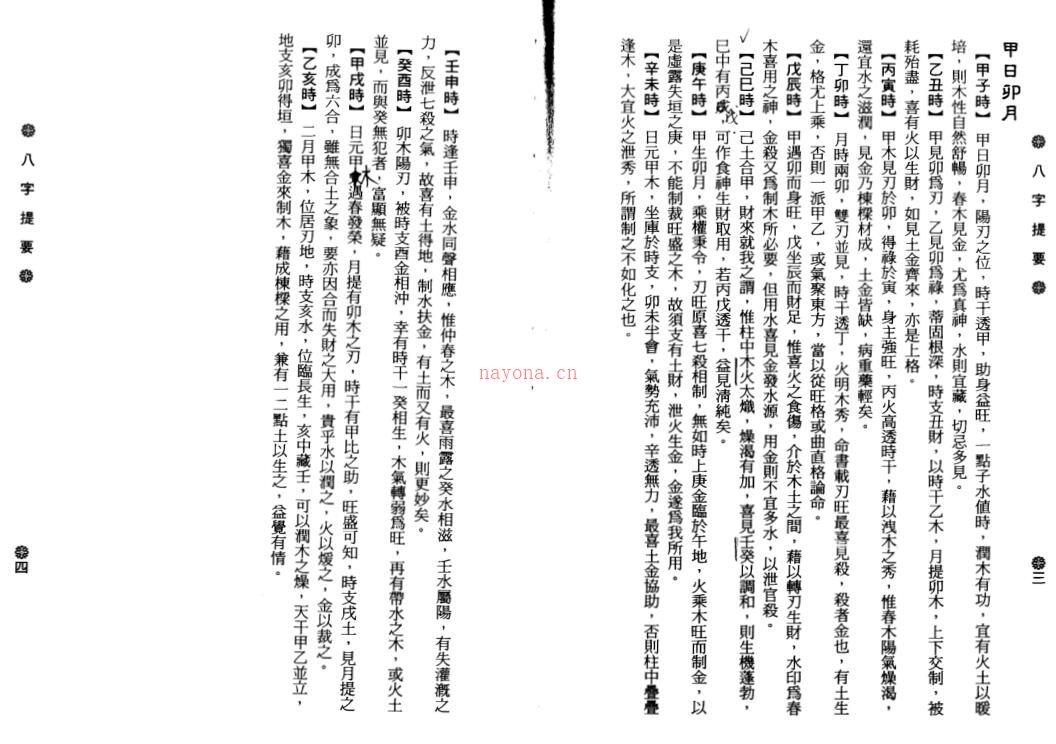
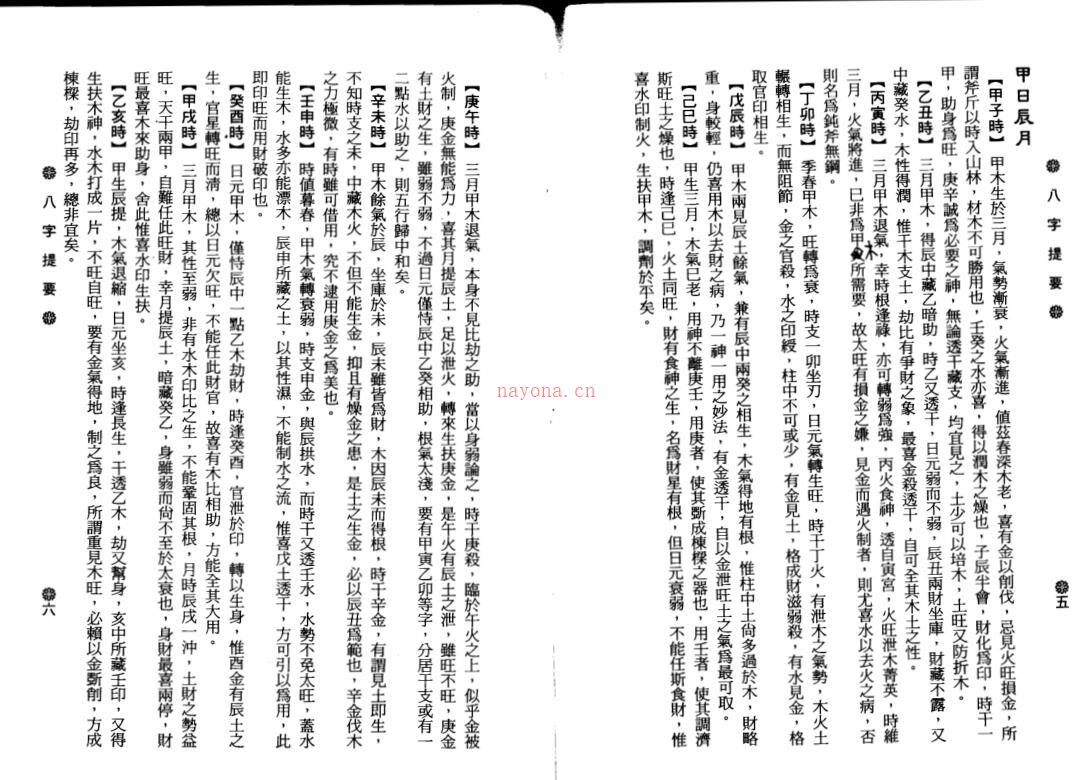
Original Course Material Images
The following images are retained from the original nayona.cn course record for material identification and reference.
Who This Resource Is For
This material is suitable for adult learners exploring BaZi, Four Pillars chart reading, Chinese astrology or traditional destiny-analysis methods. Beginners should start with definitions and calculation rules before attempting interpretive exercises.
Learning Format and Digital Delivery
- Virtual digital resource; no physical shipment
- Course files and access instructions are supplied after purchase
- Lesson counts and file types follow the available source record
- Use the materials for personal study and reference
Source and Editorial Method
The curriculum facts and original material images are adapted from the source record at nayona.cn. Karma Kismet translated and reorganized the available information without inventing credentials, lesson counts or promised outcomes.
Frequently Asked Questions
Is this a physical product?
No. It is a virtual, downloadable educational resource.
Is BaZi scientifically validated?
No. BaZi is presented here as a symbolic and cultural interpretive tradition, not as scientific diagnosis or prediction.
Does this product include a personal consultation?
No, unless the product description explicitly states that a consultation is included.
Related BaZi Courses and Guides
- Xia Guangming Four Pillars BaZi Fast-Track Course
- Song Guoyuan Gan-Zhi Logic BaZi Chart Reading Course
- Gao Dechen Ten Gods Intensive BaZi Course
- Zhuo Hong Five Elements BaZi Study Guide
- Pan Dongguang Annual Luck BaZi Practice Guide
- Blind School BaZi Marriage Compatibility Guide
- Jiulong Career and Wealth BaZi Training Course
- Wenzeng Advanced BaZi Practitioner Training
- Fangzhou 105-Lesson Complete BaZi Course Bundle
Reading Wei Qianli through the Day Master
The source record identifies Wei Qianli's BaZi Essentials as a PDF, with the filename xbz210216 Wei Qianli – Bazi Essentials.pdf. That is the concrete publication clue available for this resource. It does not supply a chapter list, a page count, or a separate video syllabus. The English title places the material within Day Master study, so a useful approach is to read it as a text to annotate rather than assume a sequence of filmed lessons. The guidance below is an editorial reading companion; its exercises are suggestions for personal study, not a list of promised chapters in the PDF.
The Day Master is the Heavenly Stem associated with the day in a Four Pillars chart. Within traditional BaZi interpretation, it serves as a reference point for describing relationships among the other stems and branches. Learning this role is different from treating the Day Master as a complete personality label. A chart contains multiple positions, seasonal references, and interpretive conventions. If a passage begins with a particular day stem, ask what else the author considers before drawing a conclusion. This question keeps a short descriptive statement connected to its larger argument.
Build a vocabulary before making interpretations
Start a notebook with three separate columns: the Chinese term as printed, a consistent English translation, and a plain explanation in your own words. For Day Master passages, useful entries may include day stem, month branch, seasonal context, generating relationship, and controlling relationship. Add a term when it actually appears in your reading. Avoid creating the impression that every familiar BaZi expression must belong to this text. A small glossary based on passages you have seen is more useful than a long collection of definitions borrowed from unrelated schools.
English translations can vary. One edition might use Day Master where another uses day ruler, while a phrase about strength may refer to an interpretive condition rather than physical strength. Record alternate translations beside the original expression instead of silently replacing it. If two paragraphs appear to contradict each other, first check whether the same Chinese term is being translated consistently. This is especially helpful when working from a compact reference text, where a short word may carry assumptions developed elsewhere in the discussion.
Follow the argument surrounding each day stem
A productive reading session begins with one short passage. Write down the stem being discussed, the seasonal or positional conditions mentioned, and the conclusion offered by the author. Then identify which details are necessary for that conclusion. If the sentence contains qualifications, preserve them in your notes. Words equivalent to if, when, unless, and provided that often matter more than a memorable final phrase. Removing those conditions can turn a situated traditional interpretation into a sweeping claim the original passage did not support.
Read the next paragraph before summarizing the first. A text may introduce a broad description and then narrow it through exceptions or contrasting examples. Your summary should show that progression. For example, you can write that a passage first describes one relationship and later limits the description under another condition, without asserting anything about an actual person's life. This keeps the exercise focused on understanding the author's method. It also reduces the temptation to select only the lines that fit a preferred interpretation of your own chart.
Separate chart notation from symbolic language
Use two pages when studying an example. On the first, copy only the notation that is visible in the material: the stems, branches, and any labels explicitly attached to them. On the second, paraphrase the interpretation. This separation makes it possible to check a transcription error without rewriting the entire explanation. It also reveals the point where a factual transcription becomes a traditional symbolic inference. The PDF can be studied carefully even when you do not accept its predictive assumptions as established knowledge.
If you construct a practice chart independently, record the calculation conventions you used. Calendar boundaries, time handling, and the treatment of incomplete birth information can affect the notation used by different sources. Do not repair an unclear example by guessing a missing hour or inventing background events. Mark the gap and continue with the information that is actually present. For textual study, an acknowledged uncertainty is more useful than a polished chart built on assumptions that you later forget were assumptions.
A manageable reading routine
Choose a small section and give it a descriptive label in your notebook. After reading it once, list the terms you recognize and the terms you still need to investigate. On a second reading, underline the relationships rather than isolated nouns: what generates what, what is compared with what, and which conditions change the interpretation. Finish by writing a short paragraph explaining the reasoning without using the author's concluding language. This tests comprehension more effectively than copying a striking phrase and calling it a summary.
Return to that paragraph a few days later. Can you reconstruct the original reasoning from your notes alone? If not, add a reference to the relevant page or visible section heading in your copy. The source listing does not establish a universal page numbering system, so use the numbering of the file you actually receive. Your references should allow you to locate evidence again. This habit becomes increasingly valuable when several texts discuss the same day stem using different wording or different assumptions about the surrounding chart.
Compare ideas without blending schools
When you consult another BaZi book, give its interpretation a separate entry. A comparison can ask whether both texts begin from the day stem, whether they emphasize the same seasonal context, and whether their conditions are equally explicit. It should not merge their rules into a single method simply because they use similar vocabulary. Differences are useful material for study. They show how a shared symbolic language can support distinct interpretive approaches, and they encourage you to identify the source of each rule you record.
Keep comparisons proportionate to the evidence. The brief source listing supports identifying this as Wei Qianli's BaZi Essentials in PDF form; it does not establish a particular edition history, translation quality, or credential. Those details should be checked in the actual file if they matter to your study. A catalog title can help you locate a resource, while the pages themselves must support any claim about its internal organization. This distinction protects your notes from acquiring attractive but unverified background information.
What useful progress looks like
An early milestone is the ability to explain why the Day Master is a reference point and why it does not stand alone. A later milestone is the ability to preserve the conditions of a passage while translating its reasoning into clear English. You might also become more comfortable distinguishing a copied chart, an author's inference, and your own reflection. None of these milestones requires predicting an event. They are observable reading skills that make a traditional text easier to discuss with care and precision.
This resource is best approached with patient annotation and a willingness to leave questions open. Read claims about character or life circumstances as part of the BaZi tradition being examined. Do not use them to define someone's worth or replace practical decisions with a day stem label. The value of a Day Master study guide lies in learning how the symbolic reference system is constructed, how an author uses its vocabulary, and how to describe that process accurately while retaining your own judgment about its limits.