Study BaZi career and wealth course through an English digital resource organized from the original curriculum, course record and reference images.
Course Overview
This English resource organizes the original Chinese curriculum for structured study of BaZi and Four Pillars of Destiny traditions. It presents the source material as a cultural and educational system rather than a scientific prediction or guaranteed outcome.
What You Will Learn
- Core BaZi terminology and chart-reading approaches used in the source material
- How the course connects stems, branches and Five Elements with chart interpretation
- The lesson sequence, examples and study exercises supplied in the original record
- How to distinguish symbolic interpretation from factual or scientific claims
Course Contents
Vertical professional course
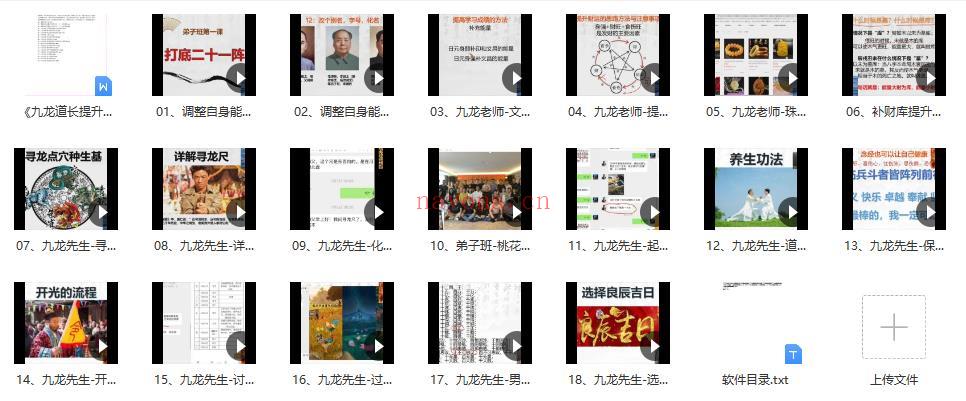
Table of contents screenshot
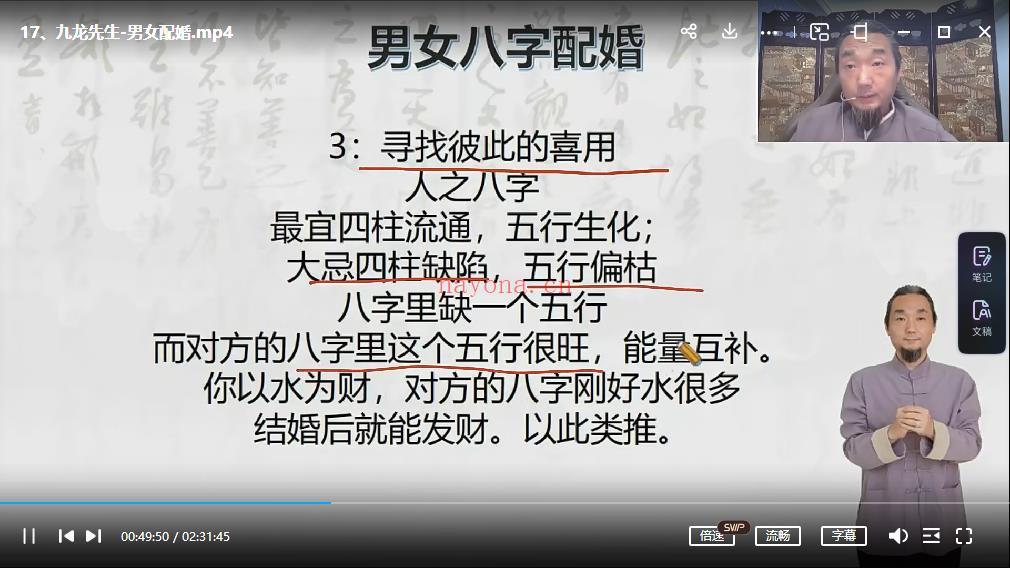
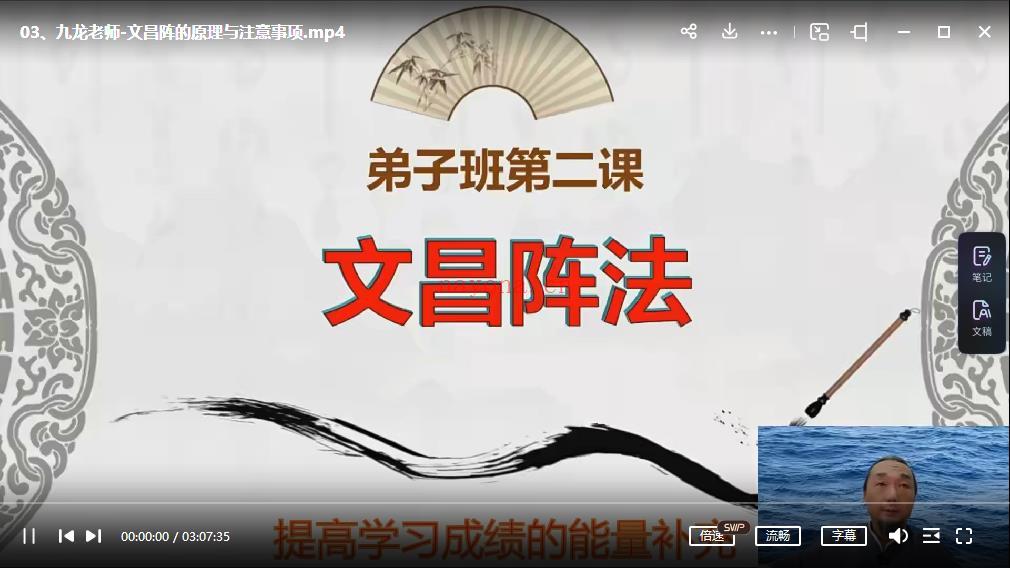
Video screenshot
Original Course Material Images
The following images are retained from the original nayona.cn course record for material identification and reference.
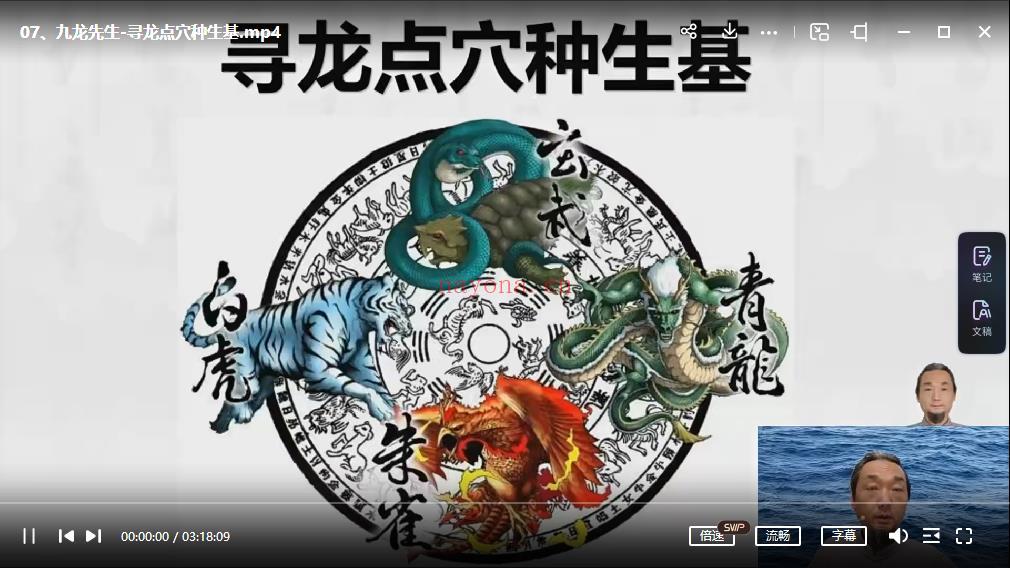
Who This Resource Is For
This material is suitable for adult learners exploring BaZi, Four Pillars chart reading, Chinese astrology or traditional destiny-analysis methods. Beginners should start with definitions and calculation rules before attempting interpretive exercises.
Learning Format and Digital Delivery
- Virtual digital resource; no physical shipment
- Course files and access instructions are supplied after purchase
- Lesson counts and file types follow the available source record
- Use the materials for personal study and reference
Source and Editorial Method
The curriculum facts and original material images are adapted from the source record at nayona.cn. Karma Kismet translated and reorganized the available information without inventing credentials, lesson counts or promised outcomes.
Frequently Asked Questions
Is this a physical product?
No. It is a virtual, downloadable educational resource.
Is BaZi scientifically validated?
No. BaZi is presented here as a symbolic and cultural interpretive tradition, not as scientific diagnosis or prediction.
Does this product include a personal consultation?
No, unless the product description explicitly states that a consultation is included.
Related BaZi Courses and Guides
- Xia Guangming Four Pillars BaZi Fast-Track Course
- Song Guoyuan Gan-Zhi Logic BaZi Chart Reading Course
- Wei Qianli BaZi Essentials and Day Master Study Guide
- Gao Dechen Ten Gods Intensive BaZi Course
- Zhuo Hong Five Elements BaZi Study Guide
- Pan Dongguang Annual Luck BaZi Practice Guide
- Blind School BaZi Marriage Compatibility Guide
- Wenzeng Advanced BaZi Practitioner Training
- Fangzhou 105-Lesson Complete BaZi Course Bundle
Understanding the Jiulong source emphasis
The original listing describes a Jiulong class using BaZi and traditional practices framed around resolving difficulties, warding off adverse influences, debt-related arrangements, Wenchang arrangements, wealth themes, and peach blossom arrangements associated with relationship wishes. It also refers to contents screenshots and video screenshots. These are concrete clues about the source's subject matter, but they do not establish that any practice can produce the advertised outcomes. Karma Kismet presents these topics as material for cultural and symbolic study. The career and wealth category should be understood alongside this more specific source emphasis.
The supplied text does not give a readable lesson inventory, running time, or an independently verified qualification for the teacher. It would therefore be misleading to turn the brief description into a detailed professional training syllabus. A useful way to approach the material is to examine how traditional ritual language and BaZi vocabulary are brought together. This companion offers questions for that examination. It does not promise debt recovery, improved finances, academic success, protection from accidents, or changes in another person's feelings through a symbolic arrangement.
Distinguish a topic from an outcome
When a source names a practice after a desired result, separate the name from the claim. A wealth-related arrangement tells you what theme the material discusses; it does not prove that the arrangement increases income. A Wenchang arrangement may be associated with learning or scholarship in traditional symbolism; that association does not establish improved examination performance. In your notes, write the traditional name, the theme attached to it, and the explanation actually provided. Keep any claim of effectiveness in a separate column so that it remains visible as a claim.
This separation is particularly useful for the debt-related language in the listing. Studying a traditional arrangement associated with debt recovery is different from learning a lawful process for recovering money. The resource should not replace records of an agreement, direct communication, or appropriate professional assistance. You can examine how financial concerns are expressed symbolically without treating the material as a practical guarantee. Clear wording also avoids encouraging learners to pressure another person through purported ritual authority or to assume a symbolic exercise changes legal obligations.
Read arrangements as cultural forms
If the material shows a diagram or arrangement, begin by describing what is visible before assigning a meaning. Record the named parts, their positions, and the accompanying explanation. Do not add objects, directions, or procedures that are absent from the source. The brief listing names several themes but does not specify their complete instructions. A learner's notebook can preserve the visual and textual structure while marking unanswered questions. This is more reliable than completing an unfamiliar arrangement from images found in unrelated traditions and attributing the result to Jiulong.
Next, ask what each part represents within the explanation. Is it linked to a BaZi term, a ritual convention, a cultural association, or a personal intention? Those roles can coexist, but they should not be confused. A symbolic connection is not the same as a demonstrated causal mechanism. Keeping the roles distinct helps you understand the material on its own terms while retaining a critical perspective. It also makes comparisons with other resources more precise because you can identify exactly which aspect of an arrangement is being compared.
BaZi language within a broader practice setting
The English title places this item in a BaZi collection, while the Chinese source description includes practices beyond ordinary chart transcription. Pay attention to when the material moves from reading a chart to discussing an arrangement or response. Note the information used to justify that transition. If an explanation assumes a chart condition, write it down. If it relies on a symbolic theme without a chart, record that instead. This allows you to describe the resource accurately rather than forcing all its content into one form of chart analysis.
Do not infer a complete BaZi foundation course from the product's category. If you encounter unfamiliar stems, branches, or Ten Gods terminology, consult your existing notes or a separate foundational source and label that background separately. The listing does not confirm that this class teaches every prerequisite from the beginning. Keeping background study distinct from the original explanation avoids attributing added definitions to the teacher. It also helps you decide which questions concern your own preparation and which reflect gaps in the source material itself.
Wealth and career themes without financial promises
For wealth-related passages, write a neutral summary of the symbolic association and then a separate practical reflection. The practical reflection might identify the ordinary issue you want to understand, such as planning a budget or clarifying a work goal. It should not assert that the symbolic practice solves that issue. This two-part approach can keep cultural study meaningful while preventing a ritual theme from displacing factual financial information. It also gives you a way to discuss aspirations without presenting a course as a route to guaranteed earnings.
Career language deserves similar care. If a passage uses an auspicious scholarly or professional symbol, ask how the author describes it and whether the interpretation is tied to specific conditions. Do not translate the association into a promise of promotion or a credential. Personal reflection may be part of how a learner engages with symbolism, but it remains personal reflection. The resource can be studied for its vocabulary, imagery, and traditional framing without requiring a claim that purchasing or following it creates a measurable advantage at work.
Relationship wishes and other people's agency
The source's peach blossom language relates to traditional relationship symbolism. When studying it, distinguish an aspiration for companionship from any implication that a practice can control another person's response. Relationships involve mutual choice and communication. A symbolic theme may be examined as a cultural expression of hope, but it should not be used to justify unwanted contact or certainty about someone else's feelings. Your notes should preserve what the material actually says while avoiding stronger claims in translation or personal application.
If an explanation assigns a relationship meaning to a chart or arrangement, record the reasoning and its limits. Does it describe a broad theme, a particular tradition, or an asserted result? Does it include conditions that the short listing omits? These questions can only be answered from the material itself. Do not manufacture a detailed romance module from one phrase in the source description. The available evidence supports recognizing relationship symbolism as one named topic, alongside wealth, scholarly, and difficulty-resolution themes, rather than inventing a complete curriculum.
A focused study record
Create one page for each named theme you encounter. Include the source term, the visible material reference, a description of the form, the author's explanation, and the questions you still have. If the resource includes videos, record a timestamp from the actual file when a point needs review. The listing mentions video screenshots but does not give a total duration, so your record should use the files you actually study. These practical references keep your analysis grounded and make it possible to revisit a claim without relying on memory.
An appropriate learning outcome is the ability to describe the source's combination of BaZi language and traditional arrangements accurately, without repeating promotional outcomes as facts. Another is recognizing where a symbolic association ends and a practical claim begins. Such skills support informed cultural study. They do not depend on a financial return, successful debt collection, a change in relationship status, or protection from adversity. Read the material with attention to its specific themes, and let ordinary decisions remain guided by real circumstances, consent, and reliable information.