
Study Five Elements and BaZi Pattern Analysis Course through an English digital resource with curriculum notes, original material previews, FAQs and.
Course Overview
This English digital resource presents the available material as a structured learning path. It preserves verifiable curriculum details and visual references while adding clear navigation, study guidance and definitions for international learners.
What You Will Study
- Core concepts and terminology associated with this subject
- A practical sequence for reviewing the supplied lessons or reference material
- Examples, diagrams or case notes included in the source curriculum
- Responsible interpretation without guaranteed outcomes
Curriculum and Source Notes
Vertical professional tutorial
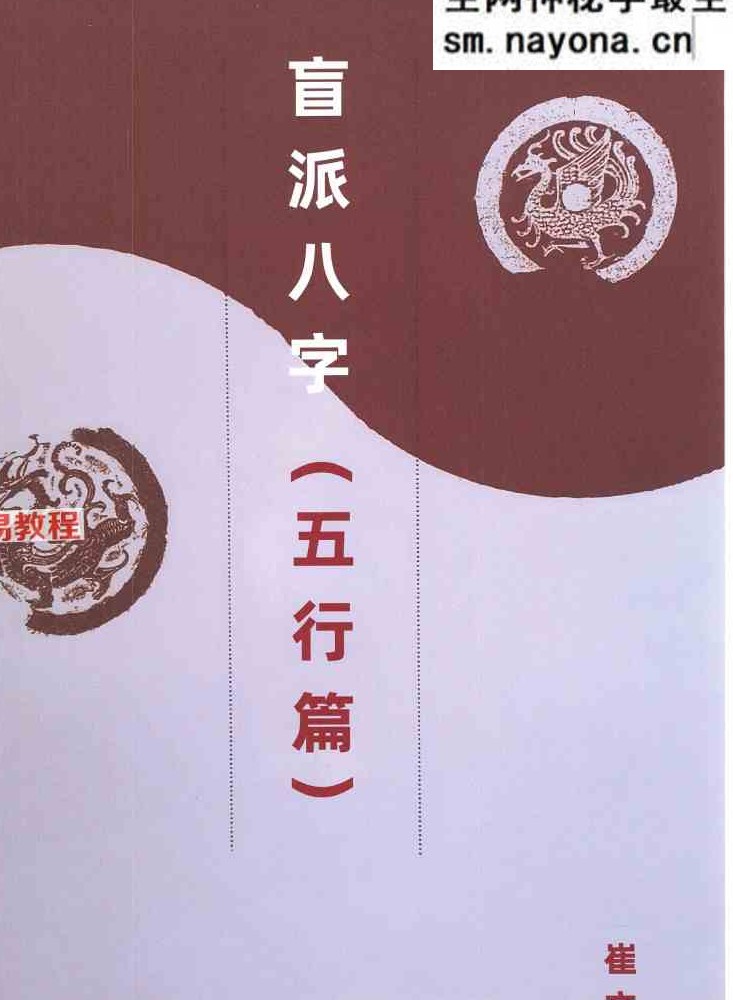
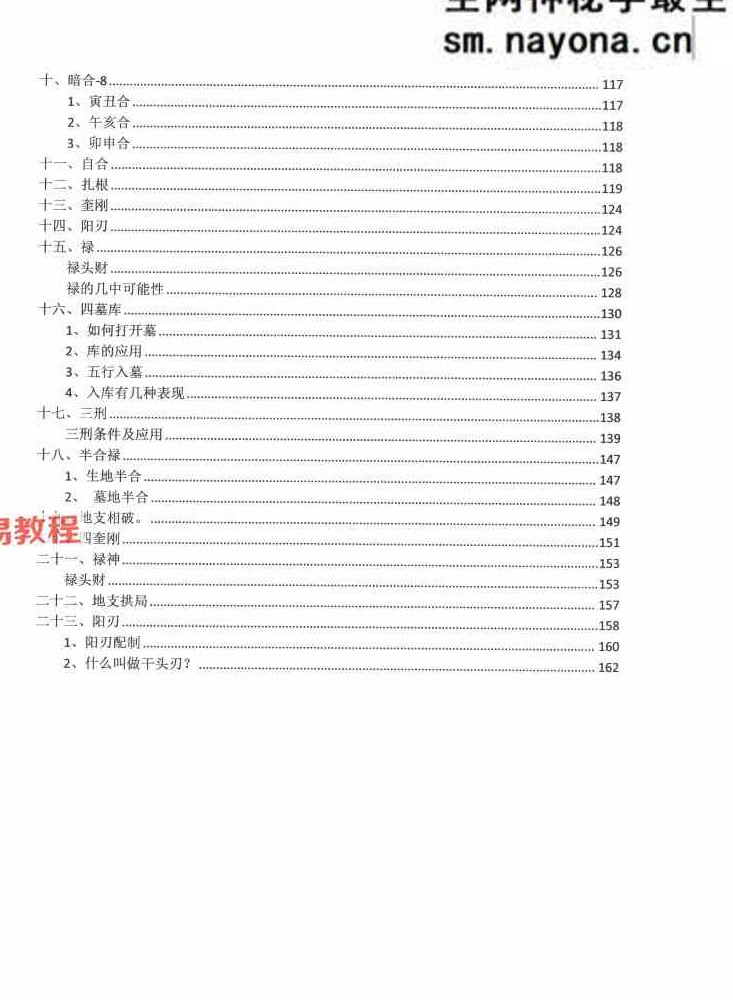
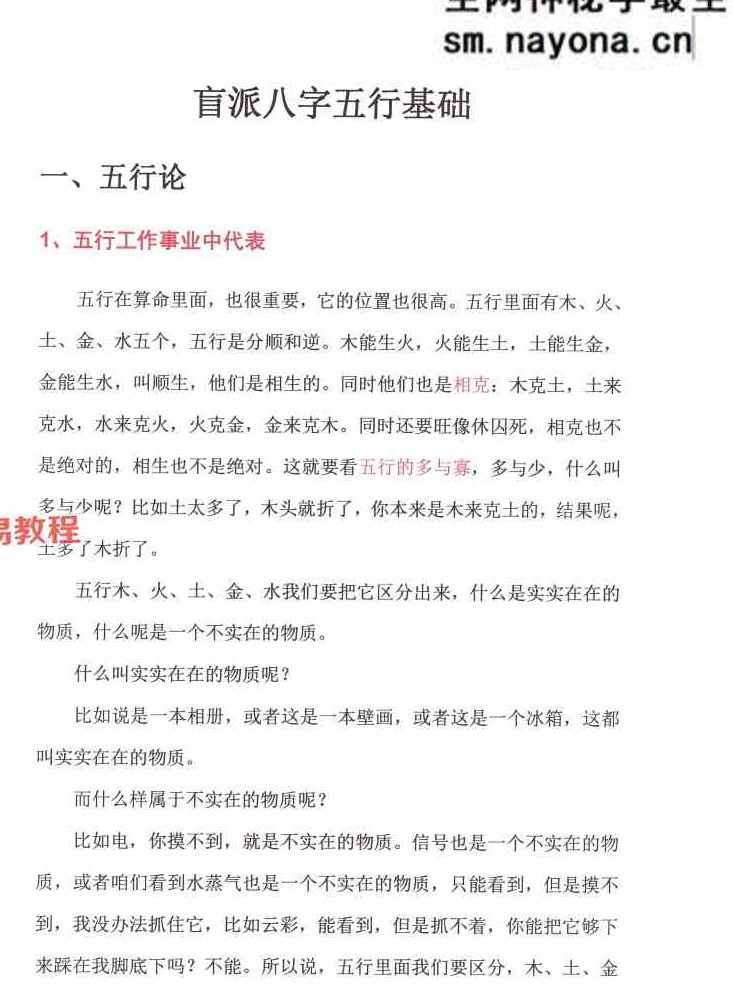
Cui Wenju's Eight Characters of the Blind School (Five Elements Chapter).pdf 165 pages, Teacher Cui's latest numerology book, focusing on explaining the basics, allowing you to lay a more solid foundation and make it easier to understand the profound numerology.
| ├──Cui Wenju's Eight Characters of the Blind School (Five Elements) 165 pages.pdf 171.45M
Abstract: Cui Wenju's book "The Eight Elements of the Blind School (Five Elements)" is based on the five elements theory in traditional numerology. Through the unique fortune-telling method of the blind school of numerology, it conducts an in-depth analysis of the eight-character pattern, the five elements and the combination of the ten gods, and the fate level. The book has a total of 165 pages, and the content is compact and systematic. It not only retains the core framework of traditional numerology, but also incorporates the characteristics of blind sect's emphasis on direct judgment and periodic deduction in actual combat, allowing learners to quickly grasp the core logic of numerology. Through a large number of cases, the book breaks down the relationship between the five elements of metal, wood, water, fire, and earth in detail, emphasizing the importance of the balance of the five elements in the direction of destiny. At the same time, the author conducts a detailed analysis of life themes such as marriage, wealth, career, and health, showing the unique charm of blind numerology of "taking things with images and deciding with Qi". For numerology enthusiasts, this is not only a textbook for learning the knowledge of the Five Elements, but also a reference material with both theoretical and practical value. It has high reading value in the fields of traditional cultural research and folk magic exploration.
Core Analysis of Five Elements Theory
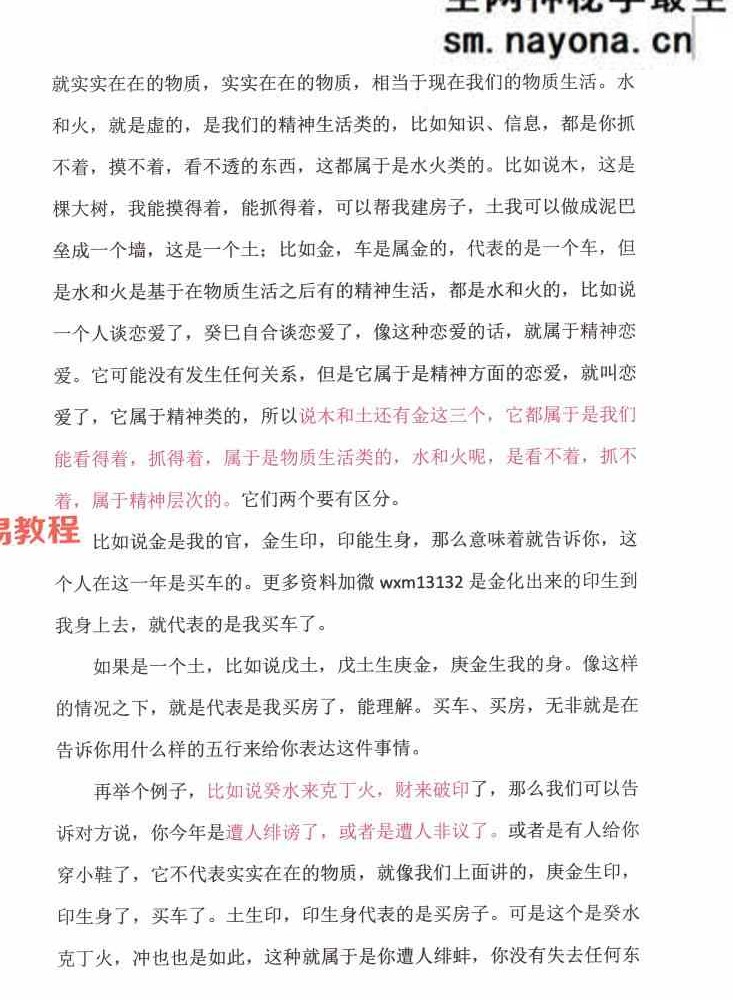
"Blind School Bazi (Five Elements)" first starts with the basic theory of the Five Elements and systematically explains the properties of metal, wood, water, fire, and earth. The author emphasizes that the five elements are not simple natural elements, but correspond to the laws of heaven and earth. Gold represents solemnity and convergence, wood represents growth and extension, water represents wisdom and flow, fire represents passion and brightness, and earth represents tolerance and stability. Through this combination of symbolism and meaning, readers can more intuitively understand the changes in the five elements in fate.
In the elaboration of the relationship between the five elements, the book not only introduces the basic theory of mutual generation and mutual restraint, but also further analyzes the impact of punishment, conflict and combination of harm on the power of the five elements. Many traditional numerology books focus on theoretical derivation, but this book pays more attention to the practical application of fortune telling. For example, when Wood is strong and Metal is weak, it is not simply regarded as Wood overcoming Metal, but a comprehensive judgment needs to be made based on the season, pattern and the situation revealed by the heavenly stems. This idea reflects the flexible and practical characteristics of blind numerology.
The author also particularly emphasizes the importance of balance among the five elements. If the five elements in your destiny are severely on the dry side, it often means that there are obvious flaws in one aspect of your life. The imbalance of Water and Fire can easily lead to emotional problems, while the conflict between Metal and Wood may reflect career pressure and interpersonal conflicts. By summarizing these phenomena, readers can more comprehensively understand changes in fate from the perspective of the Five Elements.
In addition to basic theories, this book also introduces methods for judging the prosperity and decline of the five elements. Factors such as seasons, monthly orders, and thoroughness of the roots and dryness are regarded as important basis for measuring the power of the five elements. The author illustrates through a large number of cases that numerology analysis cannot stay on the surface, but must go deep into the level of momentum and circulation of the five elements. Only by understanding the operation of "qi" can we truly grasp the core of the blind sect's life-death.
During the reading process, it can be found that the author attaches great importance to the dynamic relationship between the five elements. The five elements in destiny are not static, but are constantly changing in the passing years of the Grand Canal. This kind of dynamic thinking makes the blind horoscope not only focus on the destiny itself, but also emphasize the role of time in promoting destiny, which embodies the traditional numerology idea of "the right time, the right place and the right people".
Characteristics of blind method of death
One of the biggest features of "Blind School Eight Characters (Five Elements)" lies in its distinctive blind style of life-determining style. Blind numerology emphasizes "quick image acquisition", that is, quickly judging the theme of life through the key information in the destiny. The author believes that a true master of numerology does not need complex and cumbersome deductions, but can grasp the core of fate and accurately determine the facts.
The use of the Ten Gods in the book is particularly prominent. The ten gods, including Bi Jian, Jie Cai, God of Cookery, Shang Guan, Zheng Cai, Partial Cai, Zheng Guan, Qisha, etc., have been endowed with more life-like symbolic meanings. For example, partial wealth not only represents wealth, but may also correspond to the opposite sex, network resources, and opportunities. Through this concrete explanation, readers can more easily connect theory with reality.
The author demonstrates the unique charm of the blind numerology "xiang method" in the case analysis. A simple combination can often deduce rich information. For example, being injured and dismissed from the official position may not only mean career setbacks, but may also reflect character rebellion and emotional conflicts. Blind numerology does not stick to fixed formulas, but emphasizes flexible analysis based on specific circumstances.
This book also gives detailed explanations on the judgment of destiny levels. The author believes that a person's wealth or poverty is not entirely determined by a single five elements, but depends on the overall pattern and the circulation of the five elements. If the destiny momentum is smooth, even if one of the five elements is weak, it may not affect the overall fortune; on the contrary, if the five elements are blocked, even if the pattern looks gorgeous, it may not be truly successful.
Another important feature of blind numerology is that it pays attention to the inference of due dates. The book explains through a large number of examples how great luck and fleeting years trigger potential information in fate. Some fortunes are unremarkable in youth, but they can rise quickly after entering a specific destiny. This emphasis on time nodes makes the blind horoscope have strong practical value in the field of prediction.
Practical application of numerology cases
In "Blind School Bazi (Five Elements)", case analysis occupies a very important space. The author uses real examples to make the abstract Five Elements theory more concrete and vivid. During the reading process, readers can not only learn theoretical knowledge, but also understand practical life-saving ideas through cases.
The analysis of career fortune in the book is particularly exciting. The author uses the relationship between official death, wealth stars and food injuries to judge a person's career direction and
development potential. For example, people with strong official stars and good fortune are often suitable for stable careers; people with strong food injuries are more likely to achieve success in the fields of art, media and other fields. This analytical method forms a close connection between philosophy and real society.
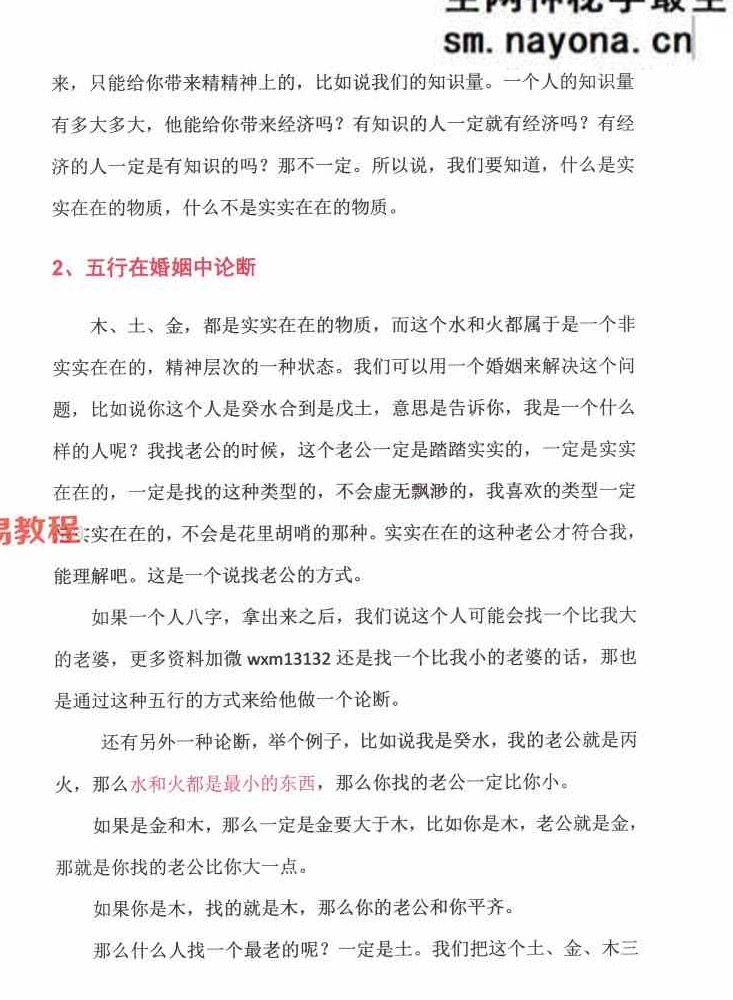
In terms of marital feelings, this book also has a lot of discussion. A man's destiny depends on his wife's wealth star, and a woman's destiny depends on her husband's official star. However, the author does not stick to traditional rules, but makes a comprehensive judgment based on the balance of the five elements and the momentum of the destiny. For example, although the wealth star is strong, if it is severely conflicted, the marriage may still be unstable. This three-dimensional analysis method is more in line with the actual situation.
Regarding the inference of health issues, the author also conducted an in-depth analysis from the perspective of the five elements. Wood governs the liver and gallbladder, fire governs the heart, earth governs the spleen and stomach, metal governs the lungs, and water governs the kidneys. When one of the five elements in your destiny is seriously out of balance, it will often be reflected on the physical level. In this way, numerology can not only predict fortune, but also help people better understand their own status.
The cases in the book also involve wealth accumulation and life transitions. The author emphasizes that wealth not only depends on the strength of wealth stars, but also is related to the overall pattern and fortune. Although some fates are inherently weak in wealth, they can still achieve wealth growth when supplemented by specific fortunes. This kind of dynamic thinking gives readers a deeper understanding of changes in fate.
The practical value of traditional culture
"Blind School Bazi (Five Elements)" is not only a numerology book, but also a continuation of traditional culture. The Five Elements thought originated from ancient Chinese philosophy, and its core is to emphasize the connection and balance between all things. Through the carrier of numerology, the Five Elements Theory continues to spread in modern society and attracts the attention of a large number of traditional culture enthusiasts.
In the context of the increasingly accelerating pace of modern life, many people have begun to pay attention to traditional culture again, hoping to find inner balance. Although numerology is mysterious, its essence is still the study of the relationship between people and the environment. Through the Five Elements Theory, the author reminds people to pay attention to the coordination between their own personality and the external environment. This idea has certain practical significance.
This book's organization of traditional arithmetic culture also reflects the inheritance value of folk wisdom. Blind numerology has been popular among the people for a long time, and its characteristic is that it pays attention to practical experience and oral teaching. Cui Wenju organized these experiences into systematic writing so that more readers can access and understand this cultural system, which is of positive significance to the study of traditional culture.
At the same time, the book emphasizes the view that "fate is determined by heaven and destiny is determined by people", and does not regard destiny as completely unchangeable. The author believes that the meaning of understanding fate is not to wait passively, but to understand one's own strengths and weaknesses in advance, so as to plan the direction of life more rationally. This positive attitude also makes numerology have certain psychological guidance value in modern society.
From a cultural perspective, "The Eight Characters of the Blind School (Five Elements)" shows the overall concept in the traditional Chinese way of thinking. The five elements are interdependent and endless, and have something in common with modern systematic thinking. By reading this book, readers can not only learn numerology knowledge, but also gain a deeper understanding of the philosophical ideas in traditional Chinese culture.
Summary:
"Blind School Bazi (Five Elements)" relies on the systematic Five Elements theory, distinctive Blind School characteristics and rich case analysis to provide a relatively complete learning framework for numerology learners. The whole book unfolds from basic theory to practical application. It is not only suitable for beginners to get started, but also can provide new ideas for readers with a certain foundation. Through a lot of practical experience, the author transforms abstract numerology knowledge into easy-to-understand content, making the traditional numerology culture more readable.
As a 165-page numerology research material, this book not only retains the core ideas of traditional numerology, but also organizes and summarizes it based on modern reading needs. Whether you are interested in the Five Elements Theory or want to have a deeper understanding of blind numerology, you can get inspiration from it. It is not only a math learning material, but also an important window to understand the wisdom of traditional Chinese culture.
Need all kinds of astrological tarot crystal magic information and professional consultation
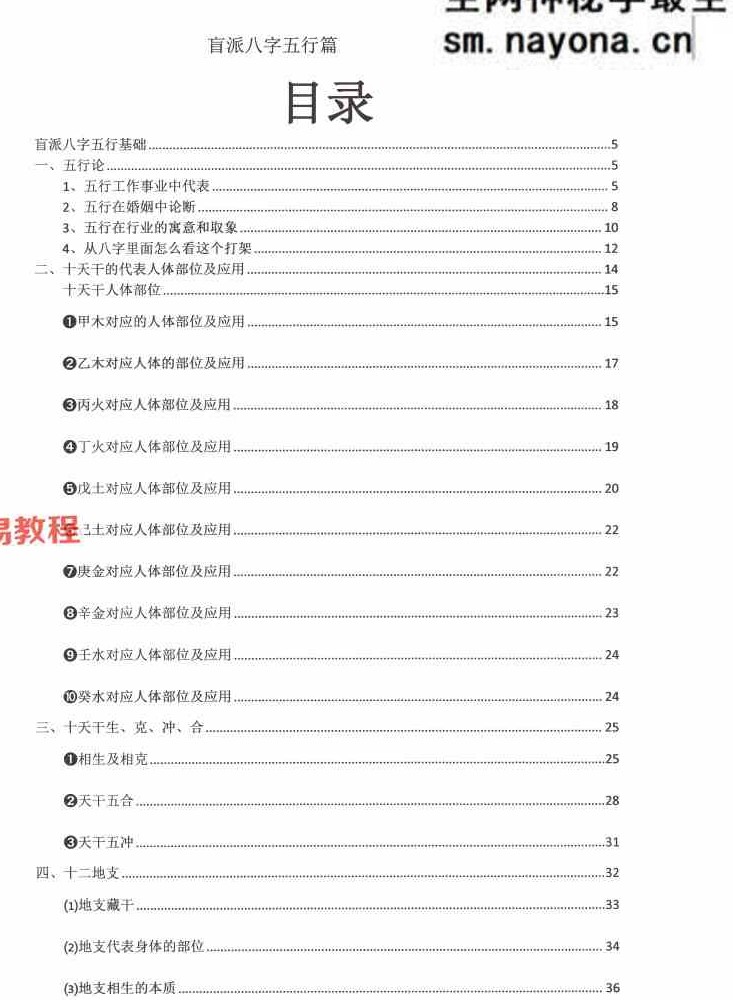
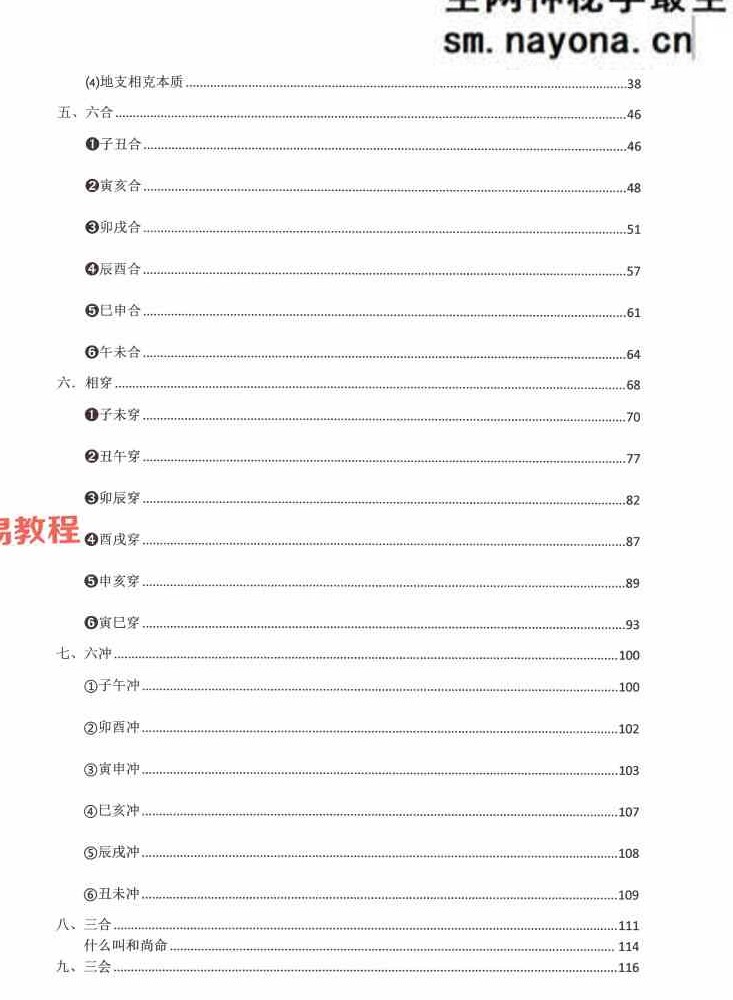
Course Material Preview
The following original reference images show the supplied course material and its organization.

Recommended Study Method
Begin with the definitions and framework, continue through the lessons in order, and keep written notes for unfamiliar terms. Compare examples with the stated method instead of relying on isolated keywords or unsupported conclusions.
Digital Product Details
- Virtual and downloadable educational product
- No physical shipment
- Course access or download details are supplied after purchase
- Suitable for personal study and reference
Important Context
This material is offered for education, cultural study and personal reflection. It does not guarantee predictions, health outcomes, financial results or other specific outcomes, and it does not replace qualified medical, legal, psychological or financial advice.
Frequently Asked Questions
Is this a physical product?
No. This is a virtual downloadable course or study resource.
Is previous experience required?
The overview identifies the intended level. Beginners should start with terminology and foundational modules before moving to advanced examples.
Are results guaranteed?
No. The material is educational and should be interpreted responsibly.
Is consultation included?
No, unless the product description explicitly states otherwise.
Continue Your Learning
Explore related courses and reports from this specialist library:
- Zhu Yu Yi Jing, Qi Men and BaZi Course Bundle: 11 Collections
- Li De Advanced BaZi Practitioner Training Collection: 162 Lessons
- Advanced BaZi Pattern, Career and Wealth Case Training Course
- Zheng Minsheng BaZi Marriage Compatibility Course: 20 Lessons
- Mu Yi Four Pillars BaZi Luck Pillars and Annual Flow Course
- Hu Yiming Feng Shui and BaZi Five Elements Course Collection
- Blind School BaZi Foundations and Ten Gods System Course: 70 Lessons
- Ten Heavenly Stems and Day Master Study Course
Reviews
There are no reviews yet.