Study BaZi Marriage Compatibility and Na Yin Study Guide through an English digital resource with curriculum notes, original material previews, FAQs and.
Course Overview
This English digital resource presents the available material as a structured learning path. It preserves verifiable curriculum details and visual references while adding clear navigation, study guidance and definitions for international learners.
What You Will Study
- Core concepts and terminology associated with this subject
- A practical sequence for reviewing the supplied lessons or reference material
- Examples, diagrams or case notes included in the source curriculum
- Responsible interpretation without guaranteed outcomes
Curriculum and Source Notes
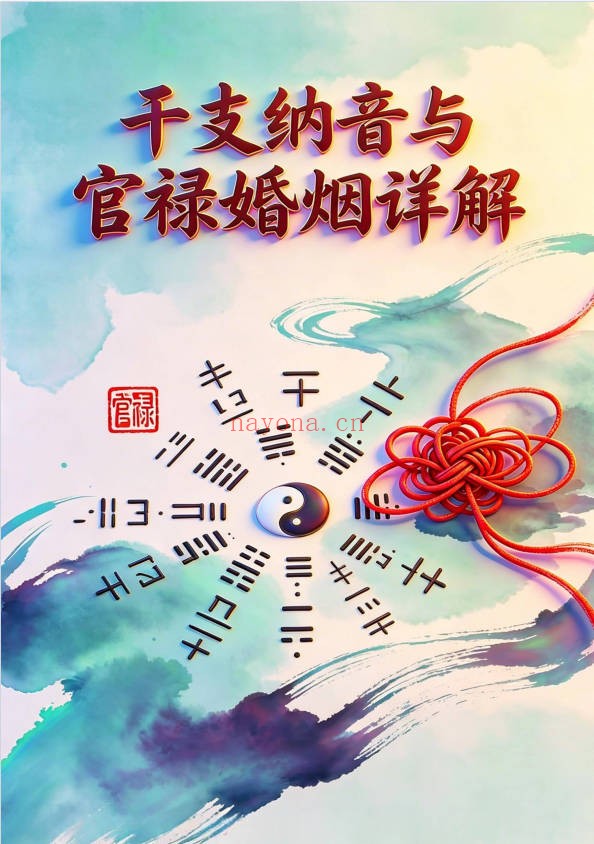
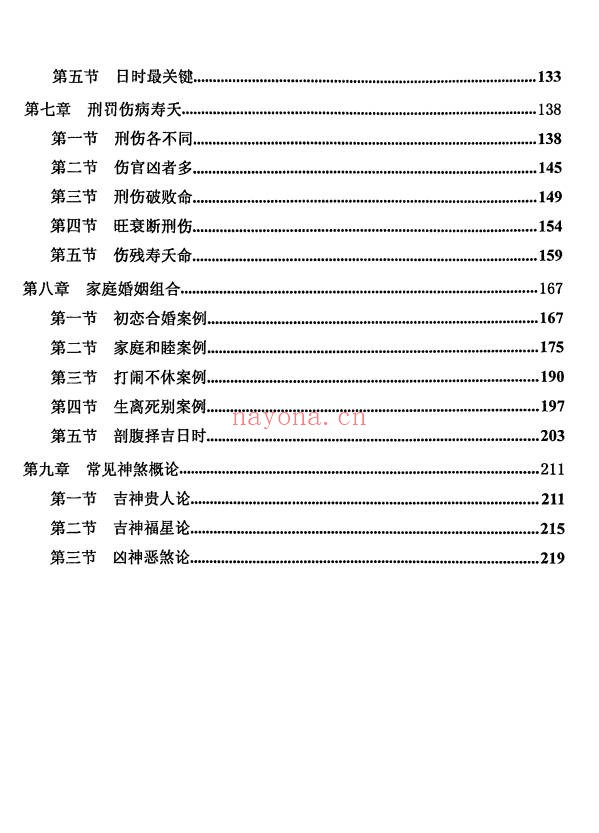
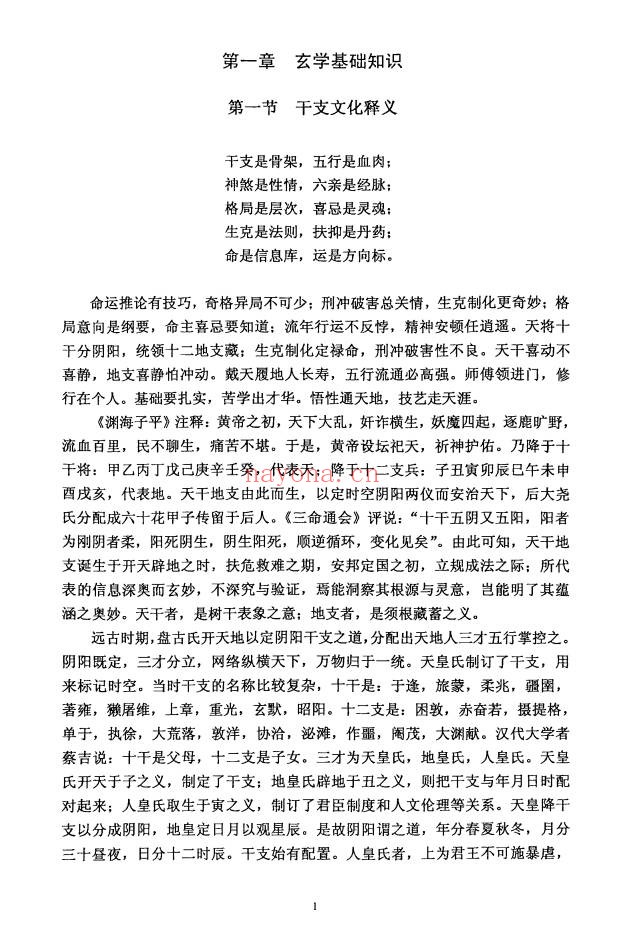
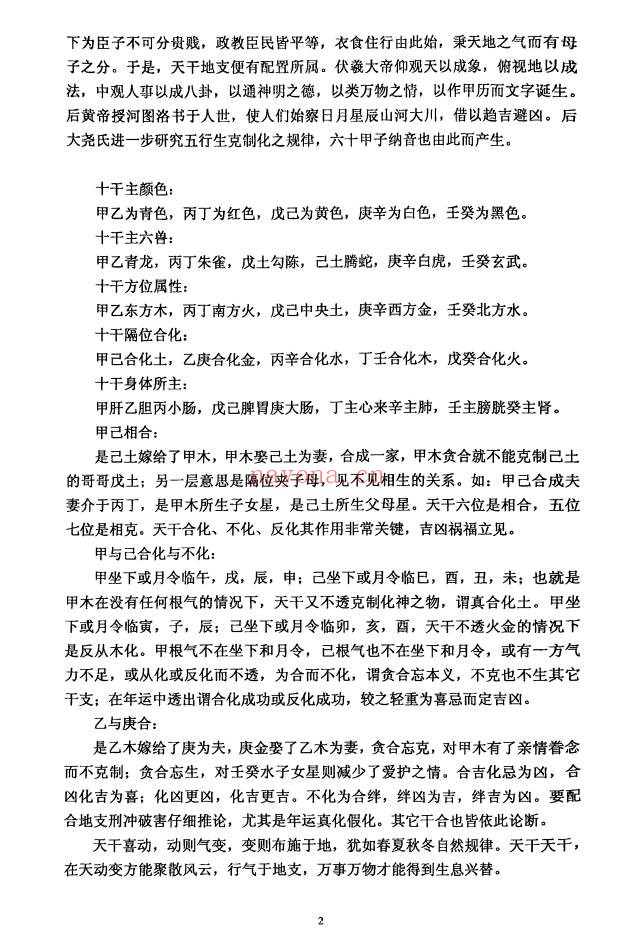
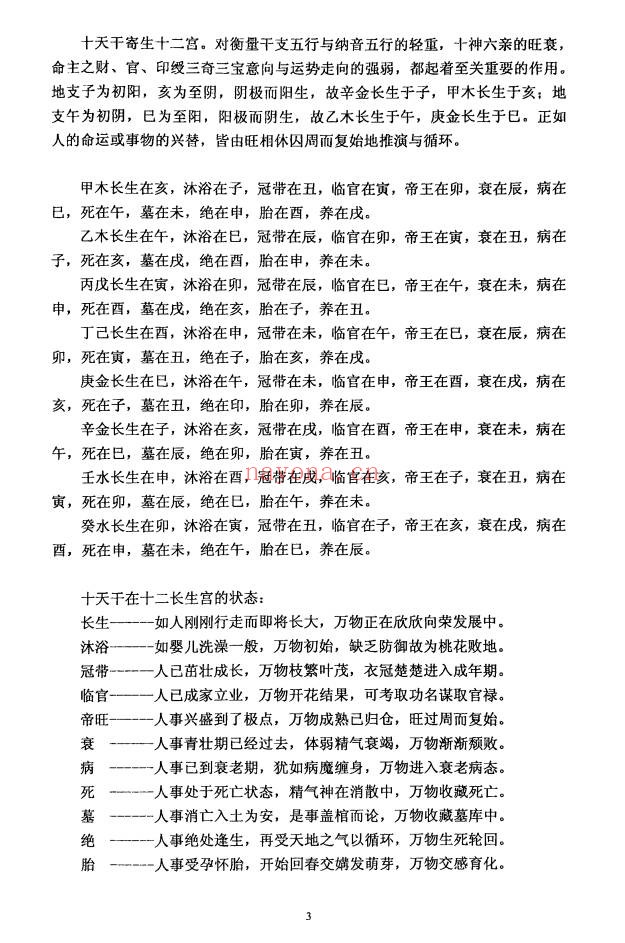
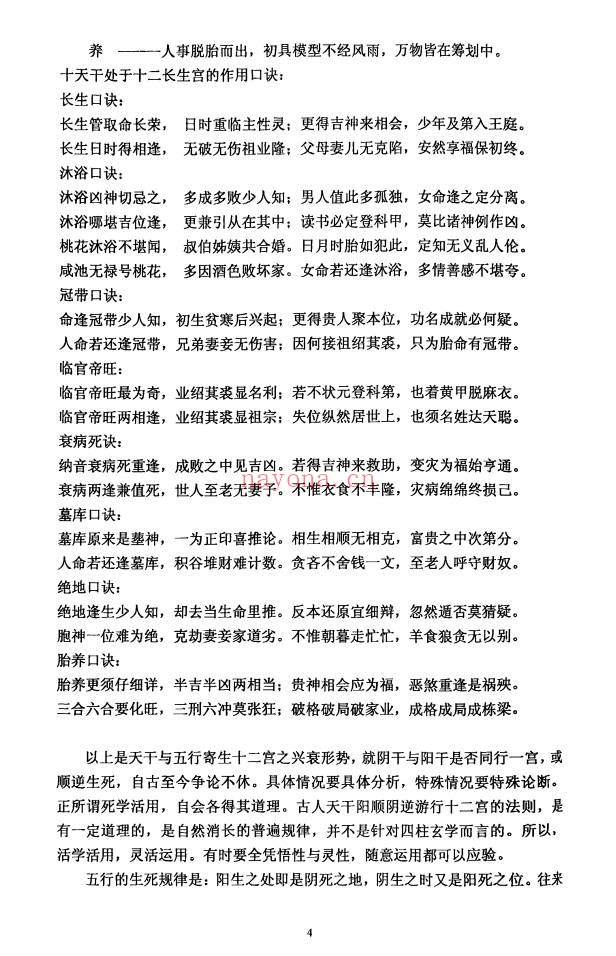
This 225-page BaZi study guide examines Heavenly Stems, Earthly Branches, Na Yin relationships, traditional marriage matching and compatibility interpretation.
Course Material Preview
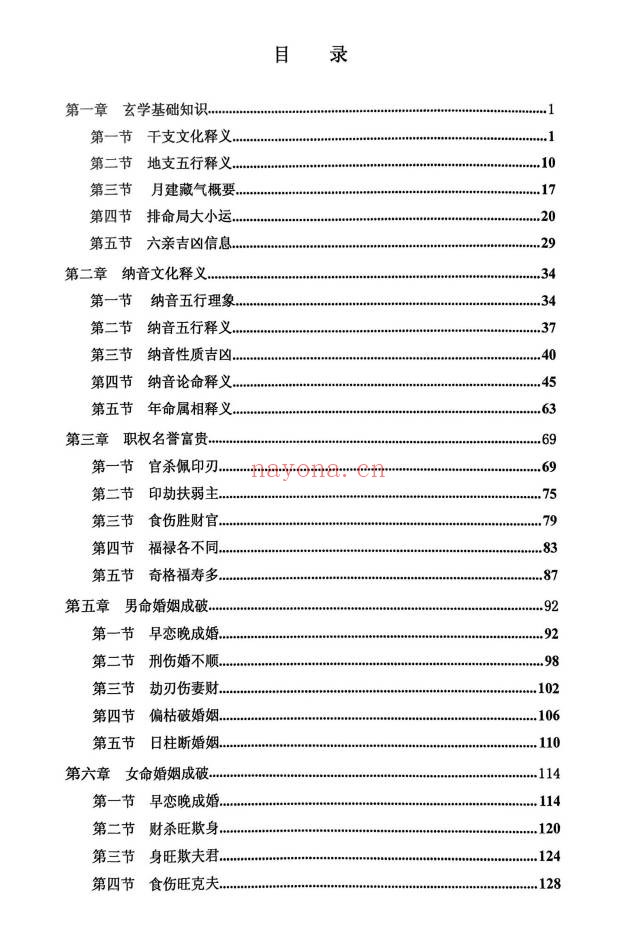
The following original reference images show the supplied course material and its organization.

Recommended Study Method
Begin with the definitions and framework, continue through the lessons in order, and keep written notes for unfamiliar terms. Compare examples with the stated method instead of relying on isolated keywords or unsupported conclusions.
Digital Product Details
- Virtual and downloadable educational product
- No physical shipment
- Course access or download details are supplied after purchase
- Suitable for personal study and reference
Important Context
This material is offered for education, cultural study and personal reflection. It does not guarantee predictions, health outcomes, financial results or other specific outcomes, and it does not replace qualified medical, legal, psychological or financial advice.
Frequently Asked Questions
Is this a physical product?
No. This is a virtual downloadable course or study resource.
Is previous experience required?
The overview identifies the intended level. Beginners should start with terminology and foundational modules before moving to advanced examples.
Are results guaranteed?
No. The material is educational and should be interpreted responsibly.
Is consultation included?
No, unless the product description explicitly states otherwise.
Continue Your Learning
Explore related courses and reports from this specialist library:
- Zhu Yu Yi Jing, Qi Men and BaZi Course Bundle: 11 Collections
- Li De Advanced BaZi Practitioner Training Collection: 162 Lessons
- Advanced BaZi Pattern, Career and Wealth Case Training Course
- Zheng Minsheng BaZi Marriage Compatibility Course: 20 Lessons
- Mu Yi Four Pillars BaZi Luck Pillars and Annual Flow Course
- Hu Yiming Feng Shui and BaZi Five Elements Course Collection
- Blind School BaZi Foundations and Ten Gods System Course: 70 Lessons
- Ten Heavenly Stems and Day Master Study Course
A written guide broader than marriage alone
The source identifies a 225-page electronic guide on stems, branches, Na Yin, official status, and marriage. Its summary names stem-branch foundations, Na Yin Five Elements, official position and reputation, male and female marriage interpretations, injury and longevity themes, marriage cases, and symbolic-star concepts. These details make the resource broader than a two-person compatibility report. The English marriage category offers a discovery route, but the source supports studying a written Four Pillars reference with several thematic areas rather than assuming a personalized analysis is included.
The supplied listing contains promotional claims about seeing life prospects and improving outcomes. Those claims are not evidence that the methods work. This companion focuses on the identifiable subject areas and a careful reading approach. It does not repeat assurances about career progress, choosing a partner, avoiding misfortune, or forecasting health. A learner can examine the guide's traditional vocabulary and reasoning while keeping its claims separate from independently established facts. That distinction is especially important when a source combines technical summaries with enthusiastic sales language.
Distinguish Na Yin from other elemental labels
Na Yin belongs to a traditional classification associated with the sixty stem-branch combinations. In a BaZi discussion, it should not be silently treated as the same kind of label as an individual stem's element or the Day Master's role. A useful first notebook page can list these categories separately: individual stem and branch notation, the Day Master reference, and a Na Yin classification when the text supplies one. Keeping their roles visible makes it easier to understand which layer a passage is actually discussing and prevents one elemental term from standing in for the entire chart.
When a passage compares classifications, copy the combination exactly before paraphrasing its meaning. Check that the term comes from the guide rather than from a remembered table in another book. If a translation varies, retain the Chinese name beside your chosen English wording. A poetic name may be memorable, but its imagery should not become a literal statement about someone's personality, marriage, or occupation. Record the association as part of the source's symbolic language and look for the conditions governing its use in the actual explanation.
Build a map from the actual contents
The listing gives a page count but does not supply a complete chapter inventory. Begin by inspecting the contents pages or headings in the file you receive, if present. Create your own index of the subjects you can locate and include references to the numbering in that copy. A page count alone does not establish how much space each topic receives or whether the electronic file's page numbers match printed numbers. Your index should help you find evidence again, rather than presenting an invented arrangement as the guide's official curriculum.
Use the source's named themes as questions for that first pass. Where are the stem-branch foundations explained? How is Na Yin introduced? Which sections concern official status and which concern marriage? Where do cases appear, and how are symbolic stars discussed? If a theme cannot be located clearly, mark it as unresolved instead of creating a chapter title. This approach lets a broad written resource become manageable. It also reveals which parts are definitions, which are thematic applications, and which rely on a reader's assumed prior knowledge.
Read career language without equating symbols with income
Terms translated as official status or reputation belong to the traditional subject vocabulary. They do not, by themselves, establish a person's job, salary, public standing, or suitability for a profession. For a passage about those themes, make separate notes for the symbolic feature and the social conclusion proposed by the author. Preserve any qualifications. This prevents a vocabulary lesson from becoming a practical recommendation unsupported by the material. It also helps a reader recognize how historical ideas about status may differ from contemporary forms of work and career development.
If a case includes an occupation, record only the occupation supplied and the interpretation attached to it. Do not add promotions, income figures, or dates to strengthen the story. If the author reasons backward from known circumstances, note that the circumstances were already given. A retrospective symbolic explanation is different from a recorded forecast made in advance. Both can be studied as forms of traditional argument, but they should not be treated as interchangeable evidence of predictive performance. Honest notes keep the difference visible for later review.
Marriage matching requires careful attribution
The source names marriage interpretation and marriage cases. When reading them, identify whether the passage concerns one chart, two charts, or a general saying. A compatibility discussion should not be made more specific by adding a partner chart that the source does not provide. Write down the actual comparison and the conditions of the interpretation. Then summarize the conclusion in attributed language. This keeps the guide's method visible and avoids suggesting that an English product category turns every marriage passage into an individual assessment for a reader.
Traditional expressions about spouses may carry gender assumptions or blame. Preserve them for textual understanding without adopting them as judgments about living people. A neutral note can say that the author associates a category with a relationship theme under certain conditions. It should not label a partner harmful or untrustworthy. Real relationships involve consent, communication, and circumstances that a symbolic classification does not establish. You can study the source's social framing critically while recognizing that its inherited categories need not define contemporary choices or personal worth.
Sensitive themes need clear boundaries
The summary also names injury and longevity. These subjects should be read as traditional thematic claims, not as medical knowledge or a basis for deciding care. If a passage contains alarming language, first identify exactly what information it cites and whether the reasoning is explained. Do not apply a general phrase personally because a familiar label appears in your notes. Cultural study can include examining difficult claims, but the examination should retain attribution and uncertainty. It should never turn a symbolic table into a diagnosis or an assurance about lifespan.
The same discipline applies to symbolic stars. Record the name, the convention used to identify it, and the interpretation given in context. Avoid collecting isolated labels and ranking a chart as fortunate or unfortunate from their presence alone. A source may qualify how a symbol is used, or place it within a broader argument. Your reading should preserve that structure. If the guide's explanation is incomplete, the gap is worth noting; it is not an invitation to combine unrelated rules and present the result as this guide's method.
A useful outcome from the 225-page guide
Choose one narrow comparison for a personal study project, such as how the guide distinguishes a Na Yin classification from another elemental reference. Collect a few actual passages, write short paraphrases with references, and identify what remains uncertain. A project like this produces something you can review and discuss. It is more informative than claiming mastery after reading a long file. It also keeps the learning goal tied to the resource's identified subject matter rather than to promotional claims about complete insight into a person's life.
The guide can serve as a cultural reference for stems, branches, Na Yin, and traditional applications to status and marriage. Its page count and subject summary are useful identification details, while its actual pages must support detailed conclusions about method. Read with consistent terminology, preserved conditions, and a clear distinction between notation and inference. These habits allow you to appreciate the material's symbolic framework without treating it as a personal consultation, a medical resource, or a guarantee about career and relationship outcomes.
Reviews
There are no reviews yet.