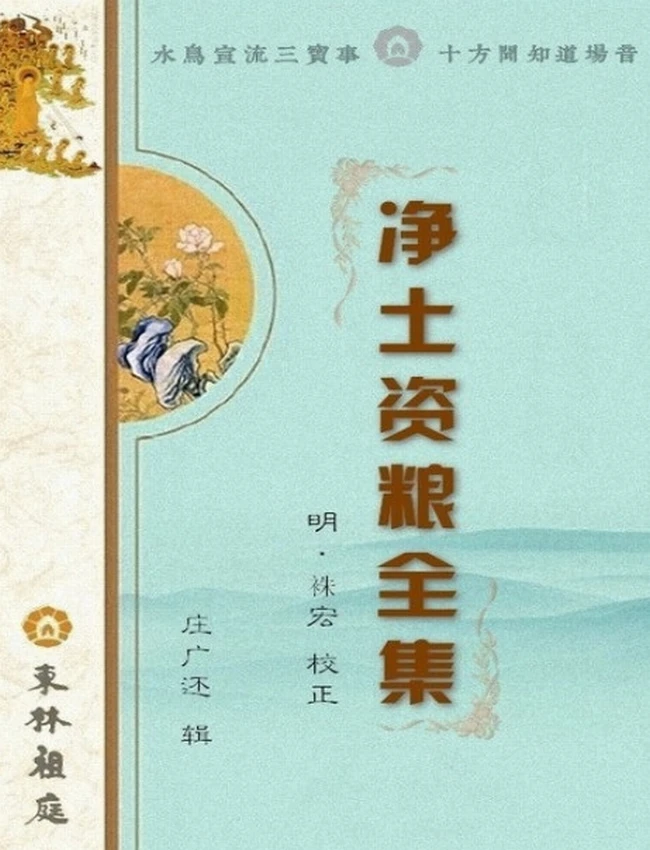
A 30-video course on Chan thought and the Platform Sutra, with a numbered lesson directory in the original listing.
Resource Overview
Guo Jicheng Chan Wisdom: 30 Video Lessons is a digital learning resource about Zen & Chan Studies. The English description summarizes the available source listing; the underlying recordings or books are in Chinese. An English translation of the full material is not confirmed.
What You Will Learn
Use the sequence and preview material below to identify the course’s scope, terminology and teaching approach. Check each topic against the original lesson rather than treating a short listing as a complete transcript.
Course Contents
- Chan thought
- Platform Sutra themes
- Thirty numbered videos
Original Course Images


Who This Resource Is For
This resource is for readers or learners who can use Chinese-language materials and want a named resource on Zen & Chan Studies. Compare the stated scope and previews before ordering; a fixed level of prior experience is not assumed unless the source directory says so.
Learning Format and Digital Delivery
30 Chinese-language videos Virtual and downloadable; there is no physical shipment. Price: USD 9.00. A file link is not yet attached to this product. Please contact Karma Kismet before ordering to confirm delivery arrangements; immediate automated access is not promised.
Frequently Asked Questions
Is the full material in English?
No English edition, recording or subtitle track is confirmed. The source material is Chinese-language.
Is a personal consultation included?
No individual consultation is listed with this resource.
Does this resource guarantee an outcome?
No. It is for educational and cultural study, not a guaranteed result or substitute for professional advice.
Editorial Note
Karma Kismet translated and organized the course facts and original previews for English readers. Lesson counts and formats follow the available source listing; unspecified contents, certificates and instructor credentials are not asserted.
Related Courses
Browse Zen & Chan Studies and read digital delivery information.
The thirty lesson directory
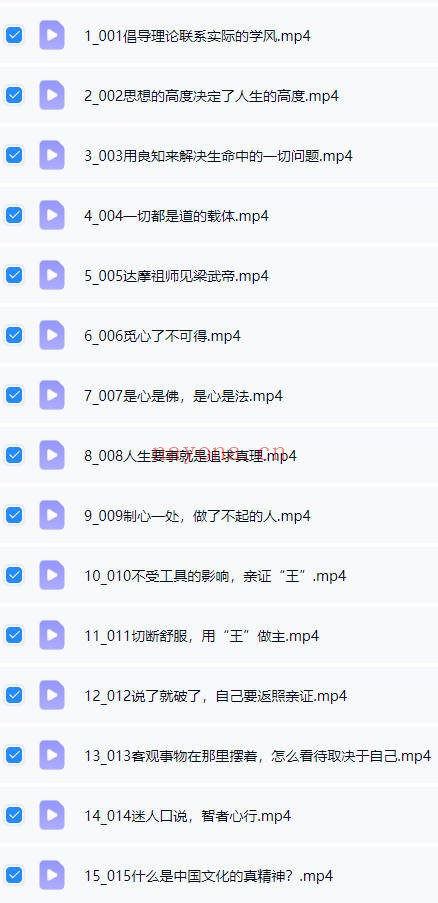
Guo Jicheng’s Chan Wisdom course is listed as thirty Chinese language video lessons, with a numbered directory. The source introduction connects the course with the Platform Sutra and frames it around wisdom for life. That introduction contains promotional claims about insight and transformation, which should not be treated as guaranteed results. The lesson names are more useful evidence of scope. They move through practical learning, conscience, encounters associated with Chan tradition, attention, self examination, conduct, and several technical Buddhist expressions.
The course’s identifiable sequence gives you a way to assess whether its emphasis fits your interests. It does not establish a complete reading of every Platform Sutra passage, a meditation retreat, or a formal religious qualification. A named scripture can provide a point of departure for a presenter’s interpretation without every lesson functioning as direct textual commentary. As you watch, distinguish quoted passages, traditional stories, modern examples, and the presenter’s own advice. The directory identifies subjects; the recordings establish how those subjects are actually handled.
The opening practical and philosophical themes
The first four titles concern connecting theory with practice, the relation between intellectual perspective and life, conscience as a way to address life’s questions, and the idea that everything can serve as a vehicle for the Way. These are source lesson themes, not verified universal propositions. The third title’s sweeping language should not be repeated as proof that conscience resolves every medical, legal, financial, or interpersonal problem. A viewer can examine what the presenter means and where the explanation applies without adopting the title as an absolute rule.
The next group includes Bodhidharma’s encounter with Emperor Wu of Liang, searching for mind and finding it unobtainable, and expressions connecting mind, Buddha, and teaching. Those headings make traditional narrative and conceptual language visible in the sequence. If a story is told in a recording, ask how it is used: to explain a term, challenge an assumption, or support a practical recommendation. Do not treat a compressed traditional story as an independently verified transcript of a historical conversation. Its role in the course’s argument can be studied without confusing narrative significance with historical evidence.
Attention, perspective, and self examination
Lessons eight through fourteen name pursuing truth, concentrating the mind, not being governed by tools, a recurring expression represented by the Chinese character for king, direct examination rather than verbal description, perspective on objective things, and the contrast between speaking and acting. The recurring king expression needs the presenter’s explanation; a title translation alone is not enough to define it. Preserve the original term in your notes rather than assigning a psychological or metaphysical meaning from guesswork.
For this group, a useful question is how the course moves from a philosophical expression to an ordinary example. Identify the reasoning instead of treating a memorable metaphor as a complete argument. If a lesson encourages direct examination, record what is actually being examined and what limits the speaker states. These are optional viewing questions, not a claim that the videos provide a particular exercise. The source does not establish individual feedback, supervised practice, or a standardized method for evaluating an experience. Observing and questioning remain valid forms of study.
Conduct and the middle sequence
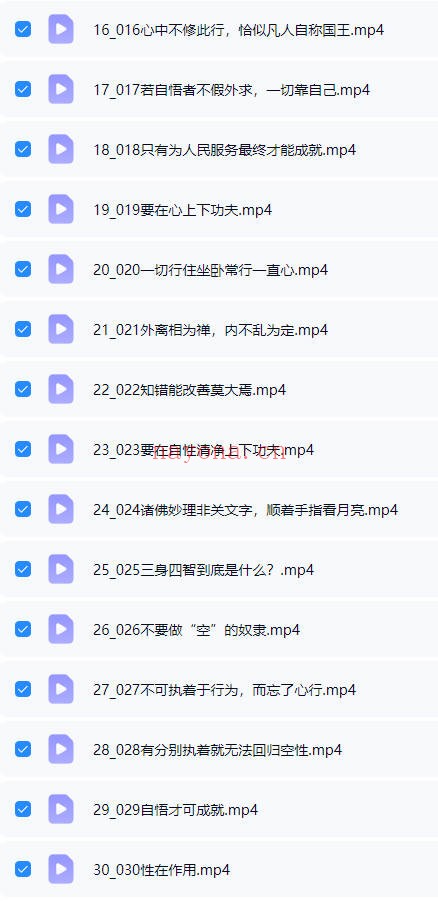
The middle titles include the spirit of Chinese culture, the difference between claimed status and cultivated conduct, self understanding without seeking everything externally, serving people, working on the mind, and an upright mind through walking, standing, sitting, and lying down. These headings show that the course extends beyond isolated scriptural definitions into ethical and cultural interpretation. The actual recordings are needed to determine the relationship among those themes. Do not infer a political, religious, or historical conclusion from one short filename.
Later middle lessons name separation from outward appearances in relation to Chan, inward non confusion in relation to concentration, correcting mistakes, and working with purity of one’s nature. Keep these terms in the context of the presenter’s explanation. A translation such as purity can sound moralizing in everyday English, while a philosophical discussion may use it differently. Ask what the speaker defines, what examples are given, and whether the claim is descriptive or prescriptive. If you apply a passage to your own conduct, identify that application as yours rather than a result promised by the course.
The final technical and interpretive topics
The final group names the metaphor of following a finger toward the moon, three bodies and four wisdoms, avoiding becoming a slave of emptiness, not clinging to behavior while forgetting the activity of mind, discrimination and attachment, self understanding, and nature in its functioning. These are specific directory topics that can help a learner locate explanations. They do not prove that the course resolves every debate about those concepts. Technical Buddhist terms should be understood through the actual lecture and, where relevant, its cited textual context.
The warning against becoming a slave of emptiness is a particularly useful reason to read beyond an isolated slogan. Ask how the presenter qualifies a concept that might otherwise be used too broadly. Similarly, a metaphor about the moon can illustrate the difference between a pointer and what it points toward, but the recording determines the intended application. A careful note records the metaphor, the explanation, and any unresolved question separately. This protects the teaching from being reduced to a phrase that sounds profound while losing the distinction it was meant to convey.
Building a course specific notebook
Use the thirty numbered titles as an index and add a short summary after each viewing. Keep the original filename so you can return to a passage. For recurring expressions, note how the explanation develops across lessons rather than treating the first mention as a final definition. If you consult the Platform Sutra separately, identify the edition and passage before comparing it with a lecture. The listing does not confirm a supplied scripture edition, workbook, or English transcript. Your comparisons are independent study, and should be labeled accordingly.
Choose this resource if its combination of Chan related language, Platform Sutra context, and practical ethical interpretation interests you and the Chinese language videos are accessible to you. Confirm the files and digital delivery before ordering. Thirty lessons do not establish live access to Guo Jicheng, certification, a retreat, or guaranteed personal transformation. The numbered directory offers a concrete basis for selection; the actual arguments and explanations provide the basis for evaluating the course. A thoughtful viewer can remain interested, question broad claims, and preserve the difference between tradition, interpretation, and observable facts.