A collection of 21 video talks on Buddhist sitting meditation. The source identifies the practice theme but does not provide a fully verified English transcript.
Resource Overview
Buddhist Sitting Meditation Talks: 21 Videos is a digital learning resource about Buddhist Meditation. The English description summarizes the available source listing; the underlying recordings or books are in Chinese. An English translation of the full material is not confirmed.
What You Will Learn
Use the sequence and preview material below to identify the course’s scope, terminology and teaching approach. Check each topic against the original lesson rather than treating a short listing as a complete transcript.
Course Contents
- Buddhist sitting practice
- Talk-based learning format
- Cultural and practice context
Original Course Images
Who This Resource Is For
This resource is for readers or learners who can use Chinese-language materials and want a named resource on Buddhist Meditation. Compare the stated scope and previews before ordering; a fixed level of prior experience is not assumed unless the source directory says so.
Learning Format and Digital Delivery
21 Chinese-language videos Virtual and downloadable; there is no physical shipment. Price: USD 9.00. A file link is not yet attached to this product. Please contact Karma Kismet before ordering to confirm delivery arrangements; immediate automated access is not promised.
Frequently Asked Questions
Is the full material in English?
No English edition, recording or subtitle track is confirmed. The source material is Chinese-language.
Is a personal consultation included?
No individual consultation is listed with this resource.
Does this resource guarantee an outcome?
No. It is for educational and cultural study, not a guaranteed result or substitute for professional advice.
Editorial Note
Karma Kismet translated and organized the course facts and original previews for English readers. Lesson counts and formats follow the available source listing; unspecified contents, certificates and instructor credentials are not asserted.
Related Courses
- Shizhao Heart Sutra Commentary: 116 Videos
- Zhang Xianjun Heart Sutra Video Course: 85 Lessons
- Qingyun Tiangang Meditation: 21 Videos
- On Mahayana Buddhist Thought: Digital Book
- Studies in Mahayana Buddhism: Academic Collection 99
- Wings of Awakening: Theravada Texts in Translation
- History of Theravada Buddhism: Digital Book
- Geng Kan Twenty Verses on Consciousness-Only: 110 Videos
- Zhang Xiang Consciousness-Only Studies: 38 Videos
- Tang Yongtong Buddhist History of the Sui and Tang: Volume Two
- History of Chinese Buddhism: Republican-Era Series
- Pure Land Study Resources: Digital Collection
- Lotus Pure Land: The Buddhist Other Shore
Browse Buddhist Meditation and read digital delivery information.
The composition of this video collection
The source identifies twenty one Buddhist sitting meditation videos. Its file list contains seventeen numbered recordings and four separately named recordings. This is more specific than a generic description of twenty one sequential lessons. The numbers alone do not establish a complete topic directory, while the named files provide identifiable subjects and attributed speakers for part of the collection. Read the resource as a group of talks and related recordings whose internal relationship needs to be examined, rather than assuming it is a single newly designed course with one uniform presenter or a fixed learning schedule.
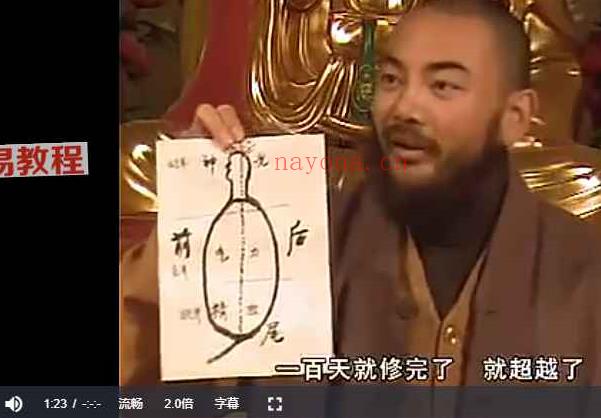
The source introduction names both Chan related sitting practice and Tibetan themed three channel and seven chakra practice. These are traditional or spiritual frameworks used to describe the collection’s subjects. Their inclusion does not establish a biomedical account of the body, a verified lineage, or individual authorization to undertake advanced practice. The listing’s praise of the material as high level is promotional framing rather than an assessment of suitability for a particular viewer. What matters for study is the explanation actually given in each recording and the context in which it is offered.
The four named recordings
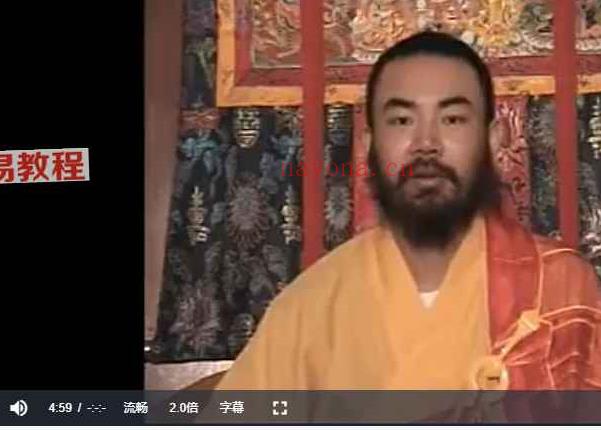
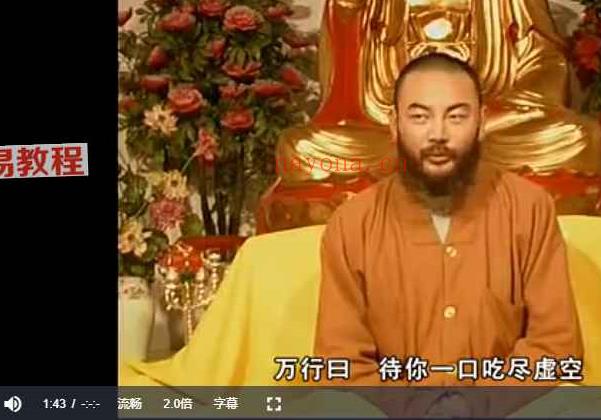
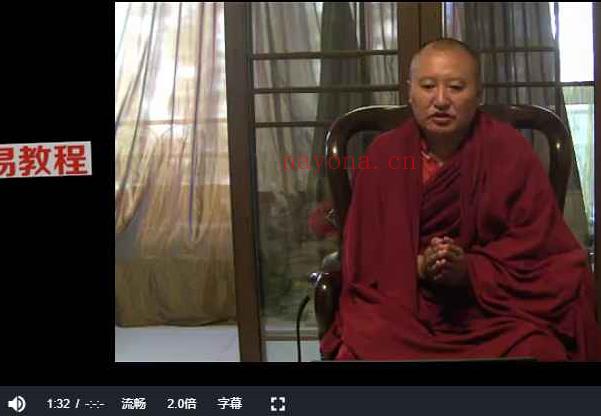
One file is titled as a talk by Wanxing about how to sit in meditation. Another names the four dhyanas and eight concentrations. A third is attributed to Wanxing and names the small heavenly circuit and central channel, while the fourth names a Wanxing related record of a Padmasambhava method involving movement. These English labels summarize the filenames, not the complete teaching in each video. The source does not establish that the four named recordings form an ordered unit or that their terminology is explained in the same way as the numbered talks.
If you are interested in a particular named subject, locate that file and listen to its introduction before deciding what it offers. A title about sitting may include explanation, discussion, or demonstration; a title about concentrations may be conceptual rather than a guided exercise. The exact format should be observed. A source filename that includes a quality label also does not verify the technical quality of the delivered copy. Keep source identification and actual playback assessment separate, especially if visual detail or synchronized sound is important for understanding the talk.
Making sense of the numbered files
The seventeen numbered files have no descriptive lesson titles in the supplied directory. This means an English product page cannot accurately assign them subjects without viewing them. A sensible first task is to create your own viewing index. Record the number, the speaker if identified in the recording, the stated subject, and one question it raises. Keep the original numbering so your notes remain connected to the files. Do not rename a recording after a tentative interpretation that could change when you understand the following talk.
The source list is displayed in a filename order that places ten after one and two later in the list. That display order is not a reliable teaching sequence. If studying the numbered recordings, check their actual numbering and any introduction that explains their relationship. A collection can include talks from different occasions, and the listing does not settle that question. Watching a few openings may help you determine whether the files form a continuing discussion. Until then, leave the sequence open rather than inventing a curriculum from the directory’s visual arrangement.
Comparing Chan and Tibetan themed language
The introduction’s two practice references are a useful reason to keep terminology in context. A word translated as meditation may refer to different aims, methods, or explanatory frameworks in different recordings. Three channel and chakra language should be understood as terminology within the relevant tradition, not automatically equated with nerves, blood vessels, or a scientifically verified energy system. Similarly, a Chan related discussion should not be assumed to teach every method commonly associated with sitting. Listen for the speaker’s own explanation of purpose and prerequisites.
A comparison notebook could record how a talk describes attention, the body, effort, and the role of guidance. These are suggested questions for viewing, not confirmed chapter subjects. If two recordings use different terms, first ask whether they are discussing the same activity. Apparent disagreement can arise from differing aims, and apparent agreement can conceal important distinctions. Avoid blending techniques merely because they appear in one collection. The fact that files are sold together does not establish that every practice should be combined or that a beginner can safely reproduce all of them without guidance.
Observation before participation
Watching a meditation talk is a valid way to study it. You can attend to the explanation without adopting an unfamiliar posture, breathing method, or visualization. If a recording discusses advanced attainment, a spiritual body map, or movement, do not infer personal readiness from the title. The listing cannot observe your response or determine suitability. Comfortable, voluntary participation matters, and there is no obligation to persist through pain or distress. A general talk about meditation is different from individualized instruction that takes account of a person’s circumstances.
For notes, separate what the speaker instructs, what you observe, and what you personally experience. A description of calm is not a promise that every viewer will feel calm. A discussion of attainment is not a basis for declaring that you have reached a particular state. Spiritual terms may have technical meanings that are not apparent from everyday language. If a claim is unclear, mark it for further inquiry rather than using a strong interpretation to fill the gap. This preserves both respect for the material and accuracy about your own understanding.
Working with the language and talk format
The videos are Chinese language, and a verified English transcript is not provided. The talk format therefore requires listening comprehension as well as interest in the subject. If you use English notes, preserve repeated Chinese terms and record their explanations in context. A title translation is an orientation aid, not a substitute for the spoken teaching. Pausing and replaying can help with terminology, but the recordings do not establish direct access to a speaker for clarification. Any further guidance would be a separate arrangement rather than an included service.
At the end of a viewing session, write a short summary of the question the talk addresses and the limits it states. If no limits are stated, note that too. This is more useful than assuming a recording answers every question about sitting practice. Readers comparing this collection with a structured beginner course should notice the mixture of numbered talks and named subjects. Confirm the actual files and digital delivery before ordering. No physical equipment, certificate, live class, or supervised practice is established by the twenty one video listing. Choose it for the identified talk themes and evaluate the rest through the recordings themselves.