A 21-video Tiangang meditation course attributed to Qingyun. The named practice is a modern teaching resource, not a substitute for medical or mental-health care.
Resource Overview
Qingyun Tiangang Meditation: 21 Videos is a digital learning resource about Buddhist Meditation. The English description summarizes the available source listing; the underlying recordings or books are in Chinese. An English translation of the full material is not confirmed.
What You Will Learn
Use the sequence and preview material below to identify the course’s scope, terminology and teaching approach. Check each topic against the original lesson rather than treating a short listing as a complete transcript.
Course Contents
- Meditation practice theme
- First-cohort sequence
- Practice limitations
Original Course Images

Who This Resource Is For
This resource is for readers or learners who can use Chinese-language materials and want a named resource on Buddhist Meditation. Compare the stated scope and previews before ordering; a fixed level of prior experience is not assumed unless the source directory says so.
Learning Format and Digital Delivery
21 Chinese-language videos Virtual and downloadable; there is no physical shipment. Price: USD 9.00. A file link is not yet attached to this product. Please contact Karma Kismet before ordering to confirm delivery arrangements; immediate automated access is not promised.
Frequently Asked Questions
Is the full material in English?
No English edition, recording or subtitle track is confirmed. The source material is Chinese-language.
Is a personal consultation included?
No individual consultation is listed with this resource.
Does this resource guarantee an outcome?
No. It is for educational and cultural study, not a guaranteed result or substitute for professional advice.
Editorial Note
Karma Kismet translated and organized the course facts and original previews for English readers. Lesson counts and formats follow the available source listing; unspecified contents, certificates and instructor credentials are not asserted.
Related Courses
- Shizhao Heart Sutra Commentary: 116 Videos
- Zhang Xianjun Heart Sutra Video Course: 85 Lessons
- Buddhist Sitting Meditation Talks: 21 Videos
- On Mahayana Buddhist Thought: Digital Book
- Studies in Mahayana Buddhism: Academic Collection 99
- Wings of Awakening: Theravada Texts in Translation
- History of Theravada Buddhism: Digital Book
- Geng Kan Twenty Verses on Consciousness-Only: 110 Videos
- Zhang Xiang Consciousness-Only Studies: 38 Videos
- Tang Yongtong Buddhist History of the Sui and Tang: Volume Two
- History of Chinese Buddhism: Republican-Era Series
- Pure Land Study Resources: Digital Collection
- Lotus Pure Land: The Buddhist Other Shore
Browse Buddhist Meditation and read digital delivery information.
What the Tiangang meditation listing actually names
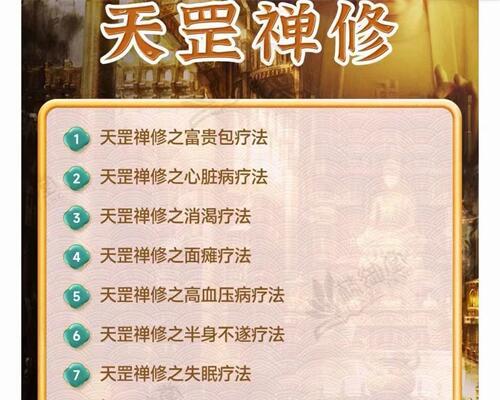
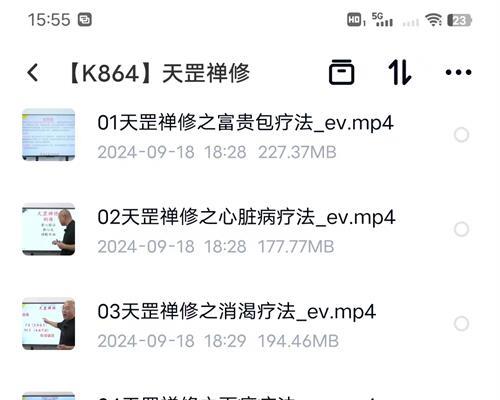
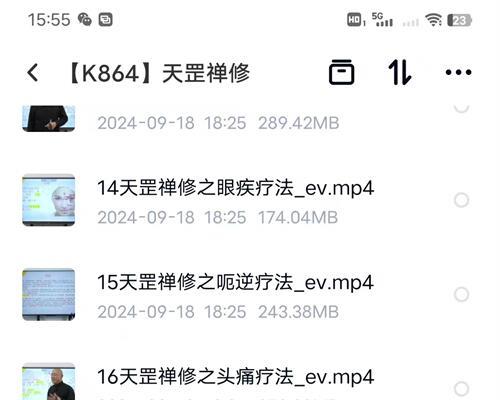
The source identifies Qingyun’s first cohort Tiangang meditation course as twenty one videos. Its directory is important because it is organized around health related labels rather than a verified sequence of general meditation foundations. The files use therapy language and name conditions or complaints. This English description records that structure as a feature of the source, without endorsing the idea that the recordings treat those conditions. A generic account of breath awareness or personal growth would not accurately describe what the actual directory emphasizes.
The course name and cohort label help identify this modern teaching resource. They do not establish a historical lineage, clinical qualification, supervised training arrangement, or relationship to a particular Buddhist community. The category in which a resource appears is also not evidence for those claims. Read the material as a specific named collection that uses meditation terminology, then examine the instructions and explanations in the recordings. The available source does not supply evidence of safety or effectiveness for the medical applications named in the filenames.
The health themed directory
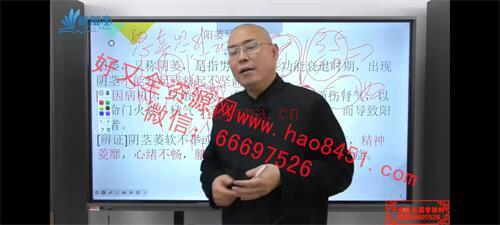
The opening titles refer to a neck or upper back hump, heart disease, a traditional thirst disorder term, facial paralysis, and high blood pressure. Other entries name paralysis affecting one side of the body, insomnia, menstrual pain, a breast related condition, absence of menstruation, and constipation. These are directory subjects, not conditions that the product is confirmed to diagnose or resolve. The traditional thirst term in particular should not be silently converted into a modern diagnosis. Translation can identify the wording without making a medical equivalence that the listing does not establish.
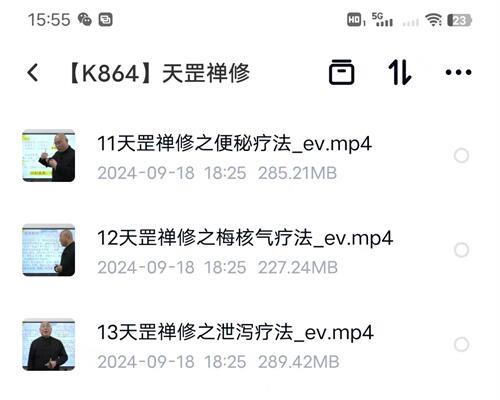
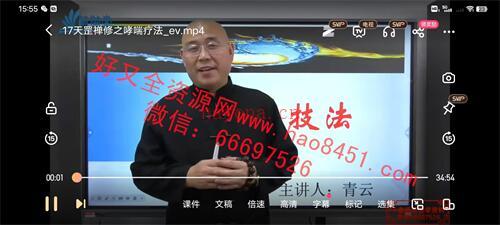
Later files refer to a throat sensation described by a traditional term, diarrhea, eye disorders, hiccups, headache, asthma, stroke, sexual function concerns, menopause related symptoms, and a self selected illness topic. Their presence explains the collection’s health oriented framing. It does not provide instructions sufficient for deciding whether to attempt a technique. Some named conditions can require urgent or ongoing medical care. Viewing a recording about them should never be used as a reason to delay assessment, discontinue prescribed care, or interpret a serious symptom solely through a meditation framework.
The final self selected illness label deserves special care. It is a title in the directory, not evidence that the method applies to any condition a viewer chooses. A broad heading cannot establish indications, contraindications, or individual suitability. Nor does the number of condition themed videos establish a comprehensive medical system. When reading the source, retain the difference between an instructor’s proposed application and independent evidence supporting that application. That distinction is necessary for understanding this specific collection accurately, rather than treating promotional wording as a clinical conclusion.
Studying claims without adopting treatment promises
If your interest is cultural or critical study, you can examine how the recordings connect meditation terminology with health language. Note the exact claim, the explanation offered for it, and the kind of evidence the speaker presents. An anecdote, a personal testimony, a traditional account, and a controlled clinical finding are different kinds of material. The directory by itself contains none of the information required to evaluate those distinctions fully. This is a suggested way to analyze the resource, not an assertion that it supplies scientific studies or documented patient outcomes.
Avoid upgrading a weak statement while translating or summarizing. A source may say that a technique is intended for a complaint, while a casual English paraphrase makes it sound proven to work. Keep the strength of the wording visible. If a speaker makes a strong treatment claim, record it as the speaker’s claim and do not repeat it as an established fact. A critical notebook can preserve the original language and your question about its support. This allows the course to be studied without turning its filenames into advice for readers with those conditions.
Meditation terminology and context
Tiangang is the practice name in this listing. The source does not provide enough verified detail to define a complete theory, identify its origin, or explain how it relates to every other practice bearing a similar name. Likewise, a generic source summary about common meditation techniques should not be used to invent the content of individual videos. Determine from the actual recording whether a lesson uses posture, breathing, visualization, movement, spoken guidance, or another activity. Until then, leave the method unspecified rather than assuming that familiar meditation instructions are included.
The same care applies to the word cohort. First cohort identifies the source’s version or teaching group, but it does not promise membership in a live class today. A recording made for earlier participants may contain references to their circumstances or questions. Those references cannot be assumed to apply to a new viewer. The twenty one video count also does not establish twenty one days, equal lesson lengths, homework, or an assessment. Accurate expectations begin with the format and the directory, while the recording provides the details of presentation.
A cautious viewing notebook
For each file you study, write the original filename, the health themed subject it names, and a neutral summary of what you actually observe. Separate demonstrated actions from explanations about why they are supposed to work. Add a column for information that is missing, such as individual screening, alternative explanations, or the limits the speaker states. This is useful for critical reading because omissions can matter as much as confident assertions. The notebook is an independent study aid, not a supplied clinical record or an official evaluation form.
If you choose to observe rather than participate, that remains a valid form of study. You do not need to reproduce an unfamiliar exercise to understand its presentation. If a recording involves breath retention, pressure, unusual posture, or another activity that causes concern, avoid guessing about suitability from the title. No particular technique is confirmed here, and the listing cannot assess your health. Any persistent symptom or diagnosed condition requires information appropriate to that situation. A meditation video does not have access to the examination, history, or monitoring needed for personal clinical decisions.
Personal experience and evidence
A viewer may find a recording interesting, calming, confusing, or unhelpful. Those responses can be recorded without claiming that they establish treatment efficacy. Feeling calmer during viewing is different from demonstrating that a disease has changed. Conversely, discomfort is not evidence that a healing process is underway. Do not allow a spiritual explanation to override an unwelcome physical or emotional response. The course’s health themed titles do not create an obligation to persist, and the listing does not establish personal support if a practice raises concerns.
If discussing the material with someone who has a named condition, avoid presenting the relevant filename as a recommendation or a promise. A more accurate statement is that the collection includes a video whose source title refers to that subject, while its effectiveness is not established here. Respect the person’s choices and privacy. No clinical consultation or treatment service is included by the listing. The resource can be examined as a contemporary health framed meditation collection without becoming a basis for advising others to change their care.
Assessing whether the collection fits your purpose
Readers seeking a straightforward introduction to general sitting meditation should notice that this directory is condition oriented and may not match that expectation. Readers interested in critically examining modern Tiangang teaching claims may find the specificity of the titles useful for identifying the collection. In either case, confirm the Chinese language files and digital delivery before ordering. No English translation, professional qualification, or supervised access is confirmed. Choose based on the subjects actually listed and the limits clearly stated, while keeping medical decisions separate from the collection’s spiritual and promotional framing.


