A 24-volume 2016 Chinese classics reference series from China Textile Publishing House. Its listed titles span historical writing, philosophical works and literary texts; the source notes that scan quality is moderate.
Resource Overview
Chinese Classics Complete Appreciation: 24-Volume Series is a digital learning resource about Chinese Classics. The English description summarizes the available source listing; the underlying recordings or books are in Chinese. An English translation of the full material is not confirmed.
What You Will Learn
Use the sequence and preview material below to identify the course’s scope, terminology and teaching approach. Compare each card interpretation with the original lesson rather than treating a short listing as a complete transcript.
Course Contents
- Named classical historical works
- Philosophical and literary titles in the 24-volume list
- Comparing editions and annotations
- Digital PDF format and source-reported scan quality
Original Course Images


Who This Resource Is For
This resource is for readers or learners who can use Chinese-language materials and want a named resource on Chinese Classics. Compare the stated scope and previews before ordering; a fixed level of prior experience is not assumed unless the source directory says so.
Learning Format and Digital Delivery
24 Chinese-language PDF volumes according to the source listing Virtual and downloadable; there is no physical shipment. Price: USD 9.00. A file link is not yet attached to this product. Please contact Karma Kismet before ordering to confirm delivery arrangements; immediate automated access is not promised.
Frequently Asked Questions
Is the full material in English?
No English edition, recording or subtitle track is confirmed. The source material is Chinese-language.
Is a personal consultation included?
No individual consultation is listed with this resource.
Does this resource guarantee an outcome?
No. It is for educational and cultural study, not a guaranteed result or substitute for professional advice.
Editorial Note
Karma Kismet translated and organized the course facts and original previews for English readers. Lesson counts and formats follow the available source listing; unspecified contents, certificates and instructor credentials are not asserted.
Related Courses
Browse Chinese Classics and read digital delivery information.
A twenty four volume reference collection
The source describes this Chinese classics appreciation series as twenty four PDF volumes published by China Textile Publishing House in 2016. It explicitly notes that clarity is ordinary or moderate. That is a source reported quality limitation, not a verified assessment of every page in the delivered files. It is relevant if you need to read small annotations or work for long periods on a screen. Confirm sample readability and the actual inventory before choosing the set for a purpose that depends on clear scanning or a particular edition.
The list spans historical writing, philosophy, literary criticism, poetry, anecdotes, and fiction. Complete Appreciation is the series label, not proof that every underlying classical work is reproduced without selection or that every interpretation is exhaustive. Exact coverage should be checked in each volume’s contents and introduction. The source establishes twenty four named PDFs, while the resource’s internal editorial approach remains something to examine. It does not establish a video course, an English translation, or the entire contents of any other classics series.
Historical works and governance subjects
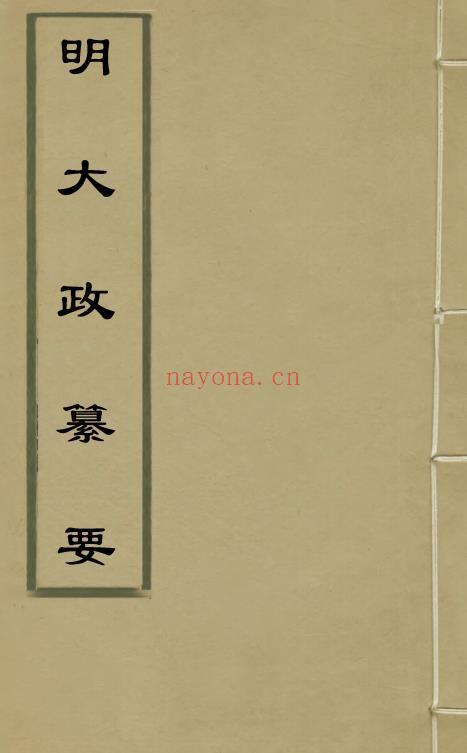
The inventory names Records of the Three Kingdoms, Records of the Grand Historian in a second edition, the Book of Han, Zuo Tradition, and Essentials of Government from the Zhenguan Period. It also includes a selection associated with the Essentials of Governance compilation. These titles provide a historical and governance related cluster within the collection. They should not be treated as one continuous narrative or a single manual for present day institutions. Each work has its own form, scope, and editorial treatment in this series.
When reading a historical volume, identify whether the edition presents a biography, an event narrative, commentary, or an excerpt before drawing a conclusion. Preserve the source work’s context and the appreciation volume’s explanation separately. An account of a ruler or official may be used to illustrate a judgment, but the modern editor’s interpretation is not automatically the ancient author’s wording. If you want to compare two histories, choose an identifiable event or person and check the actual passages. The source title list supports the possibility of comparison, not a supplied comparative course.
Philosophical and instructional titles
The list includes Mozi, Xunzi, Han Feizi, Huainanzi, Guanzi, Master Lu’s Spring and Autumn Annals, and Sayings of the Confucian School. It also includes a volume of elementary learning classics and Liao Fan’s Four Lessons. These are verified titles, but their presence does not establish one consistent philosophical stance. Before comparing them, determine which question a passage asks and what assumptions it makes. A reader can study disagreement among works without forcing the collection to offer a single answer about human nature, government, conduct, or learning.
For an instructional passage, ask whom it addresses and how the appreciation edition explains its historical setting. A text written for a particular audience may not translate directly into a rule for every reader today. If you find a suggestion useful, label your application as your own. The title Liao Fan’s Four Lessons should not be read as a guarantee that the volume changes fate or produces particular outcomes. A philosophical or religious claim can be examined as a claim within a tradition while practical decisions remain connected to their own facts and responsibilities.
Literary works and appreciation
The inventory names Songs of Chu, Yuan verse, Nalan’s lyrics, Remarks on Lyrics in the Human World, Suiyuan Remarks on Poetry, Dream Shadows, A New Account of Tales of the World, Liaozhai stories, and Rongzhai notes. This is a substantial literary cluster, with different forms of writing represented. A lyric, a literary judgment, a short story, and a miscellany reward different kinds of attention. The appreciation label may suggest explanatory reading, but the actual volumes are needed to determine the amount and form of annotation.
For poetry or lyrics, read the wording before the interpretation and notice which features the editor emphasizes. If a note supplies an allusion, return to the line to see how that information changes your reading. For a story, distinguish narrative voice from an explicit editorial conclusion. For literary criticism, examine the criteria being used rather than treating a judgment as a universal ranking. These are optional methods suited to the named titles, not a claim about exercises included in the set. They preserve the literary differences that a broad classics category can otherwise obscure.
Reading with the reported scan limitation
Because the source reports moderate clarity, begin with a sample that includes ordinary text and any small notes. Check whether you can read comfortably at your usual screen size. Enlarging a scan can make characters bigger without restoring missing detail. A file’s PDF format also does not guarantee a searchable text layer or reliable copying of Chinese characters. The source does not establish those technical features. If a passage is unclear, mark it as unreadable rather than reconstructing it from a similarly titled work and attributing the reconstruction to this edition.
For research notes, preserve printed page numbers and file page numbers when they differ. This is useful if scans include title pages or blank leaves that shift pagination. If an automated search returns a word, confirm it visually in context before quoting. These practical habits keep a scan based reading project accurate. They do not imply that every file is poor or unusable; they respond to a specific limitation reported in the listing. The delivered files need their own assessment, especially if you require exact quotation or detailed annotation work.
Choosing a path through the set
Group the actual volumes by the question you want to study rather than treating the inventory order as a syllabus. A historical interest could begin with a named history; a literary interest could begin with poetry or fiction; a philosophical interest could begin with one argument oriented work. After reading a section, record what the edition explains and what you still need to investigate. Selective reading is reasonable, provided it remains clear which volumes and passages support your conclusions. The twenty four volume scale is an identification fact, not a measure of understanding.
If comparing this series with the twenty volume annotated series, check title overlap and editorial differences in actual files. A shared underlying classic does not establish identical contents or notes. The publishers and publication years differ, and the series aims may differ as well. Do not merge details from one collection into the other. No physical shipment, English translation, live instruction, or certificate is implied by this virtual listing. Choose the 2016 PDF set for the named titles and confirmed readability that fit your purpose, then let each volume’s contents and explanations guide your study.