A video course listed as a grimoire study resource. The listing does not substantiate supernatural effects or the historical authenticity of every text.
Resource Overview
Historical Grimoire Studies Video Course is a digital learning resource about Grimoires & Historical Texts. The English description summarizes the available source listing; the underlying recordings or books are in Chinese. An English translation of the full material is not confirmed.
What You Will Learn
Use the sequence and preview material below to identify the course’s scope, terminology and teaching approach. Check each topic against the original lesson rather than treating a short listing as a complete transcript.
Course Contents
- Grimoire study
- Textual tradition
- Authenticity limitations
Original Course Images


Who This Resource Is For
This resource is for readers or learners who can use Chinese-language materials and want a named resource on Grimoires & Historical Texts. Compare the stated scope and previews before ordering; a fixed level of prior experience is not assumed unless the source directory says so.
Learning Format and Digital Delivery
Chinese-language video course; lesson count not confirmed Virtual and downloadable; there is no physical shipment. Price: USD 9.00. A file link is not yet attached to this product. Please contact Karma Kismet before ordering to confirm delivery arrangements; immediate automated access is not promised.
Frequently Asked Questions
Is the full material in English?
No English edition, recording or subtitle track is confirmed. The source material is Chinese-language.
Is a personal consultation included?
No individual consultation is listed with this resource.
Does this resource guarantee an outcome?
No. It is for educational and cultural study, not a guaranteed result or substitute for professional advice.
Editorial Note
Karma Kismet translated and organized the course facts and original previews for English readers. Lesson counts and formats follow the available source listing; unspecified contents, certificates and instructor credentials are not asserted.
Related Courses
Browse Grimoires & Historical Texts and read digital delivery information.
A source-based study approach
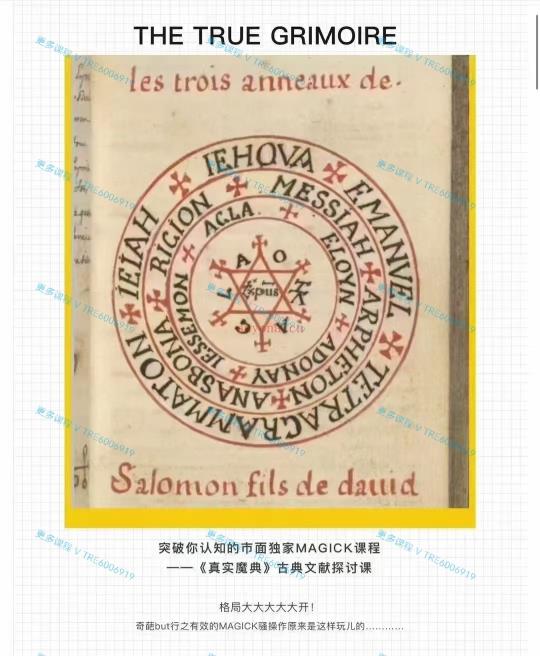
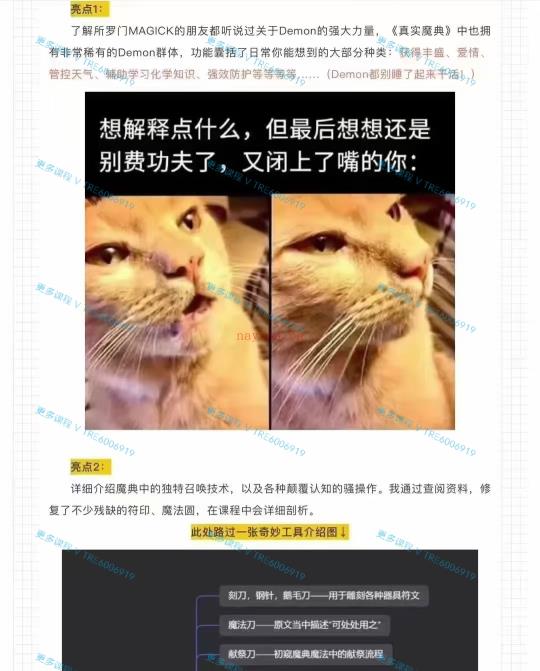
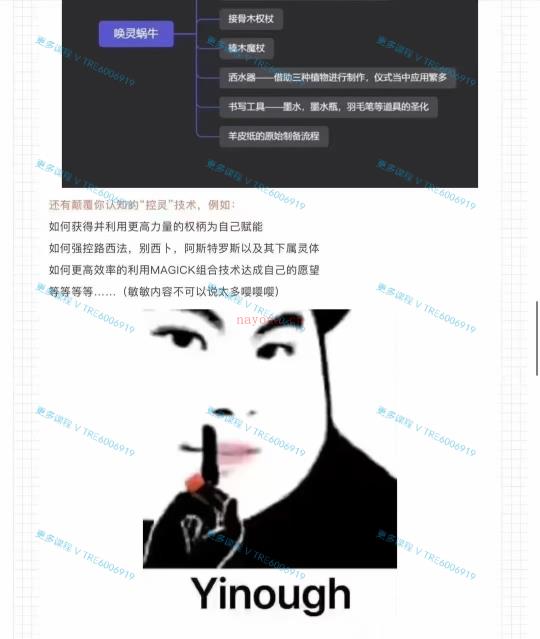
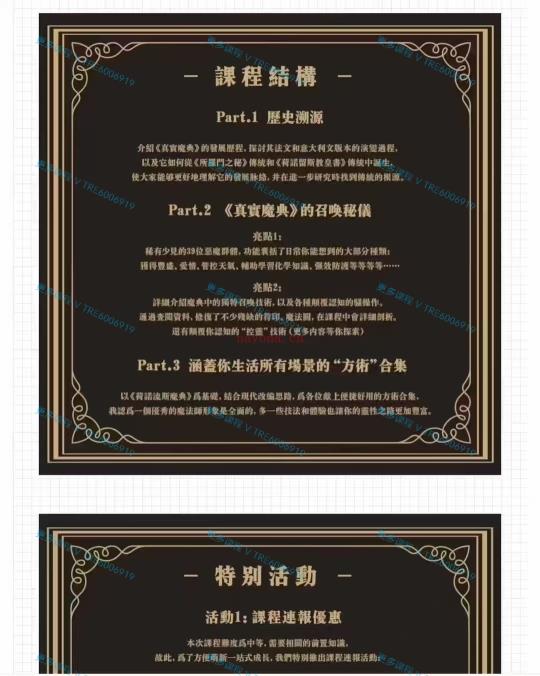
The grimoire resource is described as discussing invocation techniques and restoring incomplete seals or circles. These descriptions invite questions about textual evidence and reconstruction. A modern repaired image should not be presented automatically as an authentic historical original.
Grimoire as a text
Begin with the document or passage actually identified in the recording. Record a title, edition information and page location where available. The general word grimoire does not establish authorship, age or the authenticity of every object shown.
A grimoire reference should identify the particular witness being discussed, not only the broad subject. Look for a title, edition, page or image label in the recording. If the source is unnamed, keep that fact in the note. A presenter may discuss an old textual tradition through a modern reproduction, and the reproduction’s presence does not establish its exact date or transmission history. The account can still be studied as a contemporary interpretation. A clear reference entry states what document is available and what is unknown about it. This makes later checking possible and avoids allowing the word historical to confer automatic authenticity on every text, diagram or restoration shown in the video.
Question for review: What identifies this particular text?
Invocation language
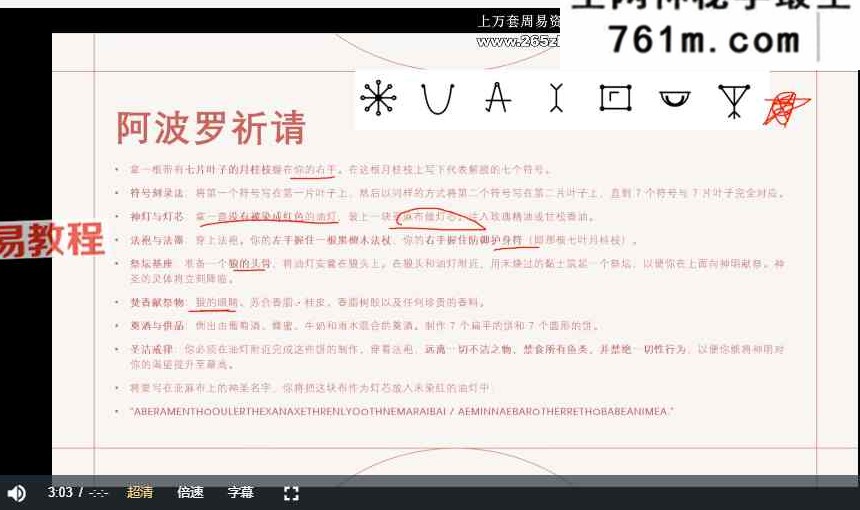
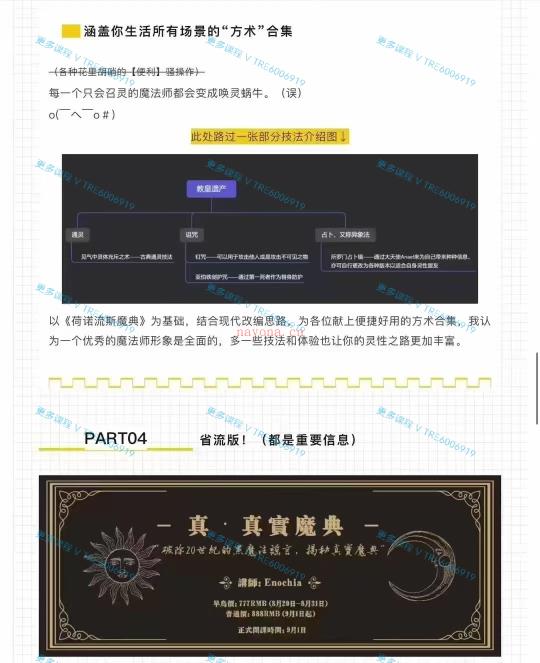
Analyze invocation as a textual form: address, request, repeated phrase and closure where present. Attribution matters. A passage can be studied for its rhetoric and symbolic structure without verifying the existence or response of the being addressed.
Invocation can be studied through its rhetorical organization. Identify the address, any description of the addressee, the request and the closing formula where these occur. Then inspect how repetition or naming contributes to the structure. This approach is descriptive: it explains how the text speaks without confirming the being addressed or a response attributed to it. If the presenter claims a technique is unusual or powerful, record that as a claim and ask what textual evidence supports the description. A confident demonstration does not itself establish an external mechanism. The educational result can be a precise analysis of language and sequence, allowing a reader to understand the passage even when they do not share its assumptions about unseen agency.
Question for review: How does the wording organize the request?
Incomplete seals
An incomplete image has a visible gap and a proposed completion. Record the gap before describing the completion. If the presenter supplies a rationale, preserve it as a rationale rather than silently treating the restored version as original evidence.
Restoration work requires a record of the original gap. Describe what is missing or unclear before showing a proposed completion. If another source is used to support the completion, identify it and compare the relevant features. If the completion is based on visual expectation, say so. These are different kinds of reconstruction. A neat restored seal can be helpful for examining a hypothesis, but it should not replace the damaged or incomplete source in the evidence trail. Keep both versions available in your notes. This prevents a later reader from mistaking a modern intervention for the original document. It also makes the restoration’s rationale reviewable rather than asking the reader to accept the presenter’s assurance that a missing symbol has been repaired correctly.
Question for review: Which line is present in the source and which is reconstructed?
Circle reconstruction
A circle diagram may contain names, divisions and boundaries. Read each feature separately before considering the whole. A correction that looks visually balanced may still lack textual support; neatness and authenticity are different questions.
A circle reconstruction can be broken into separate questions about geometry, lettering and placement. A shape may be legible while a name remains uncertain; a name may be recognizable while its intended position is unclear. Do not let confidence in one feature settle the others. Transcribe the parts you can see and mark the rest. If the presenter supplies a symmetrical arrangement, ask whether symmetry is evidence from the source or a design choice in the reconstruction. A balanced drawing may be visually persuasive without resolving the textual question. Your commentary should explain exactly what the proposed version improves and what it cannot establish. This gives the reconstruction a clear educational role without presenting it as recovered historical certainty.
Question for review: What supports this proposed placement besides visual symmetry?
Comparing witnesses
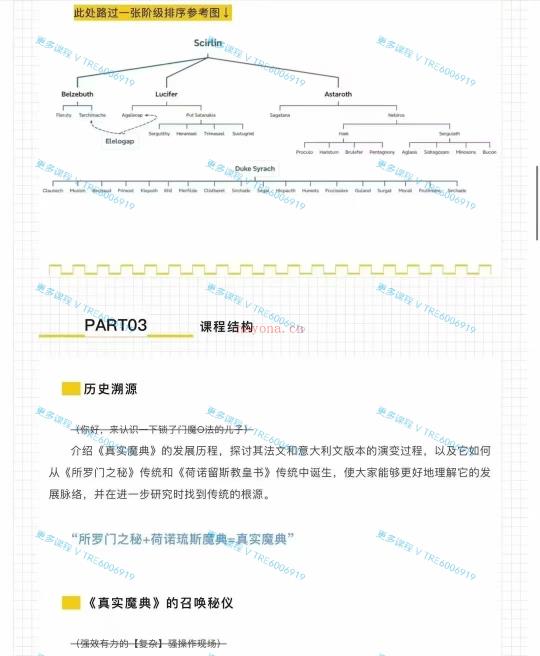
If two versions of a diagram are available, compare their visible differences rather than choosing the prettier one. Record where each version comes from. A difference can reflect copying, translation or reinterpretation without proving which version is earliest.
When two witnesses are available, compare them feature by feature. Record their source labels, the visible differences and any explanation supplied for those differences. Avoid assuming that the clearer scan, the longer text or the more elaborate diagram must be earlier or more authentic. A comparison might reveal omission, adaptation or a copying difference, but identifying the cause requires further evidence. Your note can remain useful without settling that cause. State what is directly visible and list the information that would help decide among possibilities. This kind of comparison turns the source’s restoration theme into a concrete textual investigation, preserving the distinction between an observed difference and a historical explanation proposed for it.
Question for review: What evidence would decide between these versions?
Critical commentary
A critical commentary should explain the original evidence, the proposed reading and the unresolved questions. It need not dismiss the cultural value of the material. It should let a reader understand exactly how far the evidence supports the reconstruction.
A reconstruction commentary should lead with the evidence, then describe the proposal and finish with its limits. Quote or paraphrase only enough to identify the issue, and keep a location that lets the reader recover the original. If you agree with the proposal, explain why rather than using agreement as a substitute for evidence. If you remain uncertain, state what part of the argument leaves you uncertain. The commentary can acknowledge the cultural and visual interest of the material while remaining careful about authenticity and effects. A satisfactory conclusion may say that a proposed line makes the diagram coherent but that its historical support is unresolved. Such a conclusion is specific and useful; it does not need the inflated claim that every incomplete seal has been definitively restored.
Question for review: Can the reader separate my account from the presenter’s proposal?