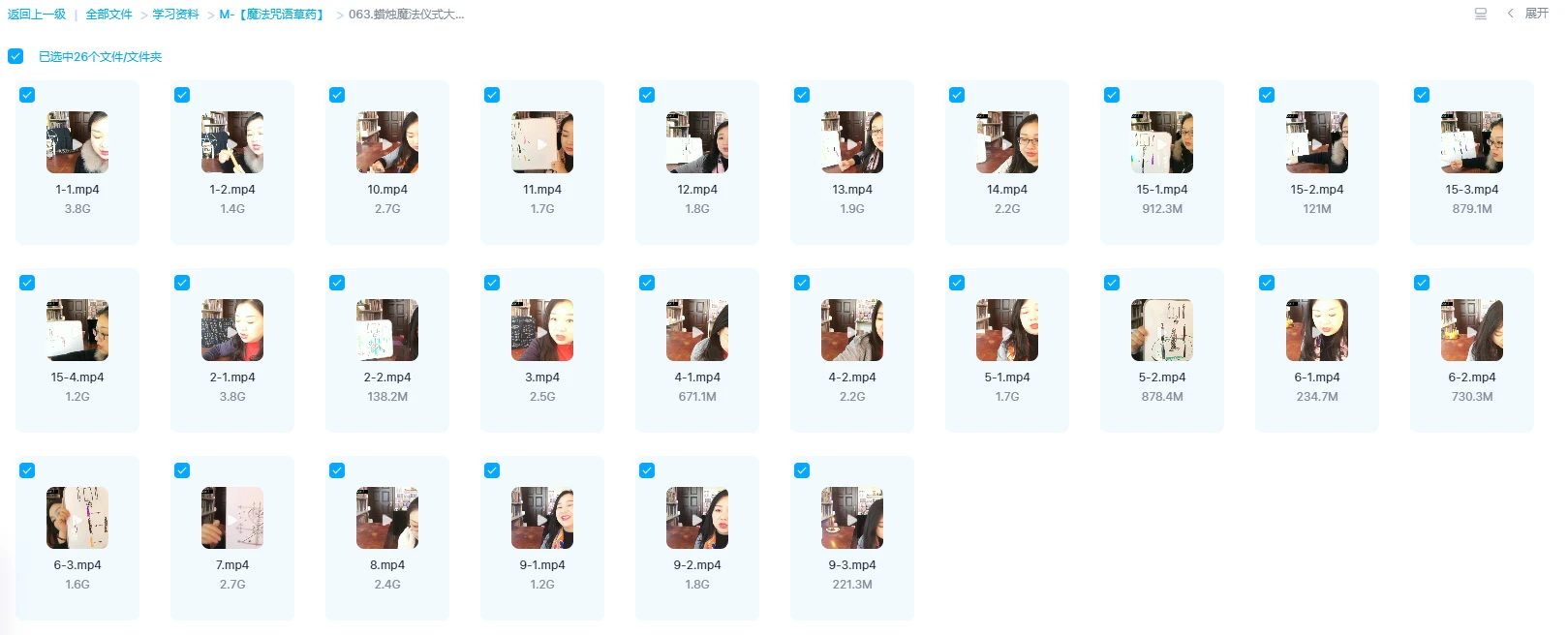
A three-book collection marketed as magic texts. Individual book titles and editions should be checked against the source directory before attributing historical authorship.
Resource Overview
Three Magic Books: Digital Text Collection is a digital learning resource about Grimoires & Historical Texts. The English description summarizes the available source listing; the underlying recordings or books are in Chinese. An English translation of the full material is not confirmed.
What You Will Learn
Use the sequence and preview material below to identify the course’s scope, terminology and teaching approach. Check each topic against the original lesson rather than treating a short listing as a complete transcript.
Course Contents
- Three-book bundle
- Textual study
- Edition limitations
Original Course Images

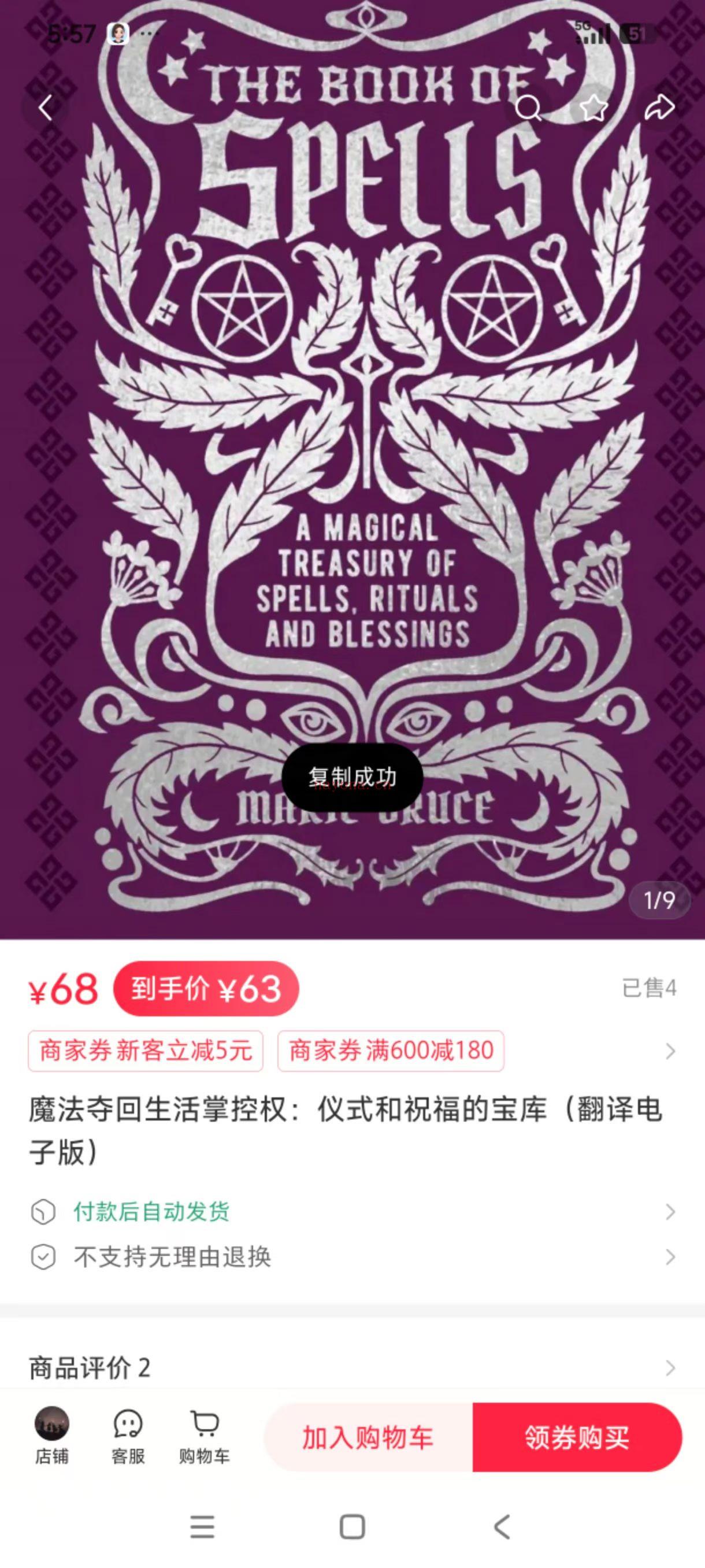
Who This Resource Is For
This resource is for readers or learners who can use Chinese-language materials and want a named resource on Grimoires & Historical Texts. Compare the stated scope and previews before ordering; a fixed level of prior experience is not assumed unless the source directory says so.
Learning Format and Digital Delivery
Three Chinese-language digital books according to the source title Virtual and downloadable; there is no physical shipment. Price: USD 9.00. A file link is not yet attached to this product. Please contact Karma Kismet before ordering to confirm delivery arrangements; immediate automated access is not promised.
Frequently Asked Questions
Is the full material in English?
No English edition, recording or subtitle track is confirmed. The source material is Chinese-language.
Is a personal consultation included?
No individual consultation is listed with this resource.
Does this resource guarantee an outcome?
No. It is for educational and cultural study, not a guaranteed result or substitute for professional advice.
Editorial Note
Karma Kismet translated and organized the course facts and original previews for English readers. Lesson counts and formats follow the available source listing; unspecified contents, certificates and instructor credentials are not asserted.
Related Courses
Browse Grimoires & Historical Texts and read digital delivery information.
A source-based study approach
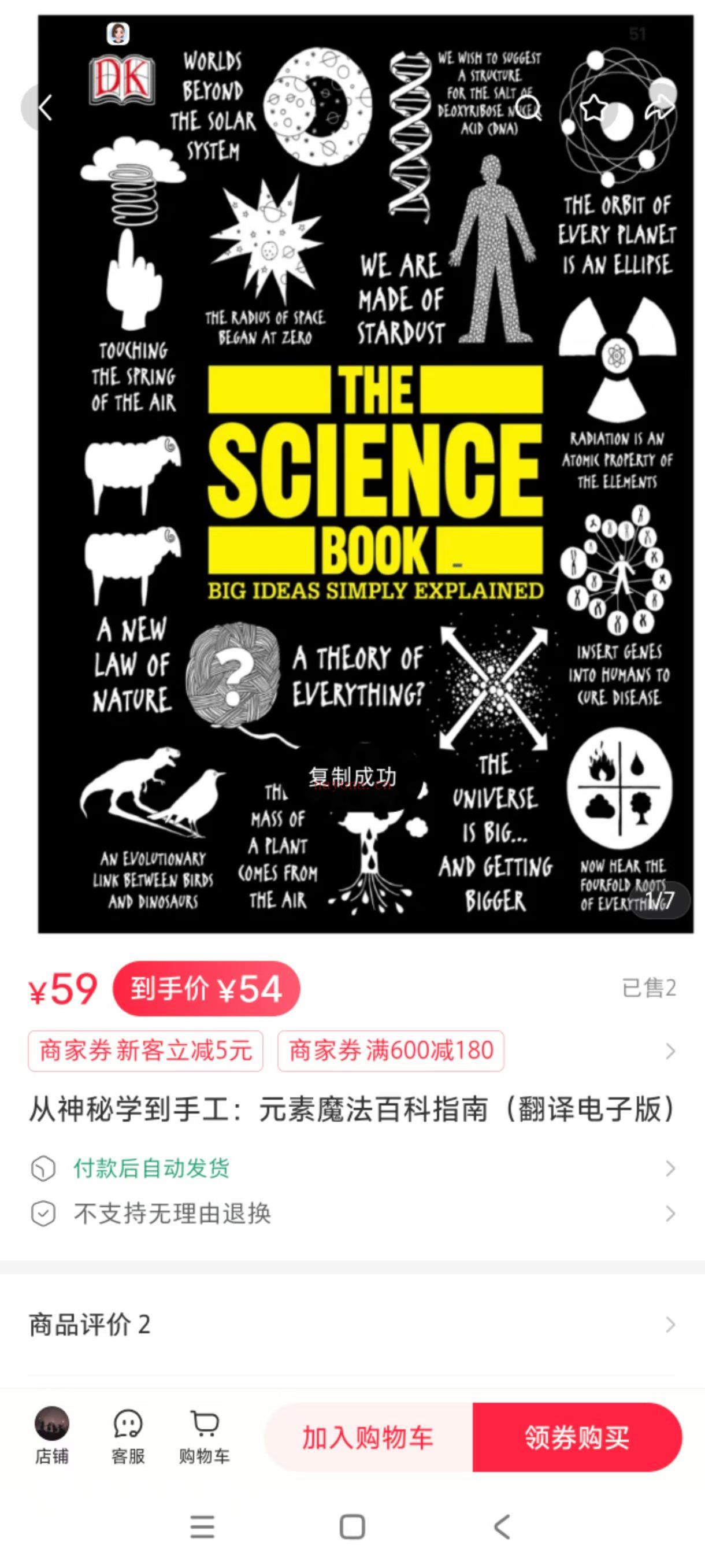
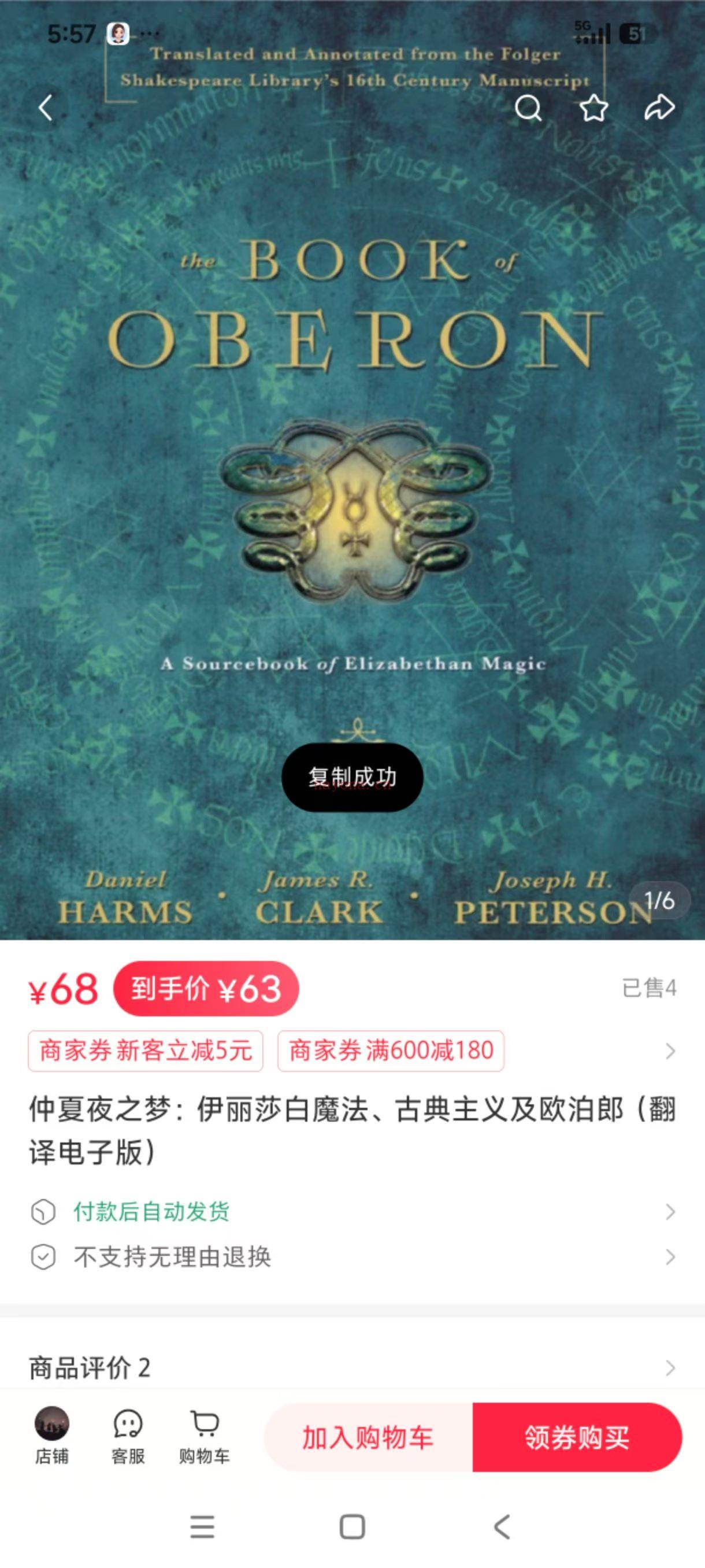
The source names three translated digital texts, with themes of rituals and blessings, Elizabethan magic and Oberon, and elemental craft. Exact English editions and authorship are not confirmed here. Compare the themes without assigning invented historical authors or chapter contents.
Three thematic entry points
Make a separate bibliographic note for each digital text. Preserve the actual title printed inside the file when available. A source listing’s promotional name is not enough to identify the original edition, translator or publisher.
Bibliographic inspection should precede a claim about authorship or edition. Open each digital text and record the title printed inside, any author or translator information actually present and the format of the file. Keep the source listing’s Chinese promotional title in a separate field. The two may not align exactly. If a document lacks a title page, identify it by filename and describe that limitation. This is especially useful for a translated collection, where an appealing English rendering can otherwise be mistaken for an established published title. A three-entry catalogue with uncertain edition information clearly marked gives the reader a dependable starting point. It does not need invented publication details to make the bundle seem complete.
Question for review: What title appears in the document itself?
Rituals and blessings
For a text described as a treasury of rituals and blessings, ask how it frames intention and agency. A blessing may be an expression of hope rather than a factual prediction. Summarize the wording without promising the outcome it imagines.
A blessing text can be analyzed by identifying the speaker, the addressee and the wish being expressed. Notice whether the passage uses request, affirmation or narrative language. These forms shape how it is read. A statement of hope should not become an editorial guarantee that the hoped-for event will happen. If the passage connects ritual with regaining a sense of control, distinguish control over one’s choices from control over external events. A reflective reader may find the wording useful for clarifying an intention without adopting a causal claim. Keep the exact passage location beside the analysis so the distinction can be checked. This gives the first named theme a concrete reading task rather than reducing it to a general promise of transformation.
Question for review: Is this passage expressing a wish or making a factual claim?
Elizabethan and Oberon themes
The second named theme links Elizabethan magic, classicism and Oberon. Keep literary figures, historical settings and modern commentary distinguishable. A shared name does not establish that every passage belongs to the same period or genre.
The theme linking Elizabethan magic, classicism and Oberon invites attention to genre. A named figure may appear in literary, historical or ritual discussion, and those contexts should not be collapsed into one account. Identify what the text actually presents: a story, a historical argument, a translated passage or a modern explanation. Then ask how the figure functions within that presentation. Does the text supply a source or merely use a familiar name? Preserve that distinction. Do not assign Shakespearean authorship or a historical date to a document because its title evokes a familiar literary phrase. A cautious reading can still explore the relationship between cultural imagery and textual practice while leaving edition and attribution questions open.
Question for review: What kind of text is this passage presenting?
Elemental craft
The third theme connects elemental symbolism with craft. Observe how a material or design is associated with an element in the text. This is a symbolic mapping to analyze, not proof that the material acquires a supernatural property.
Elemental craft can be read through the relationship between an object’s material and the symbolic category assigned to it. Record the object or process actually described, then identify the explanation linking it to an element. A visual resemblance, a traditional association and a personal interpretation are different rationales. If the text does not explain the link, note that the association is given without a rationale. A sketch or written description can support comparison without manufacturing the object. The craft theme may encourage creativity, but that does not establish that the resulting item has a supernatural property. A clear commentary describes how meaning is organized through design, preserving the difference between the making process and claims about what the object does.
Question for review: What feature is used to connect the object with the element?
Translation questions
When an English label and a Chinese passage do not align cleanly, preserve both and write a provisional gloss. A translated ritual term can carry literary, religious and practical meanings. Do not pretend that one familiar English word resolves them all.
Translation notes should focus on places where a term changes the reading. Keep a short original phrase, a provisional gloss and a sentence explaining why another gloss might matter. For example, a term may sound like practical instruction in one rendering and symbolic commentary in another. The point is not to provide a full new translation of the books, which this listing does not establish, but to make uncertainty visible where it affects interpretation. If an English title is only an editorial rendering of the source name, say so in your bibliography. This prevents readers from assuming an official English edition exists. A modest translation note can make the collection easier to study while preserving the limits of the available information.
Question for review: What distinction might this translation conceal?
Comparing genres
Compare how the three texts make their case: instruction, story, commentary or reference entry. Genre affects how a statement should be read. A narrative example and a procedural list should not be treated as equivalent kinds of evidence.
Compare the three texts through one passage from each rather than through broad claims about their entire contents. Identify the passage’s purpose, the kind of statement it makes and how it supports that statement. An instructional list asks the reader to do something; a story may illustrate a theme; a reference entry may classify a term. These forms should be evaluated differently. A comparison can explain why the same symbol appears with different roles, but it should not assume that the collection was designed as a three-stage curriculum. The source names three texts with distinct themes. A useful concluding paragraph identifies the relationship you actually observed and leaves the rest of the books open for further reading.
Question for review: How does the genre shape what I can conclude?