An introductory crystal-ball divination collection listed as one video plus five books on magic foundations. It is a mixed-format resource, not a five-video class.
Resource Overview
Crystal Ball Divination: One Video and Five Introductory Books is a digital learning resource about Divination in Magical Traditions. The English description summarizes the available source listing; the underlying recordings or books are in Chinese. An English translation of the full material is not confirmed.
What You Will Learn
Use the sequence and preview material below to identify the course’s scope, terminology and teaching approach. Check each topic against the original lesson rather than treating a short listing as a complete transcript.
Course Contents
- Crystal-ball divination introduction
- Five supporting books
- Mixed video-and-text format
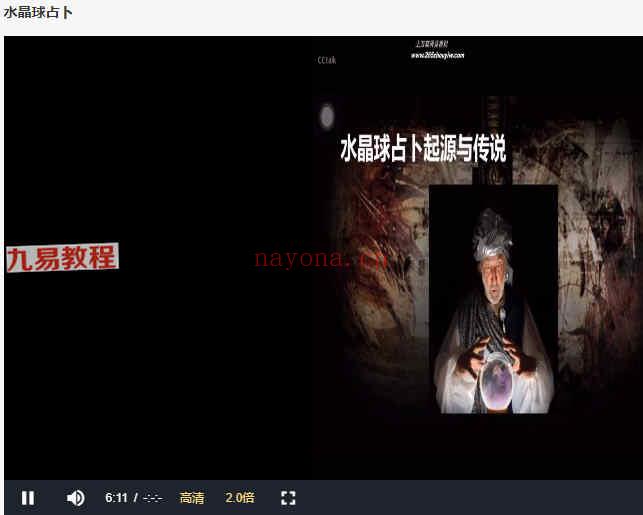
Original Course Images
Who This Resource Is For
This resource is for readers or learners who can use Chinese-language materials and want a named resource on Divination in Magical Traditions. Compare the stated scope and previews before ordering; a fixed level of prior experience is not assumed unless the source directory says so.
Learning Format and Digital Delivery
One Chinese-language video and five digital books Virtual and downloadable; there is no physical shipment. Price: USD 9.00. A file link is not yet attached to this product. Please contact Karma Kismet before ordering to confirm delivery arrangements; immediate automated access is not promised.
Frequently Asked Questions
Is the full material in English?
No English edition, recording or subtitle track is confirmed. The source material is Chinese-language.
Is a personal consultation included?
No individual consultation is listed with this resource.
Does this resource guarantee an outcome?
No. It is for educational and cultural study, not a guaranteed result or substitute for professional advice.
Editorial Note
Karma Kismet translated and organized the course facts and original previews for English readers. Lesson counts and formats follow the available source listing; unspecified contents, certificates and instructor credentials are not asserted.
Related Courses
Browse Divination in Magical Traditions and read digital delivery information.
One video with a separate reading collection
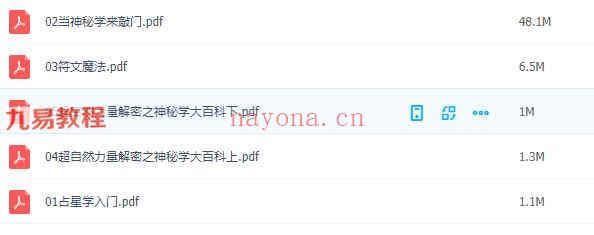
The source explicitly distinguishes the crystal-ball video from the five introductory PDFs: the books are related supporting material, not a matched set of lesson notes. This distinction should shape the study plan. The visible book labels concern introductory astrology, an occult introduction, rune magic and two volumes of an occult encyclopedia. Their inclusion does not mean the single recording covers all of those subjects. Nor does it establish a five-video course. A reader can use the books to investigate vocabulary or context while keeping the content of the video separate.
Observing before interpreting
Crystal-ball study can begin with a description of the viewing situation and the impressions actually reported. Separate an observed shape or change in light from the meaning attributed to it. A reflective account might say that an image prompted a thought; that is different from claiming that the image supplied verified information about an outside event. Keep the two statements separate in your notes.
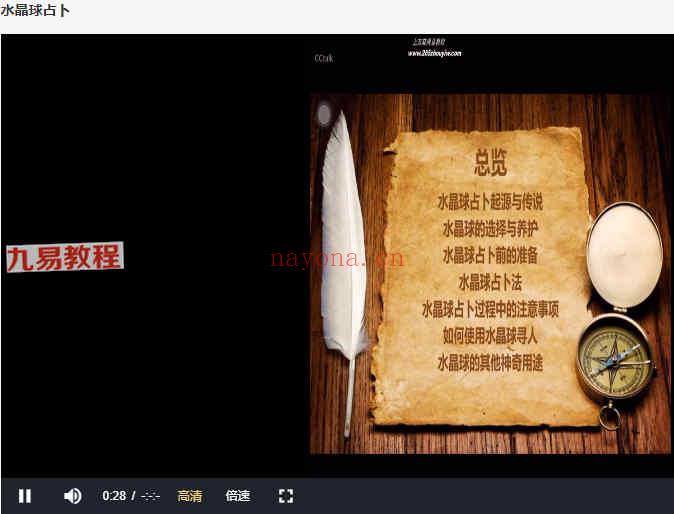
If the recording describes a method, identify the steps explicitly presented. Do not add an unseen preparation or an assumed ritual from another source. The listing names a video but does not supply its complete transcript. A note with an unresolved step is more useful than an invented seamless procedure. The educational task can remain observational and textual: how does the presenter move from perception to interpretation, what assumptions enter and what kind of conclusion is proposed? It does not require accepting the conclusion or reproducing an intense viewing exercise.
Conditions and ambiguity
Visual impressions can be affected by ordinary features of a setting, including illumination, reflections and the object’s surface. Record those features when the material shows them. A dramatic image on screen may also be influenced by camera position or editing, so the viewer’s experience is not necessarily identical to the presenter’s. These observations help distinguish the recording as a presentation from a direct test of any claimed mechanism.
An ambiguity ledger can record the impression, the first interpretation and another plausible explanation. The alternative does not have to disprove the interpretation; it shows where the evidence leaves room for more than one account. If the source does not discuss alternatives, your commentary can identify that limit. Avoid treating certainty of feeling as certainty of information. A vivid impression can be described honestly as vivid while its supposed external meaning remains unverified. This precision preserves the interest of the experience without converting it into a factual claim that the listing cannot establish.
Reading the astrology introduction
The introductory astrology PDF can be used to clarify a term if the video actually uses that term. Keep the reference location in the book and the location in the recording beside each other. Do not assume that an introductory astrology text provides an explanation of crystal-ball practice simply because both are in the same folder. The source states that the books are auxiliary rather than matched materials, so any connection needs to be demonstrated through the contents.
If you inspect the astrology book independently, identify its own purpose and terminology. A symbolic account of celestial categories should be described as that account, without expanding it into evidence that a crystal-ball impression reveals an astronomical influence. A useful cross-reference note may conclude that a book offers background vocabulary but does not answer the method question raised by the video. That is a substantive finding because it keeps a convenient bundle from being mistaken for a tightly integrated curriculum.
Rune and occult reference texts
The rune-magic title and the two encyclopedia volumes identify separate reading themes. A reference text can help locate a term or explain a classification, but its coverage should not be inferred from its broad title. Open the actual section and identify what kind of statement it makes: a historical account, a symbolic association, an instruction or a claim about an effect. Keep those categories visible.
For the rune text, distinguish the symbol as writing from the meaning assigned in a modern interpretive practice. For an encyclopedia entry, preserve the entry’s source and limits rather than treating compact reference wording as conclusive evidence. The second introductory PDF likewise needs its own bibliographic note. A broad occult label is not enough to establish authorship, edition or agreement with the recording. The five books can be valuable reading leads while remaining distinct resources whose relationships need inspection.
Questions suited to reflection
A crystal-ball theme is safer and clearer to discuss through questions about your own interpretation than through claims of locating people or establishing hidden facts. The directory’s wording includes a finding-person theme, but that label does not verify that the technique can locate anyone. Real concerns about a missing person require ordinary reporting and reliable information, rather than a symbolic impression presented as a lead.
For an editorial exercise, choose an image or passage and ask what association it evokes, why that association occurred and whether another reading is possible. Write the response as a reflection, not as a prediction. You can also ask what practical issue the image helped you articulate. An image may give language to uncertainty without resolving the uncertainty. This distinction makes the exercise useful while respecting the limits of the resource’s evidence. It prevents a subjective experience from being elevated into a factual service the product does not establish.
A mixed-format notebook
Organize the notebook with separate pages for the recording and each PDF. Include actual filenames, visible titles and source locations. Cross-reference only when a passage supplies a genuine connection. This preserves the collection’s mixed character and makes it easier to return to a question without confusing a book’s claim with the video’s claim.
End a study session with three entries: a point clarified by the recording, a point clarified by a book and a question neither resolves. The final entry is particularly important because auxiliary resources can create an impression that all gaps have been filled. Do not erase a gap merely because the folder contains several books. A complete notebook need not imply complete knowledge. Its purpose is to identify what you have read, how the parts relate and which conclusions remain provisional. That is a practical outcome grounded in the actual one-video-and-five-book structure rather than in imagined lesson coverage.
One useful final check is whether every claimed connection between the crystal-ball recording and a book can be traced to a passage. If the only connection is their presence in the same collection, describe it as a grouping rather than an integrated lesson. The source’s explicit distinction between related books and matched notes is worth preserving throughout the notebook.