A ten-video course on Celtic knot symbolism attributed to Witch and Oak. The listing supports the named theme but not a complete English translation of the recordings.
Resource Overview
Witch and Oak Celtic Knot Magic: Ten Videos is a digital learning resource about Witchcraft & Folk Traditions. The English description summarizes the available source listing; the underlying recordings or books are in Chinese. An English translation of the full material is not confirmed.
What You Will Learn
Use the sequence and preview material below to identify the course’s scope, terminology and teaching approach. Check each topic against the original lesson rather than treating a short listing as a complete transcript.
Course Contents
- Celtic knot symbolism
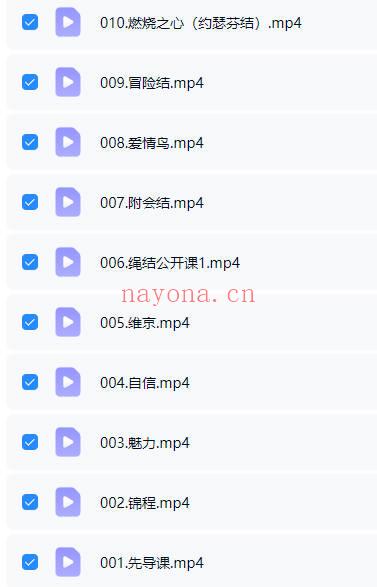
- Ten-video sequence
- Distinguishing source tradition and modern interpretation
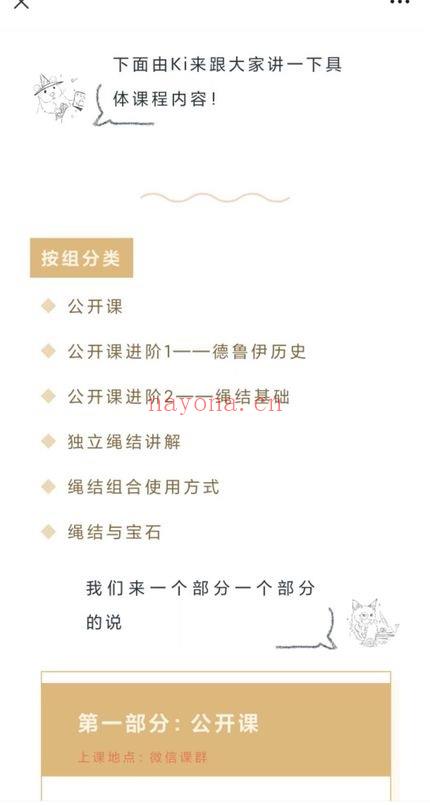
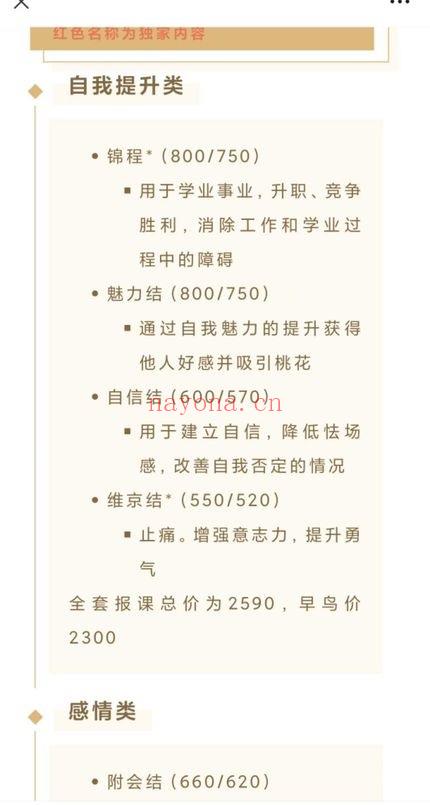
Original Course Images
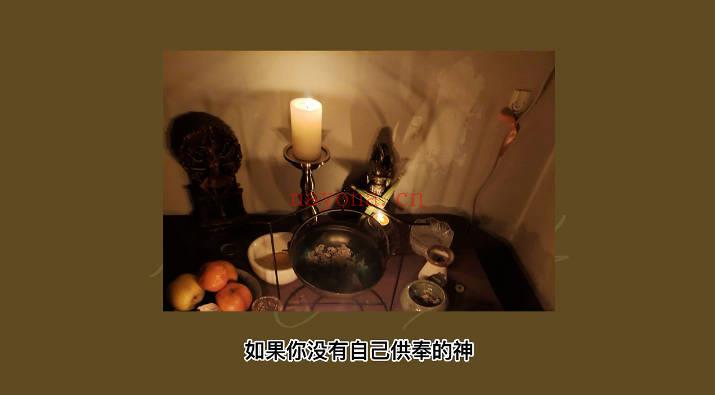
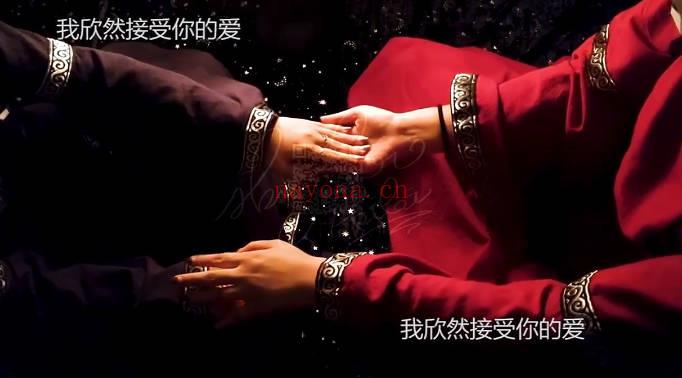
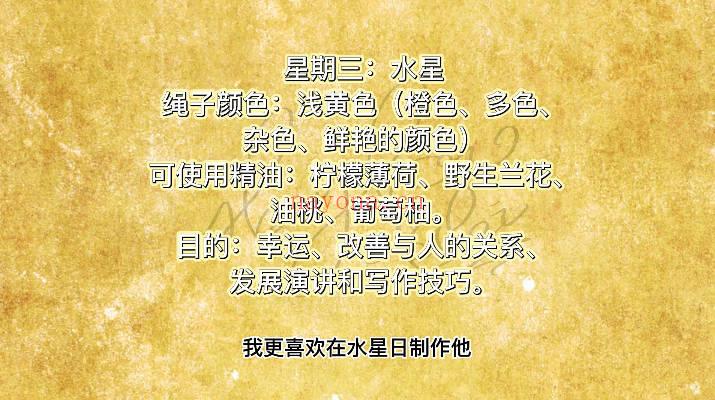
Who This Resource Is For
This resource is for readers or learners who can use Chinese-language materials and want a named resource on Witchcraft & Folk Traditions. Compare the stated scope and previews before ordering; a fixed level of prior experience is not assumed unless the source directory says so.
Learning Format and Digital Delivery
Ten Chinese-language video lessons Virtual and downloadable; there is no physical shipment. Price: USD 9.00. A file link is not yet attached to this product. Please contact Karma Kismet before ordering to confirm delivery arrangements; immediate automated access is not promised.
Frequently Asked Questions
Is the full material in English?
No English edition, recording or subtitle track is confirmed. The source material is Chinese-language.
Is a personal consultation included?
No individual consultation is listed with this resource.
Does this resource guarantee an outcome?
No. It is for educational and cultural study, not a guaranteed result or substitute for professional advice.
Editorial Note
Karma Kismet translated and organized the course facts and original previews for English readers. Lesson counts and formats follow the available source listing; unspecified contents, certificates and instructor credentials are not asserted.
Related Courses
- Apollo Ritual Studies: 16 Videos
- Candle Magic Ritual Course: 26 Lessons
- Wushuang Solomonic Ceremonial Magic: Four Videos
- Advanced Solomonic Magic Course
- Witch Market Hoodoo Studies: 14 Videos
- Magical Herbs and Potions: Two Video Courses and E-Books
- Cat Witch Herbal Magic Video Course
Browse Witchcraft & Folk Traditions and read digital delivery information.
Understanding the named themes
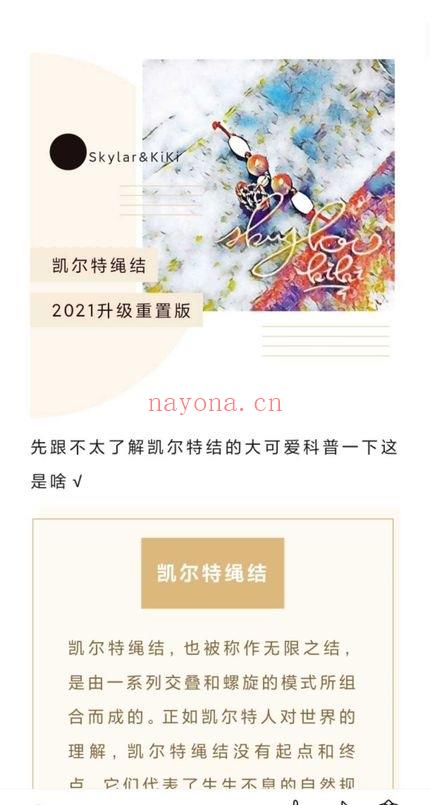
The ten-video Witch and Oak resource identifies Celtic knot symbolism and describes continuous interlacing as an image of continuity. A productive study separates the visible pattern, the cultural explanation and the personal meaning a reader gives it.
Following a strand
Trace one strand in a reproduced image before describing its symbolism. Notice crossings, turns and any visible endpoints. This observational task can reveal whether a verbal description of endless continuity matches the particular pattern being shown.
An observational exercise can begin with a pencil line following the path of a strand through a knot image. Pause at each crossing and identify whether the strand passes above or below another. If the image is too small to decide, mark the crossing as unclear. Do not choose an answer simply because alternating crossings would make the pattern look orderly. Then compare the traced path with the source’s description of continuity. Does the particular figure have a closed route, several routes or a visible end? This exercise produces a precise description of an actual image. It also shows how visual evidence can support or complicate a symbolic explanation, allowing the pattern to remain more than a generic illustration of endlessness.
Question for review: Can I trace this strand without assuming where it goes?
Pattern and meaning
An interlaced design and a belief about continuity are connected through interpretation. Write each separately. The same visible feature may support several readings, and a meaningful personal response does not establish one exclusive historical meaning.
The interpretation of a knot should be tied to a particular feature. If the source associates continuity with the lack of an endpoint, identify that feature in the design before adopting the association. If the design has several strands, ask whether the explanation treats them as one process or as related processes. You can record a personal interpretation separately, perhaps seeing interdependence or repetition in the image. The personal reading may be worthwhile even if it differs from the source. What matters is that it is attributed correctly. Avoid writing that the pattern objectively means only one thing when the available material offers an interpretation rather than a documented exclusive meaning. The distinction makes both cultural explanation and personal reflection easier to discuss.
Question for review: What feature supports this interpretation?
Craft and depiction
A drawn knot, a carved design and a tied cord need not use identical construction methods. Identify what medium the recording actually demonstrates. Avoid treating a decorative image as an instruction for a mechanically secure knot.
Observe the medium used in the recording before attempting to reproduce a design. A drawn interlace can contain crossings that would require a different construction method in cord. A flat decorative pattern may also have no practical fastening function. If you study it as craft, describe the sequence actually demonstrated and the limits of what you can see. Avoid adding an unseen step from an unrelated knotting tutorial. A paper copy is useful for examining structure even when you cannot reproduce the physical object. If you work with cord independently, treat it as a craft exercise and avoid using an unverified decorative knot for supporting weight or securing anything important. Symbolic significance and mechanical reliability are separate matters.
Question for review: Is this a visual pattern or a functional fastening?
Continuity as reflection
The source associates endless designs with ongoing life and recurrence. Use that association to ask about repetition in a chosen routine. Keep the reflection concrete: what repeats, what changes and what you would like to interrupt or preserve.
A continuity reflection can be made concrete by choosing a routine you know well. List its recurring stages and identify where change enters. For a weekly creative practice, recurrence might be returning to the same time and place, while change lies in what you make. An interlaced sketch can then represent your description rather than dictate it. Explain why you chose each connection, and notice whether the pattern hides an interruption that matters. The exercise is about articulating a cycle. It does not establish beliefs about reincarnation or prove that a design influences events. If the source discusses those beliefs, keep them in an attributed cultural note alongside your everyday example so the two kinds of reflection remain distinguishable.
Question for review: Which cycle am I describing, and how do I know it repeats?
Cultural attribution
The Celtic label should prompt questions about the particular design and the source used to explain it. A contemporary interpretation should not automatically be presented as a belief shared by every historical Celtic-speaking community.
A cultural caption should be narrower than a sweeping claim about all Celtic people. Begin with the design actually shown and the attribution actually supplied. Does the resource identify an object, manuscript, place or time, or does it only use a broad cultural label? A contemporary symbolic explanation can be described accurately as contemporary. If a historical reference is present, preserve it for checking rather than extending it to every related pattern. This approach leaves room for the resource’s cultural interest while avoiding an invented ancient pedigree. A useful caption may explicitly say that the listing names Celtic knot symbolism but does not identify the historical origin of this particular example. That is informative precision, not a failure to appreciate the artwork.
Question for review: What attribution is supported for this specific pattern?
Learning through revision
Make a simple diagram, compare it with the observed pattern and revise mistaken crossings. The learning result is improved observation and description. No claim about protection or supernatural force is needed to make the exercise worthwhile.
Revision provides a tangible measure of learning in this topic. Make an initial copy, compare it with the image and identify one crossing or turn that you misunderstood. Correct that feature and explain how the correction changes the route of the strand. This gives you a result that can be observed and discussed. You may also revise your symbolic commentary if it depended on the mistaken route. The craft and interpretation then remain connected through actual evidence. There is no need to claim that the finished copy protects its maker or attracts a desired event. A portfolio containing the first sketch, the corrected sketch and a short explanation can demonstrate careful looking, structural understanding and the ability to update an interpretation when the design calls for it.
Question for review: Which correction most improved the accuracy of my copy?