An introductory urban-witchcraft resource with listed topics on ritual tools, places, plants, colors, runes, planetary symbolism and interpreting signs. This is cultural and symbolic study, not a promise of supernatural results.
Resource Overview
Urban Witchcraft: Foundations and Symbolic Correspondences is a digital learning resource about Magic & Witchcraft Foundations. The English description summarizes the available source listing; the underlying recordings or books are in Chinese. An English translation of the full material is not confirmed.
What You Will Learn
Use the sequence and preview material below to identify the course’s scope, terminology and teaching approach. Compare each card interpretation with the original lesson rather than treating a short listing as a complete transcript.
Course Contents
- Symbolic uses of tools, places and images
- Plants, minerals, colors and other correspondences
- Runes, charms and introductory ritual vocabulary
- Interpreting signs in the named course framework
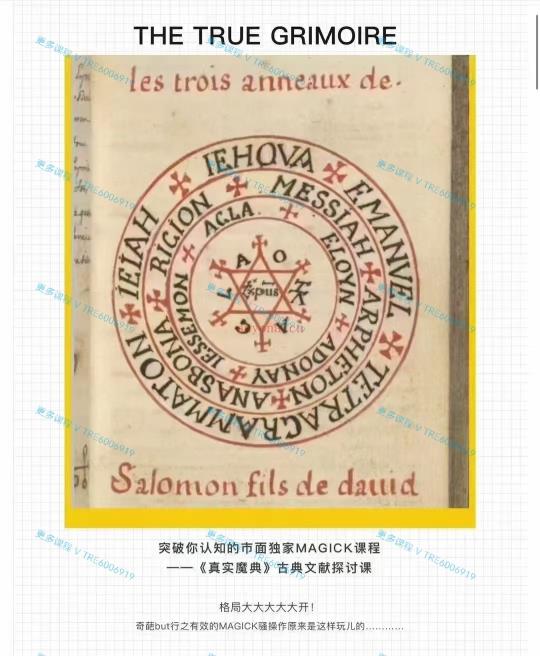
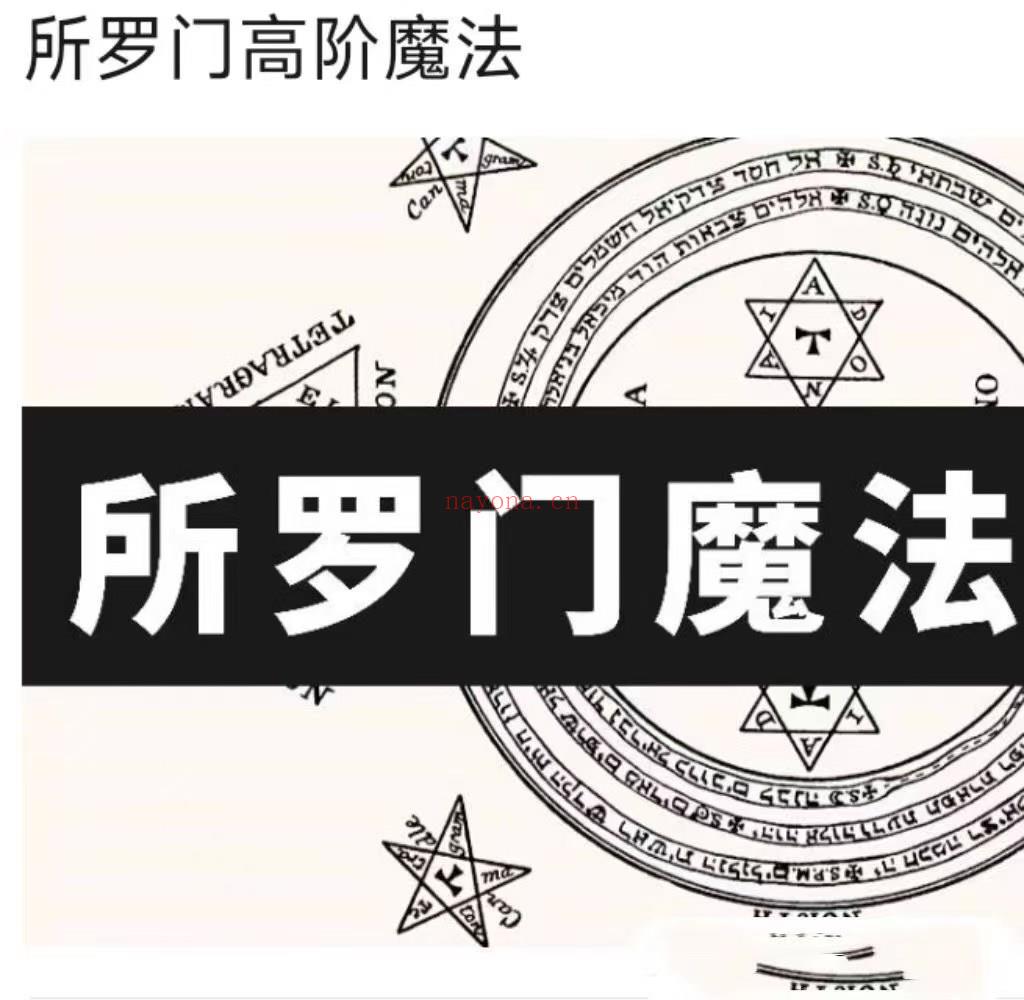
Original Course Images
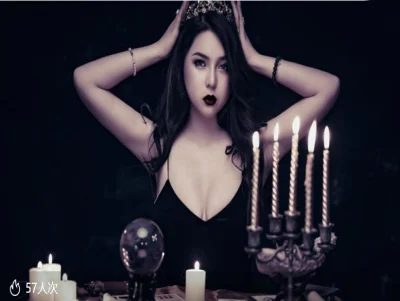
Who This Resource Is For
This resource is for readers or learners who can use Chinese-language materials and want a named resource on Magic & Witchcraft Foundations. Compare the stated scope and previews before ordering; a fixed level of prior experience is not assumed unless the source directory says so.
Learning Format and Digital Delivery
Chinese-language course; the source does not confirm a total lesson count Virtual and downloadable; there is no physical shipment. Price: USD 9.00. A file link is not yet attached to this product. Please contact Karma Kismet before ordering to confirm delivery arrangements; immediate automated access is not promised.
Frequently Asked Questions
Is the full material in English?
No English edition, recording or subtitle track is confirmed. The source material is Chinese-language.
Is a personal consultation included?
No individual consultation is listed with this resource.
Does this resource guarantee an outcome?
No. It is for educational and cultural study, not a guaranteed result or substitute for professional advice.
Editorial Note
Karma Kismet translated and organized the course facts and original previews for English readers. Lesson counts and formats follow the available source listing; unspecified contents, certificates and instructor credentials are not asserted.
Related Courses
Browse Magic & Witchcraft Foundations and read digital delivery information.
A Broad List of Symbolic Correspondences
The Urban Witchcraft source lists topics rather than a verified numbered file directory. The named subjects include tools, places, actions, animals, flowers, trees, minerals, colors, food, herbs and spices, numbers, images, time, the body, zodiac signs, planets, runes, charms, deities, angels, spirits, and interpreting signs. It also names introductory concepts, how magic is described as operating, wishes and rules, incantations, and original formula ideas. These are concrete topic references, while the total lesson count and exact sequence are not confirmed.
The list combines material objects, symbolic systems, and spiritual figures. An English reader can approach it as cultural and interpretive study without treating the wording about power as a verified property of an object or being. The source’s general commentary should not be used to invent demonstrations, supplied tools, or particular recipes. The actual material needs to establish how each topic is presented and which conventions the teacher uses.
Tools and Places in an Urban Frame
The topics about tools and places provide a useful starting comparison: an object and a setting can each receive symbolic meaning. While viewing, record the object or place discussed, the association proposed, and the explanation given. Keep a practical description separate from the symbolic role. A tool’s ordinary function is different from a belief about its ritual significance. The urban title does not establish a specific city, physical venue, or supplied kit, so those details should not be inferred.
A personal notebook can compare how context changes an association. Label any analogy you add independently. This is a study suggestion, not a promised assignment. A symbolic practice can be discussed through its language and cultural frame without claiming that it changes external events. Preserve the distinction when translating words such as force or power into English, where a metaphor can sound like a factual mechanism if its interpretive status is omitted.
Plants, Food, and Minerals
Flowers, trees, herbs and spices, food, and minerals are all named in the source list. Their inclusion establishes subjects of symbolic correspondence, not verified health effects or permission to ingest or apply a substance. A topic label does not supply species, preparation, dosage, or material specifications. Do not invent those details from a broad phrase. If the recording provides an example, record its actual context and separate the cultural association from any physical claim.
For educational review, a glossary can show the name used, the association attributed, and the source of that attribution when supplied. Different traditions or personal practices may assign different meanings to similar objects. The notebook should preserve those differences rather than presenting one association as universal. If you add your own response to a plant or mineral, label it as personal reflection. An association can be meaningful without establishing a therapeutic benefit or a guaranteed ritual result.
Colors, Numbers, Images, and Actions
The list includes color, numerical, image, action, and body related symbolism. These subjects can be studied by following how the teacher moves from an observable feature to an interpretive meaning. A color can be described directly, while its proposed emotional or spiritual significance belongs to the framework being taught. Keep those stages separate. A numerical association should remain an association rather than becoming proof of a destiny or a certain outcome.
An independent comparison can describe one image without interpretation, then list several possible associations. This reveals how much the reader contributes to the account. If the course uses a specific convention, record it as that convention. Do not replace it automatically with a familiar meaning from another system. The exercise supports careful observation and attribution without inventing a supplied workbook or claiming that every learner will experience the same response.
Runes, Charms, and Incantation Vocabulary
Runes, introductory charms, and incantations are named topics. The brief list does not establish a specific rune tradition, a complete symbol set, or detailed ritual instructions. Preserve the original terms and record the conventions actually explained in the material. A modern symbolic use should not be described as an ancient practice unless the course supplies a clear attribution. Likewise, a charm topic does not establish that a physical charm is included with this digital resource.
When translating incantation language, distinguish a text’s wording from claims about its effects. A phrase can be studied as a cultural or personal expression without promising that it controls a situation or another person. If the source discusses rules about wishes, note what those rules say and how they are framed. Do not turn the existence of a wishes topic into a guarantee that wishes are fulfilled. The course’s symbolic subject can be described accurately while supernatural outcomes remain unverified.
Planets, Signs, and Time
The topic list names zodiac symbolism, two planetary entries, and time related application. These references establish a timing and celestial symbolism component, but they do not supply an exact calendar method or a complete astrology syllabus. Record the associations actually used and any distinctions the teacher makes. If you compare them with another tradition, label that work as independent comparison. Similar names across systems do not establish identical meanings or a documented historical connection.
A personal index can link a timing reference to the symbol or object it modifies, if the material supports the connection. Leave missing details unresolved. A proposed symbolic time is not a guarantee that an event will occur or that ordinary conditions no longer matter. The value of the study record lies in explaining the framework clearly, including where the explanation stops. It should not become a schedule of promised results.
Spiritual Figures and Interpreting Signs
Deities, angels, spirits, and sacred animals appear in the list. Treat them as topics within the course’s belief based or symbolic frame. Their inclusion does not verify contact with a being or establish that an unusual experience has a supernatural cause. The signs and formula topics can be studied by recording how meaning is assigned and what alternatives are considered. A personal interpretation should remain distinguishable from an observable fact.
Create a topic index after viewing, preserving the actual labels and your confirmed summaries. The resource offers a wide correspondence vocabulary without a verified lesson count. Its educational use can lie in comparing symbols, language, and cultural assumptions. A careful English notebook keeps those subjects specific, avoids invented recipes or supplies, and preserves the boundary between traditional associations, personal meaning, and claims that the material does not establish.