A mixed introductory collection on magical herbs and potions. The source lists two video courses and e-books but does not confirm a complete item count.
Resource Overview
Magical Herbs and Potions: Two Video Courses and E-Books is a digital learning resource about Herbal & Botanical Symbolism. The English description summarizes the available source listing; the underlying recordings or books are in Chinese. An English translation of the full material is not confirmed.
What You Will Learn
Use the sequence and preview material below to identify the course’s scope, terminology and teaching approach. Check each topic against the original lesson rather than treating a short listing as a complete transcript.
Course Contents
- Botanical symbolism
- Two video-course components
- E-book reference material
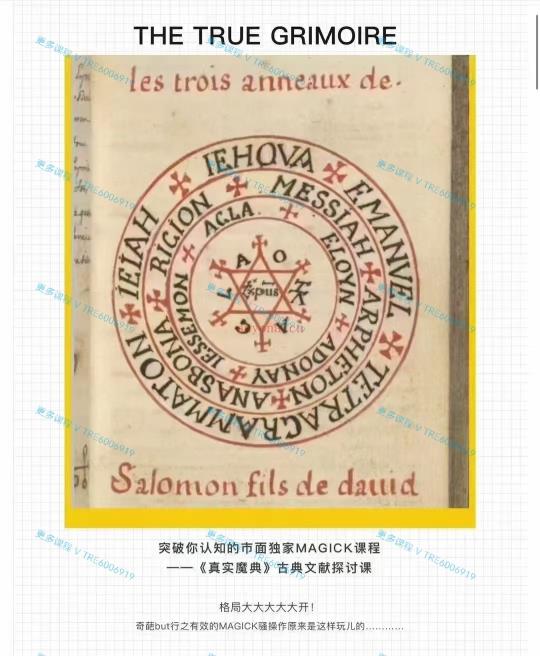
Original Course Images


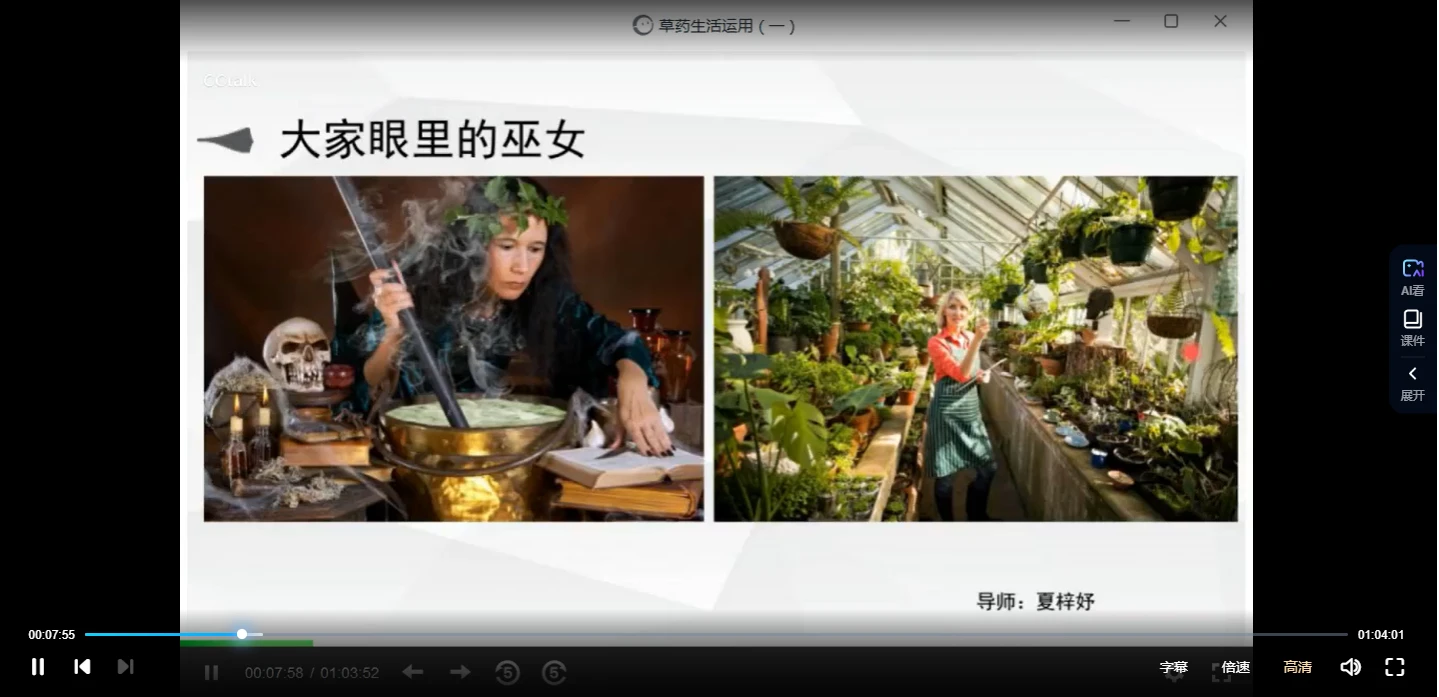

Who This Resource Is For
This resource is for readers or learners who can use Chinese-language materials and want a named resource on Herbal & Botanical Symbolism. Compare the stated scope and previews before ordering; a fixed level of prior experience is not assumed unless the source directory says so.
Learning Format and Digital Delivery
Two Chinese-language video courses plus e-books, according to the source Virtual and downloadable; there is no physical shipment. Price: USD 9.00. A file link is not yet attached to this product. Please contact Karma Kismet before ordering to confirm delivery arrangements; immediate automated access is not promised.
Frequently Asked Questions
Is the full material in English?
No English edition, recording or subtitle track is confirmed. The source material is Chinese-language.
Is a personal consultation included?
No individual consultation is listed with this resource.
Does this resource guarantee an outcome?
No. It is for educational and cultural study, not a guaranteed result or substitute for professional advice.
Editorial Note
Karma Kismet translated and organized the course facts and original previews for English readers. Lesson counts and formats follow the available source listing; unspecified contents, certificates and instructor credentials are not asserted.
Related Courses
- Apollo Ritual Studies: 16 Videos
- Candle Magic Ritual Course: 26 Lessons
- Wushuang Solomonic Ceremonial Magic: Four Videos
- Advanced Solomonic Magic Course
- Witch Market Hoodoo Studies: 14 Videos
- Witch and Oak Celtic Knot Magic: Ten Videos
- Cat Witch Herbal Magic Video Course
Browse Herbal & Botanical Symbolism and read digital delivery information.
Understanding the named themes
This collection combines introductory herb and potion videos with digital texts and other file types. Its mixed inventory calls for an organized reading plan. Symbolic plant associations should remain distinct from botanical identification, chemical properties and medical claims.
Inventory before reading
Build an inventory of videos, texts and images using their actual filenames. Note duplicates and unclear titles. Two introductory courses plus e-books describes a grouping, not a verified count of every item or a fixed sequence for all readers.
The visible inventory includes multiple kinds of files rather than a single uniform textbook. Separate files by what you can verify: a video recording, a written text, an image or another document format. Then add a subject label only after inspecting the item. Several image filenames appear to be short letter combinations, which do not identify their content on their own. Do not infer a plant species or a course module from such a filename. A mixed collection can still be organized effectively through a simple reference list with source names, formats and verified topics. This list should preserve uncertain items instead of excluding them silently or turning them into a polished curriculum that the directory does not provide.
Question for review: Which file belongs to which part of the collection?
Plant names
A common plant name can be ambiguous across languages. Preserve the source wording and any botanical name actually given. Do not guess a species from a familiar English word or assume that two similar names identify the same material.
Plant identification deserves its own column in the study notes. Preserve any scientific name actually printed in a document, but do not manufacture one to make a common name look precise. If an image and a written label appear together, record their relationship without assuming the image is sufficient for identification. A cultural text may discuss a familiar plant name loosely, while practical handling requires more specific information. That difference matters even if the study remains entirely on paper. You can compare symbolic entries without resolving a botanical question, provided you say the question is unresolved. This keeps the reference useful for cultural reading and prevents a vocabulary exercise from becoming an unsafe identification or treatment guide.
Question for review: What identifies the plant beyond its common name?
Symbolic associations
Record associations such as protection or renewal as meanings assigned in a text. They are different from demonstrated biological effects. Comparing two associations can reveal the author’s organizing scheme without requiring either association to be universally accepted.
An association ledger can contain four fields: the plant label, the meaning assigned to it, the passage giving that meaning and the kind of statement being made. The final field might say symbolic association, description or claimed effect. These categories help prevent an account of ritual meaning from slipping into a medical recommendation. If two documents associate the same plant with different purposes, compare the explanations rather than choosing one as universally correct. A difference may reveal distinct organizing systems or different genres. The ledger is valuable because it preserves those distinctions. It need not decide which symbolism every reader should accept, and it should not suggest that an association establishes a chemical or biological property.
Question for review: Is this statement symbolic, descriptive or a claim of physical effect?
Recipe as a text
Read a recipe for its structure: named materials, sequence and intended symbolism. Missing proportions or unclear ingredients belong in the notes. A cultural recipe can be analyzed without consuming, burning or applying any of its components.
Recipe analysis can begin with a purely textual breakdown. Identify materials named, actions described, the order of those actions and the purpose the text claims. Mark omissions: an unnamed material, an ambiguous quantity or a step whose meaning is unclear. Then ask which parts concern symbolism and which would require separate practical knowledge. The analysis can remain complete as an educational activity without preparing or using the recipe. In particular, a text’s use of potion does not automatically mean a drink, and a ritual narrative does not establish suitability for skin application, smoke exposure or ingestion. Keep the mode of use unknown if the document does not specify it clearly. Cultural interest does not fill the missing practical information.
Question for review: What would I need to know before even considering practical handling?
Different document purposes
An image sheet may assist visual comparison, while a text may discuss symbolism or a ritual narrative. State the purpose of each source before combining them. Similar subject matter does not make an illustration an authoritative identification guide.
A picture sheet and an explanatory document can be compared by the questions they help answer. The picture may show a layout, color or form; the document may give terminology or a symbolic account. Neither automatically supplies the missing information in the other. If a diagram names an object but does not explain it, preserve that limitation. If a passage describes a material but provides no reliable identification, do not let an attractive picture settle the issue. This is especially useful in a folder with scans, photographs and short text files, because their purposes can vary widely. Assign each item a modest role in the study plan: illustration, explanation, reference lead or unresolved item. That role can change after closer inspection.
Question for review: What kind of information can this document support?
A reference entry
Create a reference entry with a source label, a quotation location and an interpretation note. Keep a separate line for unresolved identification or safety questions. The resulting entry is a study aid, not a treatment recommendation or preparation instruction.
A finished reference entry should be short enough to review yet detailed enough to trace. Include the original plant label, the source location, an attributed symbolic association and one unresolved question. If you add an English gloss, state that it is provisional where necessary. Leave preparation instructions out of the entry unless your purpose is explicitly to analyze their wording, and even then keep practical safety questions separate. Review the entry by asking whether another reader could locate the same passage and distinguish its statements from yours. An entry that meets that standard can support future comparison across the collection. It should remain a cultural study record rather than a recipe endorsement, a species identification or a claim that a plant will produce a health outcome.
Question for review: Can I trace every statement in this entry to a source?