A 65-video series by Dailin covering coin casting, hexagram setup, line and branch assignments, and the interpretive steps of Six Yao prediction.
Course at a Glance
This digital learning resource presents the course named above. Its original lessons and study materials are in Chinese; this English page helps readers understand the subject and listed scope before choosing to study it. No physical item is shipped.
What the Course Covers
- Coin casting and setting up a Six Yao hexagram
- Branches, the six relationships and the six spirits
- Useful, supporting and conflicting factors in a reading
How to Study This Material
Begin with the terminology, then follow the source lesson sequence and compare each worked example with the method being taught. Keep a record of the symbols, assumptions and steps used in each interpretation. Traditional divination is presented here as a cultural study method, not as a guaranteed prediction or substitute for professional advice.
Original Course Preview Images
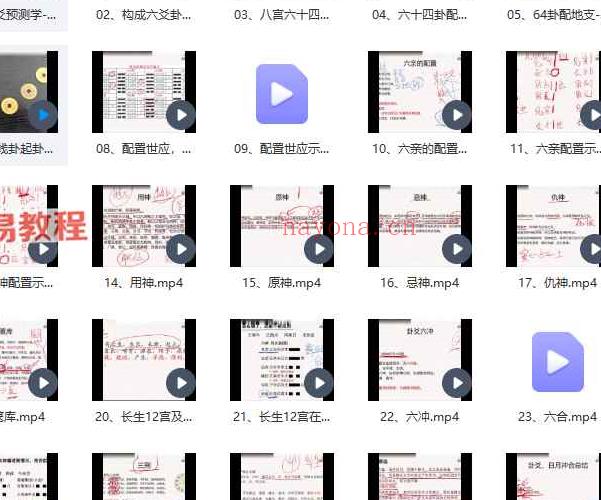
The following images are retained from the original course listing.
Before You Buy
This is a virtual learning product. The page describes the course or reference material; the original video or PDF content is not translated into English. Review the lesson count and format in the title and description. Digital delivery details are provided with your order; no physical shipment is included.
Related Learning
Explore the I Ching Casting & Changing Lines Courses collection, all I Ching and divination resources, or contact Karma Kismet with course questions.
Related Courses
- Six Yao Casting and Changing Lines: 18 Lessons
- Li Munan Six Yao Case Studies and Zeng Shan Bian: 42 Lessons
- Liang Weibin Eight Trigrams and Six Yao Intensive: 55 Lessons
A Stepwise Route Through Six Yao
Dailin’s 65-video series is organized around the mechanics of building a Six Yao chart and then interpreting examples. Its opening subjects include the elements of a six-line hexagram, the eight palaces and 64 hexagrams, branch assignments, and coin casting. Later entries move into line roles, changing conditions, and topic-specific cases. That progression gives a beginner a clear question to ask at every stage: how was the diagram made, and how did the interpreter use it?
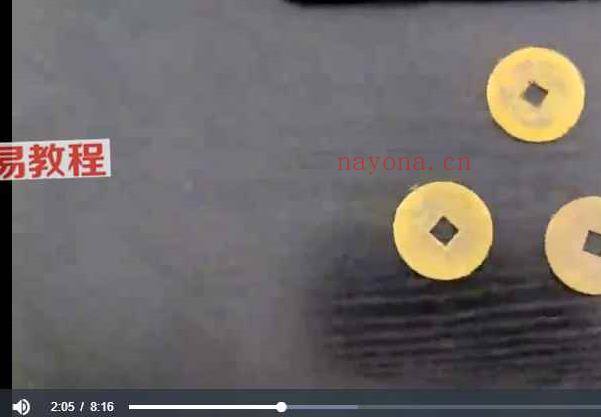
Coin casting is a traditional way of generating line values. Learning the procedure means more than recording six results. The lines are placed in a defined order, their solid or broken forms must be distinguished, and moving lines must be marked so the original and resulting hexagrams do not become confused. Practice with invented examples is enough to learn the notation. There is no need to treat a practice cast as an answer to a personal problem.
Build the chart before reading it
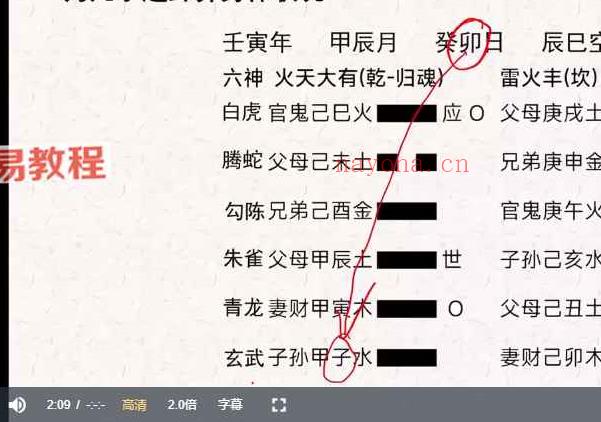
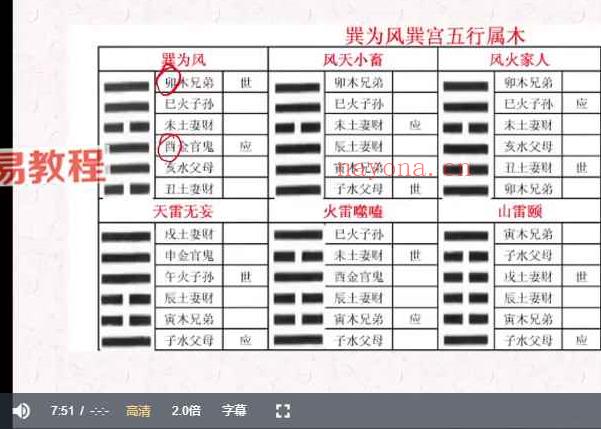
The listed sequence includes examples of casting, configuring the self and response lines, assigning the six relationships, and assigning the six spirits. Each is a separate operation. If all labels are placed on a chart at once, a newcomer may struggle to see which rule produced which mark. Use a blank six-line template and add one layer at a time. Preserve an unmarked copy so that an incorrect assignment can be found and corrected without reconstructing the entire exercise.
Branch assignments and the eight-palace framework can be particularly demanding because they connect a visible diagram to a larger classification scheme. A learner may benefit from writing out one completed hexagram in full and then repeating the procedure with a contrasting example. Explain aloud why each branch or role belongs where it does. If the explanation depends only on remembering the instructor’s answer, return to the underlying rule.
Changing lines are another important point of focus for this collection’s category. Mark the initial line form, the movement indicator, and the changed form separately. Then ask which statements in a lesson refer to the original configuration and which refer to the changed one. This prevents a common note-taking error: combining details from two diagrams into one interpretation that neither diagram actually supports.
Understanding the Vocabulary of Interpretation
After chart construction, the lesson list introduces the useful factor and related supporting, conflicting, or competing factors. These terms describe roles within the Six Yao method. Their meaning depends on the question and the assigned relationships, so a line cannot be called useful in every example merely because it was useful in one. When reviewing a demonstration, identify the question first, then trace the instructor’s choice of focal factor.
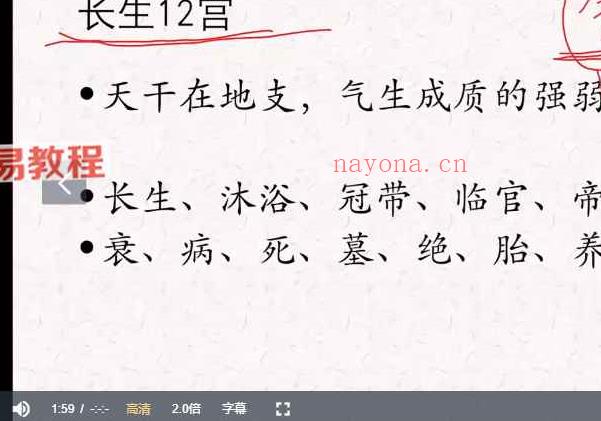
Further listed subjects include the five-phase states, storage or tomb concepts, the twelve growth stages, clashes, combinations, harms, penalties, emptiness, hidden and visible factors, and advancing or retreating movement. The number of terms can make the course feel harder than its early lessons suggest. A small set of carefully annotated examples will usually serve better than copying every term into a long glossary. Add a term when you can point to its effect in a specific chart.
The series also includes a summary of timing judgments. In traditional Six Yao interpretation, timing is an internal part of the reading method. It should be studied as a rule the instructor applies, not treated as a reliable schedule for a real event. If a lesson gives a date or period in a case, note the symbolic steps used to reach it and keep the uncertainty explicit.
Working through the case lessons
The latter part of the listing contains groups of examples under topics such as illness, lost property, relationships, investment, property purchase, employment, examinations, and disputes. These themes show the range of questions to which the method has traditionally been applied. They do not turn the course into medical, financial, legal, or career guidance. For study purposes, compare the mechanics across case groups: how the relevant line was selected, what movement was considered, and which factors the instructor gave priority.
- Before a case explanation, write a one-sentence description of the question without adopting its assumed outcome.
- Copy the starting and changed hexagrams, checking line order carefully.
- List the technical labels that can be verified from the diagram and the stated rules.
- Separate those labels from the instructor’s interpretive judgment.
- After watching, summarize the reasoning in plain language and identify any unexplained step.
For cases involving a person’s health or a legal dispute, the best exercise is methodological: examine the logic of the example while refusing to apply the conclusion to a real person. The same caution applies to investment cases. A symbolic chart cannot replace clinical assessment, legal advice, financial analysis, or direct evidence.
Making a Beginner-to-Advanced Plan
The title describes a long learning arc, but the pace belongs to the learner. Complete a few early lessons, then pause to draw charts without looking at a finished example. Once casting and assignments feel reproducible, move to the sections on relationships and changing conditions. Only then use the case lessons as tests of comprehension. This order turns the 65-video listing into a set of manageable tasks rather than a race to finish every recording.
A useful progress marker is whether you can find your own mistakes. If a branch assignment differs from the lesson, can you identify the rule that produced the difference? If you cannot explain why a useful factor was chosen, can you locate where the question was classified? These checks measure your grasp of the taught system more directly than a count of videos watched.
Maintain two kinds of notes. The first is a procedure sheet with steps that can be checked, such as line order and assignments. The second is an interpretation journal that records how the instructor weighs factors when more than one rule appears relevant. Procedure errors can often be corrected with a reference diagram. Interpretive differences require closer attention to context and sometimes remain open to more than one reading within a tradition.
Who this series may suit
A reader new to Six Yao may appreciate the early casting and setup examples. Someone with prior I Ching exposure may use the longer sequence to compare a detailed line method with broader hexagram commentary. The original videos are in Chinese, so the ability to follow spoken Chinese and technical vocabulary will affect how much can be learned directly. The English description is an orientation to the listed subjects, not a translation of the instruction.
The series may be less suitable for someone who wants only a brief account of I Ching history or philosophy. Much of the listing concerns procedural assignments and applied examples. It also should not be approached as a way to secure dependable answers about health, relationships, work, investments, or disputes. These lessons present a cultural interpretive practice for examination and discussion.
Questions About Dailin’s 65 Lessons
Where should a complete beginner start?
Start with the elements of a six-line hexagram and the coin-casting examples. Draw several practice charts and check line order before adding branches or interpretive roles. The later cases make more sense when chart construction is familiar.
Why are there separate lessons on assignments and examples?
An assignment lesson explains a rule; an example shows how that rule appears on a particular chart. Work through both. A copied answer may look correct while hiding a misunderstanding of the procedure that produced it.
Do changing lines automatically determine a conclusion?
No. They are one part of the traditional diagram and must be read alongside the question and the method’s other assignments. In study, keep the original and changed diagrams distinct and follow the instructor’s reasoning step by step.
Can the illness or investment cases guide a real decision?
No. Their purpose here is to illustrate how Six Yao rules are applied within the course. Health concerns require qualified care, and financial choices require suitable evidence and advice. A traditional case explanation is not a substitute for either.
How can I tell whether I am ready for the advanced examples?
Try reconstructing a basic chart, explaining its line roles, and identifying the focal factor without seeing the completed notes. If those tasks are still uncertain, revisit the corresponding setup lessons. Advanced examples are easier to evaluate when the underlying operations are clear.