An 18-lesson Six Yao and Na Jia course that starts with casting and chart setup, then moves to five case studies.
Course Overview
This English guide organizes the supplied traditional Chinese learning material around a clear course sequence. The underlying recorded lessons or documents may be in Chinese; review the stated format and curriculum before purchase.
What You Will Study
- Na Jia casting and chart setup
- Heavenly Stems, Earthly Branches and Six Relations
- Changing lines and applied case analysis
Course Scope and Format
An 18-lesson Six Yao and Na Jia course that starts with casting and chart setup, then moves to five case studies. The course title and description identify the lesson count or page length when stated in the supplied curriculum. This is a digital educational product; no physical item is shipped.
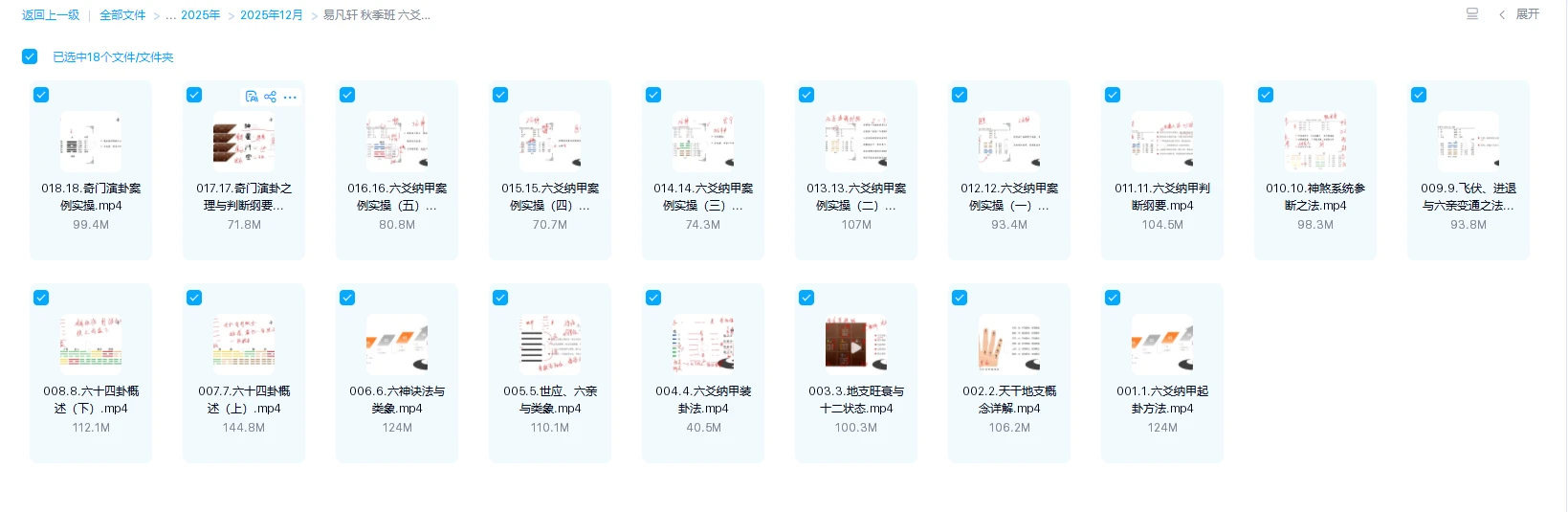
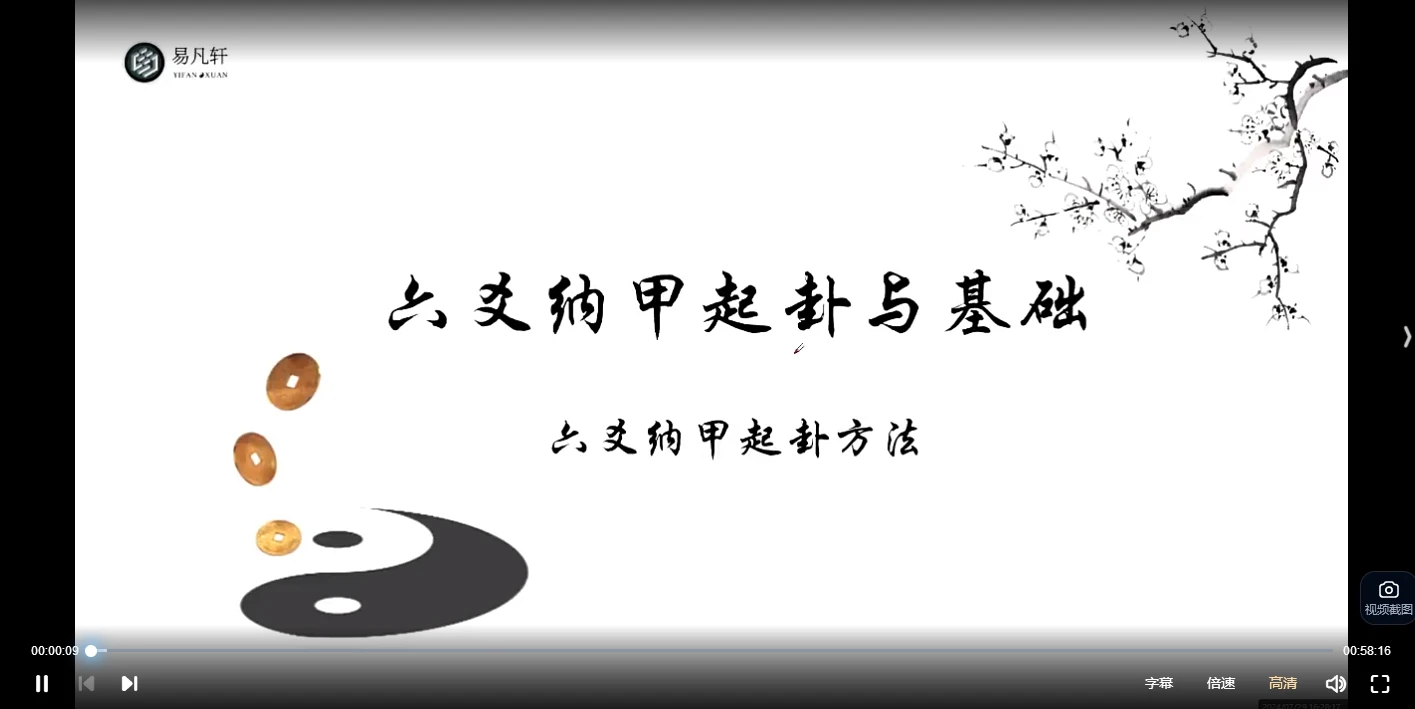
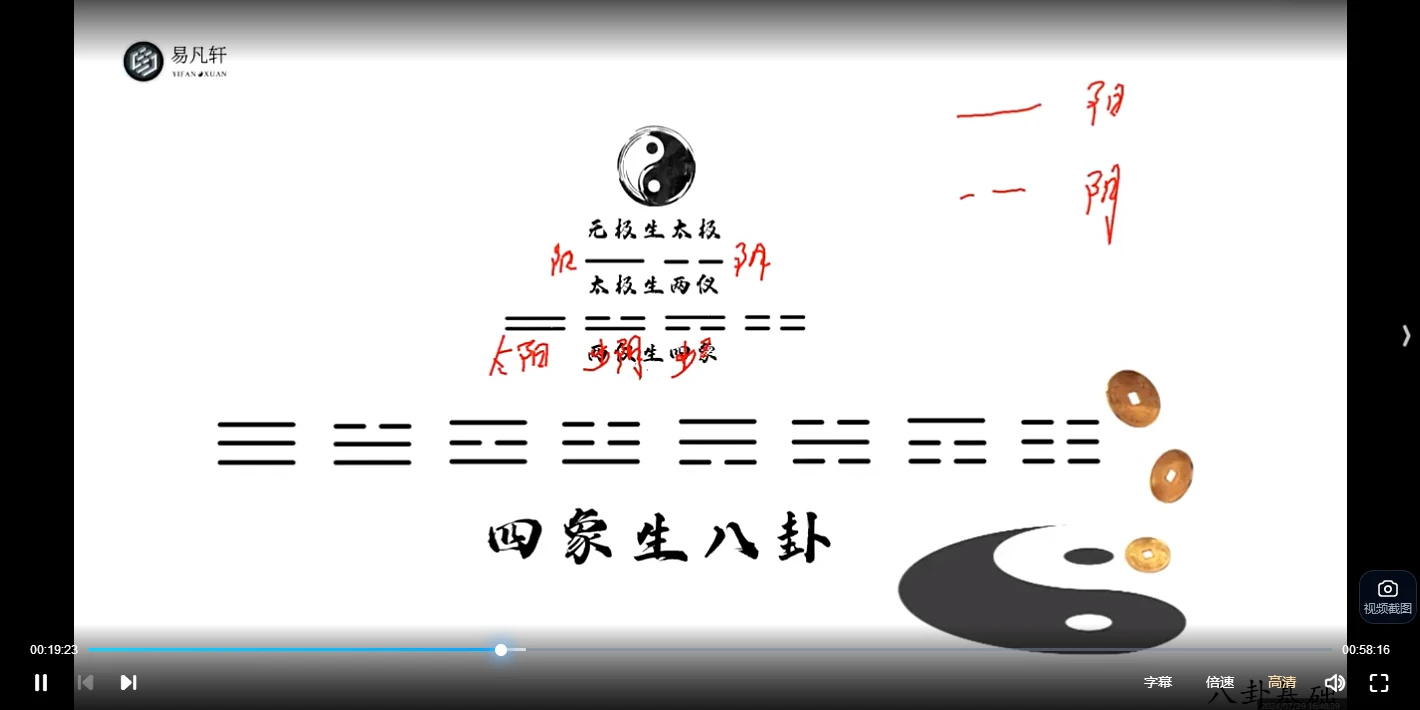
Original Course Preview Images
These images come from the original course listing and help show the supplied material.
Who This Resource Is For
This resource is for learners of traditional Chinese metaphysics who want to study the named method and compare the recorded examples with the stated rules. Beginners should start with terminology and basic procedures before moving to advanced cases.
Study Approach
Follow the lessons in order, keep a glossary of Chinese terms, and document the steps used in every example. Distinguish a traditional interpretation from an evidence-based claim or a guaranteed personal outcome.
Digital Delivery
This product is virtual and downloadable. No physical shipment is required. Check the product and order details for the available delivery format.
Frequently Asked Questions
Is the material in English?
The product guide is in English. Original lessons and documents may be in Chinese.
Is this a physical product?
No. It is a digital study resource.
Does the method guarantee a result?
No. Traditional interpretations are presented for cultural and educational study, not as guaranteed predictions or professional advice.
Related Learning
Browse the I Ching Casting & Changing Lines Courses collection and the full course library.
- I Ching Applied Practice: 80 Video Lessons
- Plum Blossom Numerology and Trigram Practice: 89 Lessons
- I Ching for Beginners: Casting and Reading Hexagrams
- The 64 Hexagrams Explained: Video and Study Guide
For course questions, contact Karma Kismet.
Following a Six Yao Figure from Casting to Change
This 18-lesson course introduces Six Yao and Na Jia through a sequence that begins with forming and setting up a figure, then moves into case work. The source listing names lessons on casting, heavenly stems and earthly branches, chart setup, the self and counterpart positions, relational categories, six spirits, and an overview of the 64 hexagrams. Later entries address further interpretive concepts and five case exercises. For a learner, the central task is to keep each stage distinct: the raw result, the assembled chart, the rules applied to it, and the interpretation finally proposed.
Why chart construction deserves attention
A Six Yao reading contains more information than a six-line drawing alone. In the Na Jia framework, additional labels and relationships are placed on the figure according to the system being taught. A beginner can become absorbed in what an example supposedly means while missing an earlier placement error. Practice building a chart without interpreting it. Check line order, record which lines change, and add each label only after the previous step is verified. The aim is a chart another learner could reconstruct from your notes.
The lessons identified in the listing include heavenly stems and earthly branches, branch states, installing a hexagram, self and counterpart positions, relational categories, and six spirits. These are terms in the method, not interchangeable synonyms. Make a separate entry for each: what it labels, how the label is determined in the taught procedure, and how the lesson later uses it. When two terms appear on the same line, note that they answer different questions about the chart. This prevents a visually crowded figure from becoming conceptually crowded as well.
Changing lines as a separate study problem
The title highlights changing lines. A learner should first be able to identify which lines change in the casting method and show the resulting figure accurately. Only afterward should the interpretive significance be considered. Copy the initial and changed figures side by side, marking the position of each altered line. Then compare the explanation of the initial figure with that of the changed one. Avoid assigning a fixed, universal meaning to every change without checking the particular rules being presented.
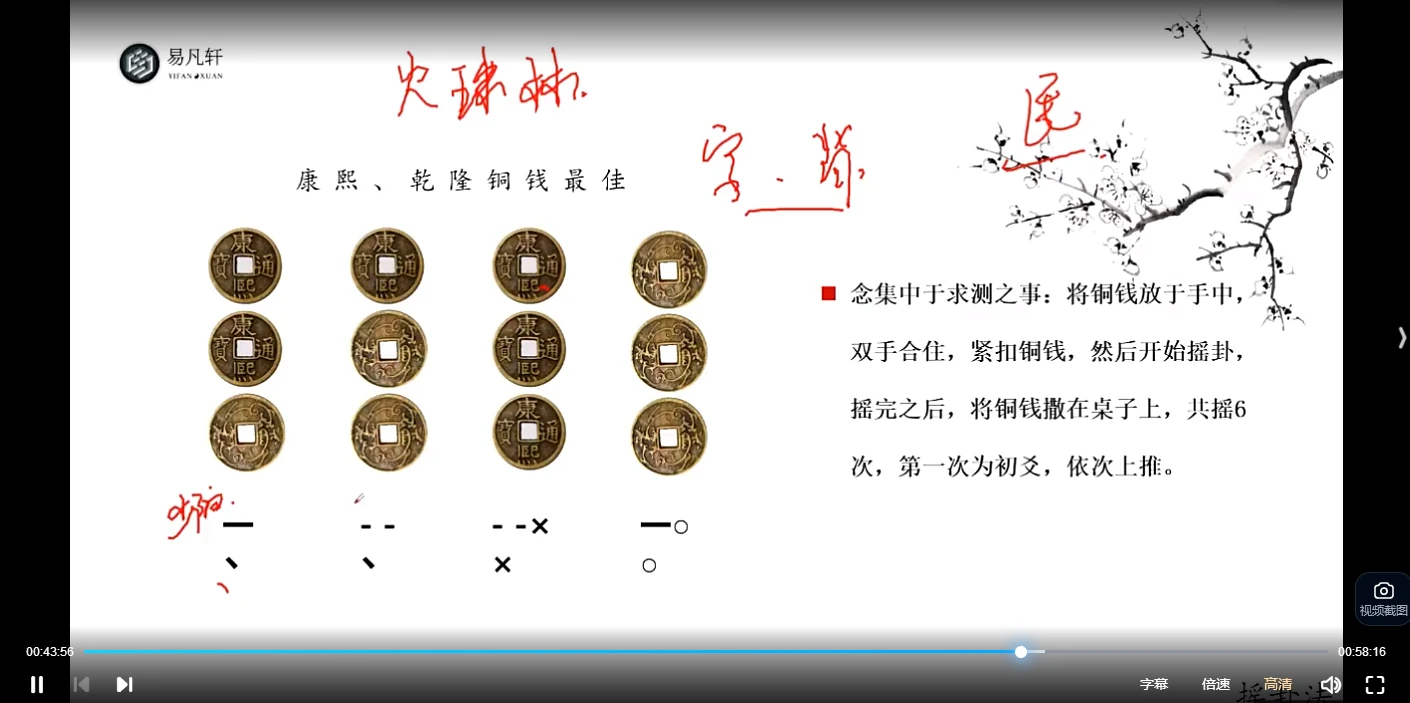
- Transcribe the casting result exactly before drawing a conclusion.
- Number the six lines in the order used by the course.
- Construct the original figure and mark each changing line.
- Draw the resulting figure independently and verify every line.
- Add Na Jia and other chart labels according to the taught sequence.
- Only then review the case’s stated reasoning and conclusion.
If you cannot reproduce the result, the useful next step is to locate the first mismatch. Was the casting recorded incorrectly, was a line changed in the wrong direction, or was a later label placed on the wrong position? A specific error teaches more than simply comparing final answers.
Use the cases to test understanding
The listing identifies five successive case-practice lessons after a lesson on the outline of judgment. Before playing a case explanation, pause once the initial facts and chart are clear. Write a provisional account of what you think the instructor will examine first and why. Continue the lesson, then compare your sequence with the one shown. Even when your conclusion differs, you may have correctly understood a charting step. Conversely, matching a conclusion by chance does not show that you followed the method.
For each case, keep four columns in ordinary notes or separate paragraphs: facts stated in the question, chart features, interpretive rules cited, and claims made at the end. This is a private study device, not a claim about the course’s presentation. It exposes moments when a conclusion depends on information that was not stated or on a rule introduced without explanation. It also helps you revisit the lesson after learning later concepts such as hidden and appearing elements or advancing and retreating patterns named in the source listing.
Understand the scope of the final lessons
The listed sequence ends with an introduction and a case concerning Qimen-derived hexagrams. Treat that material as a distinct extension to investigate, rather than silently folding it into every earlier Six Yao exercise. First identify which parts of the figure and terminology belong to the Six Yao setup already learned. Then note what additional perspective the final lessons introduce. If the relationship between the two approaches is unclear, write that as a question. Maintaining clear boundaries between methods is more useful than assuming that several systems must always produce the same answer.
Who may find the course suitable
The progression from chart setup to cases may suit a newcomer who wants a defined sequence of technical steps. It may also help someone who recognizes hexagrams but has not worked through Na Jia labels systematically. The lesson list is specific enough to support deliberate review: a learner can return to the exact stage where an error occurs. If you are new to Chinese terminology, make extra time for the stem and branch concepts before attempting the more detailed chart discussions. If you already know another method of casting, compare procedures carefully rather than assuming they are identical.
Limits and careful use
A case can illustrate how an interpreter reasons within a traditional system. It cannot establish that the reasoning reliably predicts health, employment, finances, relationships, or other consequential outcomes. The source discussion makes strong claims about practical accuracy; those claims should be treated as part of its promotional interpretation, not as verified results. When studying, ask whether the initial conditions, method, and outcome are all independently clear. For real decisions, seek direct evidence and appropriate professional guidance. It is entirely possible to appreciate a structured symbolic method while remaining cautious about claims made on its behalf.
Questions about the 18-lesson sequence
Should I begin with the five cases? The listed order places casting and chart construction first. Working through those steps will make it easier to understand how a case reaches its interpretation.
What is the first thing to check when my chart differs from an example? Check the recorded casting result and line order. Then verify each added label in the sequence taught, rather than changing the final interpretation to make it fit.
Are changing lines and the changed hexagram the same thing? They are related but distinct. Mark the individual lines that change, then draw and identify the resulting six-line figure.
Does the final Qimen example replace the earlier Six Yao method? The listing presents it at the end as an additional topic. Study which rules belong to each approach before attempting to compare them.
Can a case outcome validate the method? A single reported outcome cannot establish general reliability. Examine the complete reasoning and use evidence outside a divination exercise for important choices.