A 55-lesson, approximately 38-hour video training series by Liang Weibin focused on Eight Trigrams and Six Yao practice.
Course at a Glance
This digital learning resource presents the course named above. Its original lessons and study materials are in Chinese; this English page helps readers understand the subject and listed scope before choosing to study it. No physical item is shipped.
What the Course Covers
- The Eight Trigrams and hexagram framework
- Six Yao terminology and interpretation
- Advanced class examples and guided practice
How to Study This Material
Begin with the terminology, then follow the source lesson sequence and compare each worked example with the method being taught. Keep a record of the symbols, assumptions and steps used in each interpretation. Traditional divination is presented here as a cultural study method, not as a guaranteed prediction or substitute for professional advice.
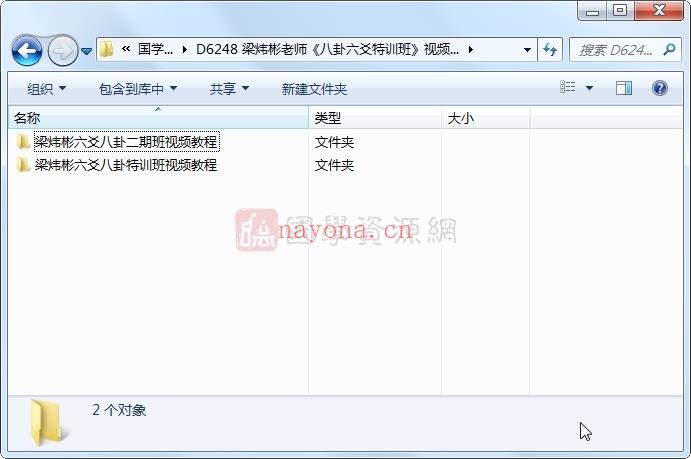
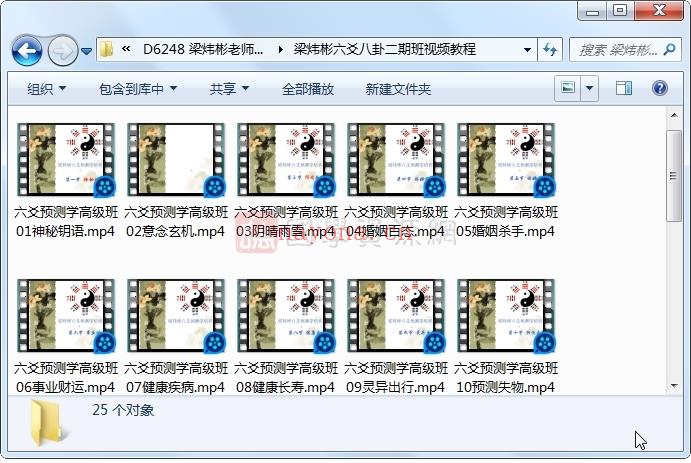
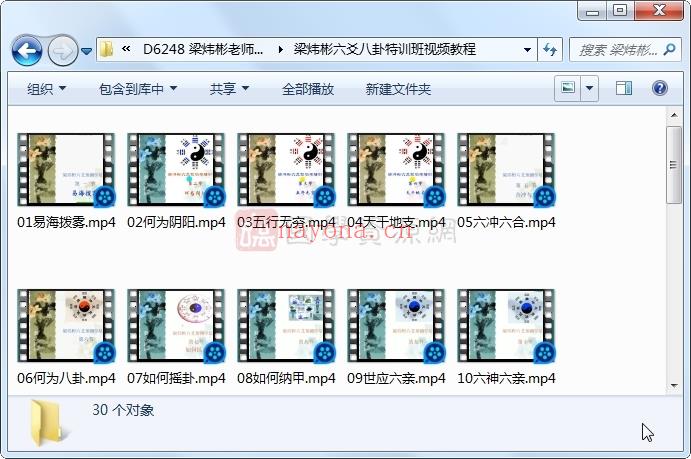
Original Course Preview Images
The following images are retained from the original course listing.

Before You Buy
This is a virtual learning product. The page describes the course or reference material; the original video or PDF content is not translated into English. Review the lesson count and format in the title and description. Digital delivery details are provided with your order; no physical shipment is included.
Related Learning
Explore the Hexagram & Trigram Courses collection, all I Ching and divination resources, or contact Karma Kismet with course questions.
Related Courses
- The 64 Hexagrams Explained: Video and Study Guide
- Dailin Six Yao Prediction from Beginner to Advanced: 65 Lessons
- Qingfeng I Ching Foundations: 21 Video Lessons
Connecting the Eight Trigrams with Six Yao Practice
This 55-lesson series brings together the symbolic language of the Eight Trigrams and the more detailed line-by-line procedures used in Six Yao. For a learner, the central challenge is to see how a hexagram is assembled before trying to interpret it. The trigrams provide a way to recognize a pattern; the six lines allow that pattern to be examined through positions, relationships, movement, and the question being considered. Studying these layers separately can make the later examples easier to follow.
The listed lessons move through introductory ideas such as yin and yang, the five phases, heavenly stems, earthly branches, and the trigrams. They also name practical steps including casting a hexagram, assigning branches, identifying the self and response lines, and selecting a relevant line for a question. Those are parts of a traditional interpretive system. They are useful subjects for cultural and textual study, but their symbols do not establish facts about an event or a person.
From symbols to a worked interpretation
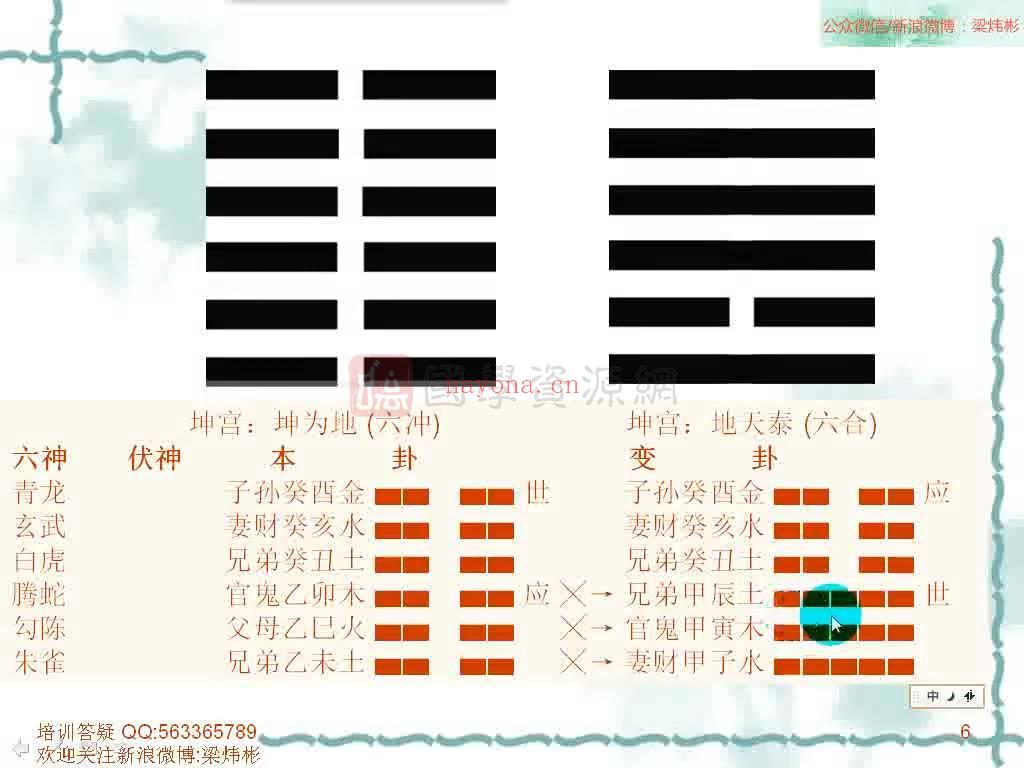
A helpful first exercise is to draw six lines on paper and label them from bottom to top. Mark which lines are solid or broken, then identify the lower and upper trigrams. If a lesson presents moving lines, keep the original and changed hexagrams side by side. This simple record prevents an interpretation from becoming a collection of remembered impressions. It also gives you a stable diagram to revisit when the instructor introduces another term.
The source lesson list includes Na Jia assignments, the six relationships, the six spirits, and the roles often translated as useful, supporting, opposing, and competing factors. Instead of memorizing every label at once, ask what job each label performs in the example. Does it classify a line, describe a relationship, or affect the order in which the instructor examines evidence within the traditional method? A glossary with one example per term is more useful than a long list of English equivalents without context.
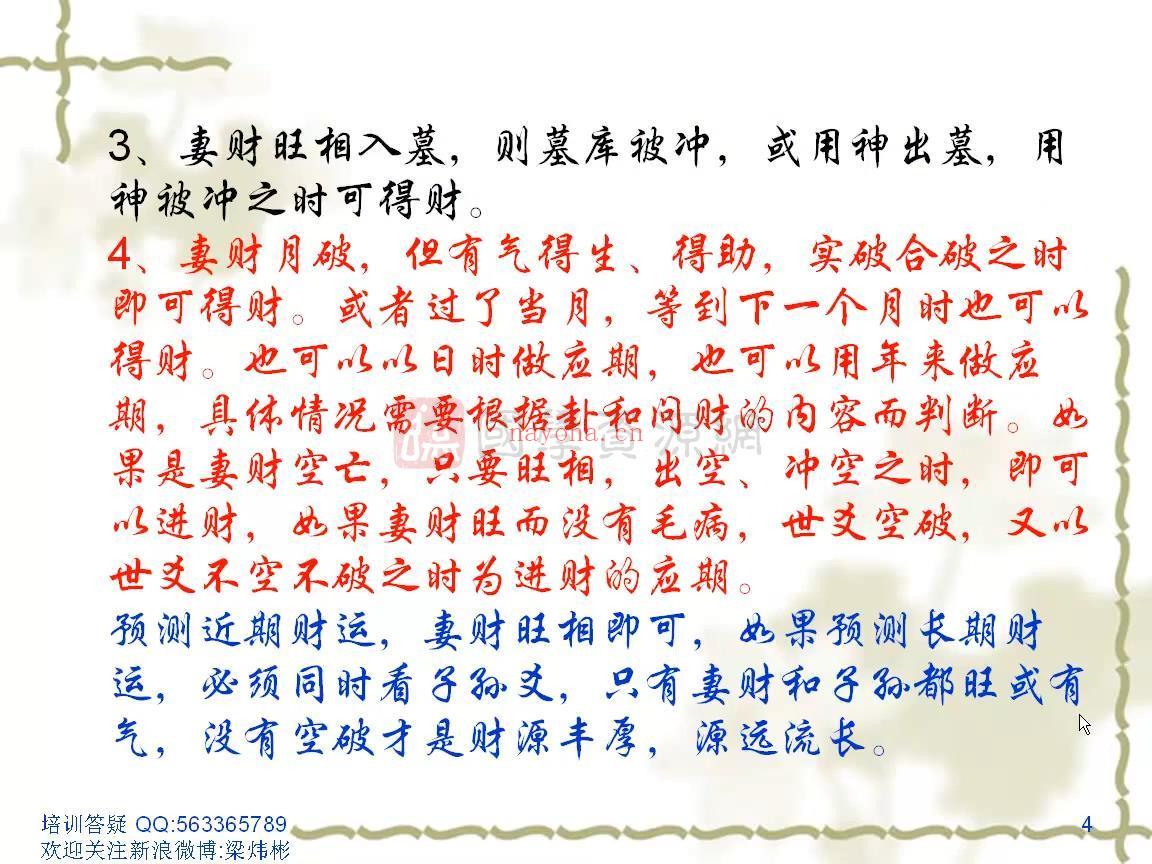
Some lessons discuss the day and month, emptiness, clashes and combinations, growth stages, advancing or retreating movement, and timing judgments. These terms belong to the internal logic of the method. When taking notes, distinguish the rule as stated from the instructor’s choice to apply it in a particular example. Two examples may share the same symbol yet receive different readings because their questions and surrounding line relationships differ.
How to Study a Long Intensive Series
With approximately 38 hours across 55 lessons, this is substantial material. A steady pace leaves room to redraw diagrams and check terminology. Begin with the introductory sequence before watching a case based on a topic you recognize. Later examples will be easier to assess when you can identify how the hexagram was obtained and where each line assignment came from.
- Write the question or theme of an example in neutral words. Avoid adding details that the example has not supplied.
- Reconstruct the base diagram and any changed diagram before listening to the conclusion.
- Record each assignment separately: trigrams, branches, self and response positions, relationships, and any moving lines.
- Pause at the point where a focal line is selected. Note why the instructor treats that line as relevant.
- After the explanation, compare your notes with the stated reasoning and mark any step you cannot reproduce.
This approach is especially useful for the later case-oriented lessons. The list includes examples framed around relationships, work, travel, lost objects, homes, and other everyday concerns. Their value for study lies in revealing how the instructor moves from a diagram to an interpretation. They should not be used as evidence that a traditional reading can establish someone’s health, conduct, safety, or future.
Comparing rules across examples
A compact comparison notebook can show where your understanding is strong. Give each example its own page with the question, diagram, selected line, relevant traditional rules, and a short explanation in your own words. On a separate page, collect recurring decisions: when a moving line matters, when an absent useful factor is discussed, or how the self and response positions are treated. If the same rule seems to work differently in two lessons, return to the full context before assuming a contradiction.
Translation deserves care. English labels for Chinese technical terms are aids, not perfect replacements. Keep a transliterated term alongside the Chinese term where possible, and note the exact meaning used in the lesson. That makes it easier to recognize when two translations refer to one concept or when a familiar English word carries a narrower technical meaning.
Who May Find This Material Useful
The series may suit someone who has encountered trigrams or hexagrams and wants a structured look at Six Yao procedures. It may also interest readers comparing approaches to traditional Chinese divination, especially those willing to work carefully through diagrams and examples. A complete beginner can start with the early conceptual lessons, but should expect unfamiliar terminology and should allow time for repeated review. The original instruction is in Chinese, so access to that language or a reliable way to check terms will matter.
Readers seeking a general introduction to the I Ching may prefer to begin with basic line notation and the distinction between trigrams and hexagrams. Readers focused on historical or comparative study can use this series to observe one instructor’s choices without adopting its conclusions. The label intensive describes the breadth and pace of the listed material; it does not imply a credential or a guaranteed level of skill after completion.
Limits and responsible use
Traditional examples sometimes use serious subjects. A symbolic exercise cannot diagnose illness, assess danger, verify private behavior, or replace evidence and qualified advice. If a real decision concerns health, money, legal rights, safety, or another person’s welfare, use appropriate professional help and direct information. Keep the lesson example as an example of reasoning within a tradition. It should never be presented to someone else as a confirmed finding about their life.
It is also sensible to separate description from endorsement. A lesson may call a particular factor favorable or unfavorable within its framework. In your notes, write that the factor is treated that way by the method, rather than claiming that the underlying event will occur. This distinction makes study more precise and keeps the language fair to people who do not share the tradition’s assumptions.
Questions About the Liang Weibin Intensive
Do I need to memorize all eight trigrams before starting?
Recognition of solid and broken lines, the top and bottom trigram positions, and the way six lines form a hexagram is a useful starting point. Full memorization can develop gradually through repeated diagrams. Understanding how a label is assigned in an example is more valuable at first than recalling a list without being able to apply it.
What makes the Six Yao portion more detailed than a basic trigram reading?
Six Yao looks closely at the individual lines and their assigned relationships within a hexagram. The listed lessons add branches, self and response positions, useful factors, movement, and other traditional conditions. That extra structure gives the learner more steps to track, which is why written diagrams are helpful.
Are the case conclusions reliable predictions?
They are demonstrations of the instructor’s interpretive method. A learner can analyze whether the stated conclusion follows from the rules used in the lesson, but the example does not establish predictive reliability or provide a sound basis for a real-world decision.
How should I handle unfamiliar Chinese terms?
Keep a glossary that includes the original term, an English rendering, and an example of its use. Revisit an earlier diagram when a later lesson adds nuance. Avoid treating a translated word as a complete definition; its function within the method is what matters.
Can I begin with the advanced examples?
You can preview one to see the teaching style, but a careful study is likely to be clearer after the lessons on casting, line assignments, and relationships. When an advanced example uses a term you cannot explain, trace it back to the relevant earlier lesson before continuing.