A 169-lesson Plum Blossom Numerology video series by Shen Qinghe, moving from yin-yang and trigram basics to hexagram interpretation and worked examples.
Course at a Glance
This digital learning resource presents the course named above. Its original lessons and study materials are in Chinese; this English page helps readers understand the subject and listed scope before choosing to study it. No physical item is shipped.
What the Course Covers
- Yin-yang, the eight trigrams and the five elements
- Trigram directions, symbolic associations and the twelve branches
- How to interpret a hexagram and organize an example reading
How to Study This Material
Begin with the terminology, then follow the source lesson sequence and compare each worked example with the method being taught. Keep a record of the symbols, assumptions and steps used in each interpretation. Traditional divination is presented here as a cultural study method, not as a guaranteed prediction or substitute for professional advice.
Original Course Preview Images
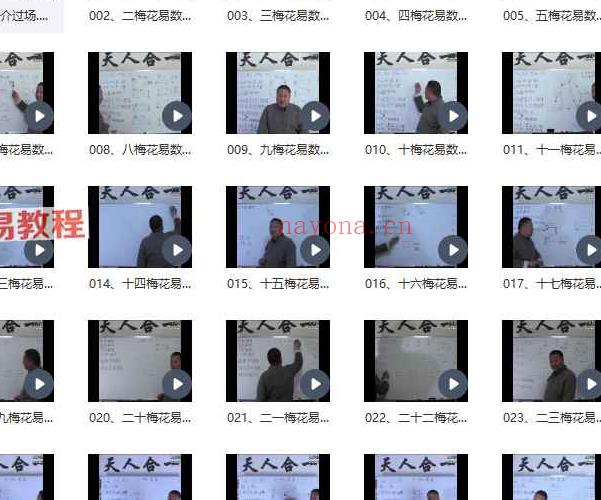
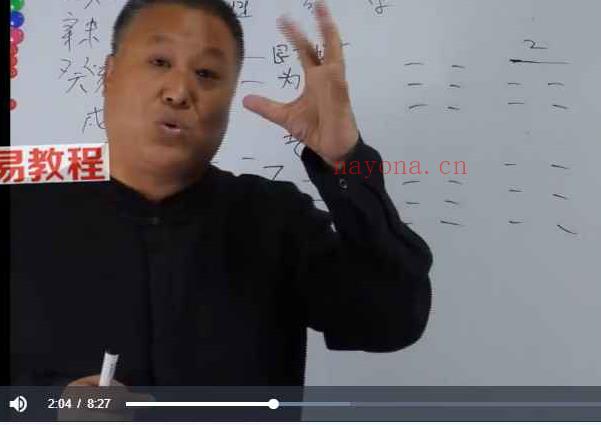
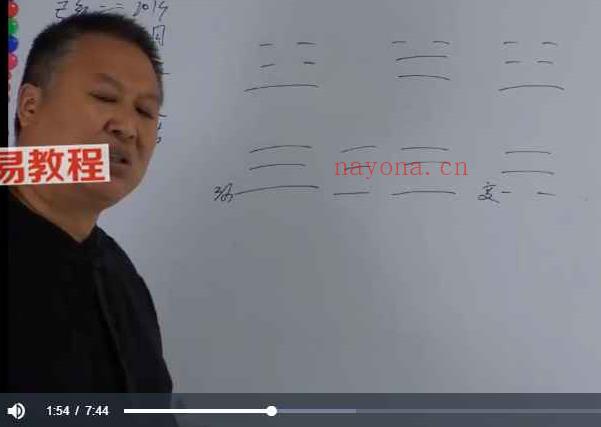
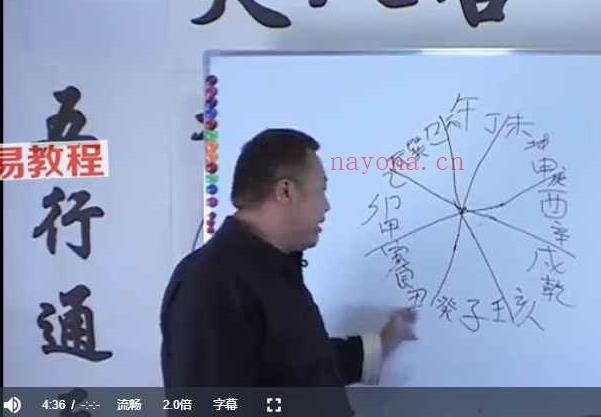
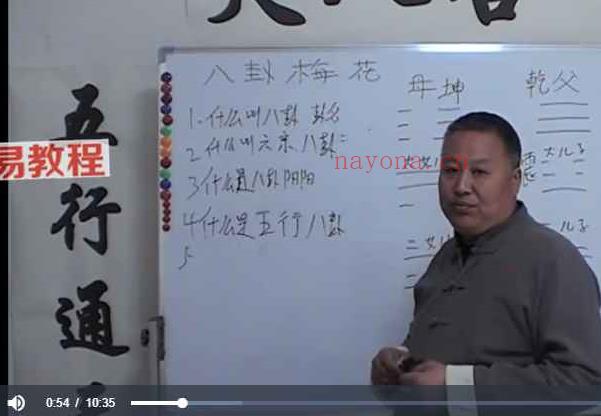
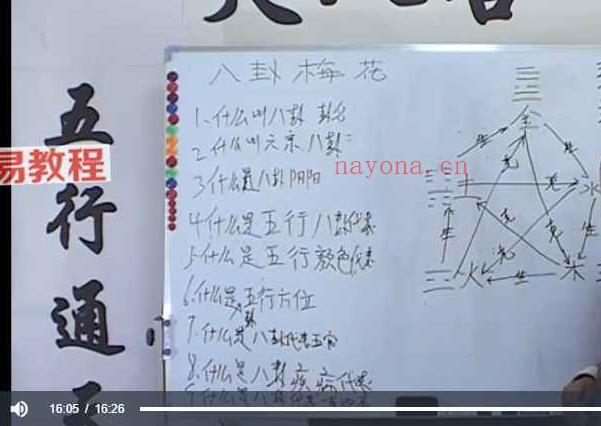
The following images are retained from the original course listing.
Before You Buy
This is a virtual learning product. The page describes the course or reference material; the original video or PDF content is not translated into English. Review the lesson count and format in the title and description. Digital delivery details are provided with your order; no physical shipment is included.
Related Learning
Explore the I Ching Courses collection, all I Ching and divination resources, or contact Karma Kismet with course questions.
Related Courses
- I Ching Applied Practice: 80 Video Lessons
- Chen Zhongyi Han Yi Six Yao Course: 47 Video Lessons
- Tie Ban Shen Shu Intermediate Study Guide: 30 Pages
From Basic Symbols to Worked Readings
Shen Qinghe’s 169-lesson Plum Blossom I Ching series is described as moving from introductory ideas toward hexagram interpretation and examples. That breadth gives learners a reason to set milestones. Trying to remember every association at once can obscure the process that connects a trigram, a hexagram, and an interpretation. Use the lesson sequence to build a small, tested vocabulary first, then examine how the instructor applies it in a complete reading.
The source list begins with introductory videos on yin and yang, the eight trigrams, the five elements, relationships, directions, and the twelve earthly branches. It also names lessons on time-based examples and the flow of interpretation. These titles help show the range of subjects, but a title is not a transcript. Watch each lesson before attributing a specific rule or conclusion to it. Where the videos discuss traditional associations involving the body or illness, treat those passages as descriptions of a belief system, not as medical guidance.
Learn the Symbolic Language in Context
Yin and yang provide a paired vocabulary for patterns and relationships within Yi studies. Trigrams offer another set of symbolic categories, and hexagrams combine lines into more complex figures. The five elements and earthly branches are further traditional frameworks that may be brought into an interpretation. A beginner need not assume that memorizing lists equals understanding a reading. The important question is what role a particular symbol plays in the specific example under discussion.
Keep a notebook with one page for each concept group. Include the Chinese term, a cautious English gloss, the lesson where it appears, and an example of how the instructor uses it. If a symbol has several associations, record the context for each association. That prevents a single keyword from being applied to every situation. Your notebook should show how your understanding changes as later examples add detail.
Following a Long Video Sequence
A 169-lesson collection can support sustained study, yet its size can also make it easy to lose your place. Set a manageable viewing pace and keep a lesson log. After each video, write two or three sentences explaining what you can now distinguish more clearly. When a lesson introduces a procedure, try to reproduce its order from memory. Return to the recording and correct your notes where your reconstruction differs.
- Use the early foundation videos to identify the major terms and symbols before focusing on interpretive conclusions.
- For lessons that introduce a relationship, draw or describe that relationship in your own notes.
- When a time-based or other worked example appears, copy only the starting conditions and attempt the next step yourself.
- Pause the video before its interpretation and list the evidence the lesson has provided so far.
- Compare your reasoning with the instructor’s explanation, noting both agreements and unsupported assumptions.
- Review older lessons whenever a later example uses a term differently from the way you first understood it.
This method makes the length of the course an advantage: later examples become opportunities to test earlier definitions. It also keeps mistakes visible. A mistaken association is easier to correct when you know which lesson introduced it and which example challenged it. Avoid writing a polished interpretation immediately after watching a demonstration; first confirm that you can trace the steps that produced it.
Ask What the Example Actually Shows
Worked examples are valuable because they reveal the order in which a teacher notices symbols and makes choices. Record the question or situation used in the example, the figure or symbols considered, the relevant associations, and the final explanation. Then ask which parts are explicitly taught and which parts depend on the instructor’s judgment. This is particularly important in a method that uses symbolic correspondences: two plausible associations may be available, and the lesson may choose one for a reason that deserves attention.
If the course includes an interpretation you find persuasive, try explaining it without repeating the teacher’s words. Your explanation should identify the steps and acknowledge any ambiguity. If you cannot say why one association was preferred over another, that is a useful study question. It is more honest than treating an attractive conclusion as proof that you have mastered the method.
Who the Series May Suit
This series may suit readers who want an extended, Chinese-language route through Plum Blossom concepts and example analysis. Beginners can start with the early lessons, provided they are willing to review vocabulary repeatedly. Learners familiar with I Ching figures may use the examples to compare how this particular course organizes a reading. Someone seeking a short introductory overview may prefer to decide first whether the commitment of a long sequence matches their study habits.
The English product page summarizes the subject; it does not translate the original videos. Language comfort therefore matters. Names of trigrams, branches, and methods may appear in translation elsewhere, but a translation can conceal differences in usage. Keep the original terms beside any English notes, especially when one word appears to carry several meanings.
Culture, Interpretation, and Real-Life Decisions
Plum Blossom I Ching can be explored as part of the history and practice of Chinese symbolic interpretation. Studying a traditional reading does not make it a reliable forecast. Use examples to examine reasoning within the tradition, not to claim certainty about health, relationships, employment, or other serious matters. If an important decision requires evidence or specialist advice, seek those directly. An interpretation may prompt reflection, but it should not override relevant facts.
Be cautious with older or sweeping claims that a symbolic association reveals a person’s condition or guarantees an outcome. Such claims can be examined as statements within the course without adopting them as established knowledge. A responsible student can appreciate a tradition’s language while also stating where that language has limits. This is especially useful when discussing the material with someone who has not chosen to study it.
Questions About Shen Qinghe’s 169 Lessons
Should I watch all 169 videos before practicing an example?
No. Begin tracing simple examples once you understand the terms they use. Continue through the sequence as needed to see how later lessons develop the approach. Practice is most useful when paired with review.
Do the lesson titles tell me the complete curriculum?
They indicate subjects in the source list, including foundations and applied examples. They do not provide every explanation or establish the depth of each topic. The recordings themselves are the material to study.
How can I avoid confusing a trigram association with a fixed prediction?
Write down the context in which the association appears. Identify the other symbols and conditions the example considers. An association is part of an interpretive vocabulary, not an outcome that must occur.
Is this course appropriate if I only read English?
The page provides English orientation, while the original lessons are in Chinese. Consider whether you can follow spoken Chinese or work carefully with language support before committing to a long video course.
What would count as meaningful progress?
You should be able to name the symbols used in a lesson, explain the order of an example’s steps, and state which parts remain uncertain. That is a more useful measure than simply finishing a high number of videos.