An 18-video Bagua image-number prediction training collection by Yang Zhongyi, divided into two class phases.
Course at a Glance
This digital learning resource presents the course named above. Its original lessons and study materials are in Chinese; this English page helps readers understand the subject and listed scope before choosing to study it. No physical item is shipped.
What the Course Covers
- Eight Trigrams and image-number correspondences
- The first training phase and its foundational lessons
- The second phase; one listed lesson has no audio in the source description
How to Study This Material
Begin with the terminology, then follow the source lesson sequence and compare each worked example with the method being taught. Keep a record of the symbols, assumptions and steps used in each interpretation. Traditional divination is presented here as a cultural study method, not as a guaranteed prediction or substitute for professional advice.
Original Course Preview Images
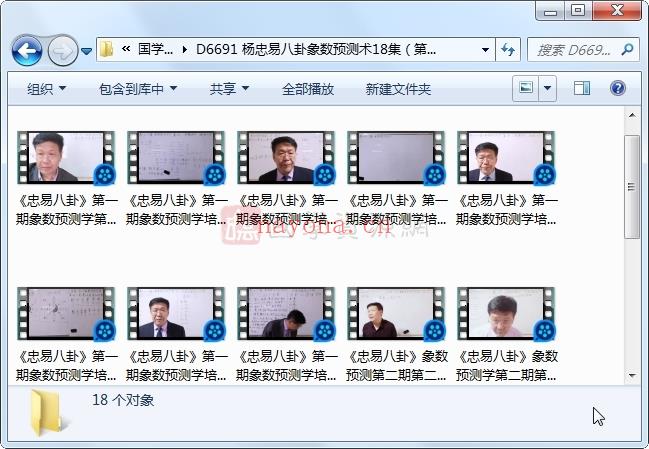
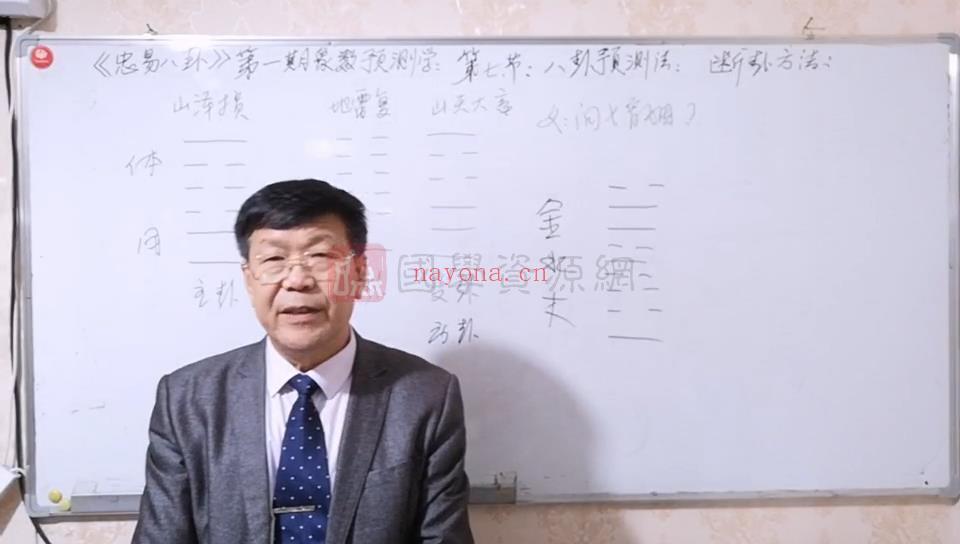
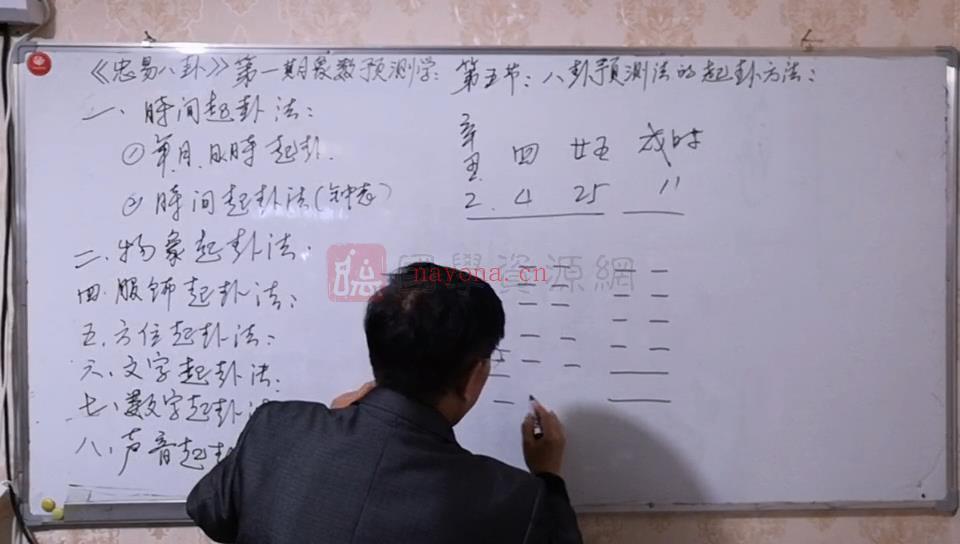
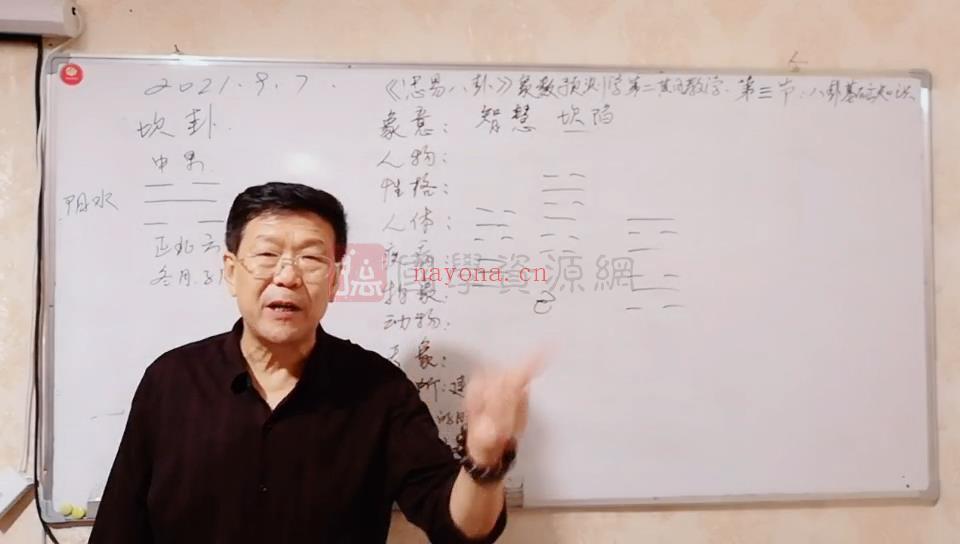
The following images are retained from the original course listing.
Before You Buy
This is a virtual learning product. The page describes the course or reference material; the original video or PDF content is not translated into English. Review the lesson count and format in the title and description. Digital delivery details are provided with your order; no physical shipment is included.
Related Learning
Explore the Bagua Image-Number Studies collection, all I Ching and divination resources, or contact Karma Kismet with course questions.
Related Courses
- Bagua Image Number Prediction: Applied Lessons
- Tai Yi Jing Advanced Tai Yi Divination Practical Course
- Xuanqing Life Numbers and Triangle Law Workshop: 42 Lessons
Approaching Bagua Through Image and Number
Yang Zhongyi’s collection is identified as 18 video lessons in two training phases. The subject is Bagua image-number prediction, a traditional way of relating the Eight Trigrams to images, numerical correspondences, and interpretations. The title tells readers the broad field, while the source file list supplies the two-phase structure. It does not give detailed topics for individual lessons, so a student should discover the specific teaching sequence from the recordings rather than assume a complete syllabus from the filename order.
Image and number are related but distinct parts of this subject. An image may be a visual form, a feature of a situation, or a symbolic association used in a traditional reading. A number may identify a trigram, organize a step, or result from an operation. A lesson can move quickly among these roles. Making each role explicit is one of the best ways to understand the reasoning rather than memorizing a conclusion.
Start with the Eight Trigrams
Bagua means Eight Trigrams. Before interpreting a case, make sure you can recognize each trigram in the notation used by the instructor. Record the name, line pattern, and any image or number association that the lesson actually states. Different traditions can arrange or emphasize correspondences differently. When comparing outside references, note which arrangement each source uses instead of combining values without checking their context.
Simple drawing can help. Recreate a trigram from the lesson, label its parts, and then compare your drawing with the screen. This exercise tests recognition without requiring a prediction. If a derived form appears, write each transformation separately. A visually small change can alter the symbolic object being discussed, so careful copying matters.
Distinguish a prompt from its reading
In an image-number example, first identify what prompted the inquiry. Was there a described event, a question, or a selected set of symbols? Then list the information introduced during the interpretation. If a number is produced, record exactly how it was obtained. If an image is invoked, note whether it came from a stated correspondence or from the interpreter’s judgment. These questions help a student see which steps are reproducible and which remain open to interpretation.
The word prediction in the title reflects the traditional purpose of the method. It should not be treated as proof that a reading can determine future events. The course can still be studied seriously as a system of symbols and reasoning. A strong study note explains a proposed reading in its own terms while acknowledging that an alternative account of the same situation may exist.
Using the Two Training Phases
The file list identifies an initial phase with eight numbered lessons and a second phase with ten. That structure gives a natural checkpoint after the first group. Before moving on, summarize the terms and procedures you can explain without replaying the video. List any step you can perform only by copying the instructor. Those are the places to revisit. In the second phase, compare each new example with the first-phase notes and mark whether it introduces a new rule or applies an earlier one in a different setting.
-
Watch one lesson for its overall question and vocabulary. Avoid pausing so often that the argument becomes difficult to follow.
-
On a second viewing, pause at every transformation of an image or number. Copy the inputs and output into a dated study note.
-
Check whether the transformation can be repeated from the information shown. If an input is missing, describe the gap plainly.
-
Write the proposed interpretation after the working steps. Use separate wording for what the instructor says and what you infer.
-
At the phase boundary, create a short index of concepts. Link each concept to a lesson number so later examples can be compared efficiently.
The source listing notes that the second lesson of the second phase has no sound. That is a material limitation for any learner relying on spoken explanation. The video may show visual material, but the listing does not establish whether its missing audio can be reconstructed. Plan to treat that lesson as incomplete unless the visible content itself makes a step clear. Do not fill its gaps with guesses from neighboring recordings and present those guesses as the instructor’s teaching.
Working around an incomplete lesson responsibly
When you reach the silent lesson, first note what can actually be seen: titles, diagrams, written labels, demonstrations, or changes on screen. Then make a second list of questions that would have required narration. If another lesson later revisits the same concept, compare it and label any connection as an inference. This distinction is especially useful when studying a two-phase collection, because later material may assume an explanation that the silent recording does not provide.
A student whose main aim is listening practice or a fully narrated sequence should consider this limitation before relying on the course. A student comfortable with visual note-taking may still find parts of the lesson useful, but usefulness depends on what appears on screen. The listing provides notice of the audio issue, not a guarantee that every concept in that lesson is recoverable.
Keeping Interpretation Proportionate
Bagua images can support many associations. Without a stated question and a clear chain of steps, it is easy to find a plausible connection after the fact. Keep a narrow record of what was chosen before an outcome was known. If several symbolic readings are possible, write them down rather than silently retaining only the one that later appears to fit. This approach makes comparison more honest and helps identify where personal judgment shapes the result.
Use the course as a study of a traditional interpretive practice, not as a substitute for evidence in consequential matters. A symbolic reading cannot establish a medical condition, settle a dispute, guarantee a financial result, or make a risky situation safe. When discussing an example involving another person, respect their privacy and avoid assigning them a fixed identity or future based on a trigram. The method is easier to examine when claims remain specific and modest.
This collection may suit readers who like visual pattern recognition, symbolic classification, and careful reconstruction of demonstrations. It may be less suitable for someone who needs a detailed written syllabus or uninterrupted audio across all 18 lessons. The most productive aim is to explain how a particular example moves from its initial data to its interpretation and to identify any step that remains uncertain.
Questions About This Bagua Collection
Are the two phases separate subjects?
The source identifies two training phases but does not provide enough detail to define a precise boundary in content. Study the first group as a foundation, then check how the second group builds on or revises it. The numbering is an organizational clue, not a substitute for watching the lessons.
Does an image always have one fixed numerical meaning?
The title connects images and numbers, but a particular correspondence depends on the method being taught. Record the mapping used in each lesson and its context. Avoid assuming that a familiar image must carry the same value in every traditional system.
What should I expect from the silent second-phase lesson?
The source specifically reports that the second lesson in phase two has no audio. Visual material may still be present, but spoken explanations are unavailable in that recording as described. Treat any missing explanation as a limitation in your notes.
How can I tell whether I understand an example?
Try to reproduce its diagram or numerical steps, identify the stated correspondences, and explain where interpretation begins. If you cannot do those things without seeing the conclusion, revisit the relevant lesson rather than memorizing its final statement.