
A seven-lesson collection on Daoist talisman studies associated with Beijing Fire God Temple. Original handout and course-preview images accompany the listing. The resource is presented as ritual and cultural study, not as proof of supernatural effects.
Course Overview
Beijing Fire God Temple Talisman Studies: Seven Lessons is a digital study resource in the Daoist Ritual & Talisman Studies collection. This English product guide explains the listed material; the original recordings and documents are in Chinese. English subtitles or translated full lessons are not included unless separately stated.
Course Contents and Learning Focus
- Daoist talisman training as the named subject
- Seven recorded teaching sessions
- Accompanying handouts
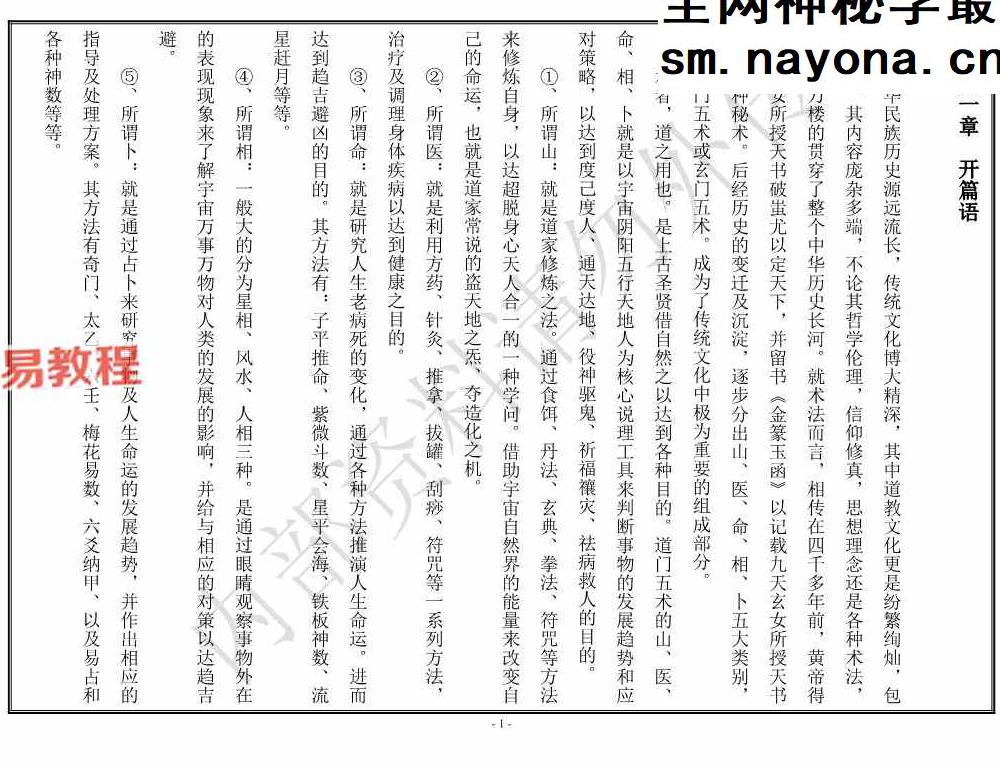
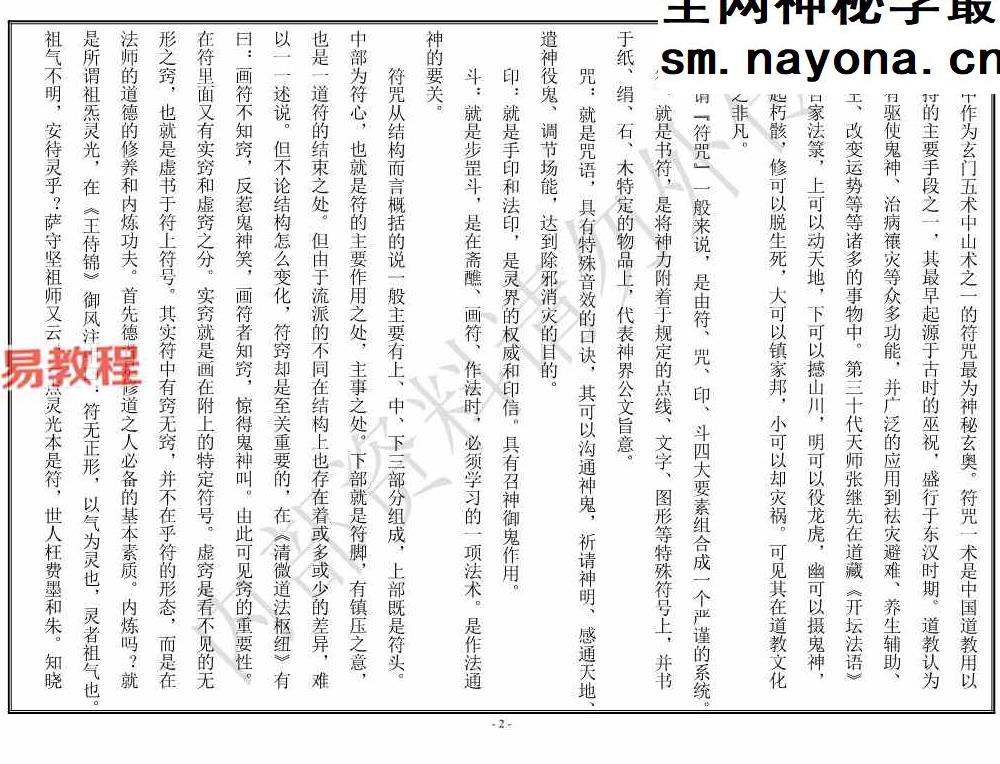
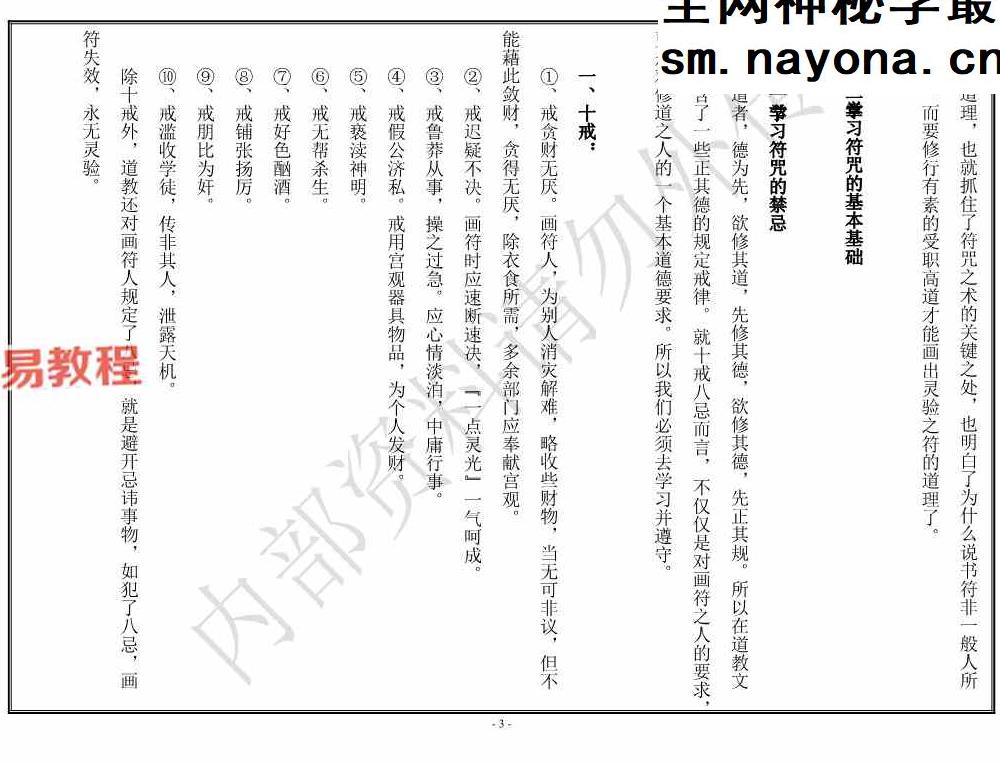
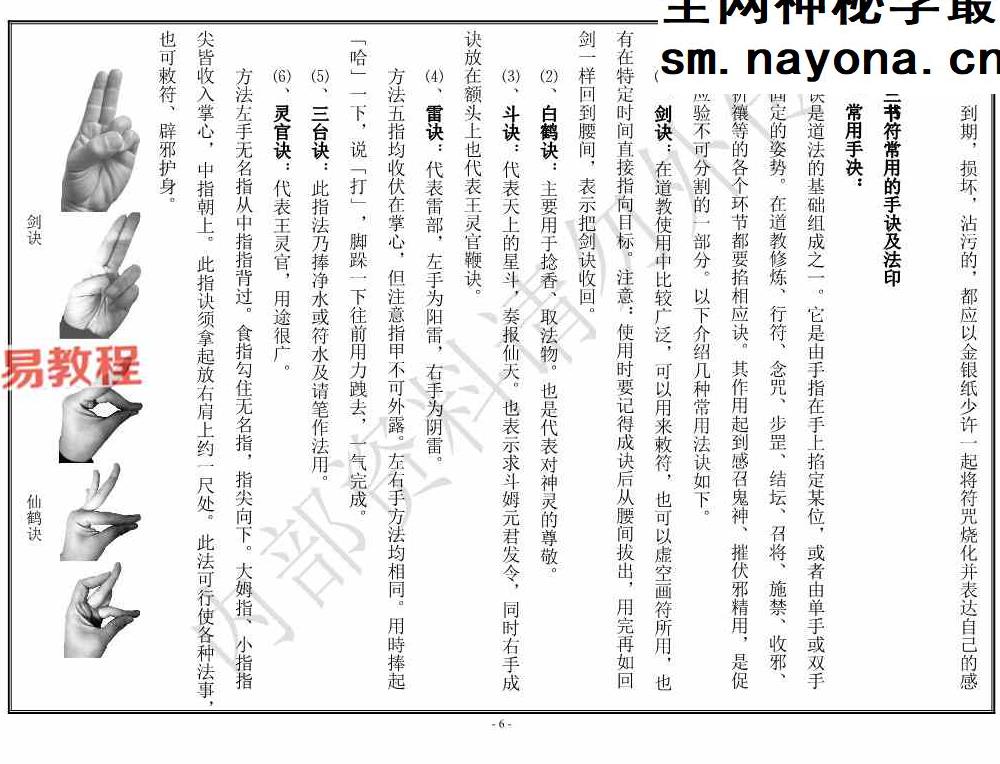
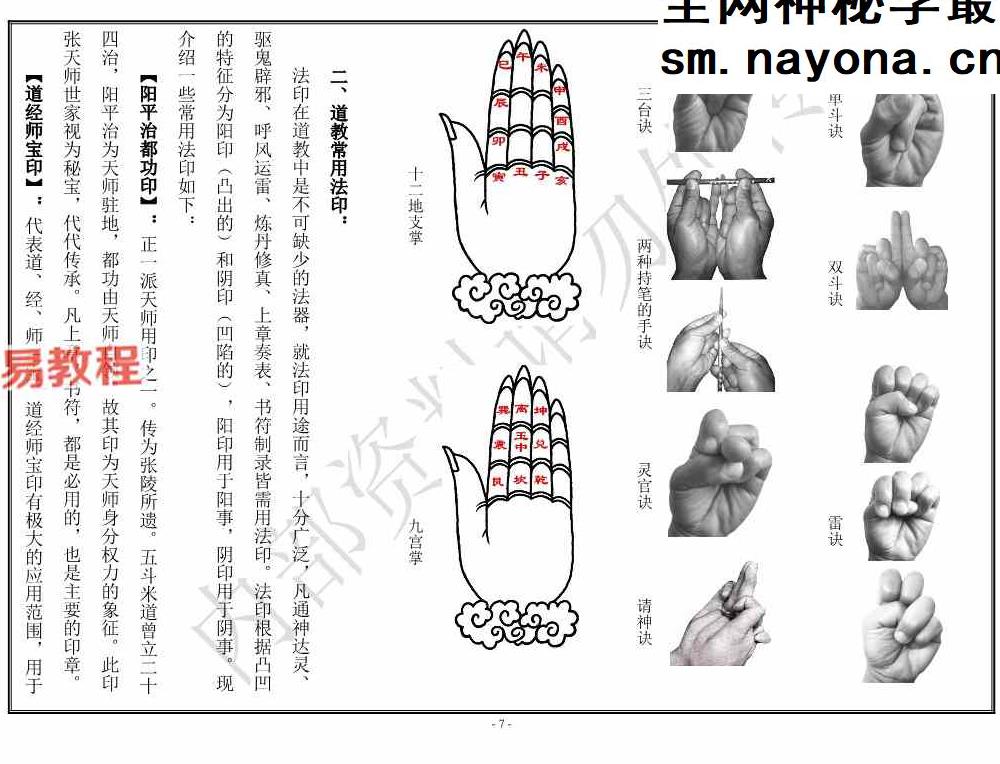
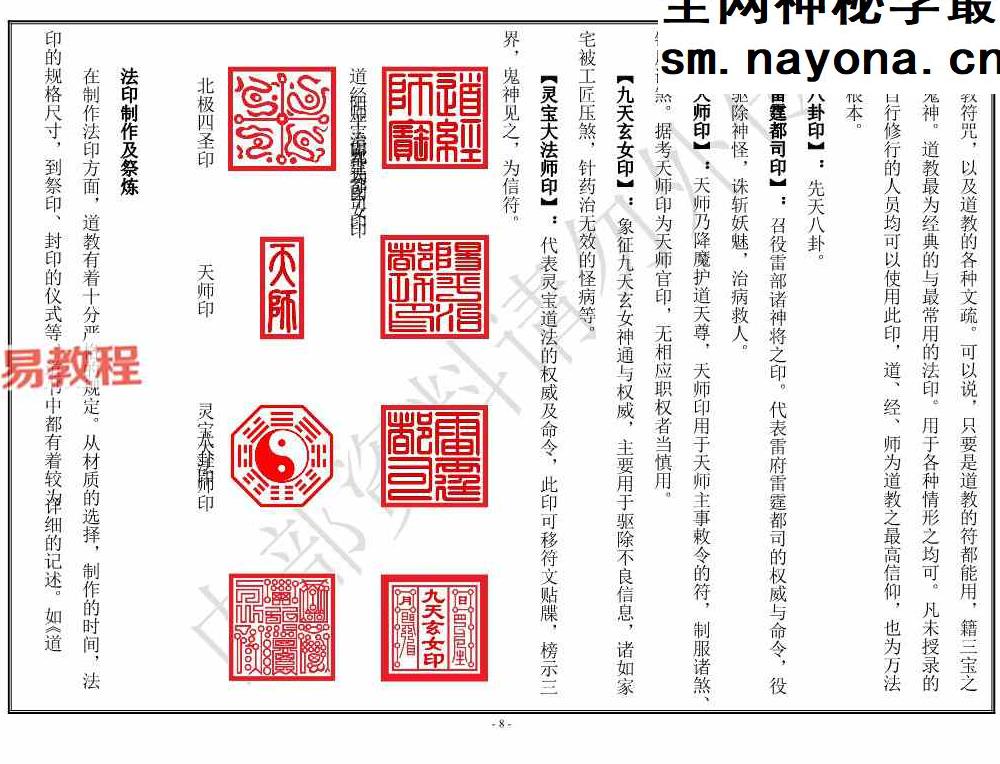
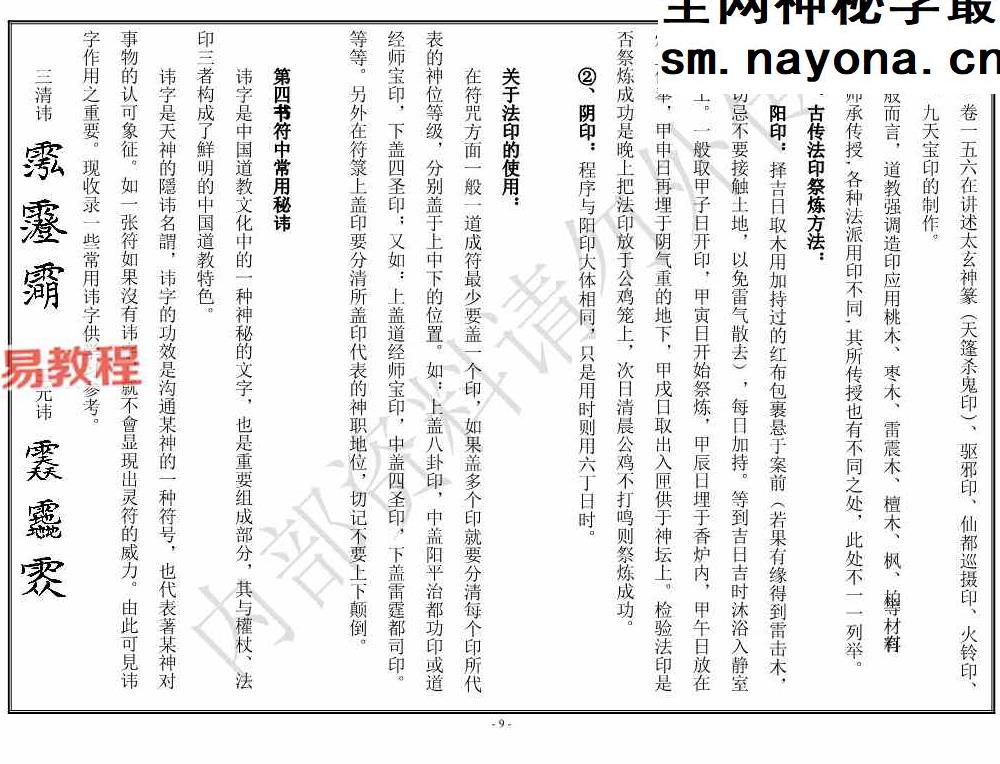
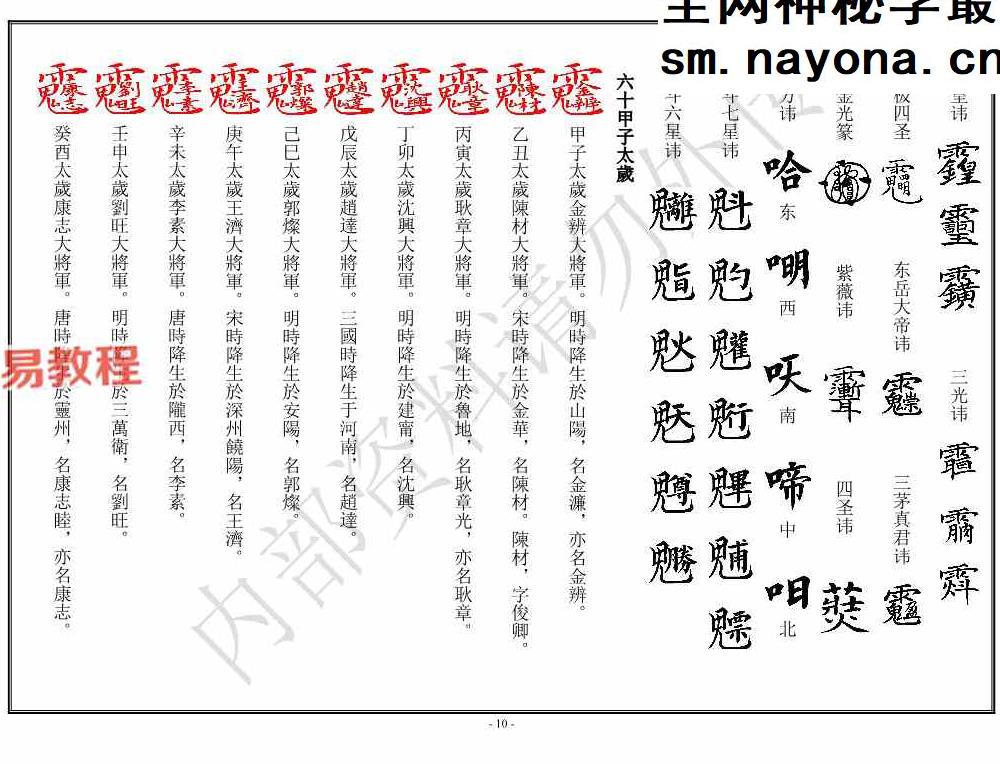
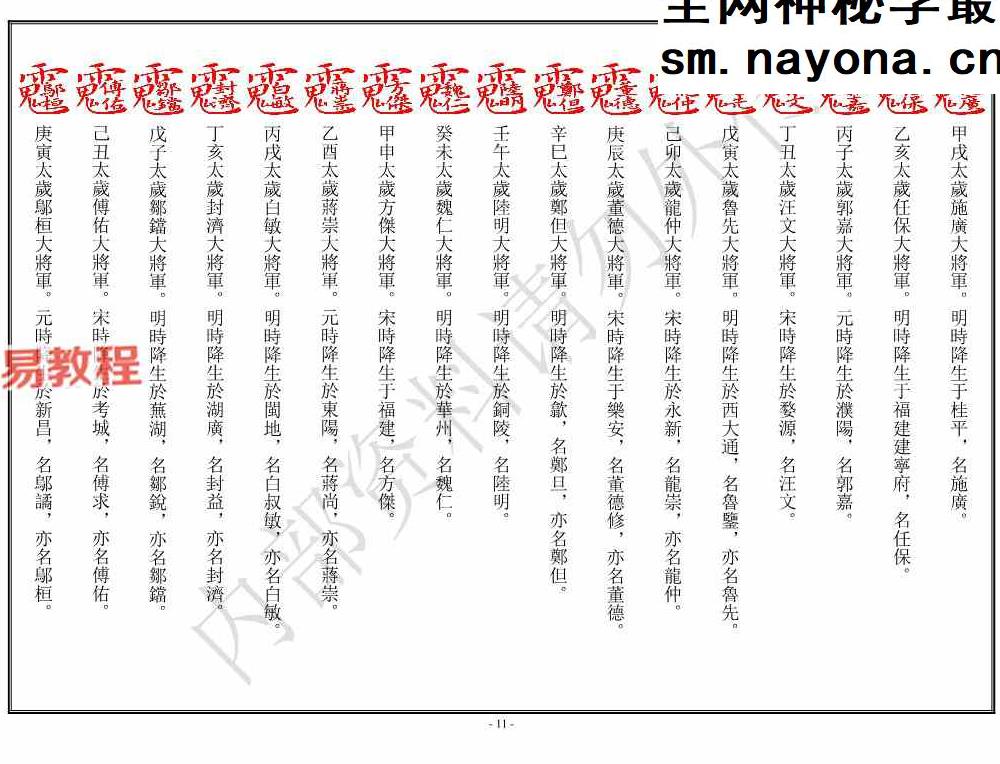
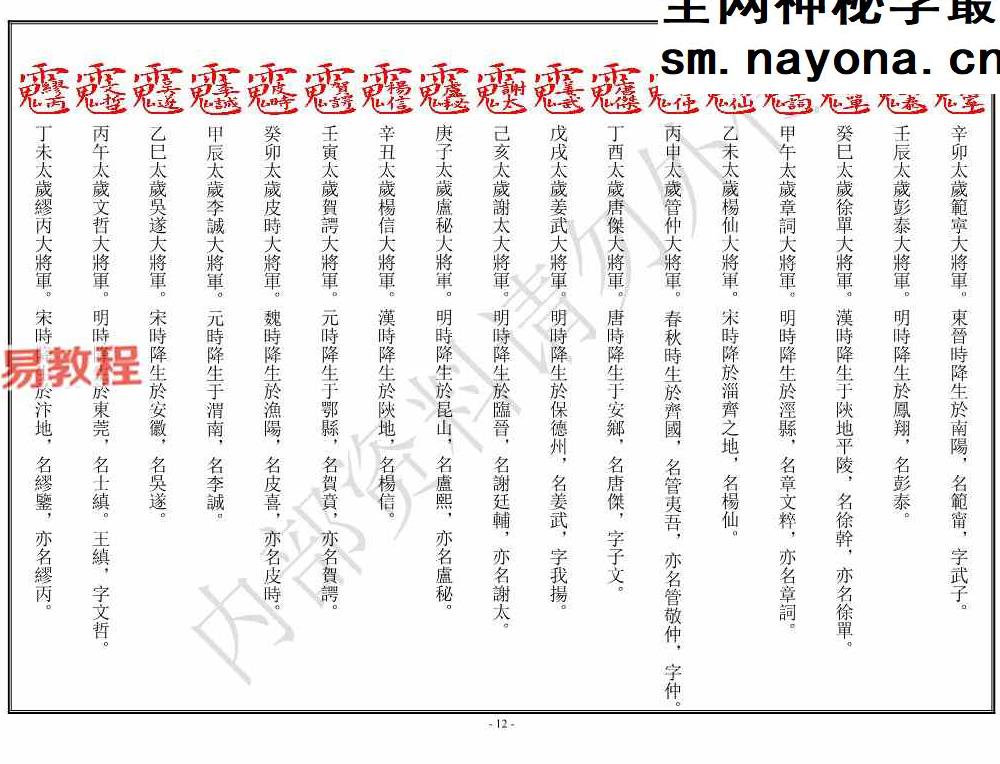
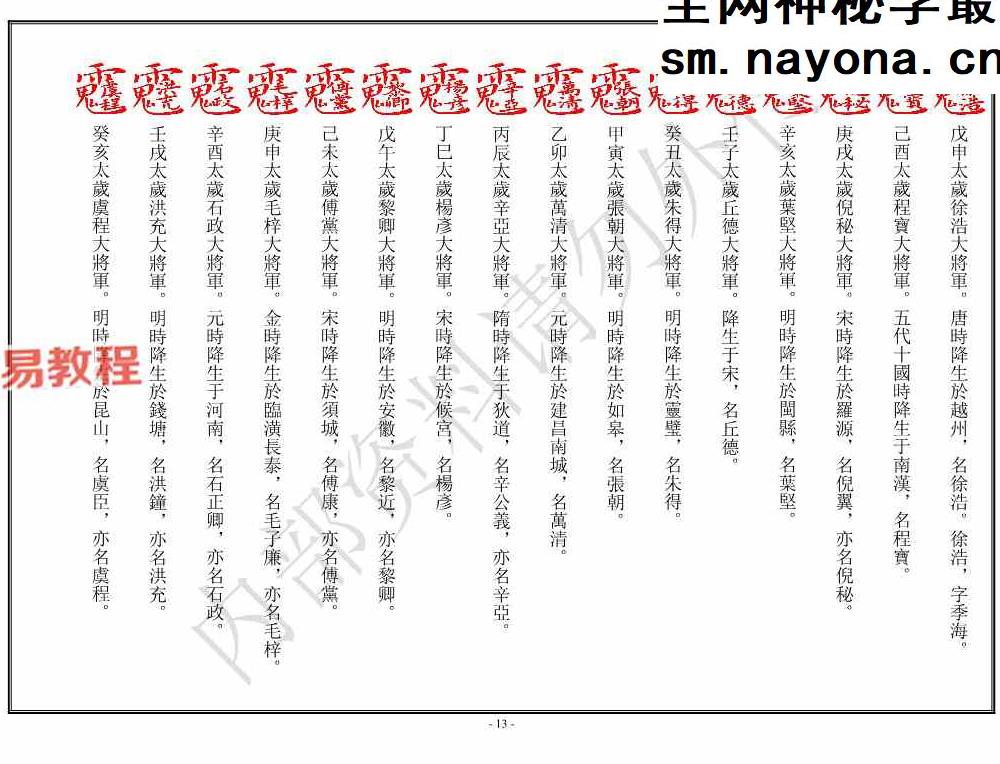
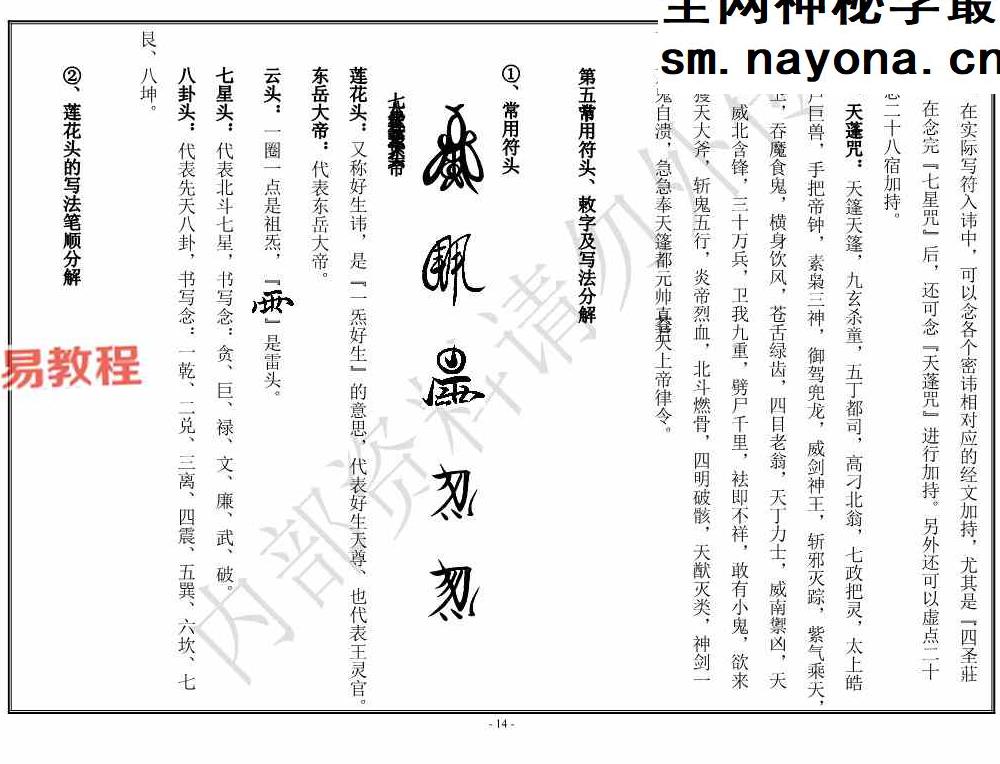
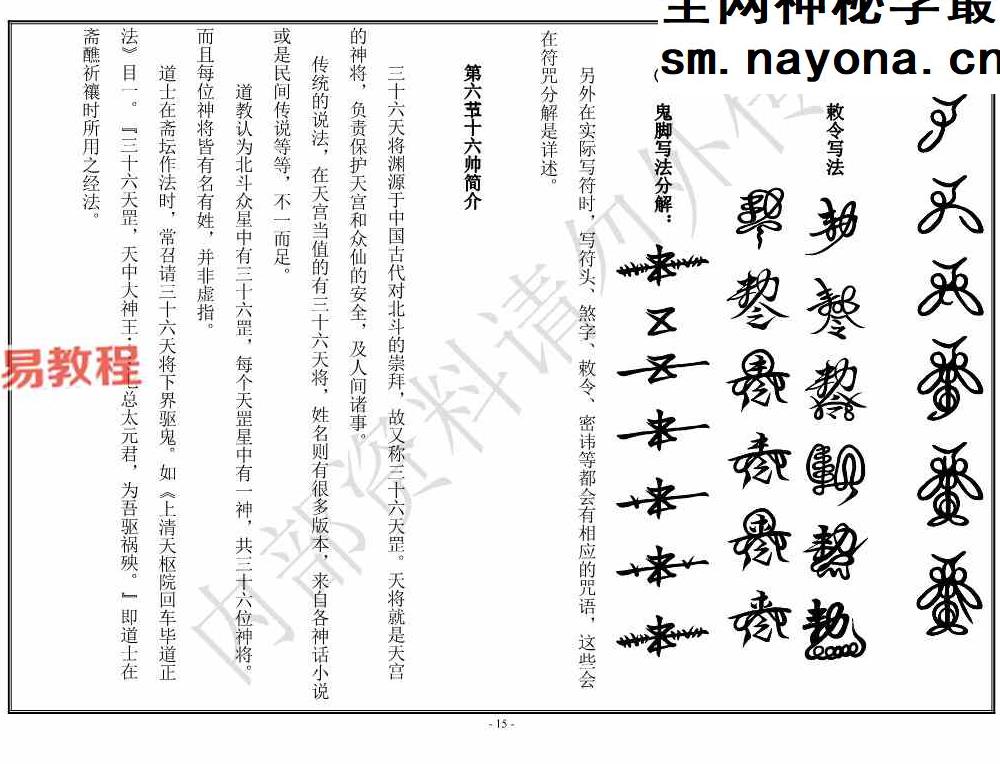
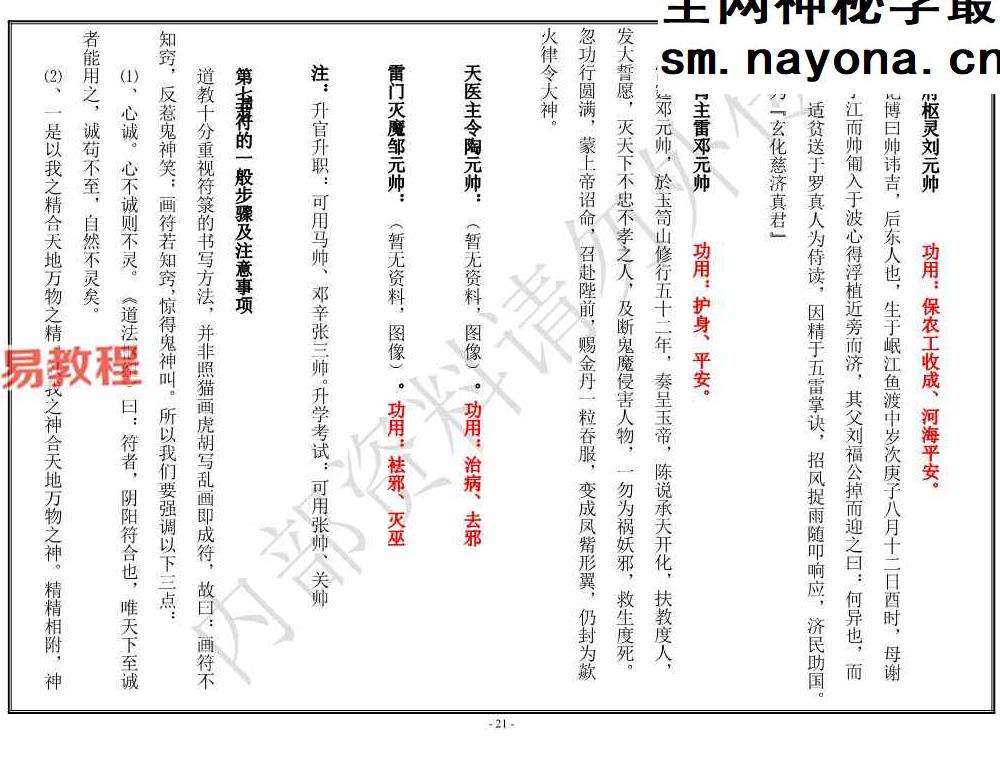
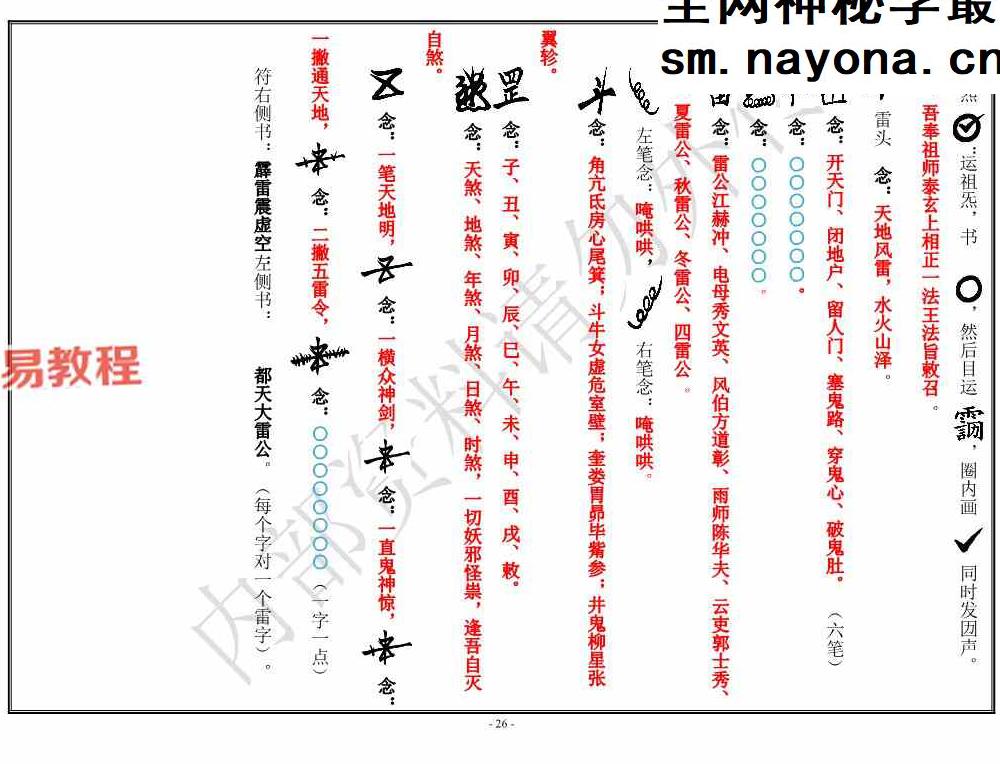
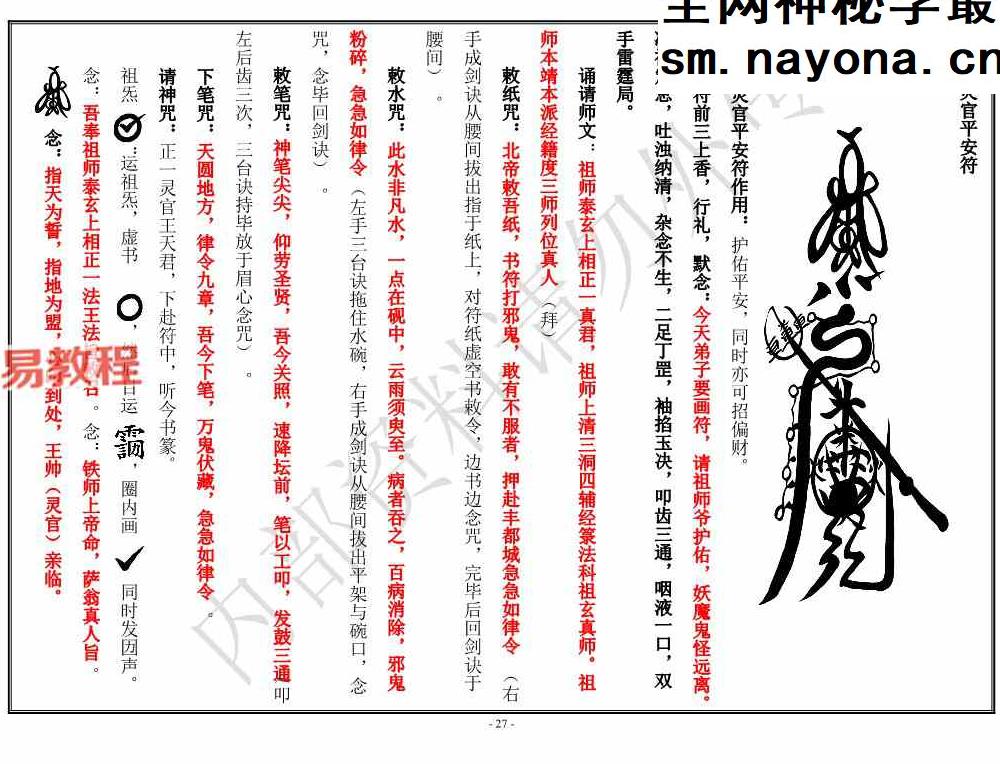
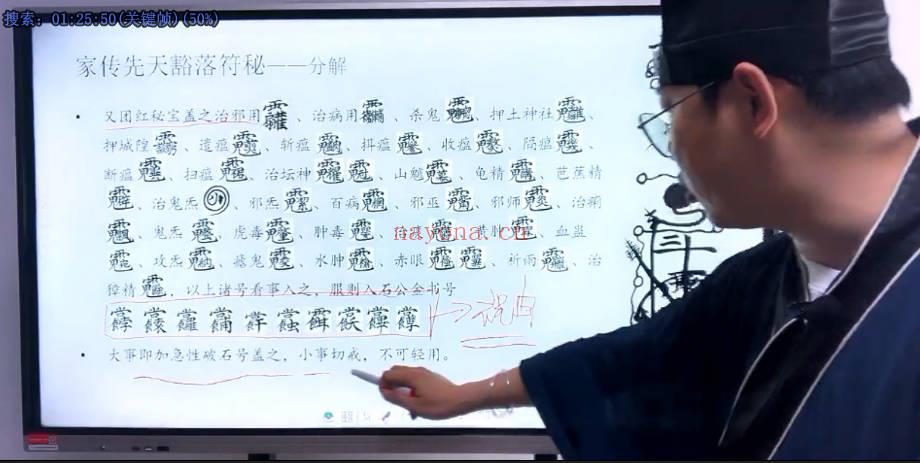
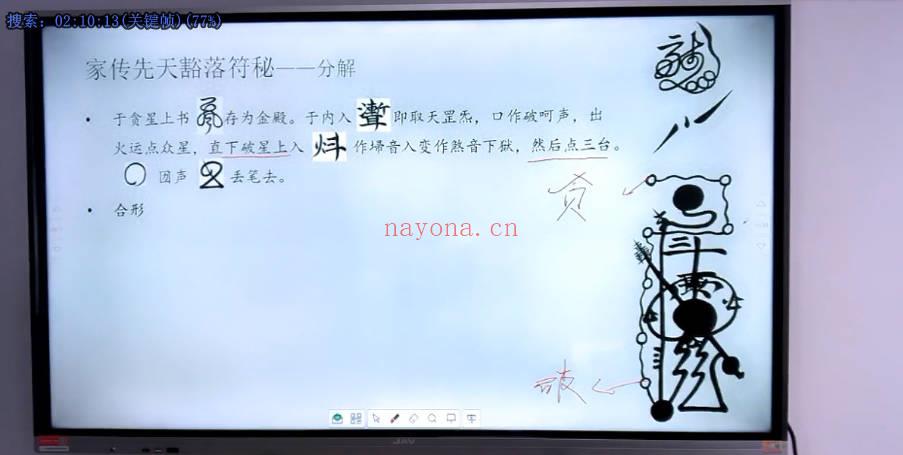
- Original ritual-study and document previews
What You Will Learn
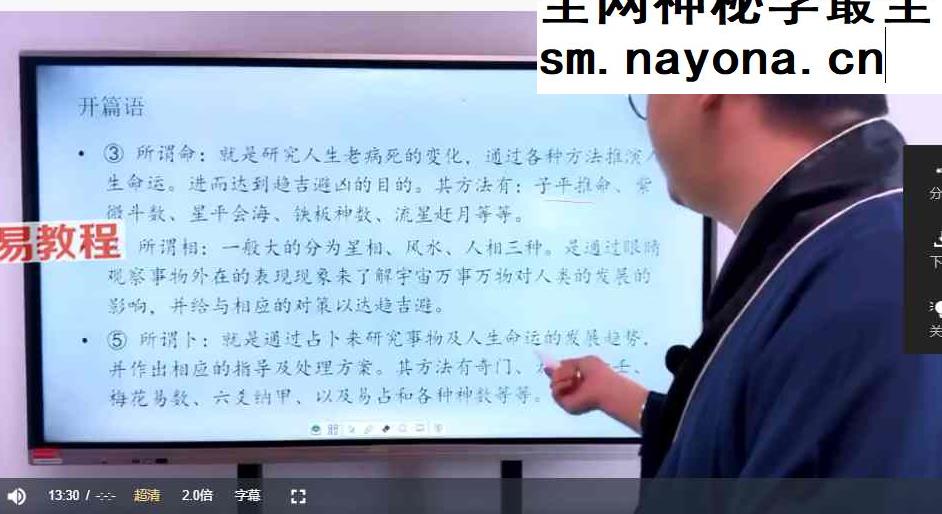
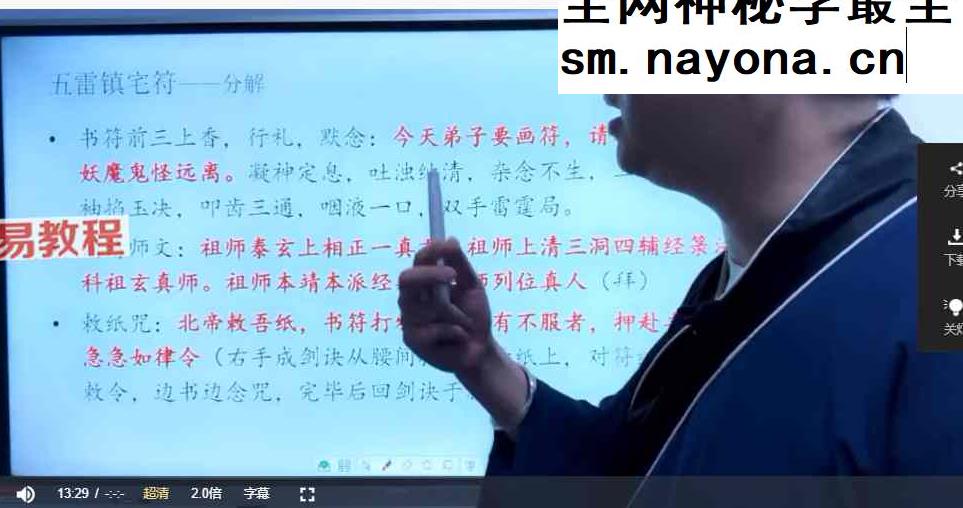
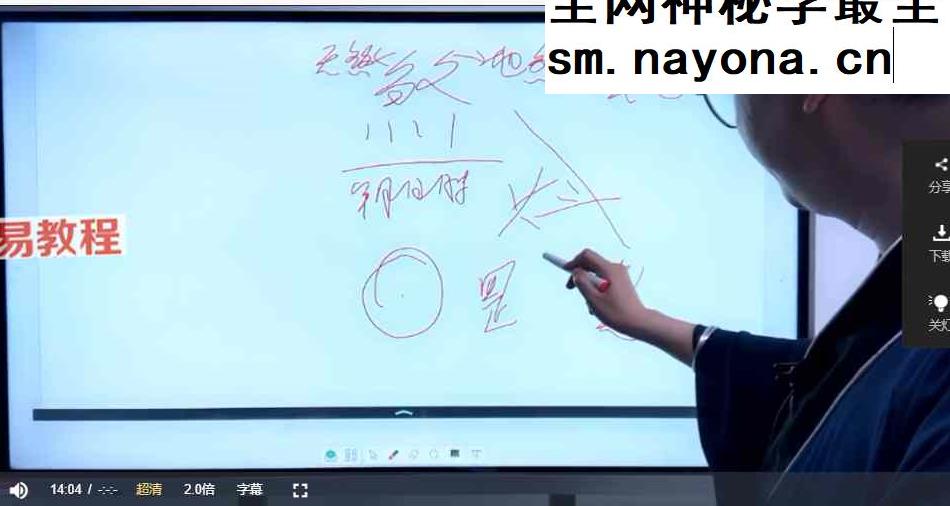
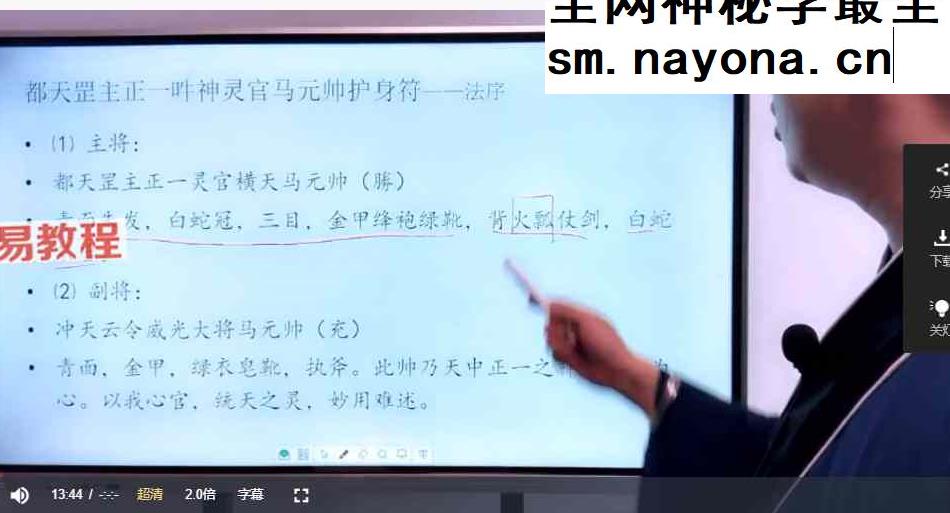
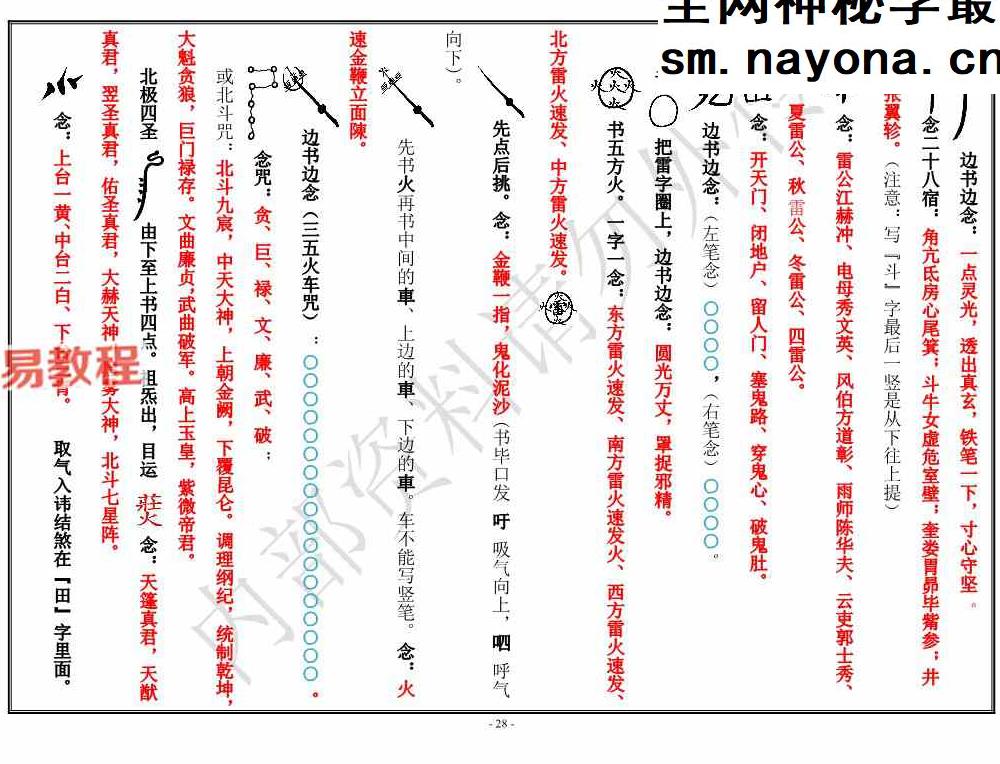
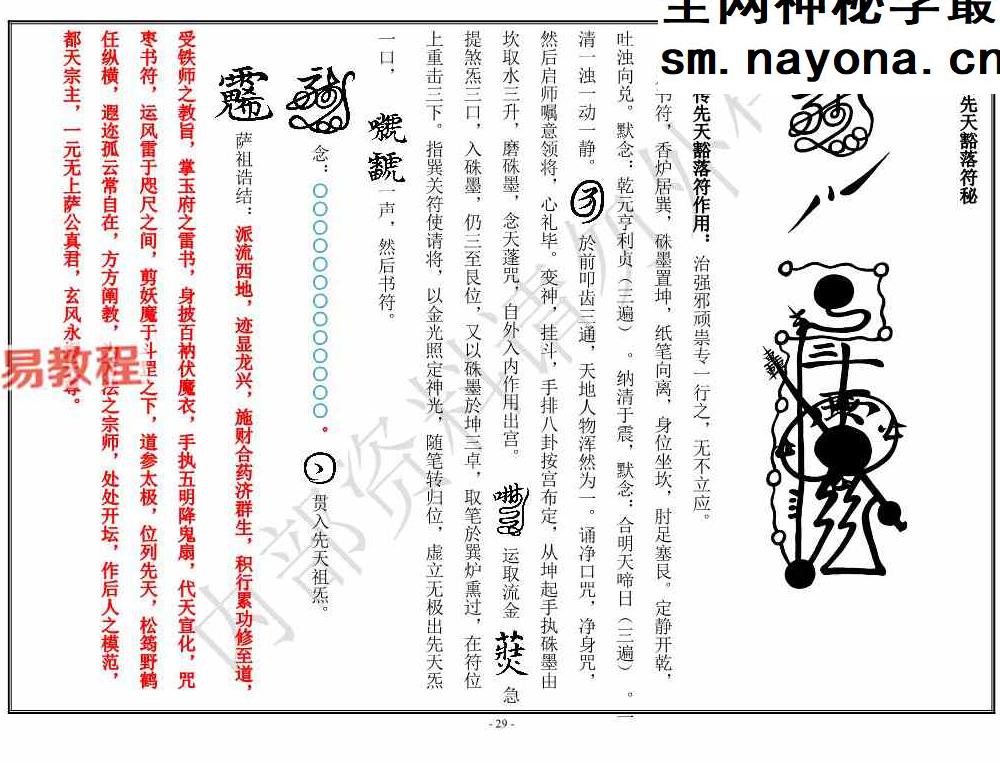
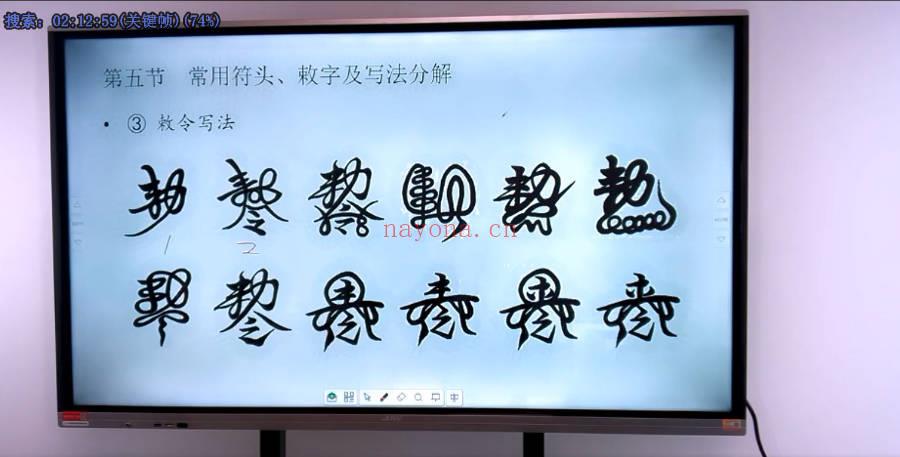
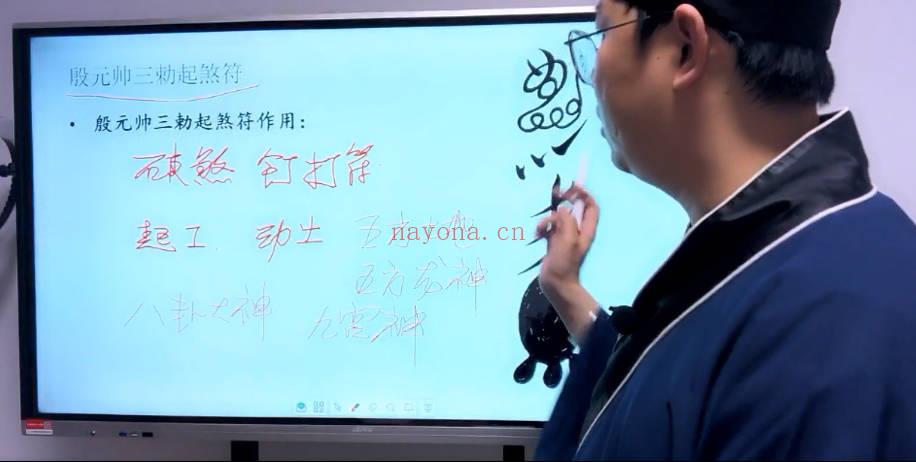
Use the listed topics to identify the scope of this resource, follow its recorded sequence and compare the original diagrams with your study notes. Where individual lesson names are not supplied, the preview images are provided instead of an invented syllabus.
Original Course Previews




Who This Course Is For
For learners who can follow Chinese-language material and want to study Daoist Ritual & Talisman Studies. Check the format and previews before buying. Intermediate or continuation courses assume familiarity with the relevant foundations and do not imply that prerequisite courses are included.
Learning Format and Digital Delivery
Format: Seven recorded video lessons with handouts. Price: USD 9.00. This is a virtual, downloadable product; no physical shipment is required. The download link has not yet been attached to this listing and will be added by the store. Contact us before ordering if you need to confirm delivery timing; immediate automatic file access is not promised.
Frequently Asked Questions
Is the course taught in English?
No English-language recording or subtitle track is confirmed. This description is in English; the underlying course material is Chinese.
What is included?
Seven recorded video lessons with handouts. Review the course contents and original previews for the stated scope.
Will a physical item be shipped?
No. This is a digital learning resource.
Is a certificate or personal consultation included?
No certificate, accreditation or individual consultation is promised by this listing.
Editorial Note and Disclaimer
Karma Kismet has organized the course listing and available directory into this English guide. Lesson counts refer to the supplied listing, not an independent review of every recording. Traditional and cultural study only. Ritual or internal-alchemy claims are not guaranteed or verified outcomes. Physical demonstrations do not replace qualified supervision; avoid painful movements, forced breathing or breath retention.
Related Courses
- Liu Ying Xing Yi Quan Five Qi Course: 45 Videos
- Fa Yuan Bagua Zhang Foundations: 21 Lessons
- Chen Erhu Tai Chi Core Principles: 182 Lessons
- Ma Hong Tai Chi Course: 38 Videos
- Chen Youming Daoist Talisman Studies: Intermediate Course
Browse Daoist Ritual & Talisman Studies, review course and delivery questions, or learn about Karma Kismet.
Studying Talisman Forms Within a Ritual Setting
This seven-lesson collection is associated in its title with Beijing Fire God Temple and is listed with a PDF handout. The available source identifies video lessons and written material concerning Daoist talismans, including their described roles and how they are drawn. That is enough to establish a focused subject, but it does not establish the exact teaching sequence within each lesson or verify every broad claim made in promotional descriptions. A careful learner can use the videos and handout to examine ritual notation and cultural context without assuming that a drawn form has a measurable supernatural effect.
Talismans are best understood here as objects of study within Daoist ritual traditions. Their shapes, words and manner of presentation can be meaningful to participants and communities. The significance of a design may depend on the ritual setting in which it is used, not merely on whether someone can reproduce its lines. For that reason, viewing a drawing lesson as a piece of cultural instruction is more precise than treating it as a shortcut to a promised result.
What Seven Lessons Can and Cannot Tell You
The source directory names seven numbered video files and a handout PDF. Numbering helps a learner establish a viewing order, and the written handout offers a second format in which to inspect terminology or diagrams. The directory alone does not say that each video covers one distinct technique, that every image in the handout appears in a lesson, or that every step required for participation in a ritual is shown. As you work, match a page to a recording only when a shared title, image or explanation makes the connection clear.
A useful first pass is to survey the handout’s headings and visible figures, then watch the opening of each numbered recording. Write down the main subject of each in your own words. This creates a modest map based on what you have actually seen. Later, you can revisit a particular drawing or phrase and identify where it appears. Avoid replacing unclear material with an imagined syllabus.
Looking Closely at a Drawn Form
When a talisman is demonstrated, separate several observations. What is the overall arrangement? Which marks appear in a sequence? What explanation accompanies the marks? Does the speaker identify a traditional use, a symbolic association or a procedural rule? The answer to each question may come from a different part of the material. A still image can show a finished design, while a video may reveal order and gesture. Neither necessarily explains the entire religious meaning on its own.
Copying a visible form for private study can help you notice its structure, but visual accuracy should not be confused with ritual authority or efficacy. If a term is unfamiliar, note the original Chinese wording where possible. A direct English translation may miss a name, pun or reference that matters in context. Learning what remains uncertain is part of careful study, especially when the instruction is delivered in Chinese.
Temple Association and Responsible Attribution
The title links the collection to Beijing Fire God Temple. Treat that as the collection’s stated association. It does not, by itself, prove that a particular person was authorized by the temple, that all material represents one official interpretation, or that the learner receives any status from watching. If institutional affiliation or formal permission matters to your research, seek independent confirmation from an appropriate source.
Ritual traditions may also have norms concerning respect, setting and participation that are not visible in a short course description. A learner can discuss the material as religious culture without claiming to perform it on behalf of a community. When presenting an example to others, distinguish what the lesson states from your own interpretation and avoid depicting a tradition as a set of interchangeable symbols.
A Careful Method for Video and Handout Study
- Confirm the numbered lessons visible in the available directory and keep their numbering in your notes.
- Read the handout alongside a relevant recording when the connection can be established from the material itself.
- Describe a design’s visible components before writing down a claimed purpose or meaning.
- Mark uncertain translations and ask a knowledgeable reader for help rather than silently choosing a meaning.
- Review any claims of protection, fortune or other effects as statements of tradition, without presenting them as demonstrated facts.
This approach suits a small collection because the learner can return to all seven lessons without losing the overall structure. It also makes space for questions that the handout does not answer. A PDF may preserve a diagram clearly, but it cannot show every gesture or spoken qualification. A video can show drawing order, yet the view may be too distant to identify a mark. Comparing the two formats can clarify what each actually contributes.
Who May Benefit From This Collection
The resource may interest people studying Daoist ritual history, talisman iconography or the way written forms are explained in a contemporary teaching setting. It may also serve learners who can follow Chinese and wish to compare spoken instruction with a handout. It is not a substitute for participation in a community or for a teacher who can answer questions about context and protocol. Someone seeking proof that a symbol will change events, protect property or affect health will not find that proof in the fact that a lesson demonstrates it.
Respectful use includes realistic expectations about the format. Recorded instruction allows review and close observation, but it cannot check how a learner understands a term or correct a mistaken inference in real time. Keeping precise notes and acknowledging uncertainty is a sound way to use the material.
Questions About the Fire God Temple Lessons
Does the temple name establish official endorsement of every claim in the lessons? The title states an association, but the available listing does not establish the scope of institutional endorsement. Verify that separately if it is important to you.
What does the handout add to the videos? It offers a written format for examining material associated with the collection. Its exact page-by-page relationship to each recording should be checked in the files.
Can a finished image reveal the full drawing process? No. The final arrangement and the order of making marks are different kinds of information; a video may show details a still image cannot.
Do the talismans guarantee protection or good fortune? No such outcome is established by the listing or by a demonstration. Claims of effect should be understood as claims within a ritual tradition.
Is this suitable for someone who cannot follow Chinese? The overview can identify the subject, but much of the explanation may remain inaccessible without suitable language support. Review the available previews before relying on it for detailed study.