This intermediate Ji Xiang Fang collection by Chen Youming combines Daoist talisman material with finger-method demonstrations and documents. It is suitable for comparing ritual notation with demonstrated gestures, with the original previews preserved.
Course Overview
Chen Youming Daoist Talisman Studies: Intermediate Course is a digital study resource in the Daoist Ritual & Talisman Studies collection. This English product guide explains the listed material; the original recordings and documents are in Chinese. English subtitles or translated full lessons are not included unless separately stated.
Course Contents and Learning Focus
- Intermediate Daoist talisman study
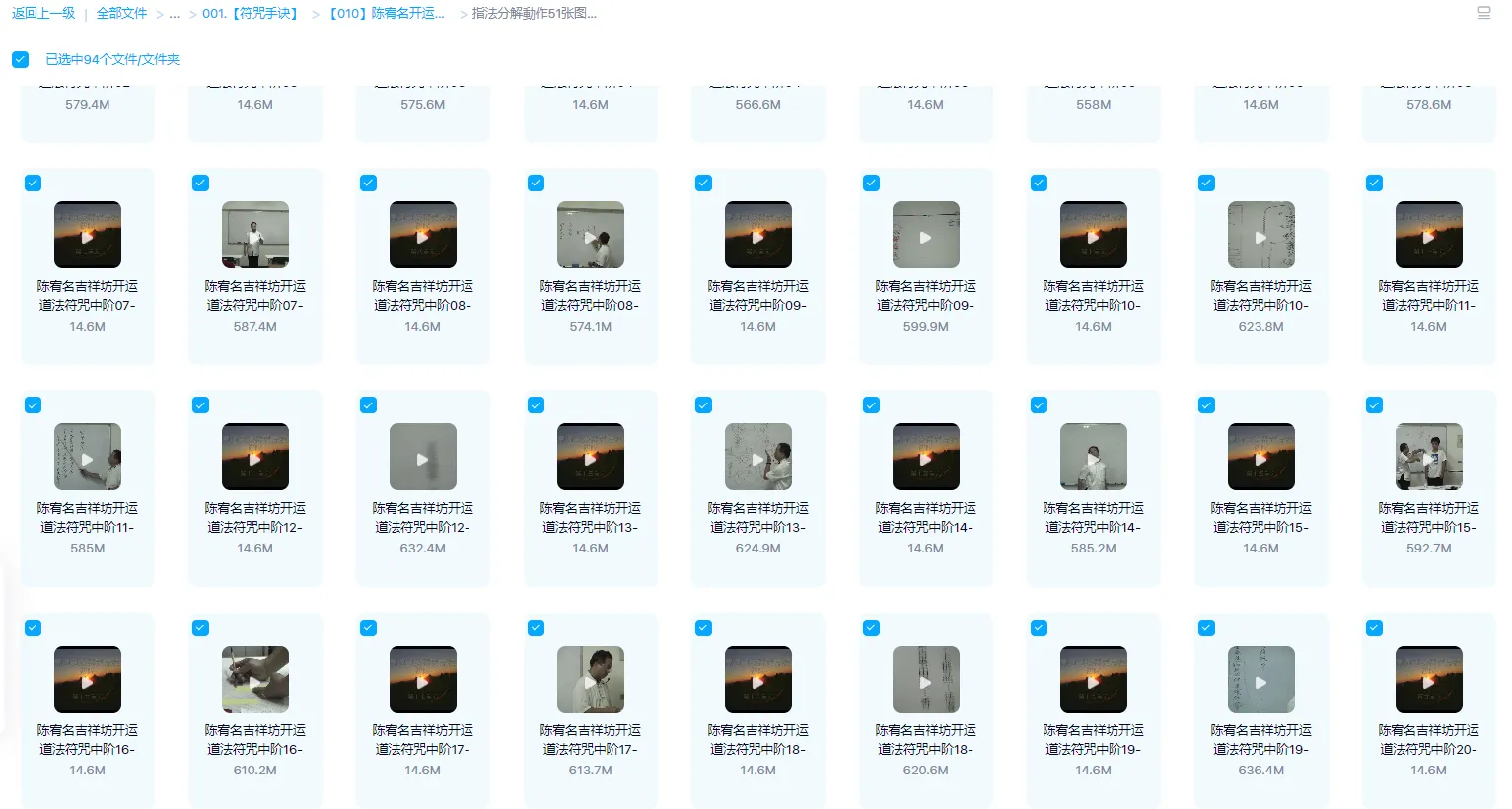
- The 21-video teaching collection
- Finger-method and hand-gesture breakdowns
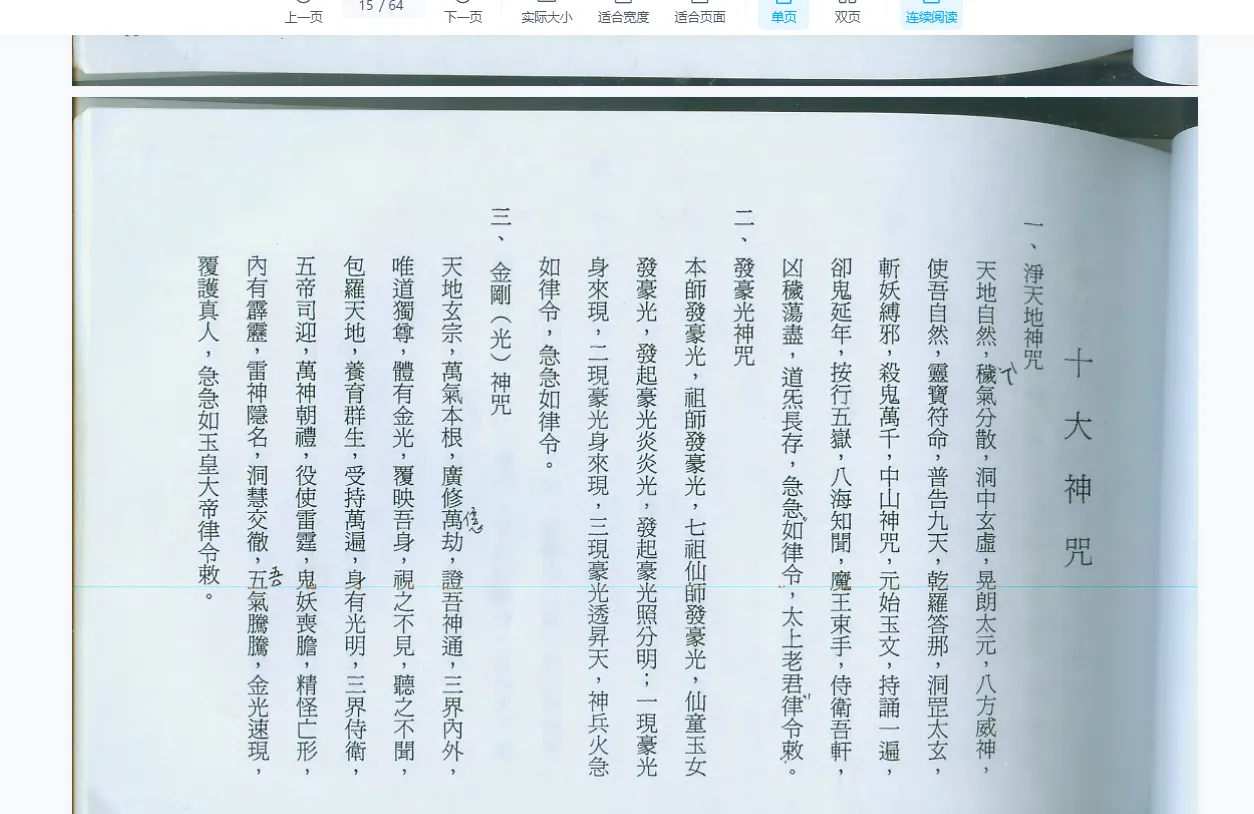
- Supporting handouts and original document previews
What You Will Learn
Use the listed topics to identify the scope of this resource, follow its recorded sequence and compare the original diagrams with your study notes. Where individual lesson names are not supplied, the preview images are provided instead of an invented syllabus.
Original Course Previews



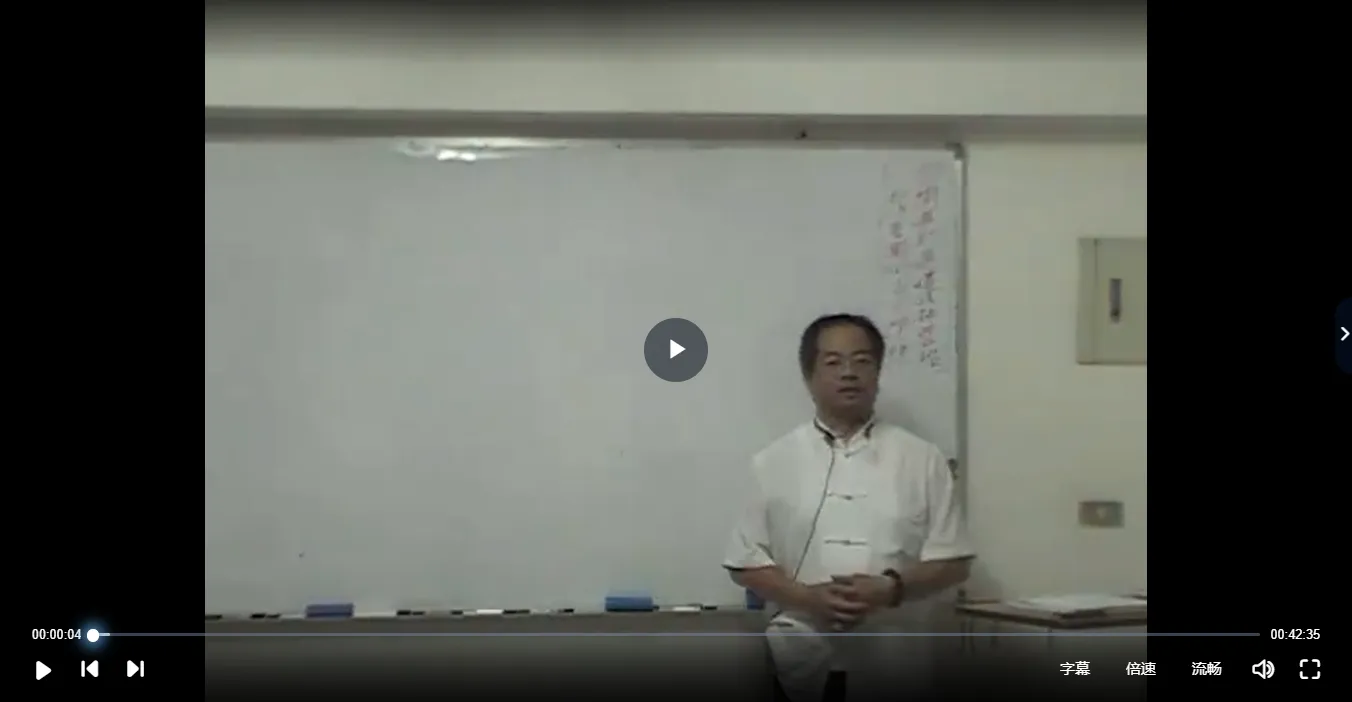
Who This Course Is For
For learners who can follow Chinese-language material and want to study Daoist Ritual & Talisman Studies. Check the format and previews before buying. Intermediate or continuation courses assume familiarity with the relevant foundations and do not imply that prerequisite courses are included.
Learning Format and Digital Delivery
Format: 21 recorded videos with hand-gesture demonstrations and handouts. Price: USD 9.00. This is a virtual, downloadable product; no physical shipment is required. The download link has not yet been attached to this listing and will be added by the store. Contact us before ordering if you need to confirm delivery timing; immediate automatic file access is not promised.
Frequently Asked Questions
Is the course taught in English?
No English-language recording or subtitle track is confirmed. This description is in English; the underlying course material is Chinese.
What is included?
21 recorded videos with hand-gesture demonstrations and handouts. Review the course contents and original previews for the stated scope.
Will a physical item be shipped?
No. This is a digital learning resource.
Is a certificate or personal consultation included?
No certificate, accreditation or individual consultation is promised by this listing.
Editorial Note and Disclaimer
Karma Kismet has organized the course listing and available directory into this English guide. Lesson counts refer to the supplied listing, not an independent review of every recording. Traditional and cultural study only. Ritual or internal-alchemy claims are not guaranteed or verified outcomes. Physical demonstrations do not replace qualified supervision; avoid painful movements, forced breathing or breath retention.
Related Courses
- Liu Ying Xing Yi Quan Five Qi Course: 45 Videos
- Fa Yuan Bagua Zhang Foundations: 21 Lessons
- Chen Erhu Tai Chi Core Principles: 182 Lessons
- Ma Hong Tai Chi Course: 38 Videos
- Beijing Fire God Temple Talisman Studies: Seven Lessons
Browse Daoist Ritual & Talisman Studies, review course and delivery questions, or learn about Karma Kismet.
Connecting Written Symbols, Gestures and Ritual Sequence
Chen Youming’s intermediate Ji Xiang Fang collection presents a more detailed study task than simply recognizing a talisman by sight. The source directory identifies 21 lessons, finger-method material, a set of 51 breakdown images and a PDF handout. Its lesson topics range across offerings, invocations, talisman components, named hand gestures, stepping patterns and example ritual procedures. Those elements can be studied as a connected system of notation and performance. Their inclusion does not establish that copying a form or gesture will produce protection, wealth, healing or any other claimed effect.
The word intermediate matters. A learner is likely to encounter terms and conventions that are introduced with less explanation than a beginner might need. The course title should therefore guide expectations about prior familiarity, while the visible directory and previews should guide expectations about what is actually available. Do not assume an introductory course is included. If a term in one lesson depends on an unfamiliar earlier concept, write it down and resolve it before trying to interpret later steps.
Reading the Lesson Directory as a Map
The source lists specific topics within the 21 lessons. Early entries discuss offerings and ritual address; later entries name talisman structure, finger signs, stepping patterns and procedures associated with particular purposes. These descriptions reveal the breadth of subjects, but a directory is still an outline. It cannot tell you how much time is spent on each topic, whether a demonstration is complete, or how a teacher qualifies a traditional claim during the recording.
Build a lesson map using only verifiable headings. Place terms concerning objects or symbols in one group, gestures and movement in another, and procedural sequences in a third. Then record where a lesson crosses groups. For example, a discussion of a written talisman may also refer to a hand position or spoken formula. Seeing those connections is more useful than treating every named item as an independent technique to collect.
Using the Finger-Method Images
The 51 breakdown images are a distinctive part of this collection. They may help a learner inspect hand positions that move too quickly in video. When comparing an image with a demonstration, note the fingers that are clearly visible, the viewing angle and the transition into or out of the position. A still picture can document a moment, but it cannot show timing, pressure or the full movement between positions. If two views seem inconsistent, the camera angle may be part of the explanation; record the discrepancy before deciding what it means.
Finger-method names in the directory include several different signs. Similar-looking gestures may have different labels or uses within the teaching, while one label may require context to interpret. Keep the original term beside any English gloss and identify the lesson in which it appears. Avoid treating a translated name such as a sword finger or a thunder-related sign as a literal account of what the gesture can accomplish.
Talisman Components and Claims of Use
One listed lesson discusses the structure of a complete talisman and names component parts. That makes the collection potentially useful for analyzing how the instructor organizes a written form. Study the relationship among the parts as presented rather than assuming every talisman uses an identical layout. The directory also names uses traditionally associated with particular forms, including household concerns, fortune and protection. These are descriptions of ritual purposes in the source material, not verified outcomes.
Some later lesson titles refer to distress, danger, pregnancy and other sensitive situations. Such material should be read as documentation of traditional ritual language, not as guidance for medical decisions or emergencies. If a person faces an immediate health or safety concern, recorded ritual instruction cannot assess or address it. The educational value here lies in understanding what the source claims and how it structures its procedures, while keeping those claims separate from evidence about real-world effects.
Making Sense of the Video File Names
The source notes that files ending in one suffix may contain an opening segment, while a corresponding second suffix contains the principal lesson material. That naming detail can prevent confusion when surveying the collection. It should still be checked against the files actually present rather than applied as a universal rule to every recording. If a file appears short or repetitive, compare its name with the lesson directory before concluding that a lesson is missing.
The PDF handout and images can support close reading, but they do not replace the spoken context of the video. Similarly, a video may show gesture and pace while leaving a written character hard to see. Keep links in your private notes between the lesson number, a relevant handout page and any image group only when you can confirm the match. This avoids accidentally attaching a symbol to the wrong procedure.
A Study Routine for Intermediate Material
- Review the lesson headings to identify which terms require prior knowledge.
- Watch a lesson once for its overall sequence, then revisit only the sections relevant to your notes.
- Describe each visible symbol or hand position before recording the instructor’s explanation of its role.
- Compare still images, handout pages and video frames where the relationship is clear.
- Keep traditional purpose statements in a separate note from observations about what the media actually shows.
This method gives room for uncertainty. It is better to leave an unfamiliar character or gesture unresolved than to invent a translation or silently merge two distinct forms. Learners who are working with Chinese as an additional language may especially benefit from checking terms with a knowledgeable reader.
Who May Find It Appropriate
The collection may suit students of Daoist ritual culture who already recognize basic talisman terminology and want to examine how written forms, finger methods and procedural explanations are presented together. It may also interest researchers comparing a lesson outline with gesture images and a handout. It is less suited to anyone expecting the recordings to grant authority to conduct rituals, provide individual instruction, or substantiate claims of changing events through symbols. A recording cannot assess understanding or supply the social context of a living practice community.
Questions About Chen Youming’s Intermediate Course
Do the 51 images amount to 51 separate lessons? No. They are described as breakdown images accompanying a 21-lesson collection, and their exact grouping should be checked in the available files.
Why might two files appear for one lesson? The source describes an opening segment and a principal content segment in some naming patterns. Inspect the actual files before assuming that pattern applies to every lesson.
Can a hand gesture be learned from a still image alone? An image may show position, but it cannot fully show motion or context. Compare it with the relevant demonstration and seek knowledgeable guidance where interpretation matters.
Does the course verify claims about fortune, protection or distress? No. Those are traditional purposes discussed in the source, and their inclusion is not evidence that the claimed effects occur.
Is a beginner likely to understand every term immediately? The course is labeled intermediate. A beginner may need separate background reading or instruction to interpret specialized terms responsibly.