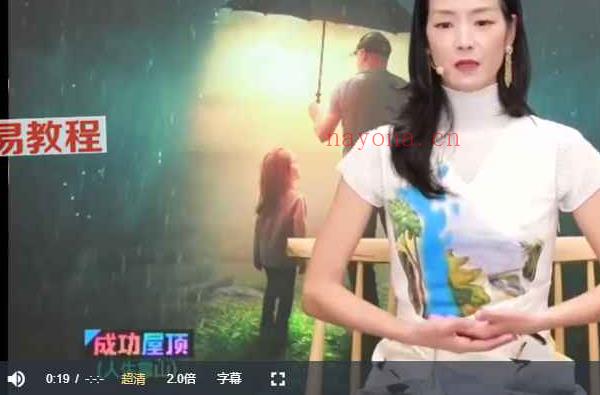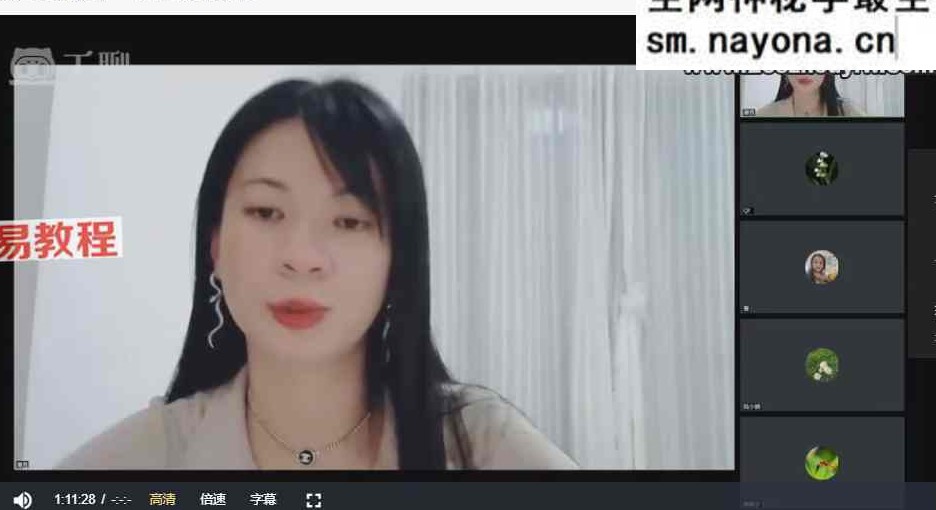

A Chinese-language three-level video collection combining yoga practice with traditional Chinese wellness concepts and guided routines.
Course Overview
This Karma Kismet page organizes the verifiable facts from the original nayona.cn listing. The source material is in Chinese; a complete English translation, subtitles, certification, and unlisted instructor credentials are not claimed.
What You Will Learn
- Level 1 foundational breathing and movement
- Level 2 guided routines and review sessions
- Level 3 integrated yoga practice
- Traditional Chinese wellness concepts in the source
- Progressive practice and course organization
Course Contents
Three Chinese-language course levels with video lessons. The source lists a large digital collection; no English translation is confirmed.
Original Course Images
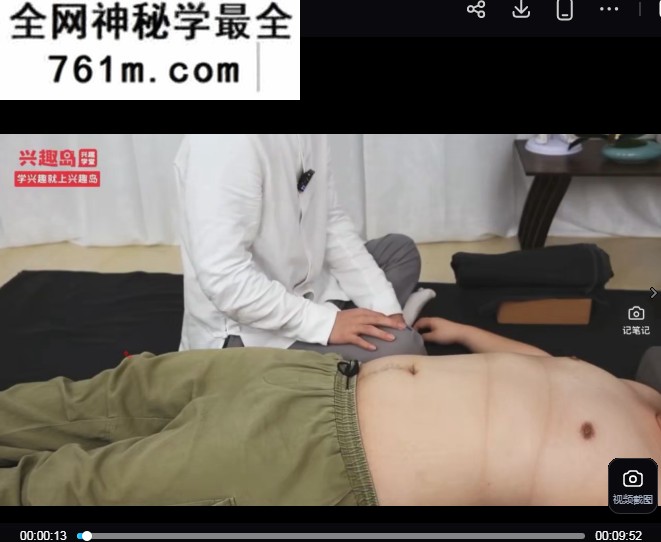
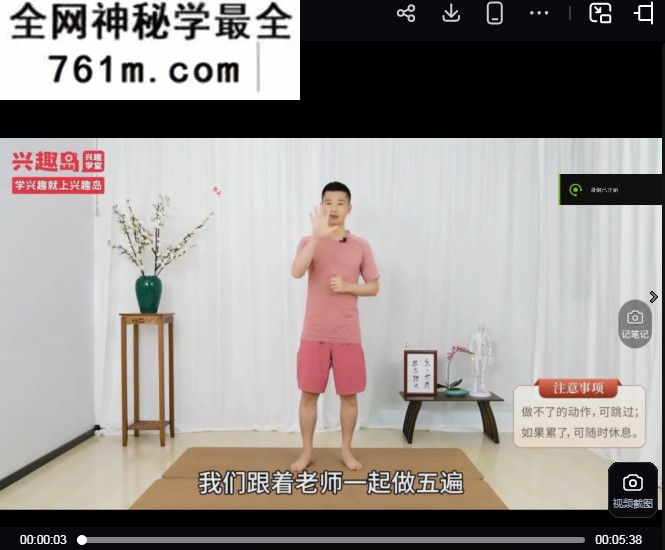
Who This Course Is For
This resource is for learners who can use Chinese-language materials and want a structured introduction to Yoga & Contemplative Practice. Review the original images and stated format before ordering.
Learning Format and Digital Delivery
Three Chinese-language course levels with video lessons. The source lists a large digital collection; no English translation is confirmed. This is a virtual, downloadable product with no physical shipment. A download file is not yet attached. Please review the digital delivery policy and contact Karma Kismet to confirm delivery arrangements before ordering; immediate automated access is not promised.
Frequently Asked Questions
Is the complete material in English?
No. The product description is in English, but the source learning material is Chinese-language unless a specific translated component is stated.
Does this resource guarantee a result?
No. It is offered for educational, cultural, and reflective study. It does not guarantee personal, financial, spiritual, or health outcomes.
Is professional advice included?
No personal consultation, medical care, legal advice, or financial advice is included.
Disclaimer
Use this material responsibly and within its educational scope. Symbolic, spiritual, contemplative, and wellness traditions are not substitutes for qualified professional care.
Related Courses and Site Links
Understanding the three level collection
This collection identifies Chen Zhenan’s Chinese medicine yoga videos in three levels. The source names a twenty one day first level, a twenty eight day second level, and a thirty six day third level. Those names describe the organization of the recorded programs; they do not require a new viewer to reproduce the same calendar or establish the duration of each file. The second level is described as thirty nine episodes, and the displayed lists include additional practice, review, and question sessions. Day counts and file counts should therefore be recorded separately rather than combined into an invented total.
The Chinese medicine language is central to the collection’s presentation. Terms involving qi, meridians, yin and yang, and the five phases appear in the lesson names. They identify a traditional wellness framework used alongside yoga themed movement and guided routines. A learner can examine that framework as a cultural and instructional approach without taking a course title as proof of a medical effect. The listing supplies a substantial directory, but it does not establish individualized assessment, professional licensing, or an English translation of the recordings.
The first level directory
Before the first level opening session, the list includes consolidation practice and a facial Eight Brocades themed wellness routine. The subsequent files name inward observation, bringing qi back to its source, an internal practice morning session, and routines for practicing in bed in the morning or evening. These entries suggest that the collection includes more than one practice setting. The actual positions, pacing, and guidance still need to be observed in the recordings. A title describing a bed based routine does not establish that it is appropriate for someone who is recovering from an injury or has limited mobility.
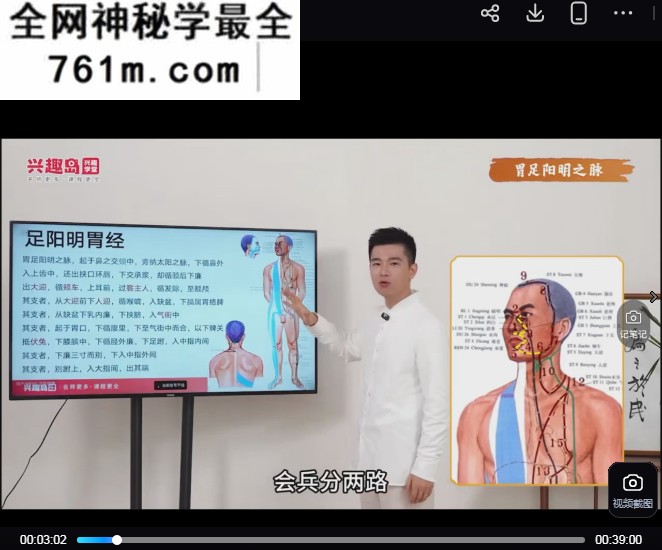
Later first level lesson names refer to the lungs, stomach meridian, spleen meridian, qi and blood, and the five organs. Some headings also use language associated with pain relief, removing dampness, or eliminating pathogenic influences. These are source labels within a traditional framework. They should not be translated into promises that the videos treat organ disease, detoxify the body, or resolve pain. For study, it can be useful to preserve the original Chinese label and add a neutral English note describing its role in the directory, rather than replacing traditional terminology with an unsupported biomedical explanation.
The first level list ends with a closing session and three foundational training files. This makes review a visible part of the directory, not merely a general recommendation invented for this description. A new viewer could use the later training files to revisit a movement already studied, while checking whether the recording itself assumes previous instruction. Do not use a closing ceremony as evidence that an individual learner has passed an assessment. The presence of a ceremonial opening or conclusion establishes a recorded event, not a certificate or an ongoing relationship with the instructor.
The second level directory
The second level begins with a sleep themed file, standing practice, and a traditional meridian related technique. Its list also includes a tongue observation topic, back and abdominal themed techniques, and lessons named around yin, yang, kidneys, nourishment, and storing or moving blood within the traditional vocabulary. Several files have appearance or antiaging language in their names. Such labels are part of the source’s presentation, and they are not verified outcomes. The English description should help a reader recognize these topics while avoiding the implication that a video can diagnose a condition from the tongue or guarantee a bodily change.
Review and question sessions occur at several points in this level, including around lessons nine, eighteen, and twenty six. Additional assistant training and teacher question sessions are also listed. Their inclusion may be useful for someone who wants to hear clarification in the recorded material. It does not establish a live question service for a purchaser today. If you are comparing programs, distinguish a recorded answer from an opportunity to ask your own question. The directory cannot tell you whether a particular personal limitation was addressed in an earlier classroom discussion.
The third level directory
The third level includes three Chinese medicine sun salutation topics and separate practice only versions. That distinction is useful when choosing what to watch: an explanatory lesson and a continuous practice recording can serve different reading and viewing purposes. Other listed subjects involve emotions, yin and yang, five phase inquiry, settling attention, standing practice in daily settings, and review sessions. The directory also contains health related labels concerning pain, sleep, the heart, longevity, and nourishment. These establish intended themes in the course, not evidence that following the videos provides treatment or a particular health result.
Near the end of the third level, the source names five phase yang practice principles and flow, followed by yin practice principles and flow. It also lists a moxibustion related usage topic. These details should be considered when deciding whether the collection’s breadth fits your interests. A video about an unfamiliar technique does not supply personal clearance to use it, and the listing does not specify equipment, supervision, or adaptations. You can study a subject without reproducing it. The final teacher led practice and graduation ceremony remain recorded components rather than proof of professional competence.
A viewing notebook for this collection
Make three sections in your notes, one for each level. Under each, preserve the lesson filename, summarize the instruction you actually understood, and record any question about movement or terminology. If a file is a practice only version, link it in your notes to the explanatory file you have watched. This is an independent study aid suited to the directory; it is not a claim that an official workbook accompanies the videos. Retaining the source titles makes it easier to locate related explanations without losing track of the collection’s original organization.
For traditional concepts, keep translation and interpretation separate. A term associated with a meridian may function differently from an ordinary anatomical term. Record how the speaker uses it before making comparisons. Similarly, a lesson named around an organ may concern a traditional pattern of practice rather than direct instruction about a diagnosed disease. If you cannot understand a passage in Chinese, leave a question instead of inventing a meaning from the title. The large size of the collection does not remove the language requirement or establish that its explanations are accessible to every beginner.
Choosing a manageable approach
The three level structure can help you choose a modest starting point. Watch an introductory or explanatory file first and assess whether its language, pace, and presentation suit you. A viewer does not need to complete the programs on their advertised calendars. Allow time to understand instructions before considering any movement, and avoid treating discomfort as a measure of commitment. When a health condition or injury affects movement choices, suitable personal advice is more useful than a generalized lesson name. The collection itself cannot observe your posture, monitor your response, or make an individualized decision about participation.
Before ordering, confirm that the available digital files correspond to the level collection you intend to study. The source mentions a large archive, but archive size alone does not establish resolution, completeness, playback compatibility, or ease of navigation. No physical equipment or direct coaching is implied by this virtual resource. The strongest basis for choosing it is interest in the combination of Chinese medicine terminology, yoga themed routines, and recorded review subjects that the actual directory names. Keep health claims distinct from course identification, and use the recordings as material to evaluate thoughtfully at your own pace.