
A large contemplation collection listed as 305 videos. The directory names sitting practice and Daoist inner-alchemy themes; it is a collection, not a single short course.
Resource Overview
Awakening Through Contemplation: 305 Video Collection is a digital learning resource about Mindfulness & Contemplation. The English description summarizes the available source listing; the underlying recordings or books are in Chinese. An English translation of the full material is not confirmed.
What You Will Learn
Use the sequence and preview material below to identify the course’s scope, terminology and teaching approach. Check each topic against the original lesson rather than treating a short listing as a complete transcript.
Course Contents
- Sitting-practice material
- Daoist inner-alchemy vocabulary
- Navigating the large dated video directory
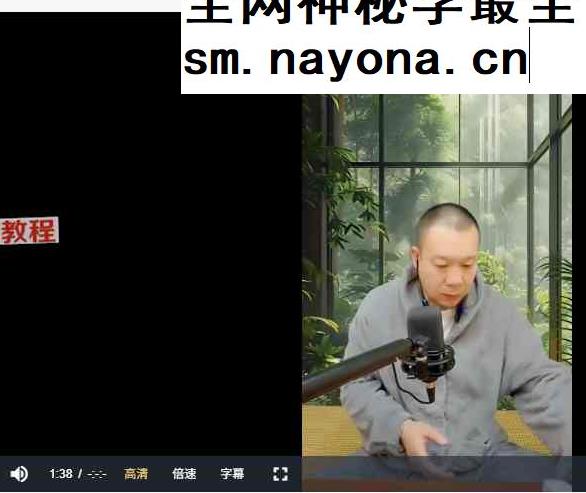
Original Course Images
Who This Resource Is For
This resource is for readers or learners who can use Chinese-language materials and want a named resource on Mindfulness & Contemplation. Compare the stated scope and previews before ordering; a fixed level of prior experience is not assumed unless the source directory says so.
Learning Format and Digital Delivery
305 Chinese-language videos according to the source title Virtual and downloadable; there is no physical shipment. Price: USD 9.00. A file link is not yet attached to this product. Please contact Karma Kismet before ordering to confirm delivery arrangements; immediate automated access is not promised.
Frequently Asked Questions
Is the full material in English?
No English edition, recording or subtitle track is confirmed. The source material is Chinese-language.
Is a personal consultation included?
No individual consultation is listed with this resource.
Does this resource guarantee an outcome?
No. It is for educational and cultural study, not a guaranteed result or substitute for professional advice.
Editorial Note
Karma Kismet translated and organized the course facts and original previews for English readers. Lesson counts and formats follow the available source listing; unspecified contents, certificates and instructor credentials are not asserted.
Related Courses
- Guo Heren Taishang Kunlun Contemplation: Four Videos
- Yingxin Seven Chakras: 22 Lessons and Audio Practices
- Seven Chakras in Depth: Ten Video Lessons
- Violet Flame Reiki: Six-Part Video Course
- Wuzi Studio Western Reiki: 15 Videos
- Energy Reflection Cards: 23 Video Lessons
- Li Yan Inner-Energy Reflection: Five Videos
- Casey Akashic Reading Course 2025: 45 Videos
- Guo Xuhui Akashic Records Reading: 22 Lessons
- Li Linhao Breathing and Relaxation Practice: Nine Videos
- Zhan Tangning 21-Day Breathing Meditation: 30 Videos
Browse Mindfulness & Contemplation and read digital delivery information.
Navigating a large contemplation collection
The source lists a 305-video collection about sitting practice and Daoist inner-alchemy themes. A collection of this size should be approached as an archive to inspect, rather than assumed to be a single short course with a fixed beginning and endpoint. The visible directory contains varied names, dates and topic fragments. These provide retrieval clues, but do not establish a uniform curriculum, a chronological teaching order or a requirement to view every item. The following guidance helps organize a bounded study question while treating traditional language as cultural and contemplative vocabulary.
Inventory before a viewing plan
Begin with the actual filenames and preserve them unchanged in your index. Add a separate field for the topic you verify after viewing. A shortened filename can lose a date or a name that helps distinguish recordings, so keep the full identifier alongside your notes.
The directory’s numbering and dates may not form one simple chronological sequence. Sorting files alphabetically can create an order different from a teaching sequence. Do not convert that accidental order into an official learning plan. A useful archive index records what is known and what remains unclear. If two entries seem similar, inspect them before calling them duplicates. Similar labels can refer to different discussions. Conversely, a new number does not automatically mean a new concept. The first task is accurate retrieval, not a polished explanation of all 305 files.
Choose a bounded question
A large collection can overwhelm a learner who begins with the aim of understanding everything. Choose one question that the visible themes suggest, such as how a particular term is explained in sitting-practice discussion. Locate a small number of relevant recordings and inspect them closely.
Write what each recording contributes to the question and whether it changes the wording of the question. This is a research route, not a claim that you have found the official sequence. If the files do not answer the question, say so and identify a more suitable question. A selective route can be rigorous when it preserves sources and limits. It avoids the unsupported idea that sheer viewing volume produces mastery or that a 305-file archive necessarily has one progression from beginner to advanced practice.
Sitting practice and explanation
The listing names sitting practice as a central theme. Inspect a particular recording to distinguish its practical instructions from its explanation of the practice. The title alone does not establish posture, duration or method. Record those details only where the material supplies them.
A reader can study the explanation without reproducing every instruction. If participating independently, comfort and ordinary breathing should remain basic considerations, and stopping is a legitimate choice. An educational note can identify what the recording asks the learner to attend to and how it interprets that attention. Do not describe an ordinary sensation as proof of a traditional mechanism merely because the vocabulary is available. The difference between an instruction, an experience and an explanation is especially useful in an archive where several recordings may use the same terms in different ways.
Inner-alchemy vocabulary
The visible filenames include inner-alchemy-related language. Treat those terms as source vocabulary to investigate in context. Keep the original wording and a provisional gloss rather than replacing it with an anatomical or biochemical description. A metaphorical elixir or fire image is not established as a physical substance or process by a title.
For a glossary entry, locate one explanation and one use of the term. Compare whether the use follows the explanation or introduces another sense. If several recordings differ, preserve the differences. A large collection may include varied contexts and voices, so one definition should not be imposed on every occurrence. This makes the glossary a useful retrieval and interpretation tool. It also prevents traditional imagery from acquiring an unearned scientific appearance through an overly literal English translation.
Names, dates and topic fragments
Some filenames contain a presenter’s name or a date-like string alongside a short topic. These details can help distinguish an item, but should not be expanded into credentials, production history or a claim that a particular recording supersedes another. The source does not establish those conclusions through naming alone.
Use the details as reference fields. If a recording introduces a speaker or explains its date, record that information separately from the filename. A topic fragment may be enough to locate a discussion but not enough to summarize it. After viewing, add a short verified description and a location for the relevant passage. This keeps the index useful while making clear which information came from cataloguing and which came from inspection. It is a more dependable approach than inventing a detailed English lesson title for every file.
Comparing repeated concepts
Repetition in a large archive can become a learning opportunity. Choose two occurrences of a term and compare the surrounding explanation. Does one define it, another illustrate it or a third use it without explanation? Record these roles rather than treating every occurrence as interchangeable.
If the accounts conflict, identify the conflict precisely. A difference in context may explain it, but do not assume that explanation without support. A comparison note should include the two source locations, the shared term and the distinct claims. This gives a future reader something concrete to inspect. It can also show why a broad summary of the entire collection would be premature. The educational result is a clearer relationship between specific passages, not an assertion that every recording expresses one complete and consistent system.
A sustainable archive notebook
Keep the notebook organized around questions rather than a requirement to fill 305 entries. You can maintain a basic inventory for retrieval and a smaller set of detailed notes for the material you actually study. This distinction avoids giving unviewed files the appearance of verified coverage.
After a session, write a brief account of the concept examined, the passage used and a question that remains open. If you keep a personal experience log, place it separately from the source analysis. An experience can be recorded honestly without becoming evidence that the recording caused a particular outcome. Revisiting a note later may reveal a better translation or an overlooked qualification. Preserve that revision so the notebook shows how understanding changed. It is a learning record, not a certificate of completion or a measure of spiritual attainment.
Scope and modest conclusions
A conclusion about this collection should match the files actually inspected. It may identify a recurring theme, a useful explanation or a difference between passages. It should not claim that all 305 recordings have been reviewed when only a selection has been studied.
The named contemplation and Daoist themes can be approached respectfully as a cultural archive. Claims about physical channels, transformative effects or attainment remain claims unless independently established. A bounded study route with clear source locations gives the collection practical value without exaggeration. It also leaves the learner free to pause, change questions or remain with textual analysis. The best next step is the one supported by a specific unresolved issue, rather than the assumption that the next numbered file must automatically be the next stage of learning.