
A 2025 Akashic-reading course listed as 45 videos. The source file list includes meditation, applications and question-and-answer sessions; supernatural claims are reported as teachings, not established facts.
Resource Overview
Casey Akashic Reading Course 2025: 45 Videos is a digital learning resource about Akashic Records. The English description summarizes the available source listing; the underlying recordings or books are in Chinese. An English translation of the full material is not confirmed.
What You Will Learn
Use the sequence and preview material below to identify the course’s scope, terminology and teaching approach. Check each topic against the original lesson rather than treating a short listing as a complete transcript.
Course Contents
- Meditation and reading themes
- Applications named in the file directory
- Question-and-answer sessions
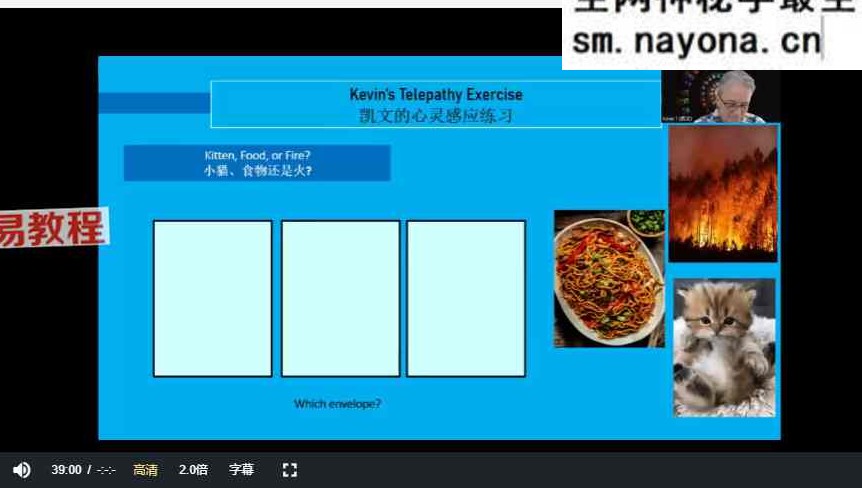
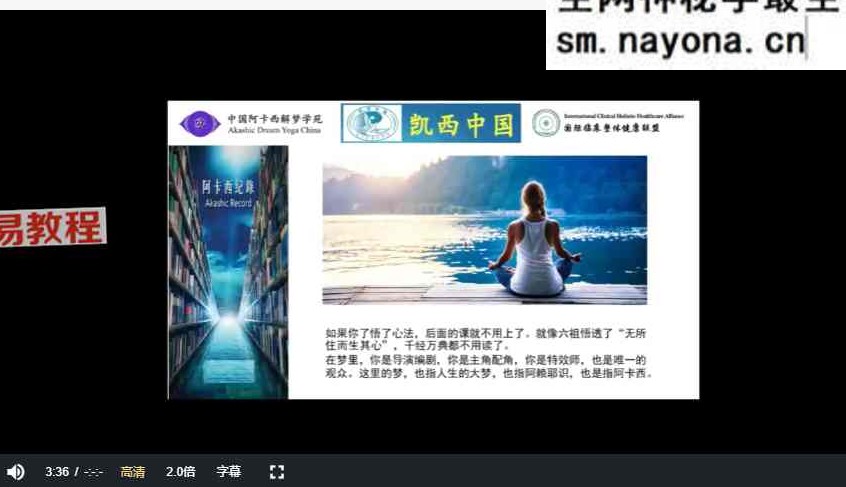
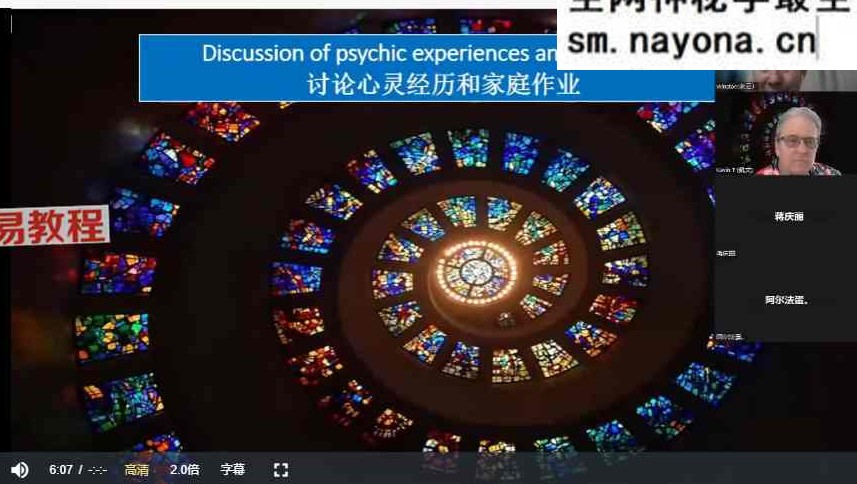
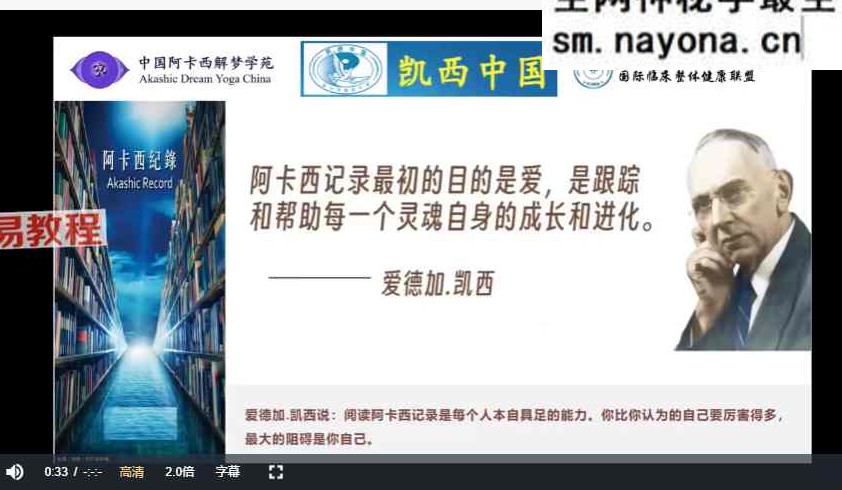
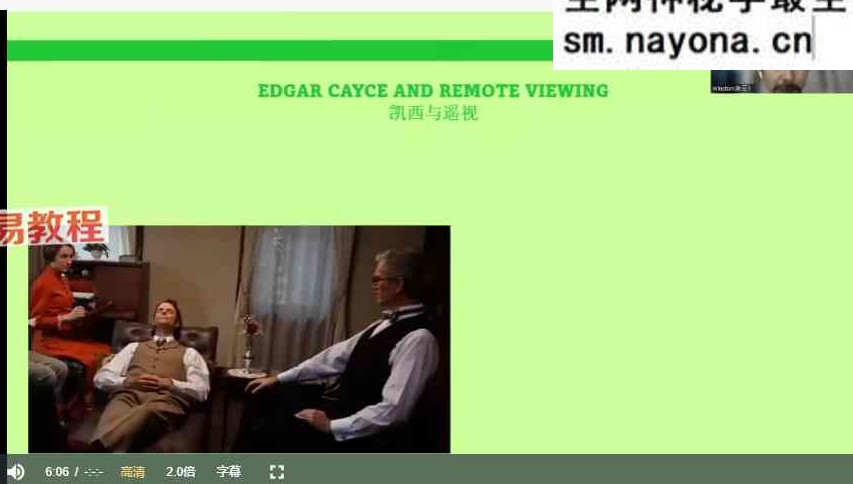
Original Course Images
Who This Resource Is For
This resource is for readers or learners who can use Chinese-language materials and want a named resource on Akashic Records. Compare the stated scope and previews before ordering; a fixed level of prior experience is not assumed unless the source directory says so.
Learning Format and Digital Delivery
45 Chinese-language videos according to the source title Virtual and downloadable; there is no physical shipment. Price: USD 9.00. A file link is not yet attached to this product. Please contact Karma Kismet before ordering to confirm delivery arrangements; immediate automated access is not promised.
Frequently Asked Questions
Is the full material in English?
No English edition, recording or subtitle track is confirmed. The source material is Chinese-language.
Is a personal consultation included?
No individual consultation is listed with this resource.
Does this resource guarantee an outcome?
No. It is for educational and cultural study, not a guaranteed result or substitute for professional advice.
Editorial Note
Karma Kismet translated and organized the course facts and original previews for English readers. Lesson counts and formats follow the available source listing; unspecified contents, certificates and instructor credentials are not asserted.
Related Courses
- Guo Heren Taishang Kunlun Contemplation: Four Videos
- Awakening Through Contemplation: 305 Video Collection
- Yingxin Seven Chakras: 22 Lessons and Audio Practices
- Seven Chakras in Depth: Ten Video Lessons
- Violet Flame Reiki: Six-Part Video Course
- Wuzi Studio Western Reiki: 15 Videos
- Energy Reflection Cards: 23 Video Lessons
- Li Yan Inner-Energy Reflection: Five Videos
- Guo Xuhui Akashic Records Reading: 22 Lessons
- Li Linhao Breathing and Relaxation Practice: Nine Videos
- Zhan Tangning 21-Day Breathing Meditation: 30 Videos
Browse Akashic Records and read digital delivery information.
Reading the Casey Collection with a Clear Framework
The distinguishing feature of this collection is the detailed source file list. It identifies forty five video entries associated with an autumn 2025 Akashic reading course and shows introductory meetings, meditation themes, applications, group practice, questions, and student reflections. This makes it possible to describe the collection more precisely than a title alone would allow. It does not establish the truth of the spiritual claims expressed in those filenames, the professional standing of participants, or the results that a viewer might obtain.
For someone comparing Akashic study materials, the directory suggests a broad contemporary spiritual setting rather than a narrowly defined historical text. References to identity, relationships, soul purpose, future meditation, hypnosis, tarot, and the Yijing appear alongside one another. These are labels in the supplied directory. Their appearance should not be read as proof that the different traditions share one origin or one agreed method. A useful viewing question is how the speaker connects these ideas, and whether that connection is argued, illustrated, or simply asserted.
What the directory helps you identify
The opening entries name an opening meeting and participant introductions before turning to identity and spiritual interpretation. Later entries refer to relationships, past life imagery, and a proposed life mission. A reader can approach these as examples of the language used in this particular framework. If a recording invites an imagined scene or narrative, write down the instruction and the image separately. An image that feels personally significant is different from independently documented information about another person or a past event.
Another portion names applications, questions and answers, and a closing reflection. Those items may be useful for examining how a teaching moves from an abstract belief into conversation. Listen for the difference between a participant asking a question, a speaker offering an interpretation, and a claim supported by external evidence. Recording all three separately preserves the shape of the exchange. It also prevents a memorable answer from becoming a stronger statement in your notes than it was in the recording.
Several similarly named entries appear toward the later portion, including meditation, weekly practice, and tarot with the Yijing. Some names recur with different listed file sizes. This does not by itself prove that the videos are duplicates, different camera recordings, or revised lessons. If you receive the material, compare the actual openings and durations before assigning your own sequence. Keep the original filenames, because changing them too early can make it difficult to reconcile your library with the supplied list.
A notebook for a mixed spiritual vocabulary
Begin with a glossary containing terms that actually occur in the recordings. For each term, retain the Chinese expression when available, add a provisional English translation, and note the timestamp where the speaker explains it. Words such as energy, information, soul, and awareness can carry different meanings even within one conversation. A definition taken from a specific passage is more useful than importing one from an unrelated course. Leave an entry unresolved when the recording does not define it clearly.
A second section can track questions of method. Does the speaker ask the learner to imagine, remember, observe a sensation, interpret a symbol, or make a prediction? These activities can feel similar during a guided session, but they should not be treated as interchangeable. Describe the requested activity in plain language before evaluating its meaning. For example, a visualization about a future situation can be considered an exercise in imagining possibilities without treating it as reliable foreknowledge.
A third section can contain your responses, marked as personal. You might find a relationship metaphor evocative, dislike an interpretation, or notice that a phrase changes meaning when translated. None of these reactions needs to be forced into the speaker’s framework. Keeping disagreement in the notebook is a legitimate part of study. It helps you retain your own judgment while paying close attention to the material and understanding why another participant might find it meaningful.
Consent and interpretation in reading exercises
When considering an exercise involving another person, keep permission specific. Interest in a discussion does not automatically mean consent to claims about someone’s family, health, private memories, or supposed previous lives. A respectful practice conversation can focus on a voluntarily chosen question and allow the other person to reject every interpretation. Do not turn uncertainty into authority by saying that an unseen record proves something about them. This boundary remains relevant even when a speaker uses confident or emotionally persuasive language.
The source also contains words associated with healing and unusual perception. Here they identify the source’s spiritual vocabulary rather than verified capacities. A student can examine how such claims function in the course without promising them to anyone else. Personal decisions about medical care, money, or a serious relationship require evidence appropriate to those decisions. A symbolic reading cannot supply that evidence, and completing a video collection does not establish a regulated professional qualification.
Choosing a pace and reviewing your understanding
Forty five entries need not become forty five consecutive days of viewing. A useful pace may be to watch one explanatory section, pause to clarify its terminology, and return to related discussion later. If a guided passage becomes uncomfortable, stopping is a valid response. You can continue studying the language and structure without participating in every exercise. The title supplies an edition year and a count, not a requirement to accept every belief or follow a fixed personal timetable.
After a group of recordings, write a short account of what is clearer. Perhaps you can distinguish the speaker’s use of meditation from hypnosis, identify a recurring metaphor, or explain why an application raises an ethical question. These are concrete learning outcomes you can assess yourself. They are more informative than claiming a transformation that cannot be checked. Keep a separate list of unanswered questions for passages requiring translation, further context, or clarification from the material provider.
Before ordering, confirm the available files, their language, and the delivery arrangement described on the original product page. The English overview is a reading aid for the listed Chinese material; it does not establish an English audio track or a personal consultation. Evaluated on those terms, the collection can be approached as a substantial record of one contemporary Akashic teaching environment, with its own vocabulary, exercises, and interpretive limits. Its variety is a reason to study the connections carefully rather than assume that every named practice serves an identical purpose.