A six-part Violet Flame Reiki course. The file list names levels one through four, a group-practice demonstration and an additional practitioner-development lesson.
Resource Overview
Violet Flame Reiki: Six-Part Video Course is a digital learning resource about Reiki Studies & Practice. The English description summarizes the available source listing; the underlying recordings or books are in Chinese. An English translation of the full material is not confirmed.
What You Will Learn
Use the sequence and preview material below to identify the course’s scope, terminology and teaching approach. Check each topic against the original lesson rather than treating a short listing as a complete transcript.
Course Contents
- Reiki levels in the source directory
- Group-practice demonstration
- Practitioner-development lesson
Original Course Images
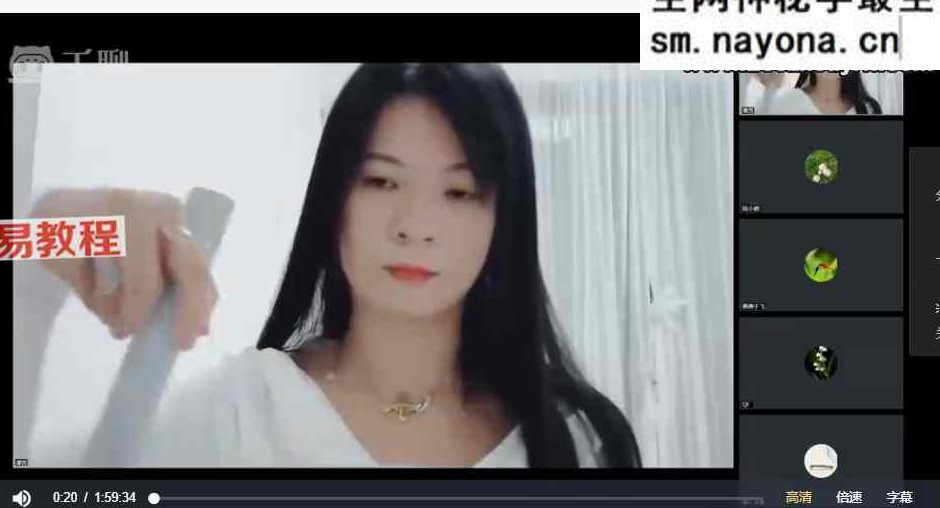
Who This Resource Is For
This resource is for readers or learners who can use Chinese-language materials and want a named resource on Reiki Studies & Practice. Compare the stated scope and previews before ordering; a fixed level of prior experience is not assumed unless the source directory says so.
Learning Format and Digital Delivery
Six Chinese-language videos Virtual and downloadable; there is no physical shipment. Price: USD 9.00. A file link is not yet attached to this product. Please contact Karma Kismet before ordering to confirm delivery arrangements; immediate automated access is not promised.
Frequently Asked Questions
Is the full material in English?
No English edition, recording or subtitle track is confirmed. The source material is Chinese-language.
Is a personal consultation included?
No individual consultation is listed with this resource.
Does this resource guarantee an outcome?
No. It is for educational and cultural study, not a guaranteed result or substitute for professional advice.
Editorial Note
Karma Kismet translated and organized the course facts and original previews for English readers. Lesson counts and formats follow the available source listing; unspecified contents, certificates and instructor credentials are not asserted.
Related Courses
- Guo Heren Taishang Kunlun Contemplation: Four Videos
- Awakening Through Contemplation: 305 Video Collection
- Yingxin Seven Chakras: 22 Lessons and Audio Practices
- Seven Chakras in Depth: Ten Video Lessons
- Wuzi Studio Western Reiki: 15 Videos
- Energy Reflection Cards: 23 Video Lessons
- Li Yan Inner-Energy Reflection: Five Videos
- Casey Akashic Reading Course 2025: 45 Videos
- Guo Xuhui Akashic Records Reading: 22 Lessons
- Li Linhao Breathing and Relaxation Practice: Nine Videos
- Zhan Tangning 21-Day Breathing Meditation: 30 Videos
Browse Reiki Studies & Practice and read digital delivery information.
Six files with several teaching roles
The Violet Flame Reiki directory identifies level-one, level-two, level-three and level-four recordings, a level-three group-practice demonstration and an additional practitioner-development lesson. Six files therefore do not mean six numbered Reiki levels. The distinction matters for understanding scope. The names identify what the collection presents, but do not establish a recognized qualification, a personal attunement delivered to the buyer or verified healing effects. These editorial suggestions approach the material as a study of its symbolic vocabulary, presentation and ethical assumptions.
Preserve the level structure
Make an index with separate fields for the level label and the file’s role. Four files carry level headings, while the demonstration and the additional lesson have different functions. Do not renumber them into a six-level system. The source’s full-stage wording is a description of the collection, not proof that it covers every Reiki framework or meets an external standard.
Inspect each recording before describing prerequisites or progression. If a later file assumes a term from an earlier one, note the specific term and passage. That is evidence of a learning relationship. The mere presence of a larger level number does not establish assessment, mastery or a required attainment. A precise account can explain the directory without promising more than the material actually identifies.
Understand Violet Flame as source language
Treat the Violet Flame name and related imagery as terminology within the teaching. Ask how the presenter defines the image and what role it plays. Is it used as a visualization, a symbolic quality or an asserted process? The listing alone cannot decide that question.
A contextual glossary can preserve the original wording and a provisional English explanation. If the imagery is associated with transformation or cleansing, attribute that association and identify the passage. Do not turn it into a statement that a physical substance, organ or condition has changed. A symbolic image can be studied for its meaning without being described as a measurable force. This keeps the account understandable while avoiding the unearned scientific appearance that can arise from translating broad energy language too literally.
Read a demonstration descriptively
The group-practice file is labeled as a level-three demonstration. Begin with what the recording actually shows: the arrangement, spoken instructions and sequence visible to the viewer. Then record what the presenter says those actions mean. Observation and explanation should remain separate.
A demonstration can show how a practice is presented, but it cannot by itself verify an unseen mechanism or a health outcome. If editing or camera framing leaves a step unclear, mark the gap rather than completing it from expectation. A learner who does not wish to participate can still analyze the demonstration. The educational question is how it uses terms from the level-three discussion and whether the relationship is explicit. This gives the file a concrete role without treating its presence as proof of effectiveness.
Personal reports and causal claims
If the material includes reports of sensations, describe them as reports. A participant’s account may be sincere and meaningful without establishing that the teaching caused a particular bodily process. Keep the situation, the reported experience and the explanation in separate fields.
For a personal reflection log, use ordinary descriptive words before applying a symbolic interpretation. A pleasant response does not verify a mechanism; an absent response does not demonstrate failure. The listing does not establish a uniform experience for every learner. Avoid treating intensity as a measure of progress. A careful record can preserve the experience and its cultural interpretation while leaving causation unresolved. This is a more useful learning standard than assuming that every sensation confirms a level or that a dramatic report proves a general effect.
Practitioner-development themes
The additional recording names the growth of a practitioner. That title invites questions about conduct, limits and communication, but it does not establish a professional curriculum or permission to provide medical treatment. Inspect the actual discussion before attributing specific advice to it.
An editorial ethics note can ask how a practitioner describes a practice to another person, obtains consent and avoids promising outcomes. These are reasonable study questions, not claims that the course formally assesses them. A cultural or reflective activity should be described plainly so another person can choose whether to participate. Do not present a digital resource as conferring authority to diagnose, treat or guarantee results. The distinction between learning about a role and being qualified for that role should remain visible in the English explanation.
Levels and attunement expectations
Level headings and source claims about receiving energy do not establish that a recorded file delivers an individualized attunement, live supervision or a certificate. Keep those possibilities unconfirmed unless the individual resource page supplies dependable information. A buyer’s expectation should not be filled by assumptions from another Reiki program.
In study notes, distinguish the term attunement as described by the material from a service actually included with the digital files. The first is a topic; the second is a delivery claim. They require different evidence. The same applies to a mastery label or a statement about becoming a practitioner. A label can identify the resource’s internal vocabulary without demonstrating external recognition. This makes the directory easier to interpret and prevents the progression language from becoming an invented qualification promise.
Participation and boundaries
A reader may examine the recordings textually, watch a demonstration or choose a limited reflective activity. None should be presented as compulsory evidence of commitment. Inspect specific instructions before participating and keep freedom to pause. Do not reproduce a practice that causes discomfort or assume that discomfort must indicate progress.
Where another person is involved, their informed choice matters. A recorded example is not consent on behalf of a future participant. An ethics discussion can preserve this ordinary boundary without inventing clinical claims. The resource’s traditional or symbolic vocabulary should remain separate from decisions about health care and professional support. A useful study can explain the framework while acknowledging that its named healing aims are not verified outcomes supplied by the listing.
A six-file review
Finish with a directory summary, one term explained in context and one relationship between a level discussion and the demonstration. Include source locations for the passages actually inspected. If a relationship remains unclear, retain the question.
The strongest account identifies four level-labeled recordings, a group demonstration and an additional development lesson without inflating them into a six-level qualification. It can communicate the Violet Flame theme respectfully while leaving efficacy, certification and individualized service unconfirmed. That is a practical and source-based result for a learner evaluating the collection.