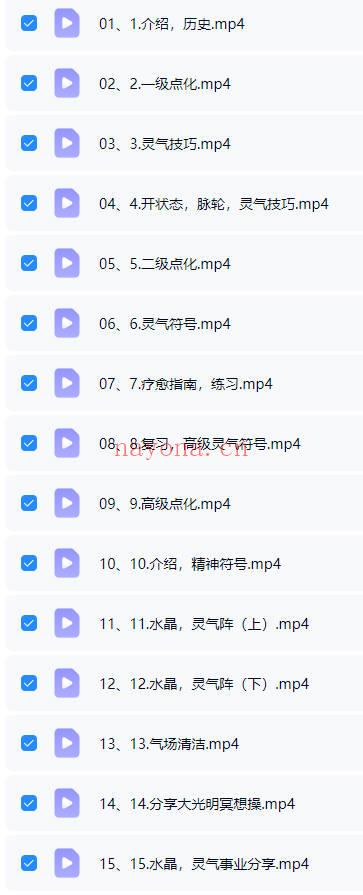
A 15-video Western Reiki course from Wuzi Studio. The directory names history, symbols, exercises and crystal-grid topics. Source claims about attunements or healing are not presented here as verified outcomes.
Resource Overview
Wuzi Studio Western Reiki: 15 Videos is a digital learning resource about Reiki Studies & Practice. The English description summarizes the available source listing; the underlying recordings or books are in Chinese. An English translation of the full material is not confirmed.
What You Will Learn
Use the sequence and preview material below to identify the course’s scope, terminology and teaching approach. Check each topic against the original lesson rather than treating a short listing as a complete transcript.
Course Contents
- Introduction and history
- Symbols and practice sessions
- Crystal-grid topics in the directory
Original Course Images


Who This Resource Is For
This resource is for readers or learners who can use Chinese-language materials and want a named resource on Reiki Studies & Practice. Compare the stated scope and previews before ordering; a fixed level of prior experience is not assumed unless the source directory says so.
Learning Format and Digital Delivery
15 Chinese-language videos Virtual and downloadable; there is no physical shipment. Price: USD 9.00. A file link is not yet attached to this product. Please contact Karma Kismet before ordering to confirm delivery arrangements; immediate automated access is not promised.
Frequently Asked Questions
Is the full material in English?
No English edition, recording or subtitle track is confirmed. The source material is Chinese-language.
Is a personal consultation included?
No individual consultation is listed with this resource.
Does this resource guarantee an outcome?
No. It is for educational and cultural study, not a guaranteed result or substitute for professional advice.
Editorial Note
Karma Kismet translated and organized the course facts and original previews for English readers. Lesson counts and formats follow the available source listing; unspecified contents, certificates and instructor credentials are not asserted.
Related Courses
- Guo Heren Taishang Kunlun Contemplation: Four Videos
- Awakening Through Contemplation: 305 Video Collection
- Yingxin Seven Chakras: 22 Lessons and Audio Practices
- Seven Chakras in Depth: Ten Video Lessons
- Violet Flame Reiki: Six-Part Video Course
- Energy Reflection Cards: 23 Video Lessons
- Li Yan Inner-Energy Reflection: Five Videos
- Casey Akashic Reading Course 2025: 45 Videos
- Guo Xuhui Akashic Records Reading: 22 Lessons
- Li Linhao Breathing and Relaxation Practice: Nine Videos
- Zhan Tangning 21-Day Breathing Meditation: 30 Videos
Browse Reiki Studies & Practice and read digital delivery information.
Fifteen recordings and named Reiki topics
The Wuzi Studio directory names history, attunement themes, techniques, symbols, exercises, crystal grids, an aura-cleaning topic, a meditation demonstration and practitioner-related discussion. These labels support a concrete reading route. They do not establish that watching the files provides a personal attunement, a recognized professional credential or a verified healing effect. Study the symbolic and practical vocabulary in the recordings while preserving the difference between a topic named in a directory and a service delivered to a buyer.
Introduction and history
The first recording is labeled as an introduction and history discussion. Inspect it for the terms the later files assume and the historical references actually supplied. A broad narrative can communicate the presenter’s perspective without settling every claim about origin or transmission.
Record names, dates and texts only where the material identifies them. If an account has no reference, keep it as the source’s account rather than extending it into a verified lineage. A glossary entry should include an actual passage location. This gives the introduction a useful role in the study plan and avoids relying on the surrounding promotional article as a substitute for the recording. The directory identifies a history topic, not an independently established history of every practice included in the collection.
Attunement as a topic
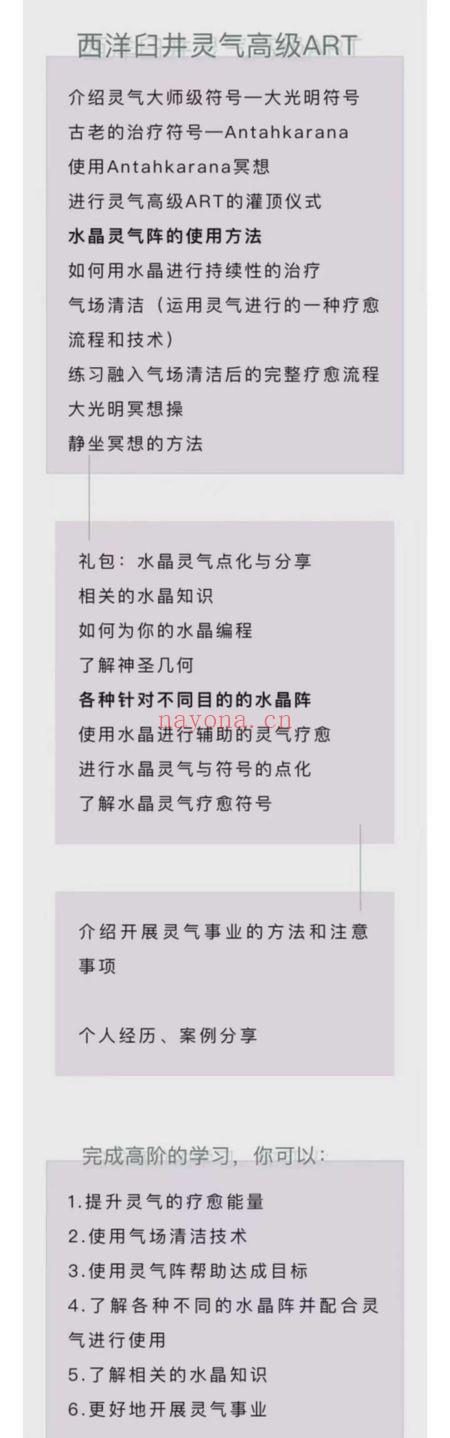
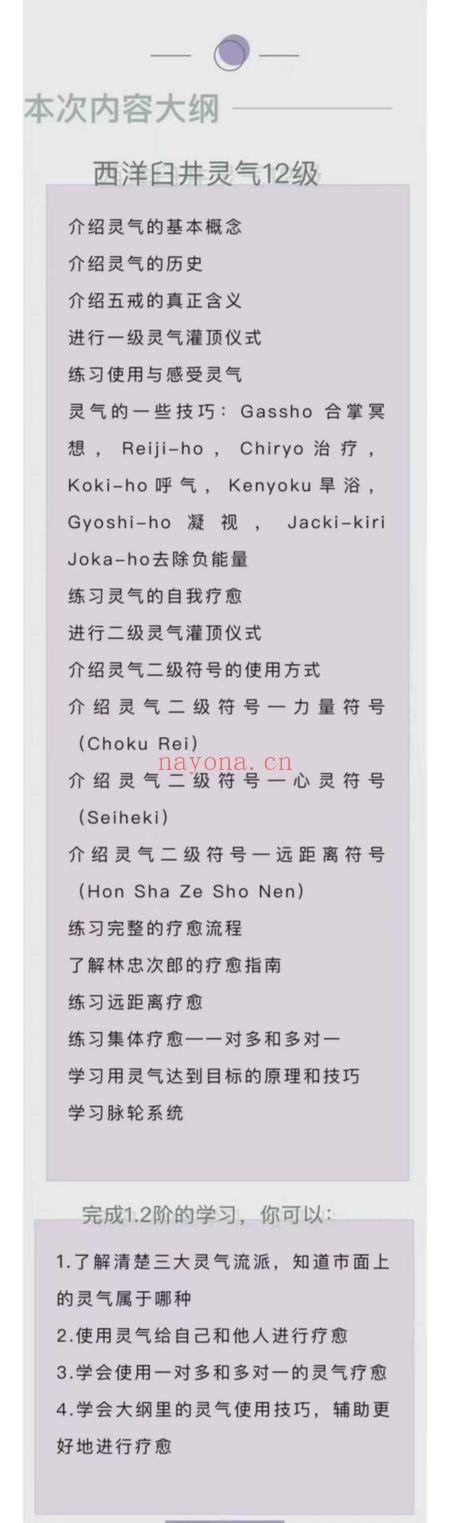
The visible list includes level-one, level-two and advanced attunement labels. Preserve those labels in the index, but do not describe them automatically as personal services. A file discussing or demonstrating a process is different from a live or individualized process supplied to the learner.
When inspecting a recording, identify how it defines attunement, what sequence it describes and what it claims follows. Keep those three entries separate. If the source says a result occurs, attribute the claim and note what evidence is offered. The product description does not establish recognition by an external organization or a certificate. A title using master-level language likewise describes the resource’s framing rather than proving that every viewer becomes qualified. Clear expectations depend on maintaining these distinctions throughout the English explanation.
Symbols and advanced symbols
Several directory entries concern symbols, including an advanced-symbol review and a spirit-related symbol introduction. Analyze the particular forms and names actually shown. Do not merge them into a single universal symbol system or supply missing marks from memory.
A symbol note can record visible features, the label used and the meaning assigned by the presenter. If a diagram is unclear, mark the uncertainty. If the explanation assigns a role to a symbol, keep that role attributed rather than treating it as an objective property. Compare a symbol’s initial discussion with its later review only where both passages can be inspected. A shared label may reveal continuity, but a change in explanation should be preserved. This makes the study more precise than a list of supposed effects for every symbol.
Techniques, guidance and practice
The directory names techniques and a guidance-and-practice recording. Begin with the actual instruction and separate it from the claimed purpose. A detailed demonstration can clarify what the presenter asks participants to do; it does not by its detail establish a therapeutic effect.
If you keep a personal log, use ordinary descriptions such as comfort, attention or a question about the instruction. Place the source’s interpretation in another field. An unusual sensation does not automatically verify energy transfer, and the absence of one does not show failure. Participation can remain optional. A learner may study wording and sequence without reproducing the activity. This keeps the educational focus clear while avoiding the expectation that the recording should function as a medical intervention or a test of attainment.
Crystal-grid discussions
Two consecutive directory items name crystal grids, and another later item connects crystals with practitioner discussion. The two-part grid topic can be studied through the relationship between objects, placement and symbolism. Identify the components actually named rather than inventing a set of crystals or specifications.
A paper layout can preserve the arrangement for analysis. Record which relationship the presenter assigns to each position and whether the explanation gives a rationale. Do not infer that a geometric arrangement produces a verified effect simply because it looks ordered. A material’s symbolic association is distinct from its physical properties. If the recording discusses a particular crystal, preserve its label but do not turn a cultural account into a medical recommendation. The study result is a clearer understanding of the grid’s presented logic, not a promise that making a grid will achieve a goal.
Aura-cleaning and meditation language
The directory includes an aura-cleaning topic and a meditation exercise associated with a named light image. Read aura and light terminology as source language until the recording clarifies its use. The terms may describe a symbolic framework or a reported experience; neither becomes established anatomy through translation.
For an imagery note, identify the image, the instruction using it and the claimed meaning. Keep your personal response separate. If a recording uses cleansing language, avoid translating that into a statement that a substance or condition has been physically removed. A viewer can appreciate the metaphor and understand the sequence without endorsing its causal explanation. This distinction is especially important where the surrounding article makes broad healing claims that the directory itself cannot substantiate.
Working with another person
The source frames some practices as involving others, which makes consent and communication useful editorial study questions. Describe an activity clearly before inviting participation, preserve the person’s ability to decline and do not infer consent from a demonstration in the recording. These are ordinary boundaries, not claims that the course formally certifies professional conduct.
A reflective or cultural activity should not be presented as diagnosis or guaranteed treatment. A practitioner-related discussion can be examined for how it handles limits, but its presence does not authorize a viewer to provide medical care. Keep the difference between learning about a role and holding a recognized qualification visible. If a statement promises an outcome, inspect the evidence and preserve uncertainty rather than repeating the promise as a product fact.
A directory-based review
Finish by mapping one concept across an introductory discussion, a symbol recording and a practice or grid recording where a genuine connection exists. Include the source locations and note any change in terminology. Do not assume that every file repeats the same account.
The fifteen-recording structure offers several topics for comparison while leaving outcomes, individualized attunements and certification unverified. A clear summary can explain the resource’s history, symbols and grid themes as named content without inflating them into a complete professional promise. The learner’s most useful result is an accurate account of the framework and its limits, supported by actual passages rather than by the surrounding promotional claims.