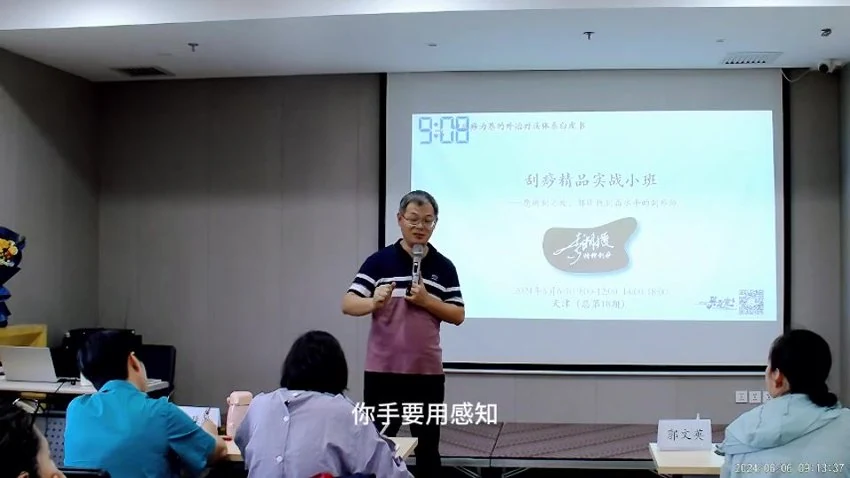
A 144-video field workshop documenting practical Gua Sha instruction, technique demonstrations, assessment ideas and supervised classroom practice.
Course Overview
This English course page organizes a substantial recorded curriculum for adult learners who want a structured introduction to the subject. The source directory, lesson count and supplied visual materials were reviewed before publication so that the listing describes the actual learning package rather than a generic topic page.
The course preserves traditional Chinese terminology while explaining the learning path in clear English. Historical theories are presented as cultural and educational material. They should not be read as promises of medical benefit or as instructions for diagnosis or self-treatment.
What You Will Learn
- Tool handling and basic scraping direction
- Workshop demonstrations for different body areas
- Traditional observation and assessment concepts
- Practice sequencing and classroom case review
- Contraindications, hygiene and aftercare considerations
Course Contents
The supplied collection contains a detailed sequence of recorded lessons and supporting materials. Its directory is arranged around the following study areas:
- Tool handling and basic scraping direction. Lessons introduce the vocabulary, demonstrations and review material associated with this part of the curriculum.
- Workshop demonstrations for different body areas. Lessons introduce the vocabulary, demonstrations and review material associated with this part of the curriculum.
- Traditional observation and assessment concepts. Lessons introduce the vocabulary, demonstrations and review material associated with this part of the curriculum.
- Practice sequencing and classroom case review. Lessons introduce the vocabulary, demonstrations and review material associated with this part of the curriculum.
- Contraindications, hygiene and aftercare considerations. Lessons introduce the vocabulary, demonstrations and review material associated with this part of the curriculum.
Source-material depth: the reviewed course listing contains approximately 6,010 Chinese characters of directory and descriptive material, with 6 distinct preview images.
Original Course Preview Images
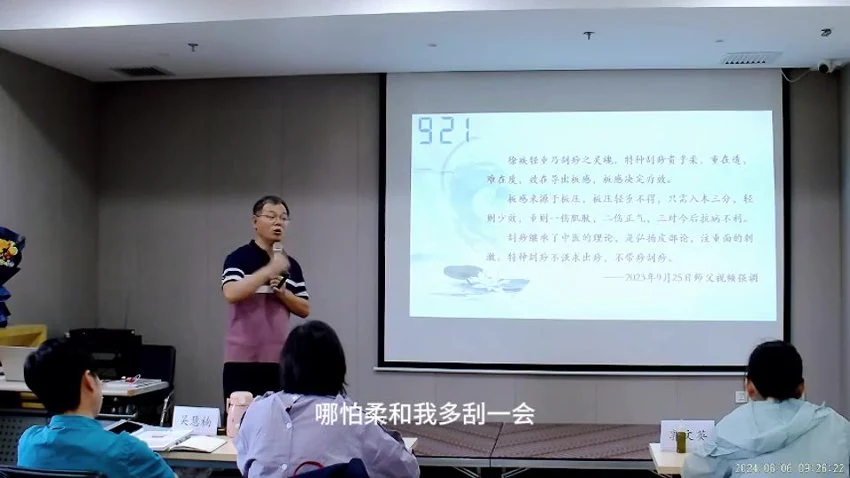
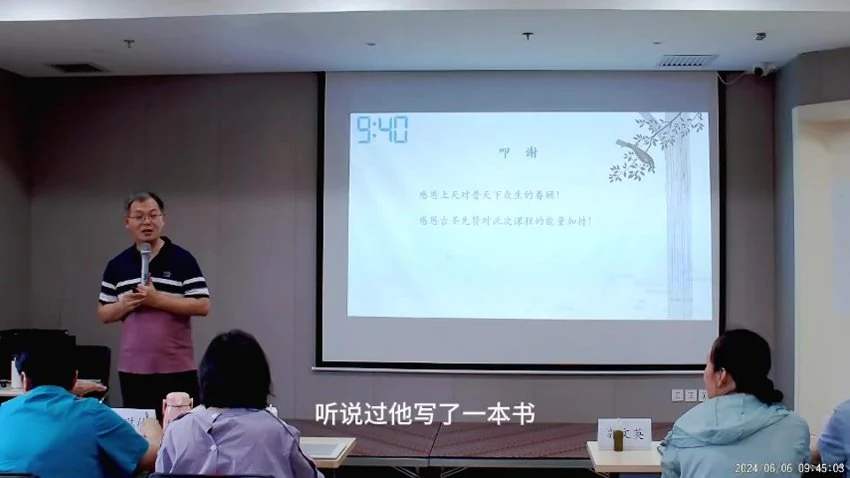
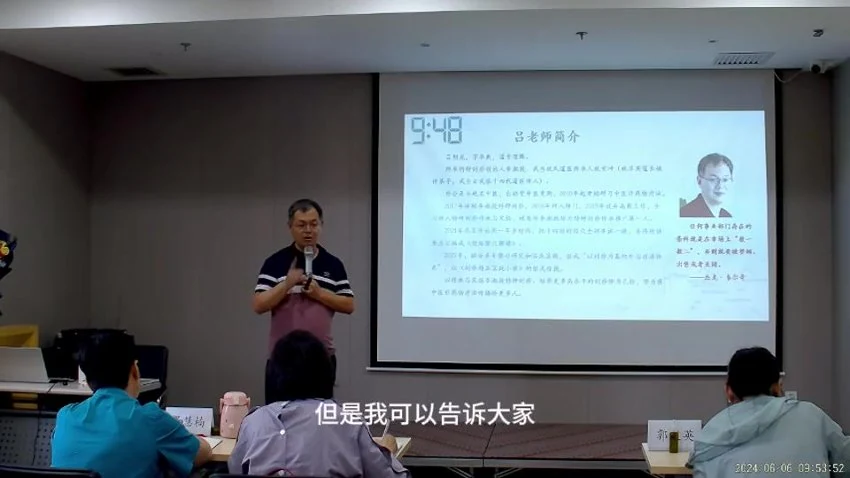
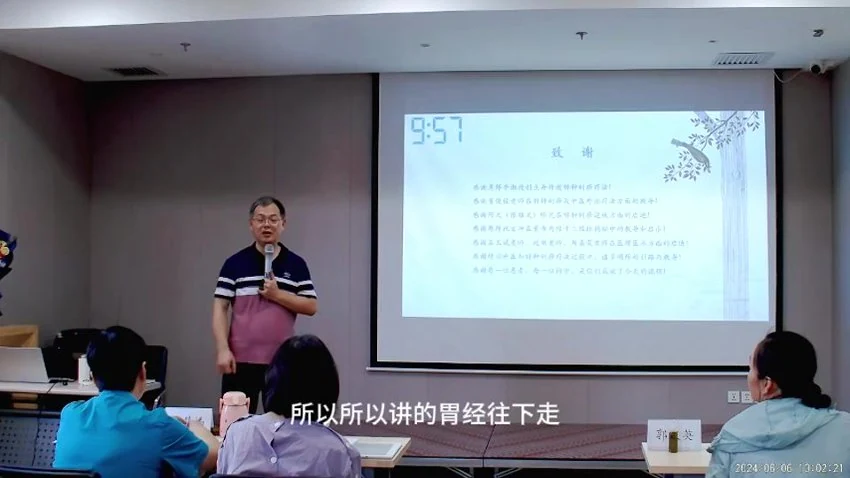
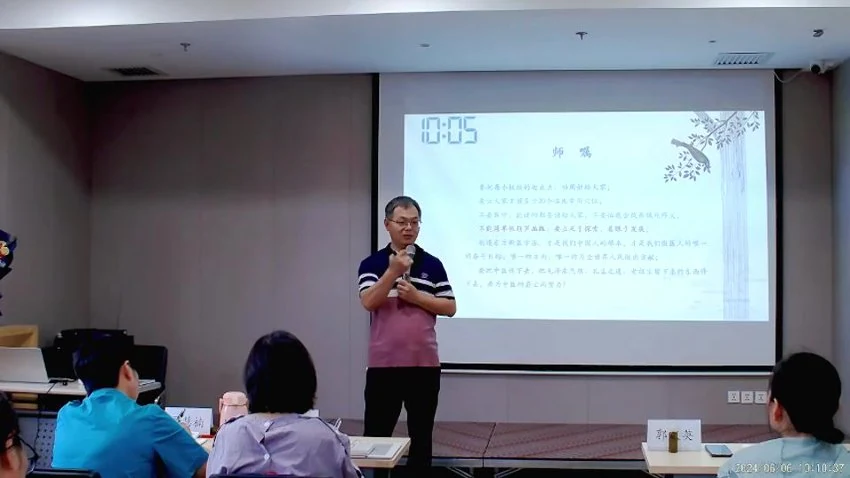
The following supplied images are retained as visual references to the course package.
Who This Course Is For
- Adult learners studying Traditional Chinese Medicine or Daoist wellness history
- Students who prefer a lesson-based digital curriculum with visual reference material
- Researchers comparing terminology, teaching systems and historical practice
- Practitioners seeking continuing cultural education within their lawful scope of practice
Learning Format and Digital Delivery
This is a virtual, downloadable educational product with no physical shipment. The package is organized around recorded video, audio, documents or illustrated reference files according to the supplied course directory. Access details are managed through the product delivery setup.
How to Study This Material
Begin with the foundational terminology, keep a glossary of unfamiliar Chinese concepts, and use the directory to track completed lessons. Pause demonstrations for note-taking and compare related modules before moving to advanced case discussions. Where a lesson describes a health-related technique, treat it as historical or professional education rather than personal medical advice.
Frequently Asked Questions
Is this course presented in English?
This sales and study guide is written in English. The underlying recorded material may contain Chinese-language teaching, so learners should review the product description and curriculum before purchase.
Is this a physical product?
No. It is a virtual and downloadable course product; nothing is shipped.
Does this qualify me to diagnose or treat patients?
No. A digital course does not replace accredited clinical education, supervised practice, professional licensing or individualized medical care.
Can beginners use it?
Motivated beginners can use the overview and foundational lessons, while advanced modules are better suited to learners who already understand basic TCM or Daoist vocabulary.
Related Courses
- Zhang Xiuqin Holographic Gua Sha Course Collection – 245 Lessons
- Home TCM Wellness Course: Gua Sha, Cupping and Moxibustion
Browse the complete Gua Sha & Cupping Courses collection or contact Karma Kismet with a course question.
Editorial and Safety Note
Karma Kismet translated, organized and expanded the supplied curriculum description for English-speaking learners. Traditional claims are identified as subjects of study, not guaranteed outcomes. Do not use this material to delay professional care. Acupuncture, moxibustion, scraping, cupping, herbs and intimate wellness practices can carry risks and may be regulated; consult an appropriately licensed professional and follow local law.
Disclaimer
For adult cultural and educational study only. This product does not diagnose, treat, cure or prevent disease and does not replace medical, psychological, legal or professional advice.
What a recorded workshop can show
This 144-video Gua Sha course is presented as a field workshop, with technique demonstrations, assessment ideas and classroom practice. Its workshop setting is a distinctive reason to study it: viewers may hear questions, see an instructor respond to a participant and observe how an explanation changes during a demonstration. Those interactions can clarify what the class was trying to teach. They do not place a remote viewer under the instructor’s supervision.
The source description mentions tool choice, movement, pressure, visible skin response and cautions among its topics. These are useful subjects for critical observation, but they are also reasons to avoid copying an action from the screen. A camera may omit the practitioner’s judgment, the participant’s history and feedback, or the circumstances that led to a correction. The fact that an instructor demonstrates a technique on one person says little about whether it would be appropriate for another.
Observe the teaching process
When watching a practical lesson, note the question the instructor appears to answer. Is the segment explaining a term, comparing tools, discussing how to assess a situation or correcting a classroom movement? Record the explanation separately from the visible action. If the instructor changes a student’s approach, ask what was identified as the problem and whether the reason is audible. A correction without context should remain an open question, not become a general rule.
Some source headings connect scraping routes with named symptoms. Treat those headings as descriptions of what the workshop discusses. They are not evidence that Gua Sha resolves those symptoms, and they should not be used to choose care for a current condition. Look for how the presenter handles uncertainty, limits and contraindications as closely as you look at technique.
A structured viewing plan
- Begin with opening and foundational segments. Write down how the workshop defines Gua Sha, the role of a tool and the terms used for visible skin changes.
- For each demonstration, summarize the setting and the stated learning point. Avoid recording a step-by-step procedure for unsupervised use.
- Watch classroom interactions for questions and corrections. Compare the instructor’s stated reason with the earlier conceptual material.
- Place any discussion of cautions beside the related demonstration in your notes, so the practical context is not separated from its limits.
- Revisit one theme across several videos and note differences in wording, rather than assuming a single short clip contains the whole explanation.
This plan makes the workshop manageable without suggesting that every video must be watched in numerical order. A learner interested in pedagogy might focus on how feedback is given; a student of traditional terminology might track how the instructor names areas and concepts. In either case, separate what the recording establishes from what it merely asserts. A video can document a classroom exchange, but it cannot provide a controlled comparison of outcomes.
Suitable uses and realistic limits
The series may suit adults who want to understand how practical Gua Sha is taught, practitioners reviewing classroom communication within their lawful scope and researchers comparing demonstrations with written descriptions. Its recorded format can help a viewer pause and examine an exchange, yet it cannot offer live feedback on the viewer’s understanding or actions. Someone seeking personal medical guidance should discuss their situation with an appropriately qualified professional.
Skin contact, pressure and repeated scraping carry risks, especially when individual circumstances are unknown. Do not use a classroom recording as authorization to practise on yourself or others. Professional preparation requires direct supervision, attention to hygiene and an understanding of when an intervention should be avoided. The workshop’s practical emphasis makes these boundaries especially important.
Workshop-specific questions
Does seeing a student corrected mean I can correct my own technique?
No. The video shows feedback given in that classroom. A viewer may not see or hear every reason behind it, and cannot receive equivalent feedback from the recording.
How should I interpret changes in skin color shown on camera?
Describe them as visible changes in that example. Lighting, camera settings and personal factors can affect appearance; a color change alone does not identify a health condition.
Are the symptom-based segments treatment plans?
They are topics discussed in the workshop. They cannot account for an individual person’s condition and should not replace professional assessment or care.
What is the best reason to choose this course over a short overview?
Its recorded classroom setting offers extended examples of explanation, demonstration and feedback. That depth is useful for studying how the subject is taught, while remaining distinct from supervised practical training.