An eight-video thematic course on financial astrology. It addresses a narrower branch of mundane astrology and does not offer reliable market forecasts or investment advice.
Resource Overview
Chen Anyi Financial Astrology 11.0: Eight Videos is a digital learning resource about Mundane Astrology. The English description summarizes the available source listing; the underlying recordings or books are in Chinese. An English translation of the full material is not confirmed.
What You Will Learn
Use the sequence and preview material below to identify the course’s scope, terminology and teaching approach. Check each topic against the original lesson rather than treating a short listing as a complete transcript.
Course Contents
- Financial astrology as a historical practice
- Eight listed video files
- Critical interpretation and limitations
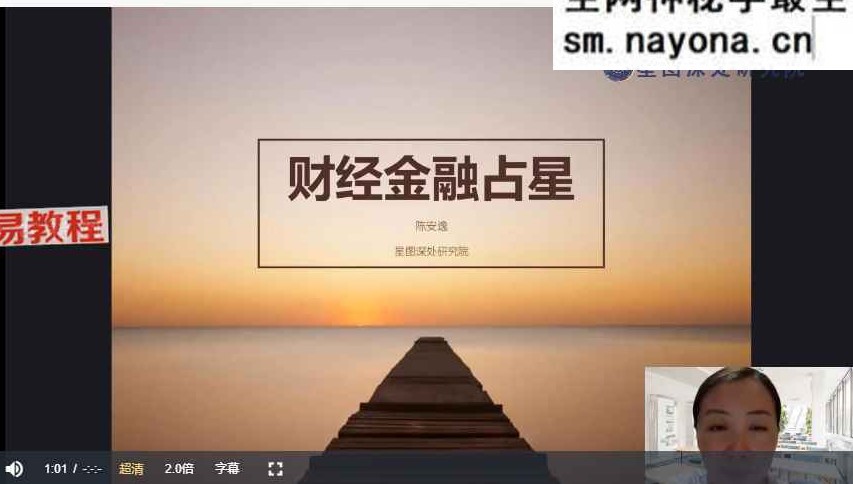
Original Course Images
Who This Resource Is For
This resource is for readers or learners who can use Chinese-language materials and want a named resource on Mundane Astrology. Compare the stated scope and previews before ordering; a fixed level of prior experience is not assumed unless the source directory says so.
Learning Format and Digital Delivery
Eight Chinese-language videos Virtual and downloadable; there is no physical shipment. Price: USD 9.00. A file link is not yet attached to this product. Please contact Karma Kismet before ordering to confirm delivery arrangements; immediate automated access is not promised.
Frequently Asked Questions
Is the full material in English?
No English edition, recording or subtitle track is confirmed. The source material is Chinese-language.
Is a personal consultation included?
No individual consultation is listed with this resource.
Does this resource guarantee an outcome?
No. It is for educational and cultural study, not a guaranteed result or substitute for professional advice.
Editorial Note
Karma Kismet translated and organized the course facts and original previews for English readers. Lesson counts and formats follow the available source listing; unspecified contents, certificates and instructor credentials are not asserted.
Related Courses
Browse Mundane Astrology and read digital delivery information.
Eight Files With Six Numbered Main Classes
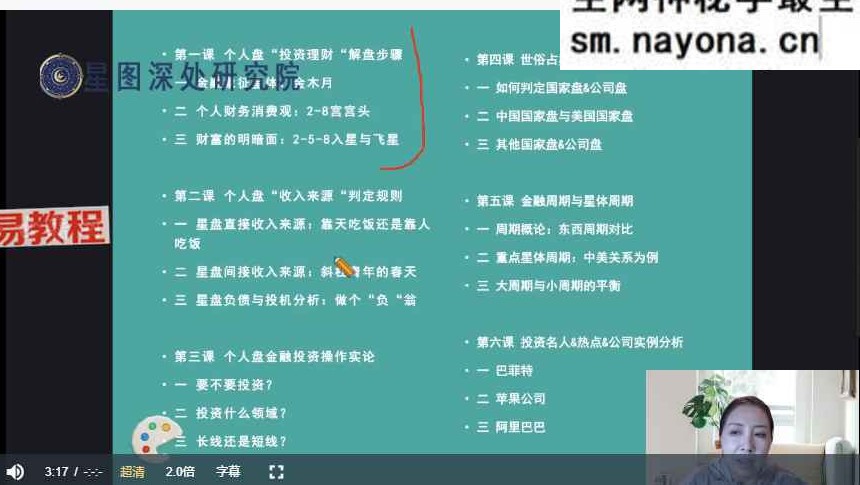
Chen Anyi’s financial astrology 11.0 listing contains eight video filenames. The first is an opening camp recording, the next six are numbered classes, and the last is a closing recording. This structure is a concrete fact from the directory. Eight videos should not be described as eight separate numbered teaching lessons. The 11.0 label identifies the listed version, but it does not establish a verified revision history or prove that ten earlier versions had the same scope.
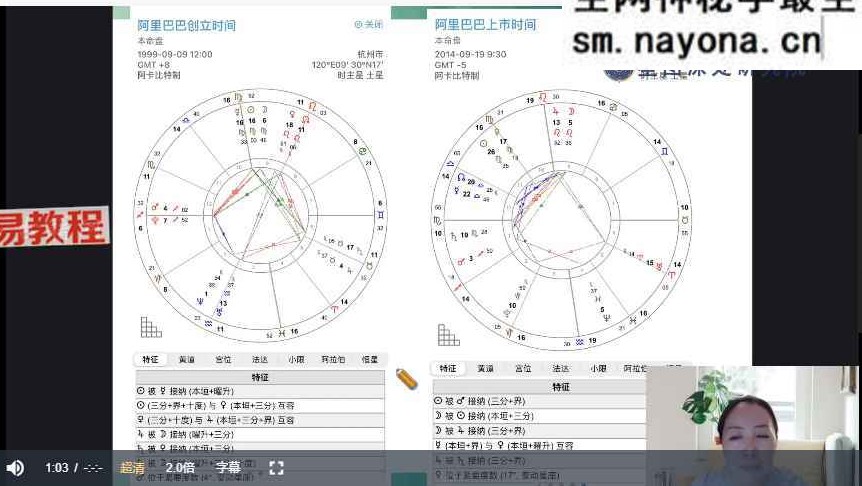
The six main filenames provide class numbers without detailed topics. The source’s extended commentary describes many markets and techniques, but those details are not confirmed by the actual file labels. A careful English description therefore preserves the financial astrology subject and the opening, six class, and closing structure without inventing an asset specific syllabus. The topic can be studied as an astrological interpretive application, while market forecasts and financial outcomes remain unverified.
Use the Opening Recording for Context
The opening file may provide context useful for the rest of the collection, but its precise contents need to be confirmed by viewing. Record any explanation of scope, vocabulary, or study approach actually supplied. Do not assume that an opening camp label promises enrollment or membership in a current group. It identifies a recorded file. A personal index can keep the opening separate from the six numbered classes so that its organizational role does not become an invented extra teaching topic.
Write your own questions before beginning the main sequence. They might concern the method’s terminology, the way examples are selected, or the distinction between a symbolic account and a factual claim. These are independent viewing prompts, not course assignments. Clear questions help you notice which explanations address your interests and which points remain unresolved. A broad financial title should not be treated as an answer to every question about money, markets, or economic events.
Index the Main Classes After Viewing
For each of the six classes, add a short subject summary only after inspecting the material. Preserve the original number and filename, then record the terms introduced and the examples discussed. This prevents expectations drawn from promotional prose from becoming a false syllabus. If a later class clarifies an earlier point, link the two entries. Do not silently merge them into a single rule unless the actual explanation supports that connection.
A useful note can separate the procedure shown, the association proposed, and the conclusion offered. If a step is unclear, mark it for review rather than filling it from another teacher’s method. Familiar astrology terms do not establish identical usage across courses. The glossary should retain the original Chinese wording beside a working English translation and an example. This makes later comparison more precise and keeps uncertain translations from acquiring an appearance of technical certainty.
Financial Subject Matter and Interpretive Limits
The resource’s financial astrology focus does not establish a reliable method of predicting price movements or financial returns. The source introduction’s practical claims are not repeated here as verified benefits. A learner can examine how the teaching links a symbolic framework with a financial topic while keeping that proposed link distinct from evidence. A coherent explanation of a past event can be educational as an example of reasoning without proving that the same approach forecasts future events accurately.
When taking notes, identify whether a statement describes an observed event, proposes an association, or predicts an outcome. These are different types of claim. Do not turn a broad theme into a concrete promise in English paraphrasing. Words that indicate possibility or attribution matter. The course can be studied for its vocabulary and method of constructing an account without becoming investment advice or a substitute for information relevant to an actual financial decision.
Examples Need Their Original Context
If a class supplies an example, record the question, the period considered, and the information available before the interpretation. Put any known outcome in a separate section. This helps prevent hindsight when reviewing the explanation. If the outcome was known from the beginning, label the account accordingly. A summary should not make a retrospective discussion appear to be a forecast issued in advance. The directory itself does not document specific cases, so those details should come only from actual viewing.
For independent review, include mismatches and ambiguous results along with apparent matches. Preserve the original wording rather than changing the question or time window afterward. This is a note taking discipline, not proof that a method has been tested successfully. It can reveal how much flexibility an interpretation contains and which parts depend on information supplied outside the chart. An honest record is more useful for learning than a collection of polished success stories with no account of their limits.
The Closing Recording as a Separate File
The final file is labeled closing camp. It may help connect earlier material if its actual content provides a review, but that role should not be assumed from the filename alone. Index any confirmed summary or clarification after viewing. Do not treat the closing label as proof of a certificate, assessment, or completion benefit. The visible inventory documents eight recordings and their broad roles; it does not establish continuing instructor access or a current interactive program.
A personal closing review can list concepts you can explain, examples you can trace, and questions that remain unanswered. This is your own learning aid. It allows the collection to be studied at a pace appropriate to your language and background rather than through the implied speed of a camp label. Finishing every file does not by itself establish expertise, predictive ability, or suitability for applying a claim outside the educational context.
Compare Resources Through Verified Features
When comparing this collection with another financial astrology resource, use the stated format and actual directory structure. Six main classes plus opening and closing recordings are concrete features. Detailed market coverage, supplied worksheets, and exact teaching hours should remain unconfirmed unless the material establishes them. A comparison based on those limits is more useful than one that assumes every broad promotional phrase describes a supplied lesson.
The most traceable English study map follows the eight filenames, preserves the 11.0 identifier, and adds confirmed topics after viewing. Keep your own observations distinct from the source’s claims. This makes the collection understandable without inventing a syllabus or endorsing promises about money. Its financial astrology subject remains material for critical educational study, while practical financial decisions require information that a symbolic interpretation does not establish.