A psychological astrology course attributed to Jennifer covering planets, signs and houses. Houses are one part of a broader chart-reading course.
Resource Overview
Jennifer Psychological Astrology: Planets, Signs and Houses is a digital learning resource about Astrological Houses. The English description summarizes the available source listing; the underlying recordings or books are in Chinese. An English translation of the full material is not confirmed.
What You Will Learn
Use the sequence and preview material below to identify the course’s scope, terminology and teaching approach. Check each topic against the original lesson rather than treating a short listing as a complete transcript.
Course Contents
- Astrological houses
- Planets and signs
- Psychological astrology perspective
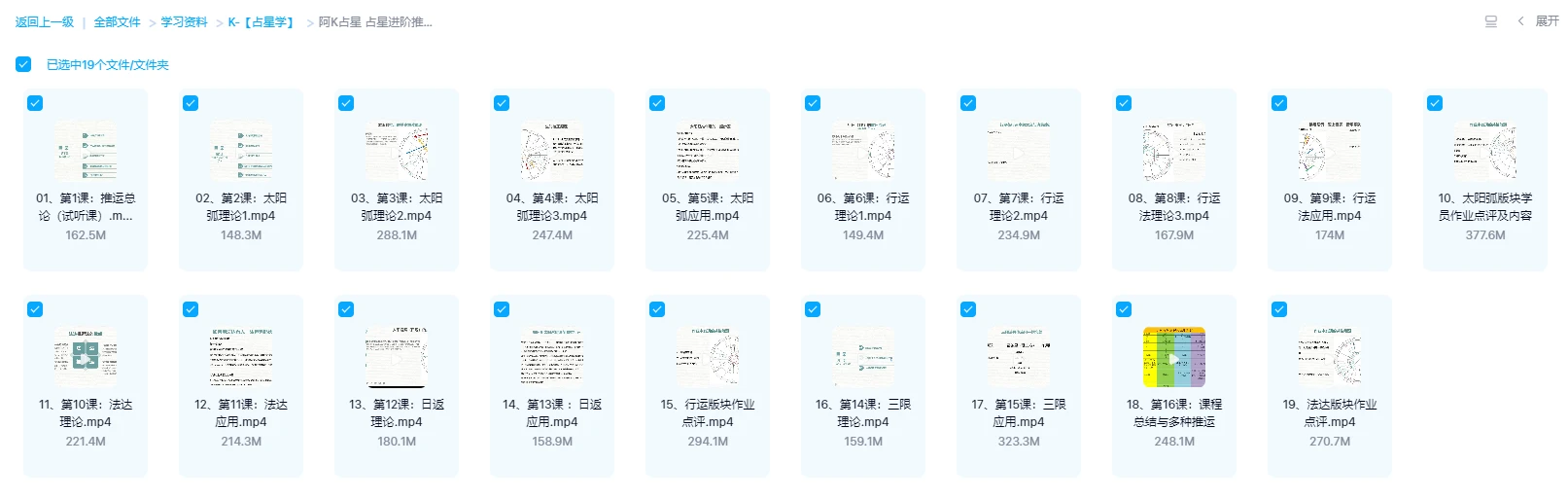
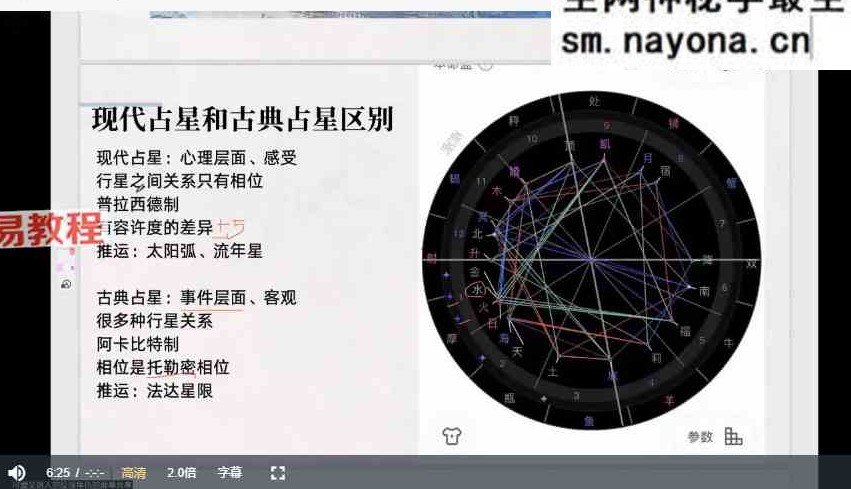
Original Course Images


Who This Resource Is For
This resource is for readers or learners who can use Chinese-language materials and want a named resource on Astrological Houses. Compare the stated scope and previews before ordering; a fixed level of prior experience is not assumed unless the source directory says so.
Learning Format and Digital Delivery
Chinese-language course; exact lesson count not confirmed Virtual and downloadable; there is no physical shipment. Price: USD 9.00. A file link is not yet attached to this product. Please contact Karma Kismet before ordering to confirm delivery arrangements; immediate automated access is not promised.
Frequently Asked Questions
Is the full material in English?
No English edition, recording or subtitle track is confirmed. The source material is Chinese-language.
Is a personal consultation included?
No individual consultation is listed with this resource.
Does this resource guarantee an outcome?
No. It is for educational and cultural study, not a guaranteed result or substitute for professional advice.
Editorial Note
Karma Kismet translated and organized the course facts and original previews for English readers. Lesson counts and formats follow the available source listing; unspecified contents, certificates and instructor credentials are not asserted.
Related Courses
Browse Astrological Houses and read digital delivery information.
A Psychological Perspective on Chart Vocabulary
Jennifer’s listed course concerns planets, signs, and houses through a psychological astrology perspective. Houses are one part of that wider focus, rather than a verified house only curriculum. The supplied source does not provide an actual lesson directory, so the exact number of recordings and the allocation of topics remain unconfirmed. Its extended commentary describes levels, interactions, certificates, and benefits, but those statements are not treated here as verified components. The useful description remains a named astrology resource with a psychological interpretive frame.
The word psychological can describe the language used to discuss motives, feelings, and personal experience. It does not establish that the course is clinical training or that an astrological interpretation assesses mental health. An English learner can study how the vocabulary is used while retaining that distinction. A chart account may offer a theme for reflection, but a theme is different from a diagnosis or a factual explanation of someone’s behavior. The course’s scope should be established through the actual material rather than inferred from the strength of its promotional language.
Keep Planets, Signs, and Houses Distinct
A useful independent notebook gives planets, signs, and houses separate sections before tracing how the teacher connects them. This prevents a combined interpretation from obscuring its components. For each term, record the original Chinese expression, a working English translation, and an example of its role in the explanation. Avoid copying a generic glossary and assuming it describes Jennifer’s usage exactly. Familiar vocabulary can have different emphasis across teachers, especially when a resource focuses on subjective experience rather than only technical chart structure.
When a recording combines several factors, write down the chart observation first and the interpretation second. Then label any personal response as your own reflection. This arrangement makes it easier to see whether a conclusion comes from the teaching or from an association you supplied. It also preserves room for uncertainty. A person may recognize part of an interpretation without accepting all of it, and that disagreement should remain visible rather than being explained away as a hidden truth the chart has revealed.
Houses as Context Within a Broader Reading
The course’s house component can be studied by following how a life context is selected and how other factors are related to it. The public listing does not establish a lesson devoted to each house, so do not invent such a sequence in your index. Identify the actual topics after viewing. If a house is discussed in more than one setting, compare the questions being addressed before combining the explanations. A difference may be contextual rather than a contradiction, and the notebook should make that possibility clear.
An independent exercise can use a plain language summary of one example. Describe the area under discussion, the chart features selected, and the proposed meaning. Leave out extra conclusions that are not explained in the material. This helps you see whether you can trace the reasoning or only remember a broad keyword. It also keeps the course’s house study connected to its larger planet and sign framework, rather than treating each house label as a self sufficient statement about someone’s life.
Personal Experience Has Its Own Status
Psychological language often encourages a learner to compare an idea with their own experience. That comparison can be recorded thoughtfully without becoming proof of a universal rule. Write what resonates, what does not, and what alternative explanation you can imagine. A selective match may feel compelling, but it does not establish that a chart factor caused the experience. Your notebook can preserve personal meaning while keeping the interpretation’s origin and limits visible. This is an independent reflective method, not a promised therapeutic exercise in the listing.
If you discuss an interpretation with someone else, allow their own account to take priority over your symbolic narrative. A person does not need to agree with a chart description simply because it uses psychological terms. Avoid attributing unconscious motives that cannot be checked, especially when the person has not asked for that discussion. A useful conversation can focus on an optional question or theme rather than a fixed explanation. The distinction supports clarity and consent without claiming that the source includes a separate counseling protocol.
Translation Without Overstatement
Some Chinese expressions may be translated into English words such as need, motive, pattern, or energy. Record the context before settling on a final equivalent. An interpretive metaphor should not be translated into a clinical term merely because that term sounds more precise. Similarly, a cautious suggestion should not become a definitive personality statement. Preserve words that indicate possibility or attribution. Accurate paraphrasing can be clear and readable while retaining the limits that make the original statement understandable.
When a term remains uncertain, keep it in a questions list with the relevant recording reference. Repeated examples can help refine the translation. Do not use an uncertain definition confidently in an independent reading and then forget that its meaning was provisional. A glossary grows through usage and comparison, not only through elegant wording. This is especially relevant when the public description supplies broad subjects but no transcript to settle the technical language for an English reader.
Examples and Interpretation Boundaries
If the material supplies examples, document the question and the information available before the interpretation. Separate later comments or outcomes from the initial reasoning. This prevents hindsight from making an explanation appear more exact than it was. If the course does not provide a detail, leave it unresolved. A symbolic reading cannot verify another person’s feelings, establish a childhood cause, or replace evidence about a current situation. The examples can still be studied for how the reader selects themes and communicates an account.
Compare two examples only after identifying their contexts. The same word may function differently in a relationship discussion and a personal reflection. A clear comparison explains the difference rather than forcing both examples into one universal definition. It also preserves the possibility that a particular interpretation was not adequately explained. Thoughtful study does not require accepting every statement. It requires an accurate account of what was said, how it was connected to the chart, and where questions remain.
A Study Map Based on Actual Viewing
Build your index from the files you actually inspect, using their original titles and a short topic summary. Connect the entries to planets, signs, houses, and psychological framing only where the material supports those connections. The resulting map is your own aid, not a supplied curriculum or certificate. Jennifer’s listed resource can be approached as material for studying an interpretive perspective, while professional qualifications, clinical effects, individual feedback, and detailed course levels remain unestablished by the available source.