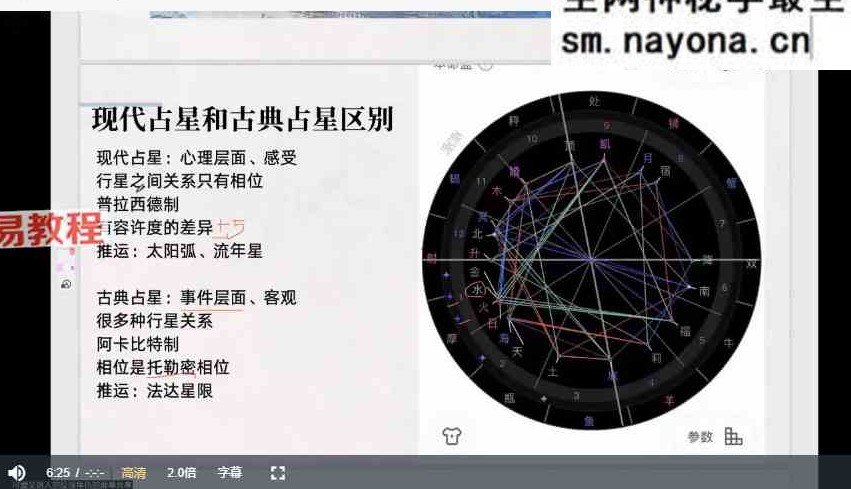
A first-cohort synastry course attributed to A K, listed as 23 videos and approximately 24 hours.
Resource Overview
A K Astrology Synastry Course: 23 Videos is a digital learning resource about Synastry & Relationship Astrology. The English description summarizes the available source listing; the underlying recordings or books are in Chinese. An English translation of the full material is not confirmed.
What You Will Learn
Use the sequence and preview material below to identify the course’s scope, terminology and teaching approach. Check each topic against the original lesson rather than treating a short listing as a complete transcript.
Course Contents
- Synastry
- First-cohort course format
- Relationship-chart interpretation
Original Course Images
Who This Resource Is For
This resource is for readers or learners who can use Chinese-language materials and want a named resource on Synastry & Relationship Astrology. Compare the stated scope and previews before ordering; a fixed level of prior experience is not assumed unless the source directory says so.
Learning Format and Digital Delivery
23 Chinese-language videos; source describes about 24 hours Virtual and downloadable; there is no physical shipment. Price: USD 9.00. A file link is not yet attached to this product. Please contact Karma Kismet before ordering to confirm delivery arrangements; immediate automated access is not promised.
Frequently Asked Questions
Is the full material in English?
No English edition, recording or subtitle track is confirmed. The source material is Chinese-language.
Is a personal consultation included?
No individual consultation is listed with this resource.
Does this resource guarantee an outcome?
No. It is for educational and cultural study, not a guaranteed result or substitute for professional advice.
Editorial Note
Karma Kismet translated and organized the course facts and original previews for English readers. Lesson counts and formats follow the available source listing; unspecified contents, certificates and instructor credentials are not asserted.
Related Courses
Browse Synastry & Relationship Astrology and read digital delivery information.
A First Cohort Collection With Twenty Three Files
A K’s first cohort relationship astrology resource is listed as twenty three videos and approximately twenty four hours. Its directory contains nineteen main teaching entries followed by four files devoted to exercises or assignment analysis. The first entry is an introductory lesson. Subsequent groups concern composite charts, time and space charts, Ma Pan charts, comparison charts, relationship timing, and combined consultation use. The directory provides a specific map, while the approximate runtime remains a source statement rather than an independently measured duration.
The distinction between main teaching and recorded exercises matters when describing the count. Twenty three files do not mean twenty three entirely separate theory subjects. The final entries analyze after class practice, comparison chart assignments, and two combined practical tasks. They establish recorded review material, but they do not promise that a purchaser can submit work for marking or join the original cohort. The first cohort label identifies the listed version rather than a current enrollment opportunity.
The Composite Chart Group
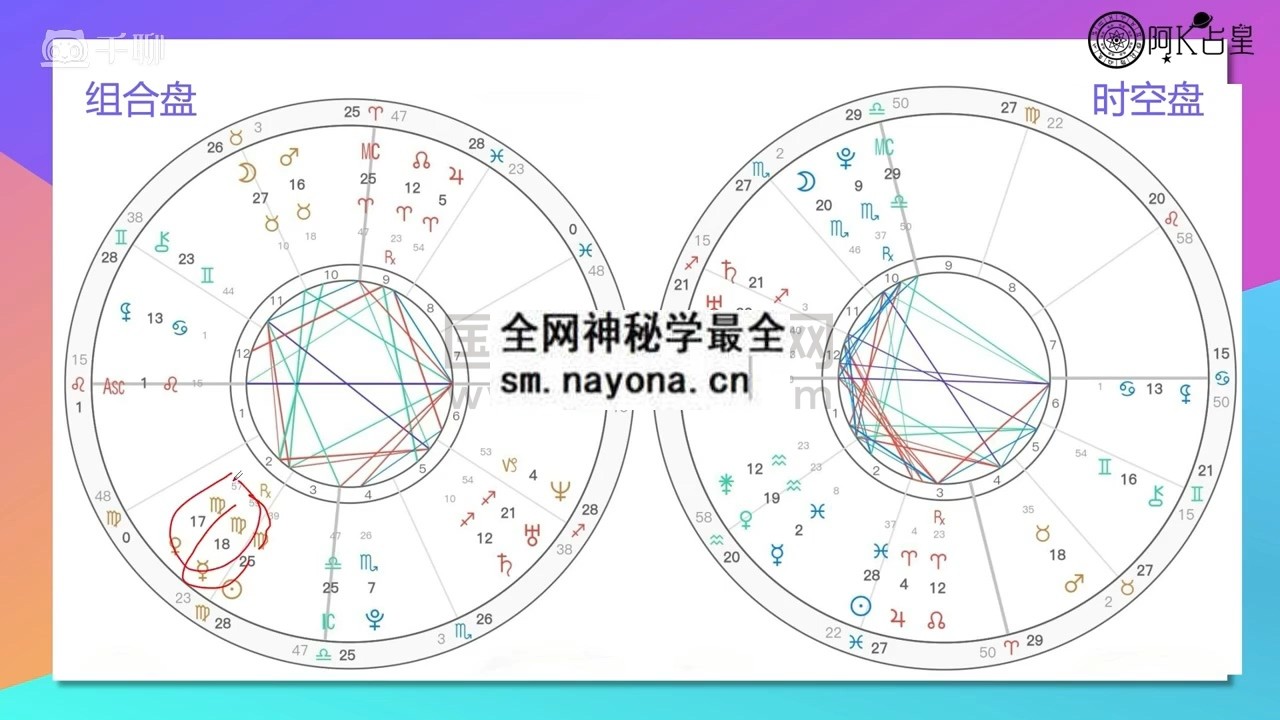
Lessons two through eight focus on composite chart principles, uses, characteristics, planets, minor bodies and points, houses, signs, orbs, aspects, introductory interpretation, advanced cases, and various relationship questions. These topics come directly from the filenames. Some labels use strong language about relationship depth or marriage. Treat those as interpretive subjects rather than facts the chart can guarantee. The directory supports describing the scope without supplying a definitive meaning for each factor.
A useful notebook separates setup, vocabulary, and example interpretation. If a lesson introduces a point or a body whose English translation is uncertain, retain the original Chinese expression until the explanation is clear. Keep each example’s question visible. The same chart feature may be discussed differently when the relationship context differs. Do not compress several cases into one universal keyword or an automatic compatibility verdict. Traceable context is more useful than a confident conclusion detached from its reasoning.
Time and Space and Ma Pan Charts
Lesson nine names time and space chart principles and integrated reading with composite charts. Lesson ten introduces Ma Pan principles, uses, characteristics, and comparisons with the other chart types. Lessons eleven and twelve divide a Sun, Moon, and Venus sign placement topic into two parts. Later Ma Pan files concern houses and planetary house placements, aspect combinations, interpretation order, relationship specific focus, and cases. These labels support a distinct Ma Pan block rather than a generic repetition of composite chart study.
Where a chart name does not have an obvious English equivalent, preserve the source label and record the definition actually taught. Do not substitute a familiar chart type merely because the name sounds similar. A personal comparison can show the setup, purpose, and interpretive emphasis of each approach. Label any connection you add independently. This keeps the technical distinctions understandable and prevents a summary from treating several different methods as interchangeable tools that all prove the same relationship outcome.
The Comparison Chart Block
Lessons sixteen and seventeen name comparison chart principles, interpretation points, planetary and house meanings, attraction, possible development, and cases. These are concrete source topics. An attraction interpretation cannot verify a person’s private feelings, and a development account does not establish whether a relationship will continue. While viewing, note the language used for possibility and certainty. Preserve that language in English rather than strengthening a tentative interpretation into a categorical statement.
For independent study, use consenting participants and keep their own descriptions separate from the chart account. A person may find an association useful without accepting every conclusion. Their disagreement should not be treated as proof that the chart has exposed something hidden. A notebook can record both the interpretive idea and the participant’s response. This makes the discussion more transparent and respects the fact that symbolic comparison and direct information about a relationship have different roles.
Relationship Timing and Combined Use
Lesson eighteen names tertiary and secondary progression methods for relationship charts and common relationship event topics. The nineteenth entry names a summary of several approaches, practical relationship consultation techniques, and combined examples. These labels establish a broader final stage, but they do not guarantee forecasts or a professional qualification. Record the timing setup, proposed period, and interpretive reasoning separately. If several methods are combined, note the reason and any weighting stated in the recording.
For review, preserve an interpretation before learning an outcome and include mismatches alongside apparent matches. Do not revise the question or the proposed time window after the fact. A coherent retrospective story is not the same as a reliable forecast. Practical relationship choices still depend on communication, consent, and real circumstances. The course can be studied for how it builds and communicates an account without making the chart a substitute for those facts.
Recorded Exercises and Assignment Analysis
The final four files give the collection a recorded review component. When studying one, note the task as presented, the reasoning being assessed, and the explanation for any correction. If the original question is incomplete, preserve that limitation. Do not assume that the review file provides all instructions for a current assignment. The listing establishes analysis recordings, not an ongoing feedback service. An English learner can still use the material to examine how a method is clarified or how a common error is discussed.
An independent exercise is to compare your own paraphrase with the recorded analysis and identify the precise difference. It may involve chart setup, a translation, an omitted factor, or a change in certainty. Keep the earlier note so that your revision remains visible. This is more useful than silently rewriting it to match the final account. It also distinguishes learning from someone else’s recorded feedback from receiving feedback on your own work.
A Clear Index for Multiple Chart Types
Organize the resource into introductory material, composite charts, time and space charts, Ma Pan charts, comparison charts, timing, synthesis, and recorded exercises. This structure follows the actual directory and makes the twenty three file count understandable. It does not invent subtitles, handouts, English recordings, or instructor access. A K’s listed collection offers several relationship astrology approaches for study. Careful notes preserve their differences and keep symbolic interpretations separate from verified facts about feelings, compatibility, and future decisions.
At the end of a block, identify one procedure you can explain, one example you can trace, and one question to revisit. Let the actual recordings determine the detail of your study map. The first cohort and approximate duration labels help identify the resource, but they do not measure your understanding. Its usefulness for an English learner depends on language, background, and the ability to follow the reasoning without turning interpretive themes into guarantees.