A seven-lesson course on astrological transits and forecasting attributed to Star Key Society. Interpretive forecasts are not guaranteed predictions.
Resource Overview
Star Key Society Astrology Transits and Forecasting: Seven Lessons is a digital learning resource about Predictive Astrology. The English description summarizes the available source listing; the underlying recordings or books are in Chinese. An English translation of the full material is not confirmed.
What You Will Learn
Use the sequence and preview material below to identify the course’s scope, terminology and teaching approach. Check each topic against the original lesson rather than treating a short listing as a complete transcript.
Course Contents
- Transits
- Forecasting methods
- Seven-lesson structure
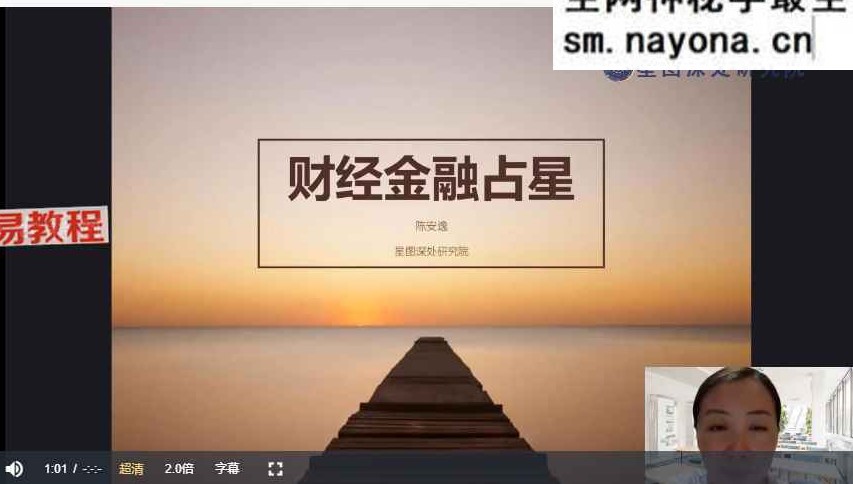
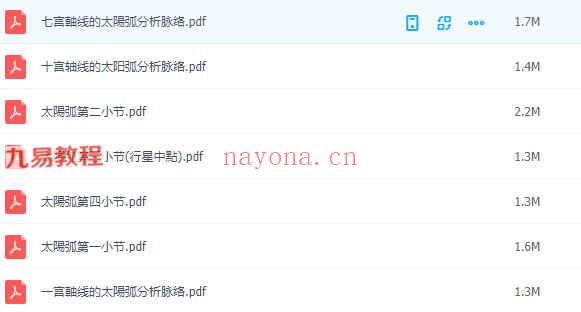
Original Course Images


Who This Resource Is For
This resource is for readers or learners who can use Chinese-language materials and want a named resource on Predictive Astrology. Compare the stated scope and previews before ordering; a fixed level of prior experience is not assumed unless the source directory says so.
Learning Format and Digital Delivery
Seven Chinese-language video lessons Virtual and downloadable; there is no physical shipment. Price: USD 9.00. A file link is not yet attached to this product. Please contact Karma Kismet before ordering to confirm delivery arrangements; immediate automated access is not promised.
Frequently Asked Questions
Is the full material in English?
No English edition, recording or subtitle track is confirmed. The source material is Chinese-language.
Is a personal consultation included?
No individual consultation is listed with this resource.
Does this resource guarantee an outcome?
No. It is for educational and cultural study, not a guaranteed result or substitute for professional advice.
Editorial Note
Karma Kismet translated and organized the course facts and original previews for English readers. Lesson counts and formats follow the available source listing; unspecified contents, certificates and instructor credentials are not asserted.
Related Courses
Browse Predictive Astrology and read digital delivery information.
Seven Numbered Files and Five Named Approaches
Star Key Society’s resource has seven numbered video filenames, but the filenames do not assign a detailed topic to each recording. The introductory text separately names five approaches: transits, secondary progressions, solar arc directions, solar returns, and solar eclipse charts. These are supported subject references. They should not be converted into seven invented lesson titles or treated as proof that each method receives an equally extensive explanation. The actual distribution of teaching needs to be identified from the recordings.
The source describes different purposes for the five approaches and uses especially strong language about solar arc events being inevitable. That certainty is not repeated here as a verified claim. The methods can be studied as part of an astrological interpretive framework without establishing guaranteed outcomes. An English learner should preserve the distinction between a named technique, the way the course explains it, and the factual evidence needed for any statement about a person’s future.
A Vocabulary Map for Several Timing Methods
Create a separate glossary section for each named approach. Record the Chinese term, a working English translation, and the example in which it appears. This prevents the broad word forecasting from obscuring differences between procedures. A familiar English name does not establish exactly how the teacher applies it. If a recording uses a term differently from another course, preserve that difference and its context. Outside comparisons can be helpful, but label them as your own work rather than merging them silently with Star Key Society’s explanation.
A simple index can connect the seven files to the five subjects after you have viewed them. Some files may discuss several approaches, while one approach may span more than one file. Let the material determine the map. The introductory list is useful for orientation, but it is not a complete syllabus. Mark any technique that is mentioned only briefly or remains unclear. This gives you an honest record of the resource’s scope instead of an apparently complete outline built from assumptions.
Transits and Their Interpretive Use
The source names transits and associates them with forms of events. When studying this topic, write down the chart reference, the period considered, and the factors selected in the actual explanation. Keep the procedure separate from the proposed meaning. A chart observation can be documented precisely while its connection to a personal event remains interpretive. If the teacher discusses an outcome already known, record that context so that the explanation is not mistaken for a prediction made before the event.
For independent review, preserve the original wording and degree of certainty. A theme that might be relevant during a period should not become a guarantee that a particular event will happen. If you compare the interpretation with a journal, include entries that do not fit as well as those that seem relevant. This is a method for more honest note taking, not a demonstration of predictive validity. It helps you see how much an account depends on broad language and information supplied after the fact.
Progressions and Solar Arc Directions
The introductory list describes secondary progressions through internal change and solar arc directions through events. These are the source’s proposed interpretive emphases, not verified boundaries between what happens inside and outside a person’s life. While viewing, note how the teacher explains the distinction and whether examples overlap. Do not assume that the same word change means the same thing in every method. A comparison is more useful when it shows the setup, the question, and the interpretation together.
Solar arc certainty requires particular care in English paraphrasing. The source’s emphatic wording should be studied as a claim made in the listing rather than repeated as a fact. A symbolic technique cannot guarantee a future event. If the course supplies qualifications, retain them in your summary. If it does not, mark the stronger statement as an unresolved claim. You can still learn how the method is presented without accepting a promise that its outcome is inevitable.
Solar Returns and Eclipse Chart References
The source also names solar returns as an annual life state approach and solar eclipse charts with a proposed period of influence. These brief descriptions establish topic references but not a complete calculation procedure or a verified duration of effect. Record the setup actually shown in the material and avoid inventing the missing details. If location, timing, or another convention matters to the example, preserve the information supplied. If it is absent, leave it absent rather than reconstructing the example as though all inputs were known.
A personal comparison can ask whether two approaches address the same question and period. If they do not, different conclusions may not be directly comparable. Keep the question visible and avoid selecting whichever interpretation best fits a known event. This is an independent study exercise, not a promised assignment. It can help clarify the course’s use of several methods while retaining the difference between a technical convention and an assertion about an external outcome.
Combining Methods Without Increasing Certainty Automatically
Several interpretations pointing toward a similar theme do not automatically prove that the theme will occur. When the material combines techniques, record the reason for combining them and any hierarchy or weighting actually stated. Do not add an implied rule merely because the conclusion sounds coherent. A careful account can show where the teacher makes an interpretive choice. If a link remains unclear, keep it as a review question rather than smoothing it over with a phrase about universal energy or destiny.
For independent reflection, timing language can be used to generate questions about priorities or uncertainty, while practical decisions still rely on relevant real information. A proposed period does not establish an employer’s intentions, another person’s feelings, an income, or a health condition. The collection can be studied for how it constructs a forecast without becoming a personal prediction service. That boundary is important when a source title invites broad expectations from a relatively compact set of recordings.
A Seven File Review Record
At the end of each file, write one method you can identify, one reasoning step you can trace, and one point that remains uncertain. Link the notes to the original numbered filename. This creates a manageable index without inventing a workbook, live interaction, or certificate. Seven listed lessons describe the format; understanding depends on language and careful review. The resulting notebook should preserve the five named approaches and the course’s explanations while keeping strong predictive claims distinct from facts that can be independently checked.