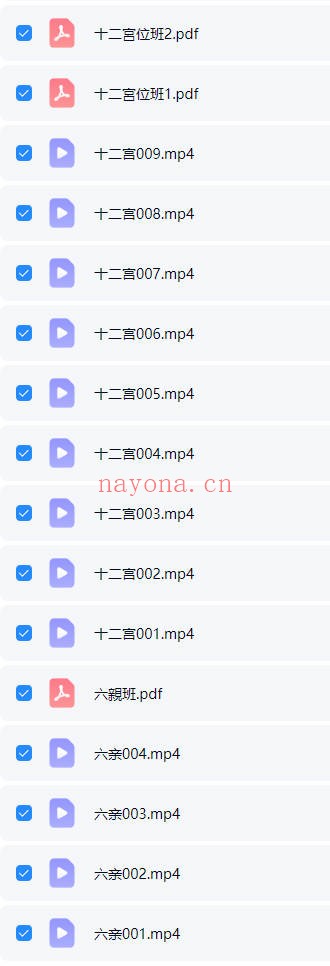
A classical astrology course attributed to Yang Guozheng on the twelve houses and family relationships. The source lists 13 videos and notes.
Resource Overview
Yang Guozheng Twelve Houses in Classical Astrology: 13 Videos is a digital learning resource about Astrological Houses. The English description summarizes the available source listing; the underlying recordings or books are in Chinese. An English translation of the full material is not confirmed.
What You Will Learn
Use the sequence and preview material below to identify the course’s scope, terminology and teaching approach. Check each topic against the original lesson rather than treating a short listing as a complete transcript.
Course Contents
- Twelve-house framework
- Family relationships in the named course
- Classical astrology context
Original Course Images

Who This Resource Is For
This resource is for readers or learners who can use Chinese-language materials and want a named resource on Astrological Houses. Compare the stated scope and previews before ordering; a fixed level of prior experience is not assumed unless the source directory says so.
Learning Format and Digital Delivery
13 Chinese-language videos and course notes Virtual and downloadable; there is no physical shipment. Price: USD 9.00. A file link is not yet attached to this product. Please contact Karma Kismet before ordering to confirm delivery arrangements; immediate automated access is not promised.
Frequently Asked Questions
Is the full material in English?
No English edition, recording or subtitle track is confirmed. The source material is Chinese-language.
Is a personal consultation included?
No individual consultation is listed with this resource.
Does this resource guarantee an outcome?
No. It is for educational and cultural study, not a guaranteed result or substitute for professional advice.
Editorial Note
Karma Kismet translated and organized the course facts and original previews for English readers. Lesson counts and formats follow the available source listing; unspecified contents, certificates and instructor credentials are not asserted.
Related Courses
Browse Astrological Houses and read digital delivery information.
Twelve Houses and Family Relationships
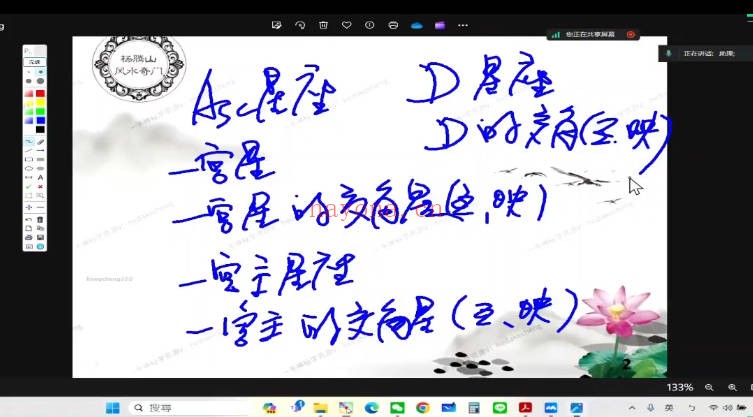
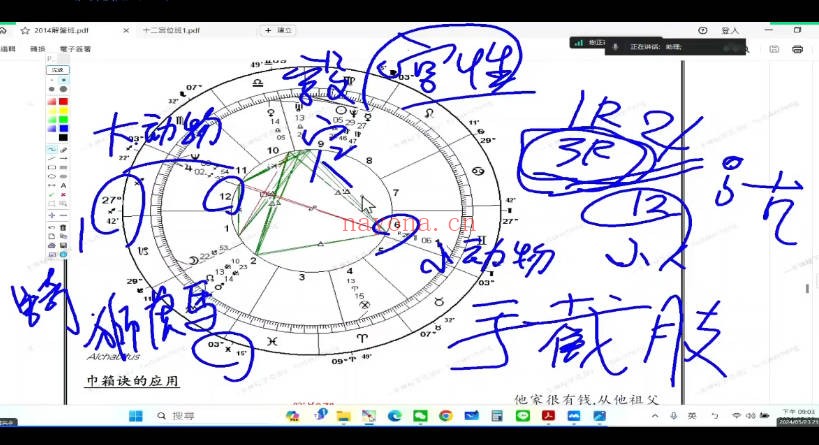
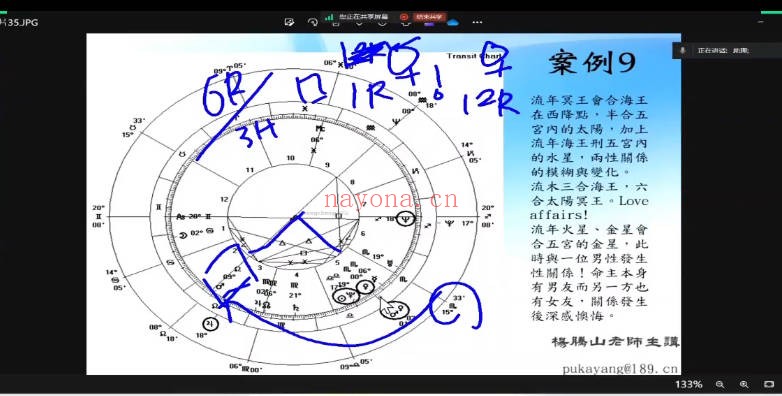
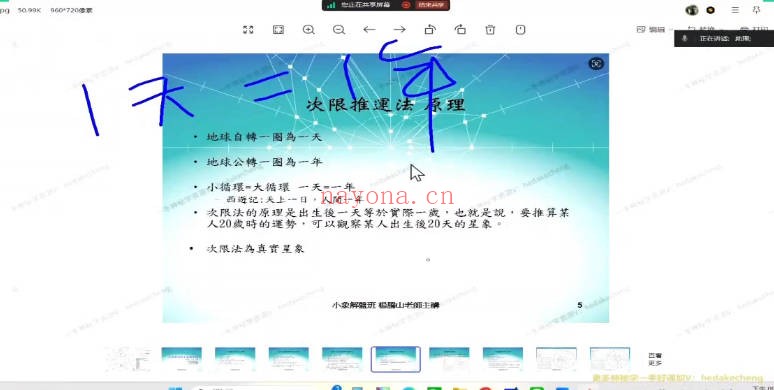
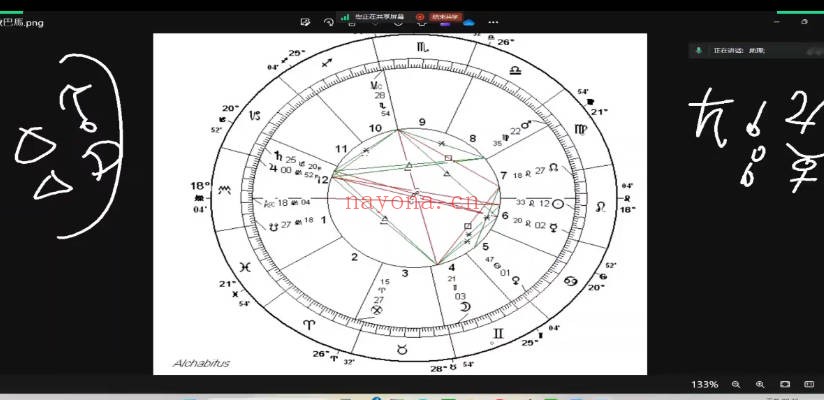
Yang Guozheng’s resource is described as a 2025 classical astrology course with thirteen videos and course materials. The source introduction names basic symbolism of the twelve houses, house rulers, planetary rulership rules, significator and promise related terminology, and approaches to family relationship interpretation. It also mentions chart examples involving aspects and a flying star style interpretation. These are broad subjects explicitly described in the introduction, not a verified allocation of one house to each video. The thirteen file count should not be turned into an invented thirteen part English syllabus.
The source gives an approximate total teaching time of twenty nine hours, but no complete numbered directory is supplied. Treat that duration as a listing statement rather than an independently measured runtime. The named course materials establish that supporting material is listed, while their file types, page counts, and exact contents are not documented here. The useful description is a house centered classical astrology resource with a family relationship emphasis, without adding promised personal guidance or access to current classes.
House Symbolism as a Contextual Vocabulary
Study each house explanation by recording the life area or role being discussed and the reasoning used to connect it to an example. A house keyword alone may not capture the method. If a topic changes with the question or with another factor, preserve that context. Keep the teacher’s definitions separate from associations you know from another source. This helps an English learner avoid translating several distinct explanations into one oversimplified term and makes later review more useful than a memorized list of twelve labels.
An independent notebook can give each house an entry with the original Chinese wording, a working English translation, and a reference to the explanation. Add examples only when you can locate them in the material. If your own experience suggests another association, label it as personal reflection. A symbolic house association does not prove a fact about someone’s finances, relatives, character, or future. The aim of the notebook is to understand the framework being taught while retaining the difference between interpretation and observable information.
House Rulers and Planetary Rulership
The source explicitly names both house rulers and planetary rulership rules. These topics provide a reason to examine how the course connects one part of a chart with another. Record the convention used and the sequence of reasoning in a worked example. Do not assume that a familiar term has exactly the same function as it does in another astrology approach. If a rule is attributed to a tradition, preserve that attribution. If the teacher offers an explanation without a historical reference, record the explanation without inventing its origin.
A useful independent exercise is to paraphrase the connection in ordinary language before adding a personal conclusion. Identify the chart observation, the rule applied, and the interpretive statement that follows. If one step remains unclear, mark it for review. This makes it possible to locate a genuine conceptual gap rather than simply feeling that the chart is complicated. It also prevents a technical association from becoming a categorical judgment about a person merely because the English summary sounds more certain than the original explanation.
Specialized Significator and Promise Language
The introduction uses terms that can be rendered provisionally as significator and promise related theory. Their exact meanings should be checked against the teaching rather than defined fully from the brief source sentence. Preserve the original Chinese expressions in your glossary, then record how each functions in an example. A familiar English label may be convenient but inaccurate if it collapses two different ideas. Translation is more reliable when it follows usage and qualifications, especially in a course describing a classical interpretive framework.
The word promise can sound like a guaranteed outcome in ordinary English. In study notes, make clear whether it is a technical term within the course’s approach. It should not become a promise made to the learner or a verified statement that an event will occur. Similarly, an indicator selected for a chart interpretation does not establish a real person’s intentions. Keeping the technical role distinct from a factual claim allows the material to be examined carefully without reproducing stronger conclusions than the available explanation supports.
Family Relationship Interpretation
The family relationship focus is a distinctive part of the listed course. While studying an example, identify which relationship is being discussed and what contextual information is supplied. A chart interpretation cannot confirm a relative’s private thoughts or replace their own account of a situation. If an explanation describes a pattern, record it as the interpretation proposed. Avoid converting it into a fixed label that determines how a parent, child, partner, or sibling must behave. The people involved can accept, question, or reject a symbolic account.
For independent reflection, focus on information that can be discussed directly: what has been communicated, where expectations differ, and which choices belong to the person asking. These prompts are your own study considerations, not a claimed lesson plan. They help maintain a boundary between symbolic analysis and practical relationship decisions. If an example includes a later event, place that event after the initial interpretation in your notes. This makes it easier to see what the reading proposed before the outcome was known.
Aspects and Flying Star Style Interpretation
The introduction mentions aspects and flying star style interpretation in chart examples. The phrase should be studied through the actual explanation, not confused automatically with a similarly named method in another subject. Note which chart connections are being followed and how they contribute to the conclusion. If the teacher compares several factors, preserve their order and any stated qualifications. A concise summary should still show the reasoning, rather than presenting only an outcome that appears disconnected from the chart observations used to reach it.
Using Supporting Materials for Review
When viewing the course materials, link a document section to a recording only where the relationship can be identified. The listing does not establish that every video has a corresponding handout or that the materials include marked exercises. Your own index can fill an organizational need without inventing additional benefits. At the end of a review, note one definition, one connection you can explain, and one question that remains open. This gives the thirteen video collection a practical study rhythm while preserving uncertainty and the limits of its symbolic claims.