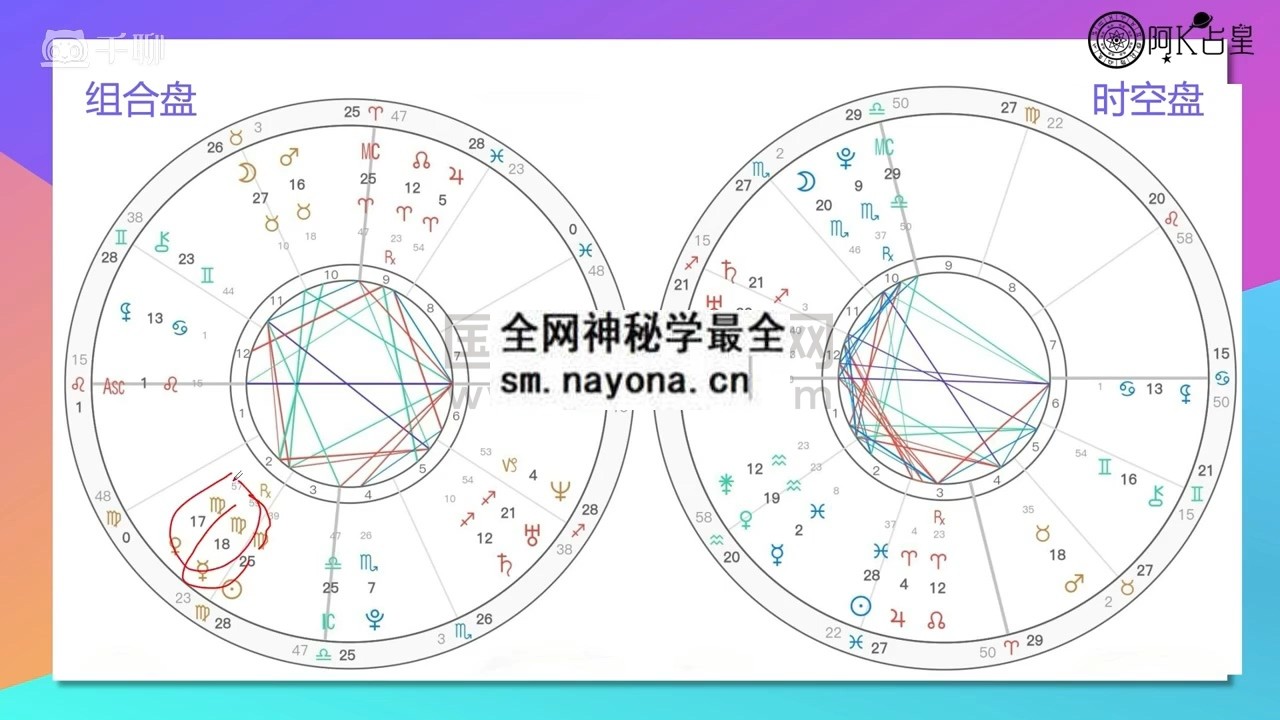
A Zeng Qingxi collection covering foundational astrology, natal-chart reading, forecasting techniques and synastry. This is a mixed collection rather than a natal-only class.
Resource Overview
Zeng Qingxi Natal Chart and Forecasting Collection is a digital learning resource about Natal Chart Reading. The English description summarizes the available source listing; the underlying recordings or books are in Chinese. An English translation of the full material is not confirmed.
What You Will Learn
Use the sequence and preview material below to identify the course’s scope, terminology and teaching approach. Check each topic against the original lesson rather than treating a short listing as a complete transcript.
Course Contents
- Foundational astrology
- Natal-chart reading
- Forecasting and synastry as additional parts
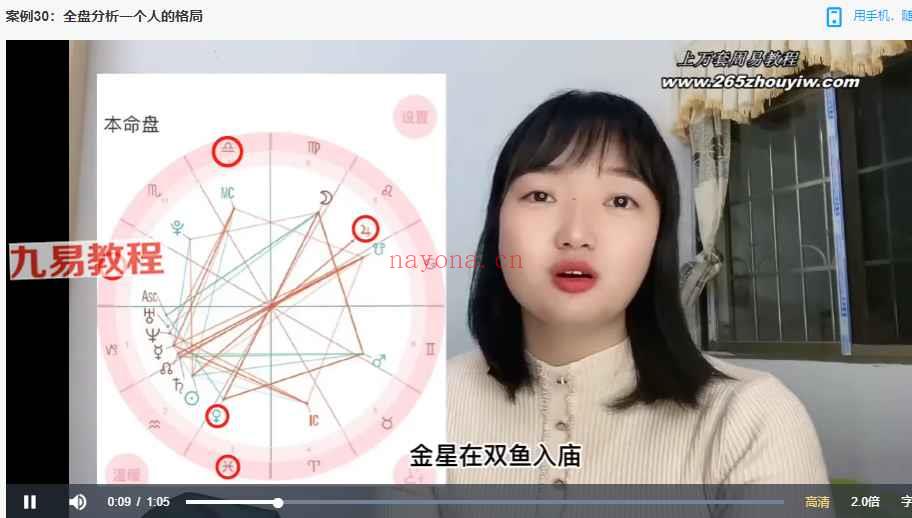
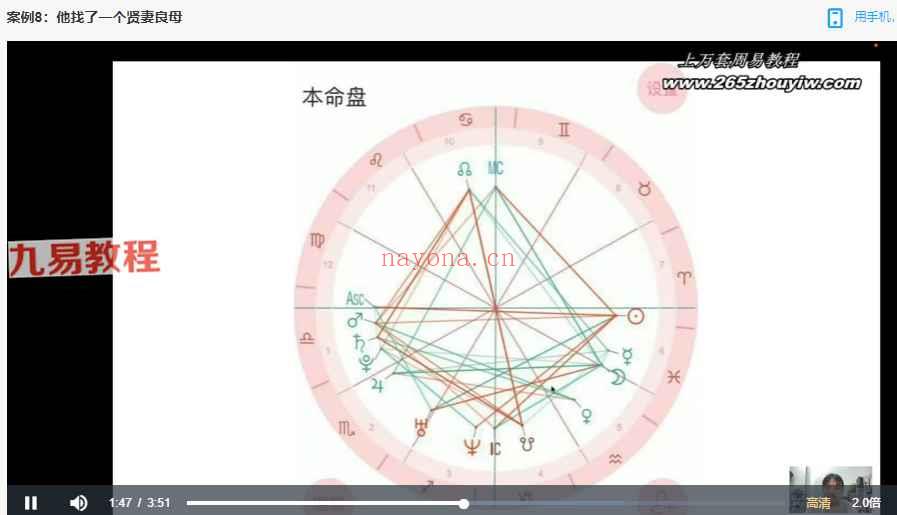
Original Course Images
Who This Resource Is For
This resource is for readers or learners who can use Chinese-language materials and want a named resource on Natal Chart Reading. Compare the stated scope and previews before ordering; a fixed level of prior experience is not assumed unless the source directory says so.
Learning Format and Digital Delivery
Chinese-language videos; a complete file count is not confirmed Virtual and downloadable; there is no physical shipment. Price: USD 9.00. A file link is not yet attached to this product. Please contact Karma Kismet before ordering to confirm delivery arrangements; immediate automated access is not promised.
Frequently Asked Questions
Is the full material in English?
No English edition, recording or subtitle track is confirmed. The source material is Chinese-language.
Is a personal consultation included?
No individual consultation is listed with this resource.
Does this resource guarantee an outcome?
No. It is for educational and cultural study, not a guaranteed result or substitute for professional advice.
Editorial Note
Karma Kismet translated and organized the course facts and original previews for English readers. Lesson counts and formats follow the available source listing; unspecified contents, certificates and instructor credentials are not asserted.
Related Courses
- Serina Natal Chart Reading 2024: 79 Video Lessons
- Tang Qiyang Ten Planets in Astrology: 78 Videos
- Quantum Astrology Planet Course: 21 Videos
- Di Qian Horary Astrology for Beginners: Six Videos
- Zeng Qingxi Horary Astrology: 14 Videos
- Meng Daren Electional Astrology: Seven Lessons
- TOM Classical Electional Astrology Course
Browse Natal Chart Reading and read digital delivery information.
A Mixed Collection With a Detailed Visible Directory
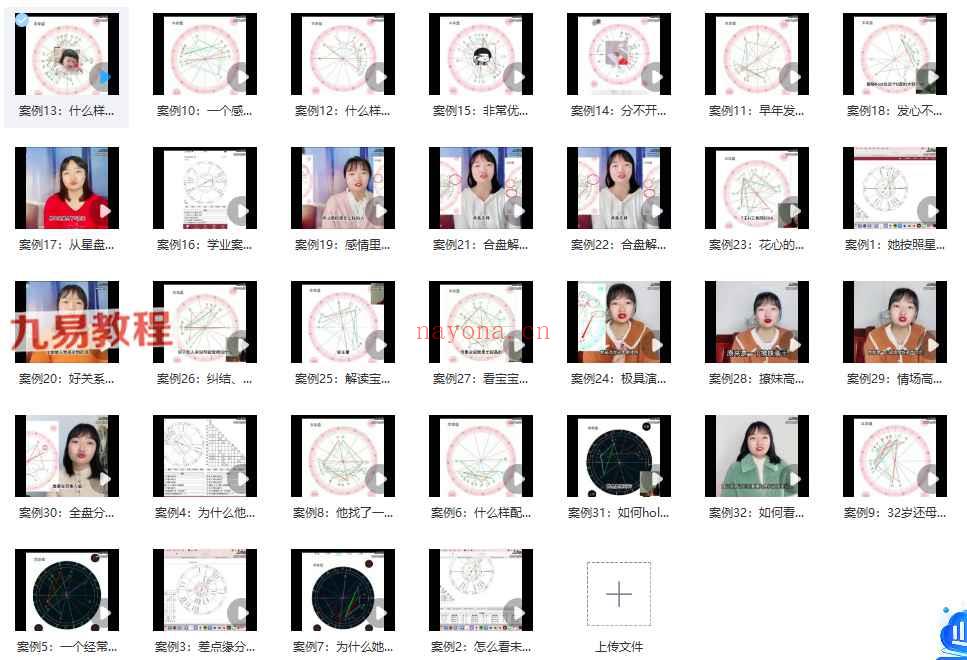
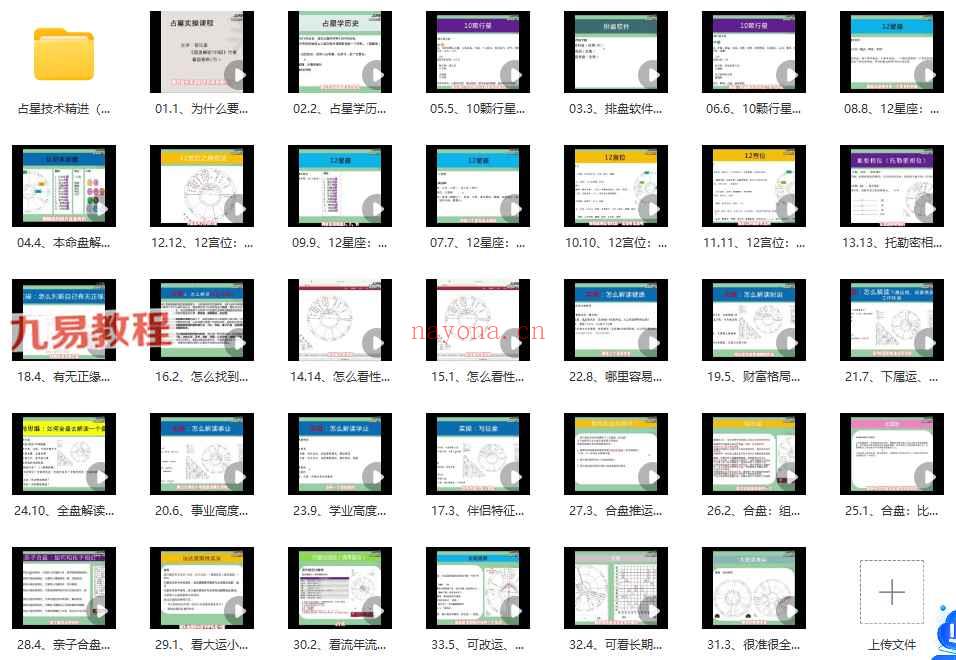
Zeng Qingxi’s resource combines foundations, natal chart interpretation, five forecasting approaches, and relationship chart techniques. The source introduction calls it a fifty five video collection, while the visible directory contains a numbered main sequence and a separate case folder. Because the stated total and the displayed entries are not reconciled in the available text, this page does not present a verified complete file count. The concrete directory topics are more useful for describing scope than repeating a numerical total as though every entry had been independently checked.
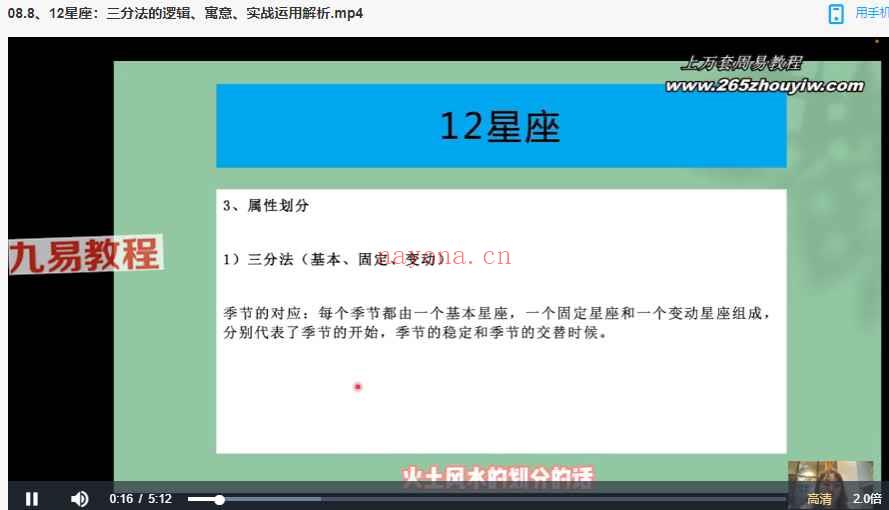
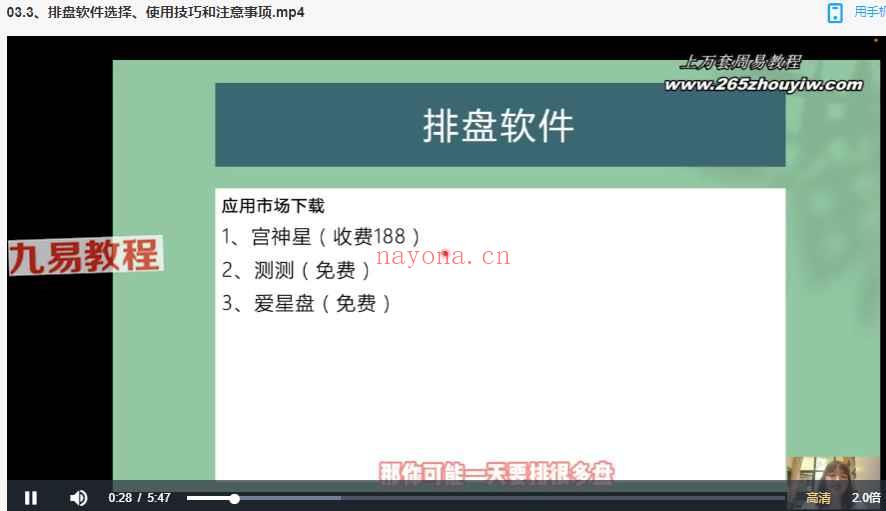
The main sequence begins with course design and an astrology history and principles topic, then names chart software selection and use, natal chart components and interpretation steps, and two planetary groups. Further entries concern signs, rulers, threefold and fourfold classifications, houses one through six and seven through twelve, derived house interpretation for relatives, and five principal aspects under a Ptolemaic label. These are subjects explicitly named by the filenames. The source’s unrelated general commentary should not be used to turn the resource into a course on other divination systems.
Foundations as a Reference for Later Applications
Build a glossary from the foundational files before studying the more applied titles. For each term, record its original Chinese expression, your English equivalent, and an example of how it is used. The software file is a useful place to look for the actual setup conventions demonstrated, but the filename alone does not specify a software package or confirm that any license is included. In your notes, preserve the settings shown and any limits mentioned. If an input detail is missing, label it as missing rather than silently substituting an estimate.
The derived house and aspects topics deserve separate entries because they concern relationships among chart factors, not merely isolated meanings. Follow the teacher’s steps and note where the explanation moves from chart structure to a statement about a life area. A careful summary can preserve that movement without treating the statement as a verified fact. If your own interpretation differs, identify the precise convention or contextual detail responsible for the difference. That is more useful than deciding that one entire chart account is simply correct and another is wrong.
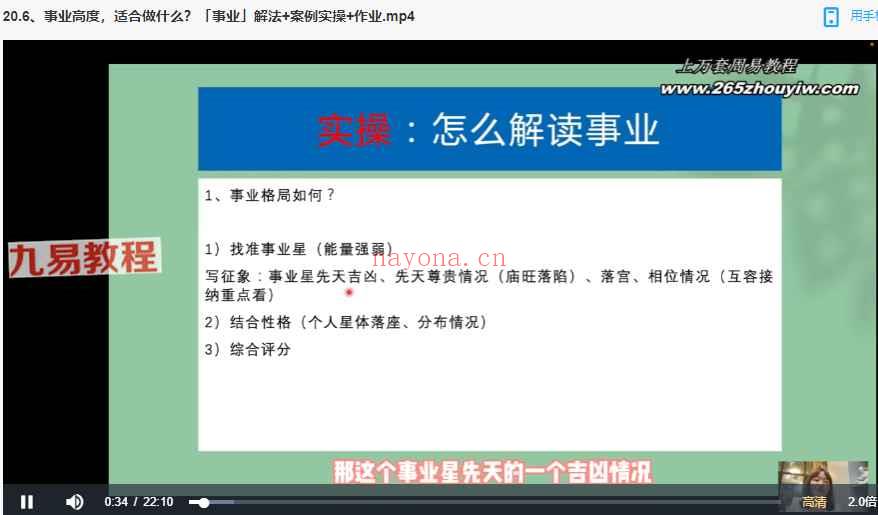
Natal Topics and Their Interpretive Language
The later main filenames name personality, talents, relationships and marriage, wealth, career, colleagues and working environment, health, education, and whole chart interpretation. Several explicitly mention cases and homework. That wording supports identifying examples and assignments as part of the listed topic labels, but it does not establish grading, individual feedback, or access to an instructor. The directory also repeats a personality title in two entries. Preserve both filenames in your inventory rather than assuming that they are either identical recordings or two entirely different lessons.
Some titles use strong outcome language, such as finding a destined relationship or identifying an educational result. Study such phrases as the source’s interpretive framing. They do not establish that a chart can prove a partner’s intentions, determine a child’s abilities, diagnose illness, or predict admission to a school. In your notebook, separate the topic being addressed from the strength of the claim being made. A course can discuss these subjects without its descriptions becoming reliable evidence about an individual’s real circumstances.
Relationship Techniques in the Main Sequence
The relationship section names comparison charts, composite charts, relationship timing, and parent and child chart comparison. These are distinct listed subjects. Record which kind of chart is used in a given example and what question it is intended to address. Do not merge them into a single compatibility score or a universal relationship verdict. The source labels also contain language about motives, the strength of a bond, and periods of difficulty. Such interpretations cannot verify another person’s private feelings or establish the future of a relationship.
For independent study, use consenting participants and keep their own descriptions of the relationship separate from the symbolic account. A parent and child example calls for particular care in language: a chart interpretation should not become a fixed label that limits a child’s possibilities. Notes can focus on the reasoning demonstrated and the questions raised, without treating a trait or talent as predetermined. This is an independent ethical consideration for applying the material, not a claim that the source includes a separate ethics unit.
The Five Named Forecasting Approaches
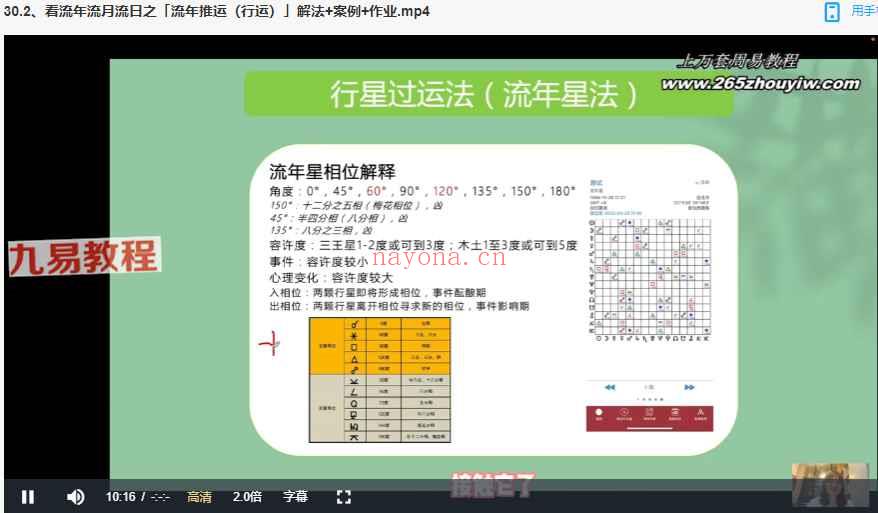
The final main entries name firdaria, transits, solar arc directions, secondary progressions, and solar returns. These filenames support the collection’s five approach framing. The titles include claims of precision and the possibility of changing fortune, but those claims are not treated here as verified outcomes. When studying the recordings, identify the calculation or setup demonstrated, then record the interpretation separately. If the teacher combines a timing approach with natal information, preserve the sequence so that your summary shows how the components are connected.
A comparison exercise can examine two methods applied to the same question and period, provided the recordings actually supply that material. If they do not, label your own comparison as independent work. Preserve the original interpretation before learning an outcome, and record both apparent matches and mismatches. The purpose is to examine the reasoning and your note taking, not to establish a guaranteed forecast. Practical decisions about work, money, education, or health still need relevant information outside an astrological interpretation.
Using the Separate Case Folder
The case folder names examples about relationships, career, education, children, talents, and financial loss, among other topics. These labels show a range of applications, but they do not provide full case histories. Some titles make sharp judgments about personality or behavior. A useful learner’s summary can describe the subject and the interpretive method without adopting a derogatory label as a fact about the person discussed. It can also distinguish information supplied in the case from conclusions drawn through the chart explanation.
Study a case by recording the question, the information available at the start, the chart observations selected, and the final interpretation. Place later outcomes or retrospective comments in a separate section. This prevents hindsight from rewriting the reasoning. If a filename seems to promise a dramatic explanation, the actual demonstration still deserves careful review. A compelling title does not settle whether the interpretation is adequately supported. The case folder is most useful when approached as material for comparing reading choices rather than as a catalogue of proven character judgments.
A Personal Map of the Collection
Organize your index into foundations, natal applications, relationship techniques, timing methods, and cases, using the actual filenames as references. This structure reflects the visible directory while avoiding an invented file total. It also makes the mixed nature of the resource clear: natal chart reading is central, but it is not the only subject. A traceable notebook can help an English reader navigate Chinese terminology and repeated examples. Its value lies in explaining what was taught, how it was applied, and where uncertainty remains, rather than in promising certainty about a person’s future.