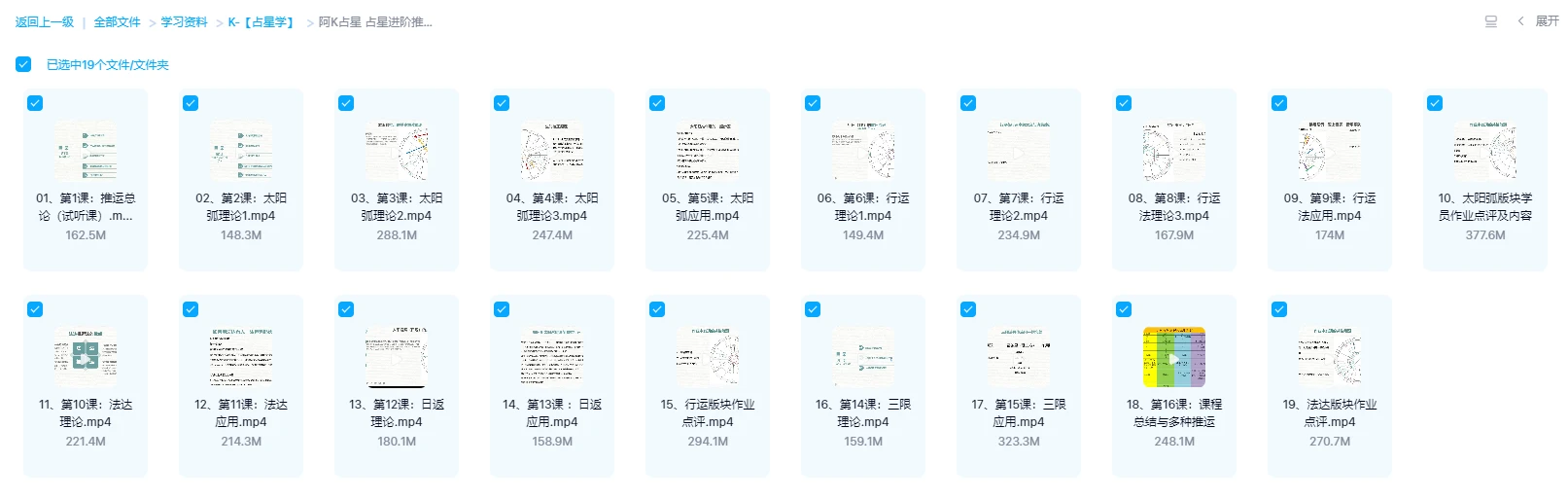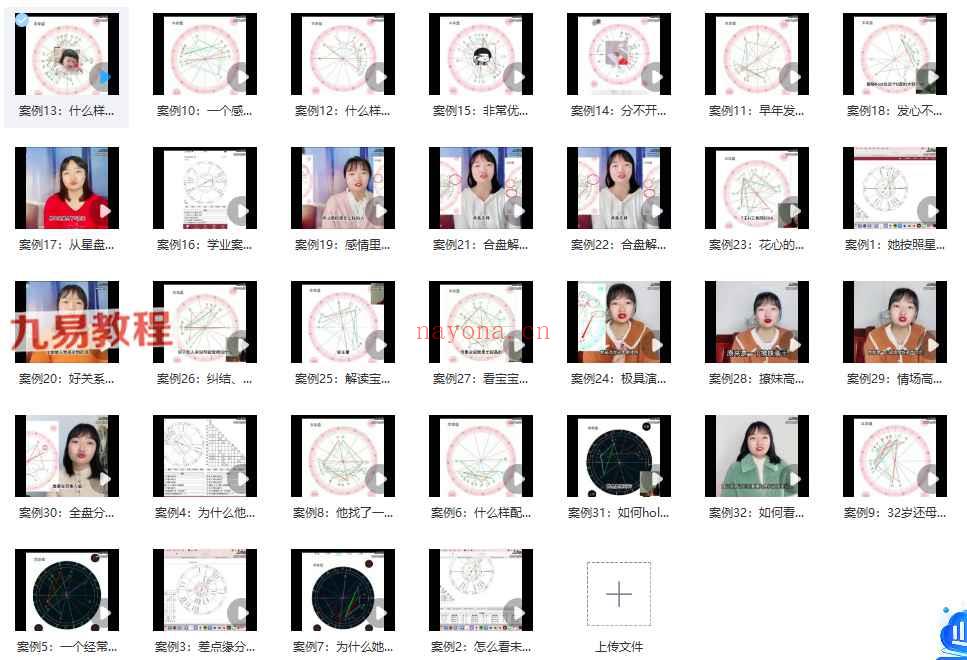
A two-part Nanfeng Astrology resource comprising a 56-video foundation course and a 45-video professional course. The available listing confirms the counts but not a complete verified lesson-by-lesson syllabus.
Resource Overview
Nanfeng Astrology Foundation and Professional Courses is a digital learning resource about Western Astrology for Beginners. The English description summarizes the available source listing; the underlying recordings or books are in Chinese. An English translation of the full material is not confirmed.
What You Will Learn
Use the sequence and preview material below to identify the course’s scope, terminology and teaching approach. Compare each card interpretation with the original lesson rather than treating a short listing as a complete transcript.
Course Contents
- Foundation-stage astrology study
- A separate professional-level sequence
- Comparing scope before starting the advanced section
- Original preview and format limits
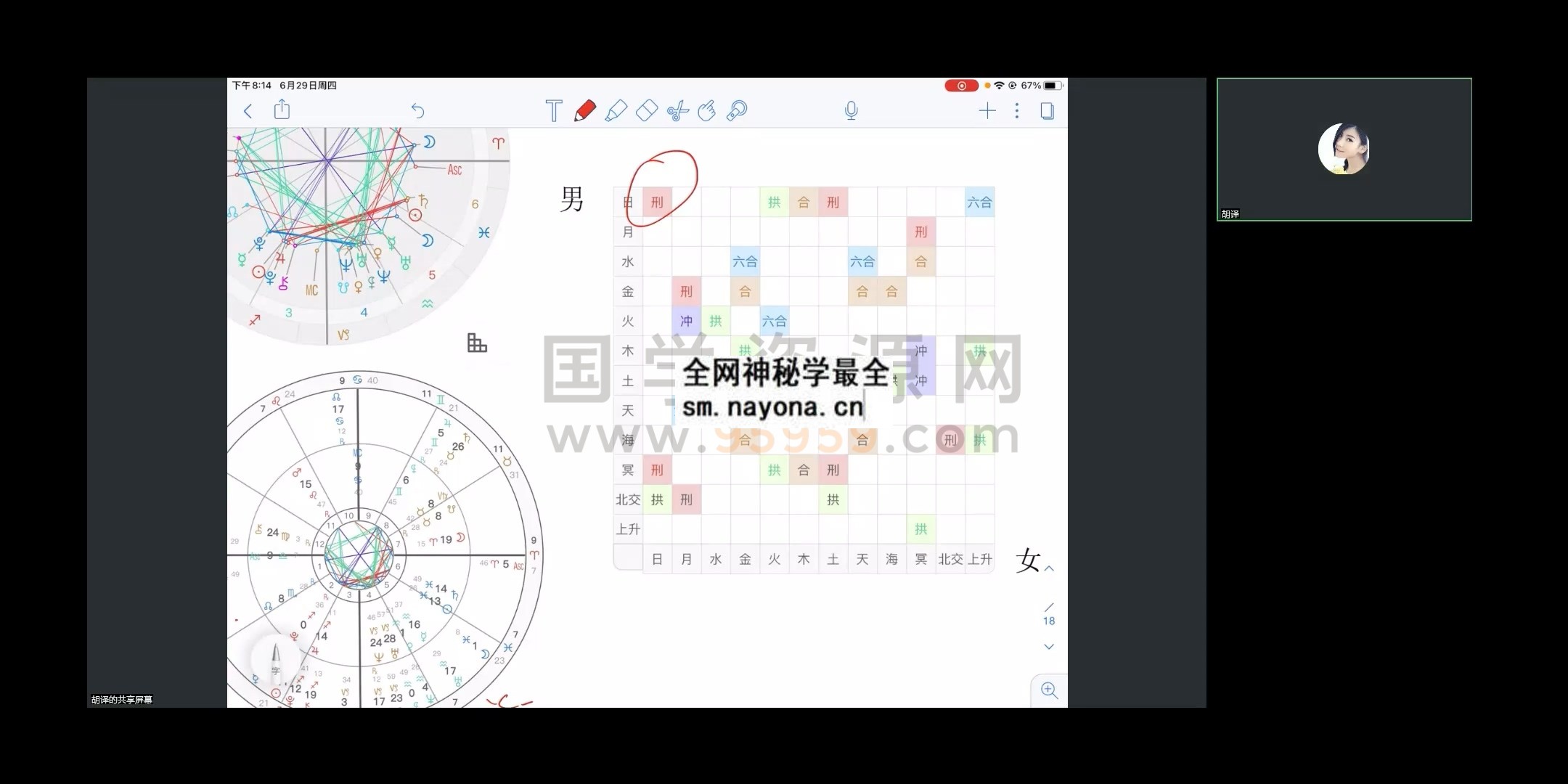
Original Course Images
Who This Resource Is For
This resource is for readers or learners who can use Chinese-language materials and want a named resource on Western Astrology for Beginners. Compare the stated scope and previews before ordering; a fixed level of prior experience is not assumed unless the source directory says so.
Learning Format and Digital Delivery
The source lists 56 foundation videos and 45 professional-level videos Virtual and downloadable; there is no physical shipment. Price: USD 9.00. A file link is not yet attached to this product. Please contact Karma Kismet before ordering to confirm delivery arrangements; immediate automated access is not promised.
Frequently Asked Questions
Is the full material in English?
No English edition, recording or subtitle track is confirmed. The source material is Chinese-language.
Is a personal consultation included?
No individual consultation is listed with this resource.
Does this resource guarantee an outcome?
No. It is for educational and cultural study, not a guaranteed result or substitute for professional advice.
Editorial Note
Karma Kismet translated and organized the course facts and original previews for English readers. Lesson counts and formats follow the available source listing; unspecified contents, certificates and instructor credentials are not asserted.
Related Courses
Browse Western Astrology for Beginners and read digital delivery information.
Two Named Sequences, Two Study Purposes
The Nanfeng listing names a foundation course of fifty six videos and a professional course of forty five videos. These are the most concrete details available about its structure. The resource information also reports a total of one hundred and two files, while the two stated video counts add up to one hundred and one. The listing does not identify what accounts for that difference. It would be inaccurate to invent an extra lesson or describe an additional workbook. Treat the two course counts as stated counts and the separate total as an unresolved inventory detail.
The words foundation and professional distinguish two named sequences, but they do not establish a formal qualification or a universal entry requirement. A learner can use the distinction to organize study, starting with the explanations that establish the course’s vocabulary before proceeding to the second collection. The available text does not contain a verified lesson by lesson directory. Accordingly, the detailed subjects and their order should be identified from the recordings themselves rather than filled in from a generic astrology syllabus or the source page’s broad promotional commentary.
Planning a Foundation Stage Notebook
A long foundational sequence is easier to revisit when the notebook follows the resource rather than only the learner’s memory. Give each recording an index entry containing its filename, the main topic actually discussed, and a few terms that need attention. Keep the original Chinese expressions beside your working English translations. If a definition changes or becomes more nuanced in a later example, add the later reference instead of silently replacing the earlier entry. This creates a record of how the course develops an idea and how your own understanding develops with it.
Separate a chart observation from an interpretive explanation. The first records what appears in the example; the second records the meaning assigned within the course’s approach. A personal conclusion based on that explanation is another step. Keeping those stages visible can prevent an interpretation from becoming an unsupported fact about a person. This is an independent study method, not a claim that Nanfeng supplies a particular workbook. It is especially useful when a public listing gives the scale of a collection without supplying its detailed internal organization.
Deciding When to Enter the Professional Sequence
Rather than use completion of fifty six files as the only sign of readiness, check whether you can follow the terms used in a sample explanation and summarize the reasoning in plain language. If a later recording relies on vocabulary you cannot yet explain, return to the relevant foundational material. This does not require perfect memorization. It requires a usable map of where ideas are explained and an honest account of which ones remain unclear. A label such as professional describes the source’s presentation; it does not guarantee that watching the videos creates professional competence.
A transition page in your notebook can list recurring concepts from the first sequence and the questions raised by the second. Keep the list specific. A question about how two chart factors are connected is easier to investigate than a general feeling that the material is difficult. If the professional recording uses a convention differently, preserve both contexts before deciding that there is a contradiction. The difference may reflect a more specialized application, but that explanation should come from the actual material rather than an assumption about how advanced courses usually work.
Comparing Explanations Across a Large Collection
In a collection of this size, repeated vocabulary can be helpful for comparison. Choose an idea that appears in more than one recording and note what stays consistent, what becomes more detailed, and what changes with the example. Record the questions being addressed so that a change in context is not mistaken for a change in definition. A compact comparison can reveal how the course’s method works without requiring a complete transcript. It also gives you a reason to revisit a particular recording instead of replaying the whole sequence whenever a term becomes unclear.
Do not merge explanations from another teacher into the Nanfeng notes without labeling them. Outside material can be useful, but its conventions may differ. A note that says this course uses one term while another source uses a different one is more informative than a combined definition with no origin. The distinction matters for both technical vocabulary and broader interpretive language. When translating into English, a familiar label may conceal a difference in usage. Examples from the actual recordings are the best way to keep your glossary tied to this resource.
Watching Actively Without Inventing Assignments
An independent viewing routine can include a brief summary, a question list, and a review of one example. This routine is a suggestion for your own study, not an official Nanfeng assessment or homework program. After a recording, write what you can explain and identify the point where you lost the thread. On a second viewing, focus on that point. If the recording includes a worked chart, preserve the information it supplies and avoid filling missing details with an approximate substitute. A useful learning record makes gaps visible so that later review can address them.
When an example includes an outcome or a retrospective account, record that information separately from the interpretation made earlier in the explanation. Otherwise, your summary may make the reasoning appear more predictive than it was. The same principle applies to personal practice: preserve the original wording and review mismatches as well as apparent matches. This is not a test establishing astrology’s predictive validity. It is a way to keep your own observations honest and to reduce selective memory when studying a symbolic interpretive system.
Study Scope and Practical Decisions
The resource can be explored as a Chinese language astrology collection with two stated levels and a substantial video count. The source’s broad descriptions of life areas should not be expanded into verified promises about every lesson. Nor should symbolic interpretations be treated as confirmed explanations of health, money, work, or relationships. If you use a lesson as a prompt for personal reflection, keep any practical decision connected to real information that can be checked. The recordings may be studied for vocabulary and reasoning without being made responsible for facts they cannot establish.
A final review can map your actual notes into foundational explanations, more specialized applications, and unresolved questions. Let that map emerge from the material you viewed. The two part structure gives a broad organizing frame, while your index provides the detail that the available listing lacks. File counts help describe the scale of the resource, but they do not measure your understanding or guarantee an outcome. Traceable notes, careful translation, and a clear boundary between interpretation and evidence make the collection more manageable for sustained study.