Wang Yajun's complete San He collection is a 47-video resource for studying the named traditional school. Original diagrams and teaching previews are retained to help distinguish its approach from Flying Star and Eight Mansions courses.
Course Overview
Wang Yajun San He Feng Shui: 47 Videos is a digital study resource in the San He Feng Shui collection. This English product guide explains the listed material; the original recordings and documents are in Chinese. English subtitles or translated full lessons are not included unless separately stated.
Course Contents and Learning Focus
- San He Feng Shui as the named traditional school
- The 47-video teaching collection
- Original compass and course-diagram previews
- Comparing method-specific terminology rather than mixing schools
What You Will Learn
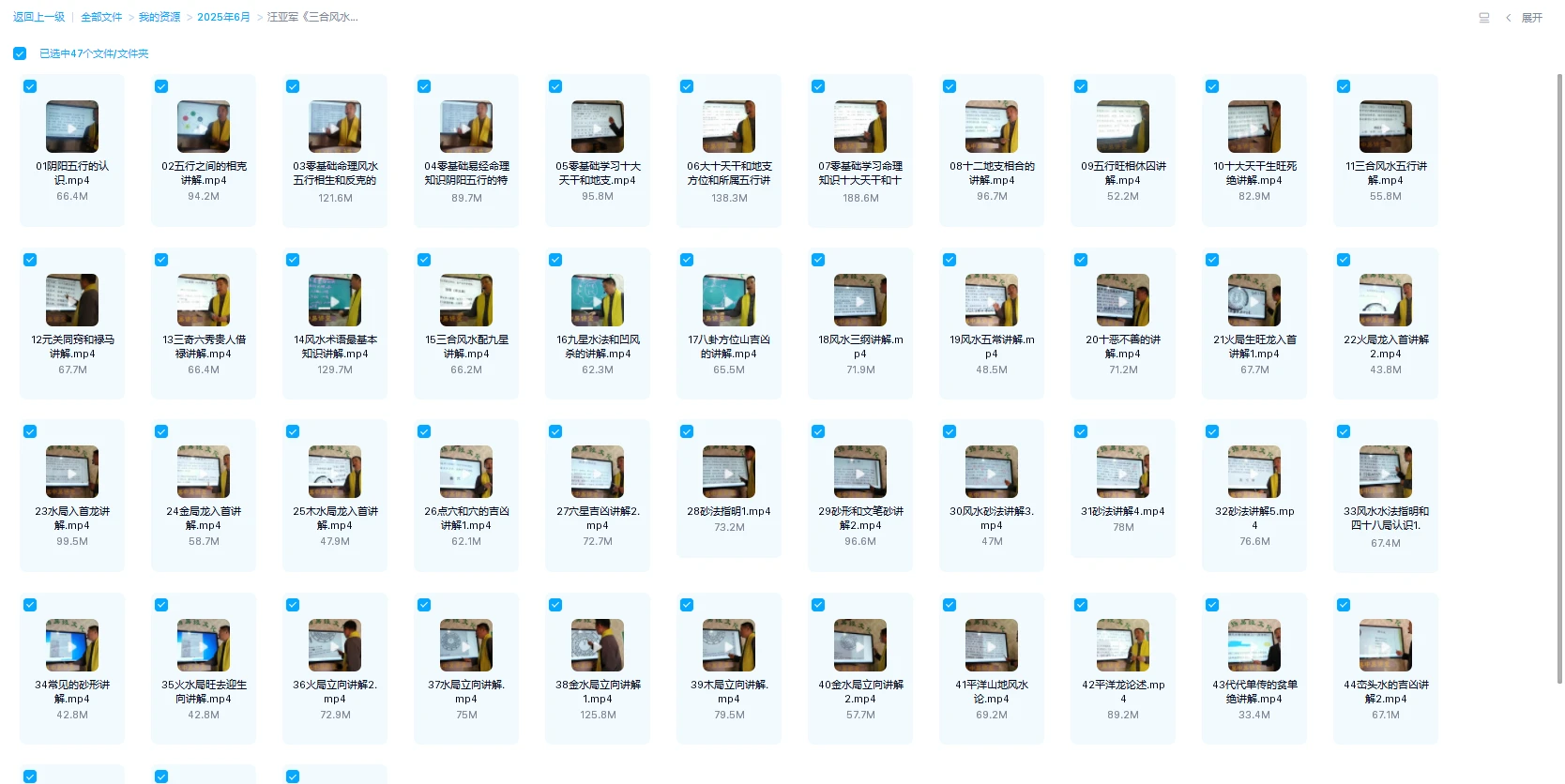
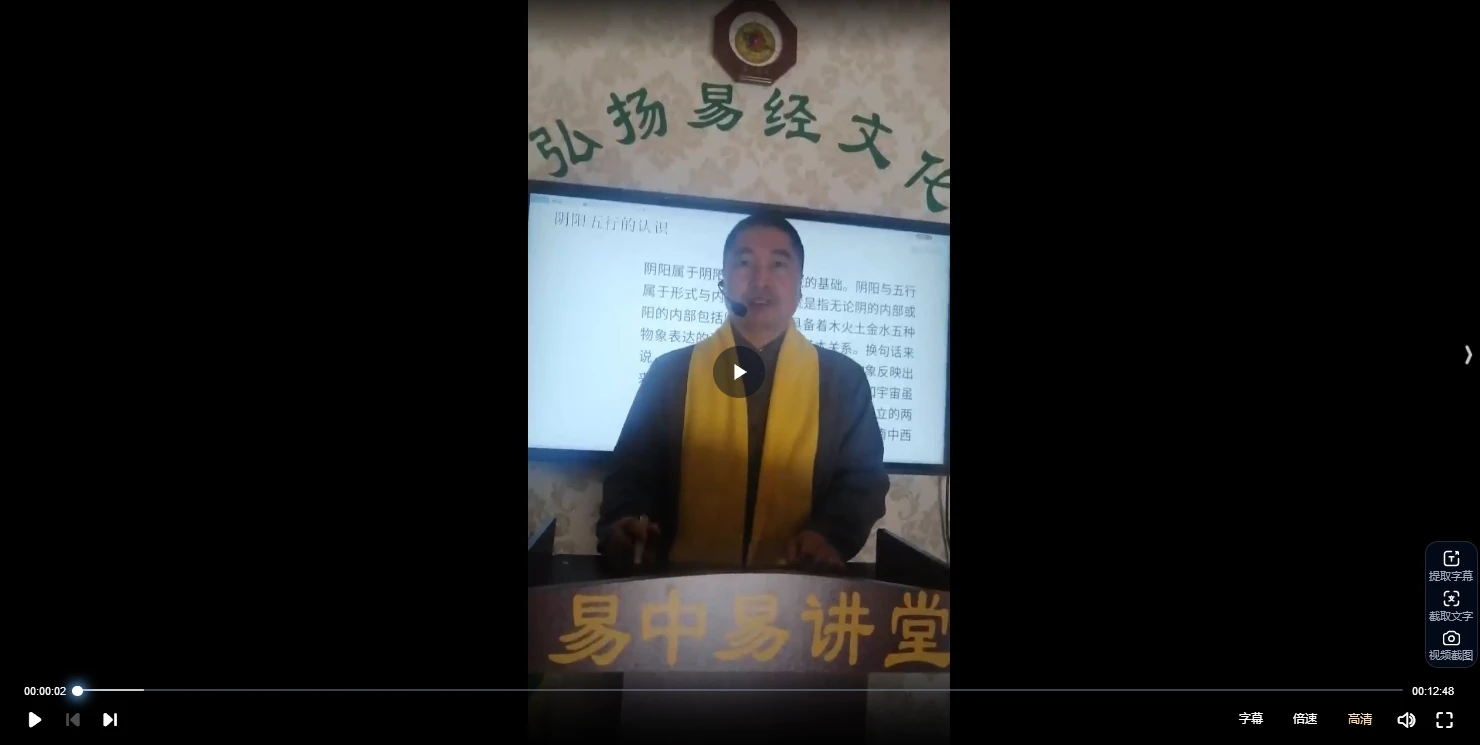
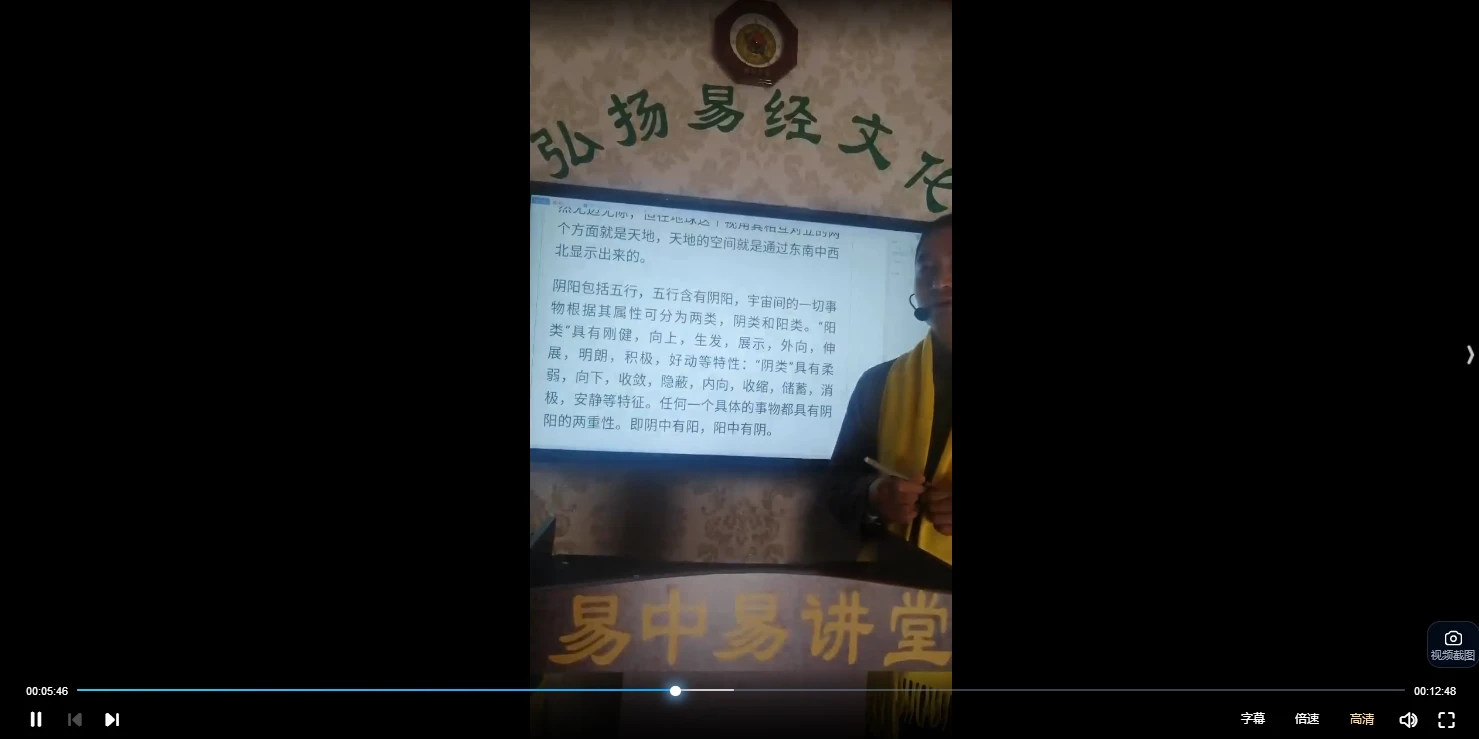
Use the listed topics to identify the scope of this resource, follow its recorded sequence and compare the original diagrams with your study notes. Where individual lesson names are not supplied, the preview images are provided instead of an invented syllabus.
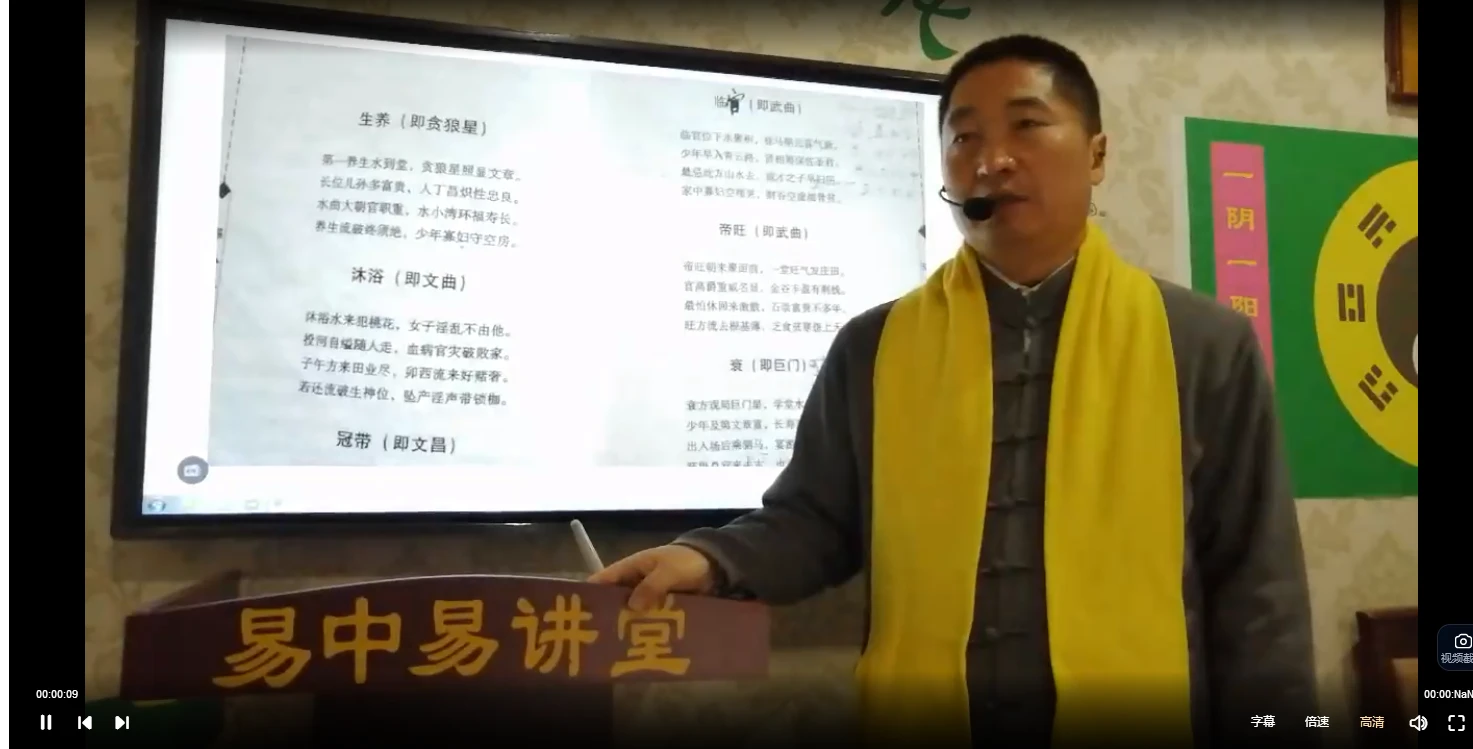
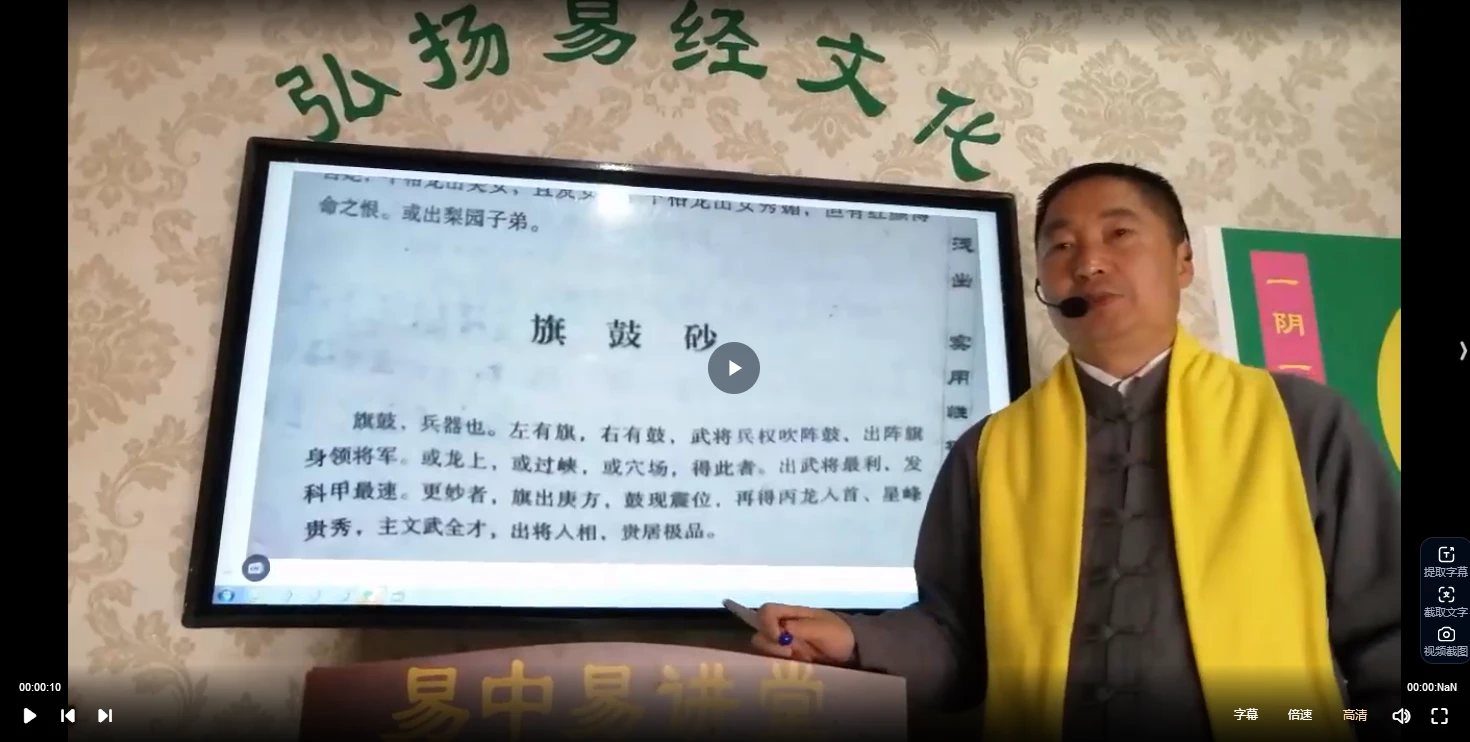
Original Course Previews




Who This Course Is For
For learners who can follow Chinese-language material and want to study San He Feng Shui. Check the format and previews before buying. Intermediate or continuation courses assume familiarity with the relevant foundations and do not imply that prerequisite courses are included.
Learning Format and Digital Delivery
Format: 47 recorded video lessons. Price: USD 9.00. This is a virtual, downloadable product; no physical shipment is required. The download link has not yet been attached to this listing and will be added by the store. Contact us before ordering if you need to confirm delivery timing; immediate automatic file access is not promised.
Frequently Asked Questions
Is the course taught in English?
No English-language recording or subtitle track is confirmed. This description is in English; the underlying course material is Chinese.
What is included?
47 recorded video lessons. Review the course contents and original previews for the stated scope.
Will a physical item be shipped?
No. This is a digital learning resource.
Is a certificate or personal consultation included?
No certificate, accreditation or individual consultation is promised by this listing.
Editorial Note and Disclaimer
Karma Kismet has organized the course listing and available directory into this English guide. Lesson counts refer to the supplied listing, not an independent review of every recording. For traditional and cultural study, not guaranteed predictions, financial advice or assured personal outcomes.
Related Courses
- Yi Qinglan Form School Feng Shui: 45 Video Lessons
- Teacher Liu Yuan Xing Form School Feng Shui: 56 Videos
- Qingyuan Eight Mansions Feng Shui: 12 Lessons
- Huo Yixun Eight Mansions Feng Shui: 10 Videos
- Chen Bingsen San He Feng Shui: 66 Videos
- Wang Yajun Xun Style Tuina Course: 121 Videos
Browse San He Feng Shui, review course and delivery questions, or learn about Karma Kismet.
Following the San He sequence
The listed 47-video sequence gives this collection a useful structure for studying San He Feng Shui as a distinct traditional approach. Its directory begins with yin and yang, the five phases, heavenly stems and earthly branches. It then moves toward San He terminology, landscape forms, water methods, orientation and compass use. Reading those topics as a connected vocabulary is more useful than treating each traditional label as an isolated rule. The English overview can help you plan that reading, while the recordings themselves are identified as Chinese-language material.
From basic terms to landscape descriptions
The early titles introduce relationships among the five phases and the stems and branches. These are traditional classification systems. A learner can make a small glossary for each term, record how a lesson uses it, and revisit that definition when the same term appears in a later landscape discussion. This avoids assuming that a familiar English translation carries exactly the same meaning in every context.
Later titles refer to longtou, or landform, along with sand forms and water forms. In this vocabulary, the terms describe features considered within a traditional reading of a site. Sketching a diagram while watching may help distinguish a visible feature from the interpretation assigned to it. If a lesson uses an auspicious or inauspicious label, note it as the course’s traditional classification, not as an established prediction about the people who use a place.
Reading the four phase groups
The directory names fire, water, metal and wood groups in discussions of incoming landform and orientation. Those names are part of a symbolic framework; they do not mean that a site physically contains only one substance. Make a separate page for each group and record the lesson’s terms, the diagram used and any conditions the speaker mentions. When two examples appear similar, compare their stated orientation and surrounding features before deciding that the same label applies.
The course also lists topics on locating a point, identifying hill shapes and examining water. These subjects can be conceptually dense because a change in viewpoint may change how a drawing is described. A practical study exercise is to redraw a supplied preview without its annotations, then add each annotation only after the relevant explanation. That exercise tests whether you understand the course’s description; it does not establish that the description has predictive power.
Compass and orientation as subjects of study
The listed material includes basic compass recognition and explanations of setting direction. Learn the names of the directions and rings before trying to follow an example that combines multiple labels. Keep the diagram, the spoken explanation and your own notes side by side. If the source does not show a complete measurement procedure, avoid filling the gap with an assumed one. Ordinary building plans, magnetic interference and an uncertain reference point can all complicate real-world measurements, so a simplified lesson example should remain an example.
Some titles use language about favorable or unfavorable water and landform. Such wording belongs to the tradition being taught. It should not displace practical considerations such as access, drainage, building condition, safety, accessibility or the needs of the people who use a space. If you are studying a real location, record those observable conditions separately from the course’s symbolic categories.
A workable note-taking path
- Review the first group of foundational lessons and define each recurring term in your own words.
- Match later references to stems, branches and five phases with the earlier explanation instead of relying on memory.
- Use the original previews to follow the speaker’s orientation and the relationship between diagram labels.
- Keep separate notes for landform, sand forms, water forms and compass terms so their roles remain clear.
- Return to one recorded example after several lessons and identify which assumptions the example depends on.
This method allows slow, cumulative study across the 47 listed videos. It also helps reveal where a translation, a preview or your own notes leave a question unresolved. Someone new to the subject may need extra time with the opening terminology. Someone already familiar with another Feng Shui school may benefit from noting which terms have different uses here.
Keeping schools and claims in context
San He, Flying Star and Eight Mansions appear as separate areas of study on the wider course site. They may ask different questions of a plan or landscape. When comparing them, identify the source of each rule before combining vocabulary. A conclusion reached through one school’s framework should not be presented as though it follows automatically from another. The value of this collection for comparative study lies partly in its named San He focus and its original diagrams.
The source description also contains broad claims about improved circumstances and personal outcomes. Treat those as claims made within promotional or traditional discussion, not as verified results of watching these recordings or changing a room. The videos can support study of cultural concepts and methods of interpretation. They cannot establish a guaranteed effect on health, relationships, work or finances.
Who may find the collection useful
This collection may suit a reader who can follow Chinese instruction and wants a sustained introduction to San He terminology. It may also suit someone comparing how traditional courses describe compass, landform and water. A reader seeking a short English lesson, a professional qualification or a verified assessment of a particular property should recognize that those are different needs. The listing describes recorded study material, while individual comprehension depends on language ability, prior knowledge and careful review.
Questions about this 47-video collection
Do the first lessons require prior San He study?
The directory begins with foundational terms, including yin and yang and the five phases. That offers a starting point, although later subjects still require patient review and may use specialized Chinese vocabulary.
Are the fire, water, metal and wood groups instructions for changing a room?
In this context they are traditional categories used in the listed lessons. Study how the instructor defines them before drawing any conclusion about a real space.
Why keep the compass and landform notes apart?
A compass label and a visible feature answer different descriptive questions. Separate notes make it easier to see how a lesson connects them and where an inference begins.
Can the course tell me whether a property will bring good fortune?
No dependable personal outcome follows from a course description or an example diagram. Use the material to understand a traditional interpretive system and assess practical property questions through appropriate evidence and qualified advice.