
Study Chen Bingsen's San Yuan geography course on Xie Zi Fa and its head-middle-tail qi-regulation approach. The two PDF books distinguish this package from his separate San He video series.
Course Overview
Chen Bingsen San Yuan Xie Zi Fa: 60 Videos is a digital study resource in the San Yuan Feng Shui collection. This English product guide explains the listed material; the original recordings and documents are in Chinese. English subtitles or translated full lessons are not included unless separately stated.
Course Contents and Learning Focus
- San Yuan geography and Xie Zi Fa terminology
- Head, middle and tail qi-regulation teaching
- The 60-video collection
- Two supporting PDF books
- Comparison with the separately listed San He course
What You Will Learn
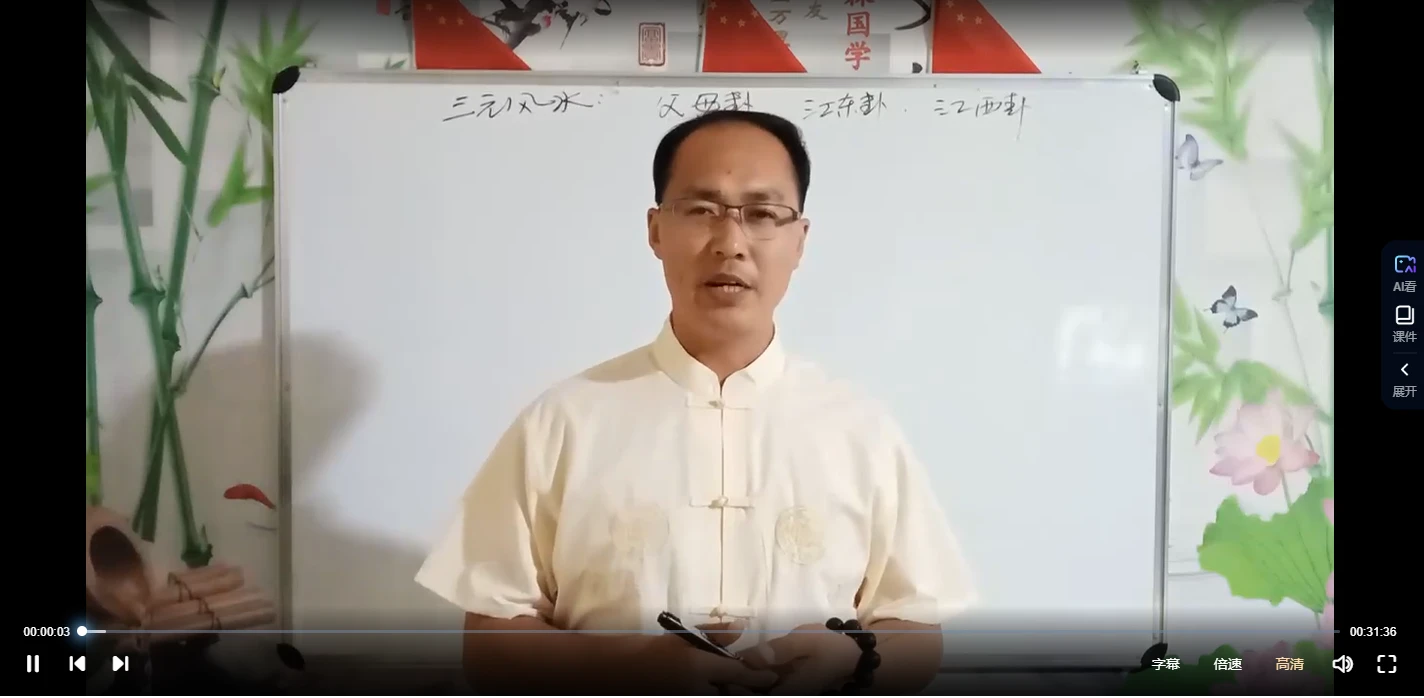
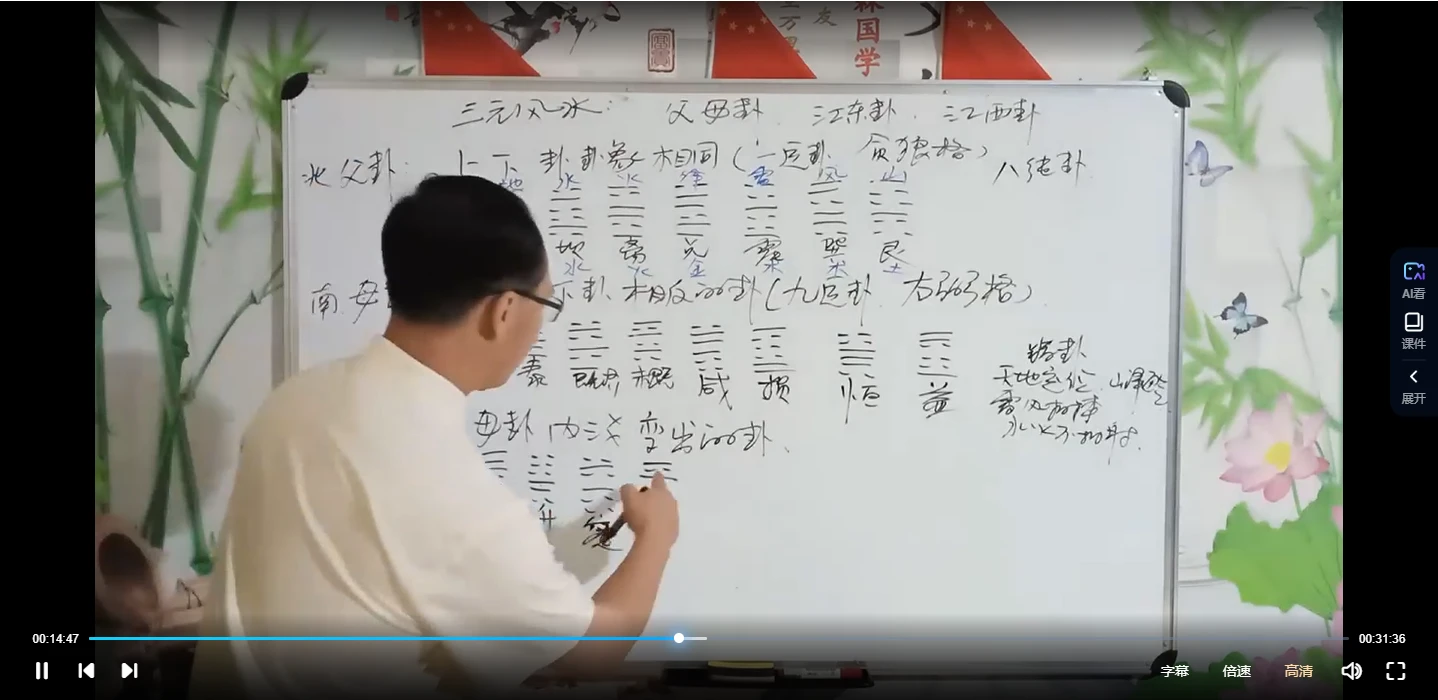
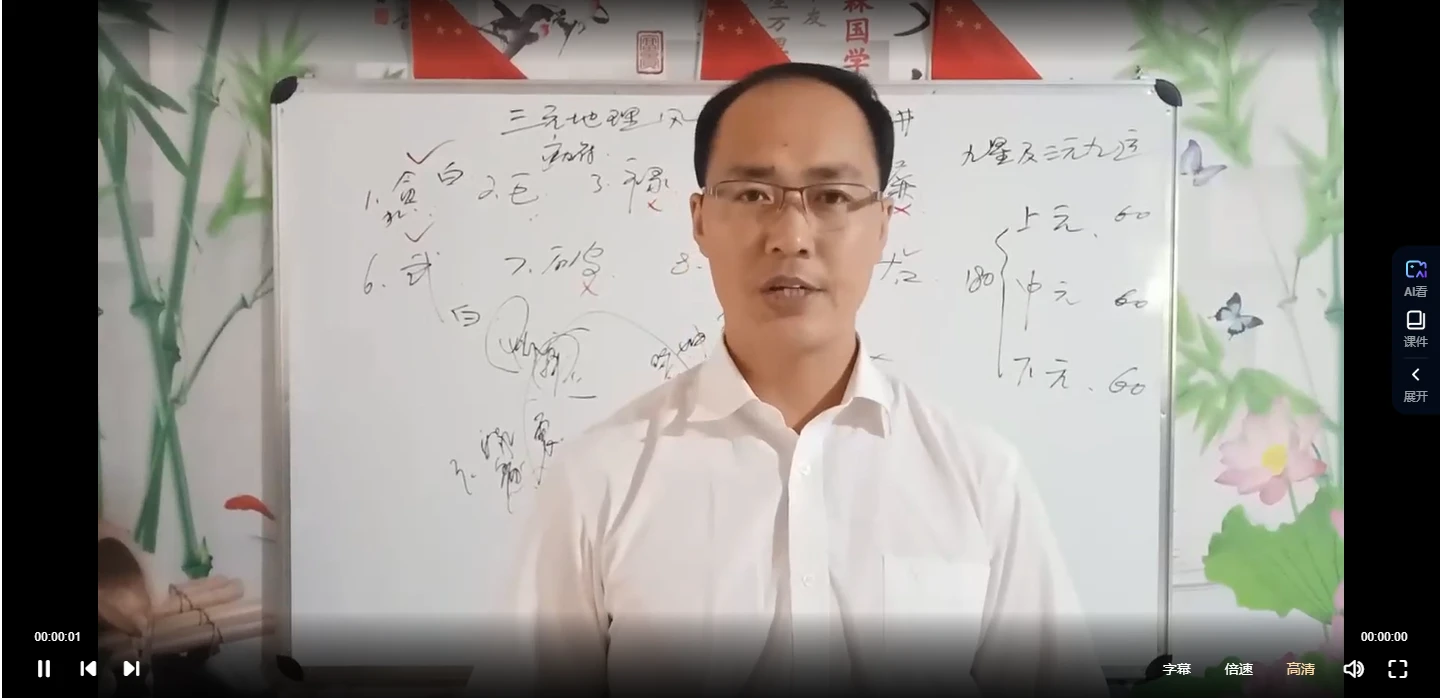
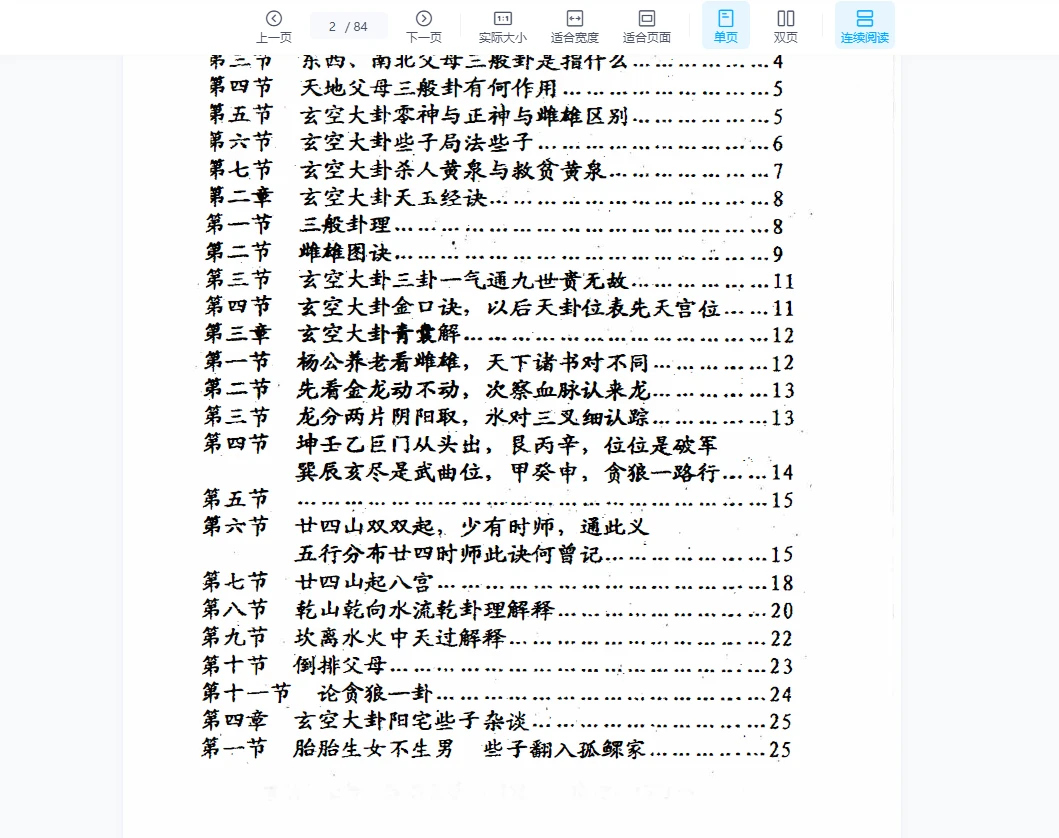
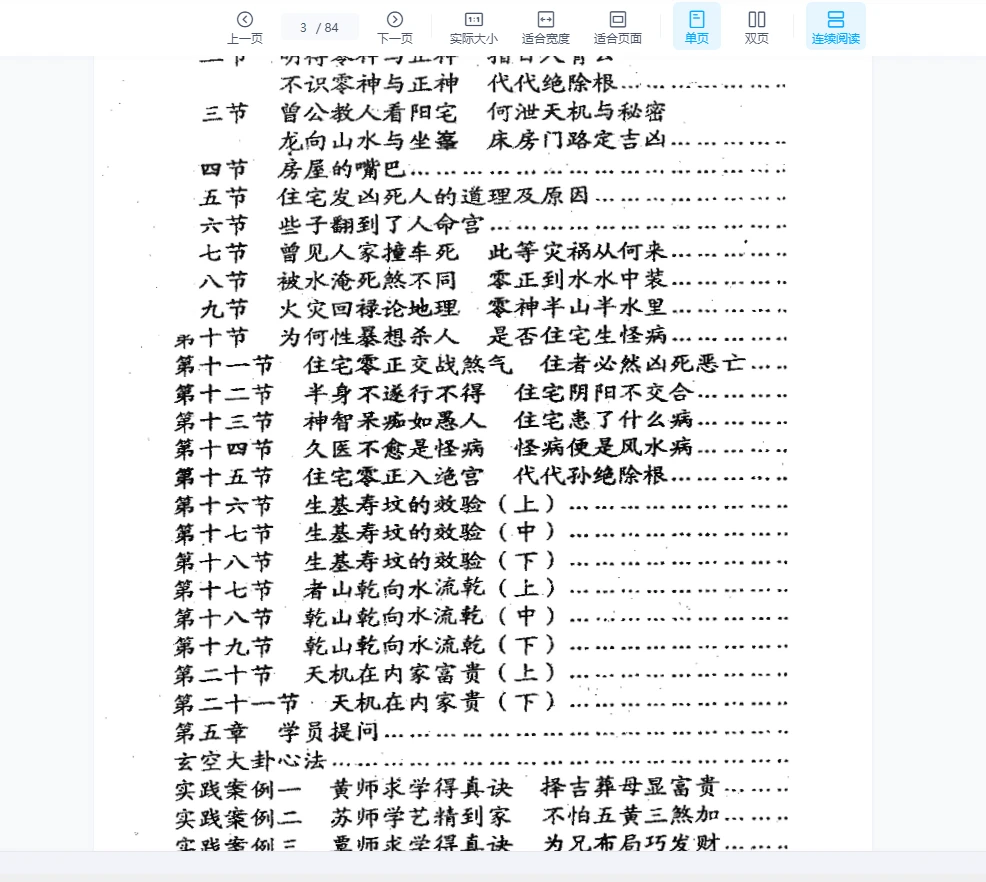
Use the listed topics to identify the scope of this resource, follow its recorded sequence and compare the original diagrams with your study notes. Where individual lesson names are not supplied, the preview images are provided instead of an invented syllabus.
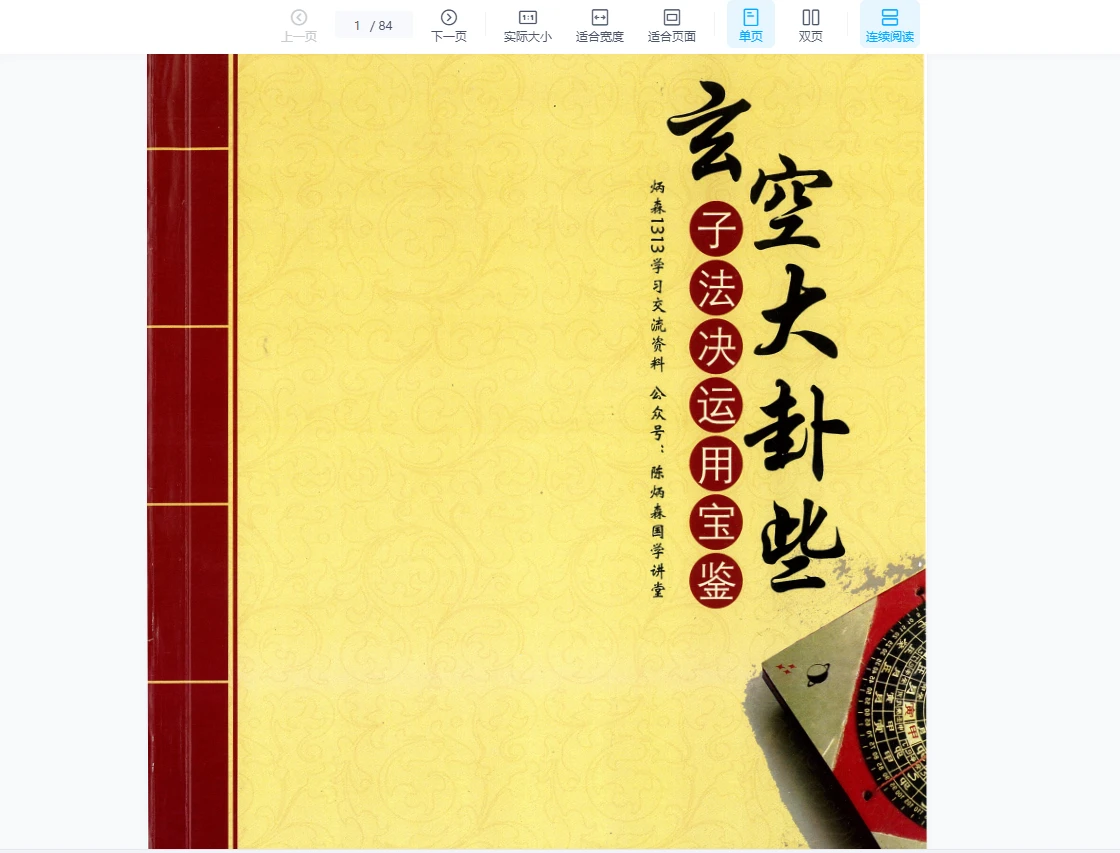
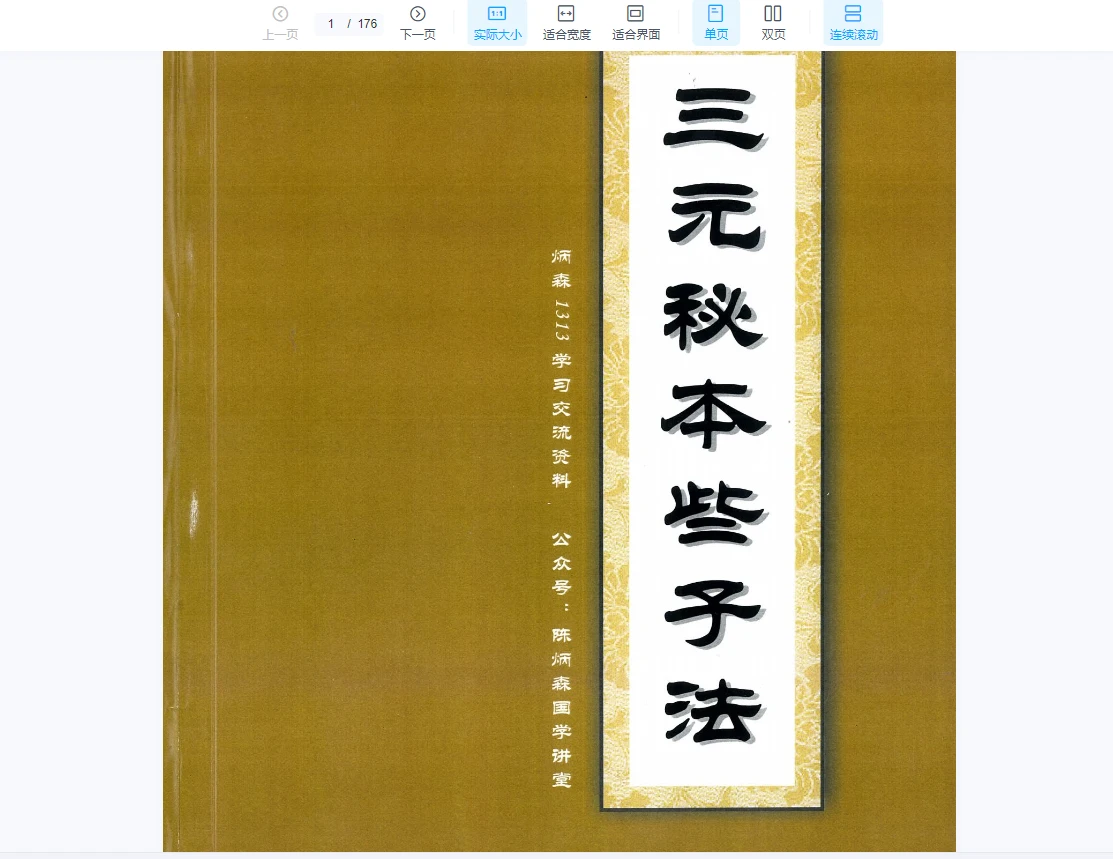
Original Course Previews

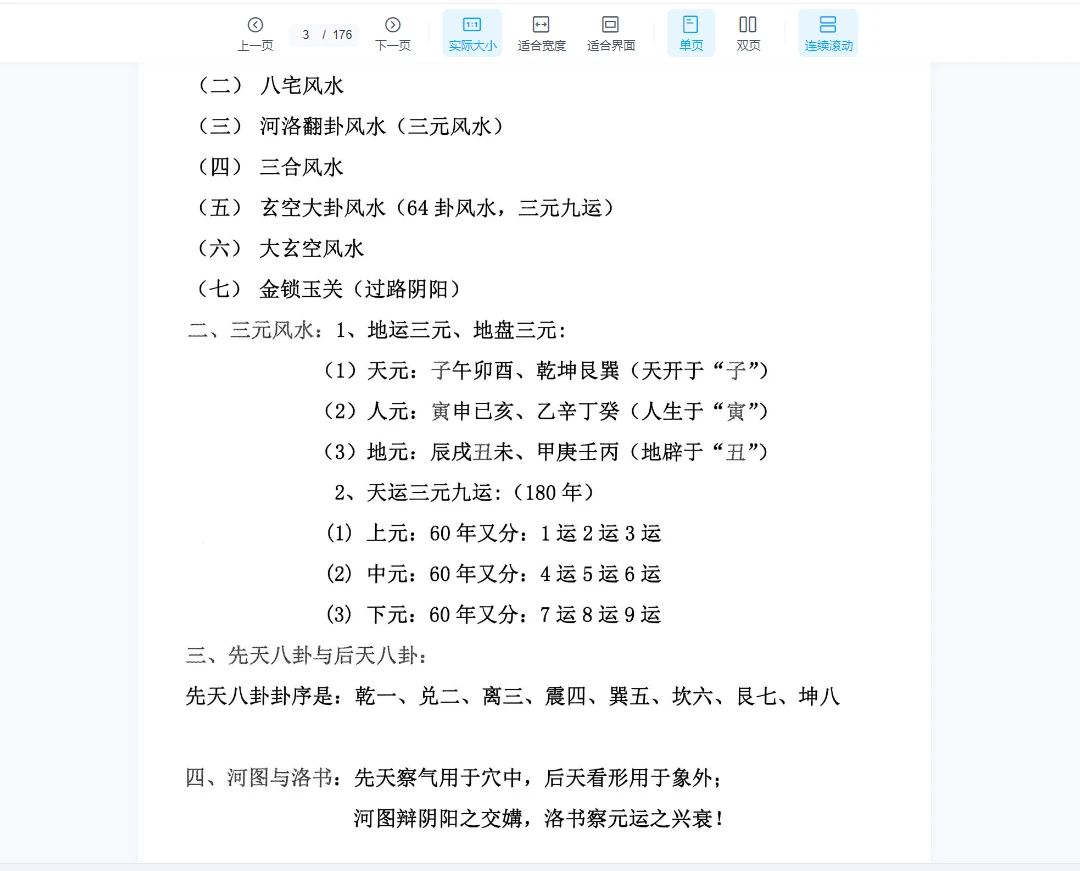
Who This Course Is For
For learners who can follow Chinese-language material and want to study San Yuan Feng Shui. Check the format and previews before buying. Intermediate or continuation courses assume familiarity with the relevant foundations and do not imply that prerequisite courses are included.
Learning Format and Digital Delivery
Format: 60 recorded video lessons and two PDF books. Price: USD 9.00. This is a virtual, downloadable product; no physical shipment is required. The download link has not yet been attached to this listing and will be added by the store. Contact us before ordering if you need to confirm delivery timing; immediate automatic file access is not promised.
Frequently Asked Questions
Is the course taught in English?
No English-language recording or subtitle track is confirmed. This description is in English; the underlying course material is Chinese.
What is included?
60 recorded video lessons and two PDF books. Review the course contents and original previews for the stated scope.
Will a physical item be shipped?
No. This is a digital learning resource.
Is a certificate or personal consultation included?
No certificate, accreditation or individual consultation is promised by this listing.
Editorial Note and Disclaimer
Karma Kismet has organized the course listing and available directory into this English guide. Lesson counts refer to the supplied listing, not an independent review of every recording. For traditional and cultural study, not guaranteed predictions, financial advice or assured personal outcomes.
Related Courses
- Yi Qinglan Form School Feng Shui: 45 Video Lessons
- Teacher Liu Yuan Xing Form School Feng Shui: 56 Videos
- Qingyuan Eight Mansions Feng Shui: 12 Lessons
- Huo Yixun Eight Mansions Feng Shui: 10 Videos
- Zhao Gong Yuzhu San Yuan Feng Shui: 45 Videos
- Chen Bingsen San He Feng Shui: 66 Videos
Browse San Yuan Feng Shui, review course and delivery questions, or learn about Karma Kismet.
Studying Xie Zi Fa within a San Yuan framework
This listing identifies Chen Bingsen’s San Yuan geography material as 60 videos accompanied by two PDF books. Its focus is Xie Zi Fa and a head, middle and tail approach to qi-regulation terminology. Those labels deserve slow study because their meaning depends on the method used in the material. An English phrase may help you remember a Chinese expression, but it cannot replace the definition given in a lesson or text. The package belongs to the San Yuan Feng Shui category and is distinct from Chen Bingsen’s separate San He video series.
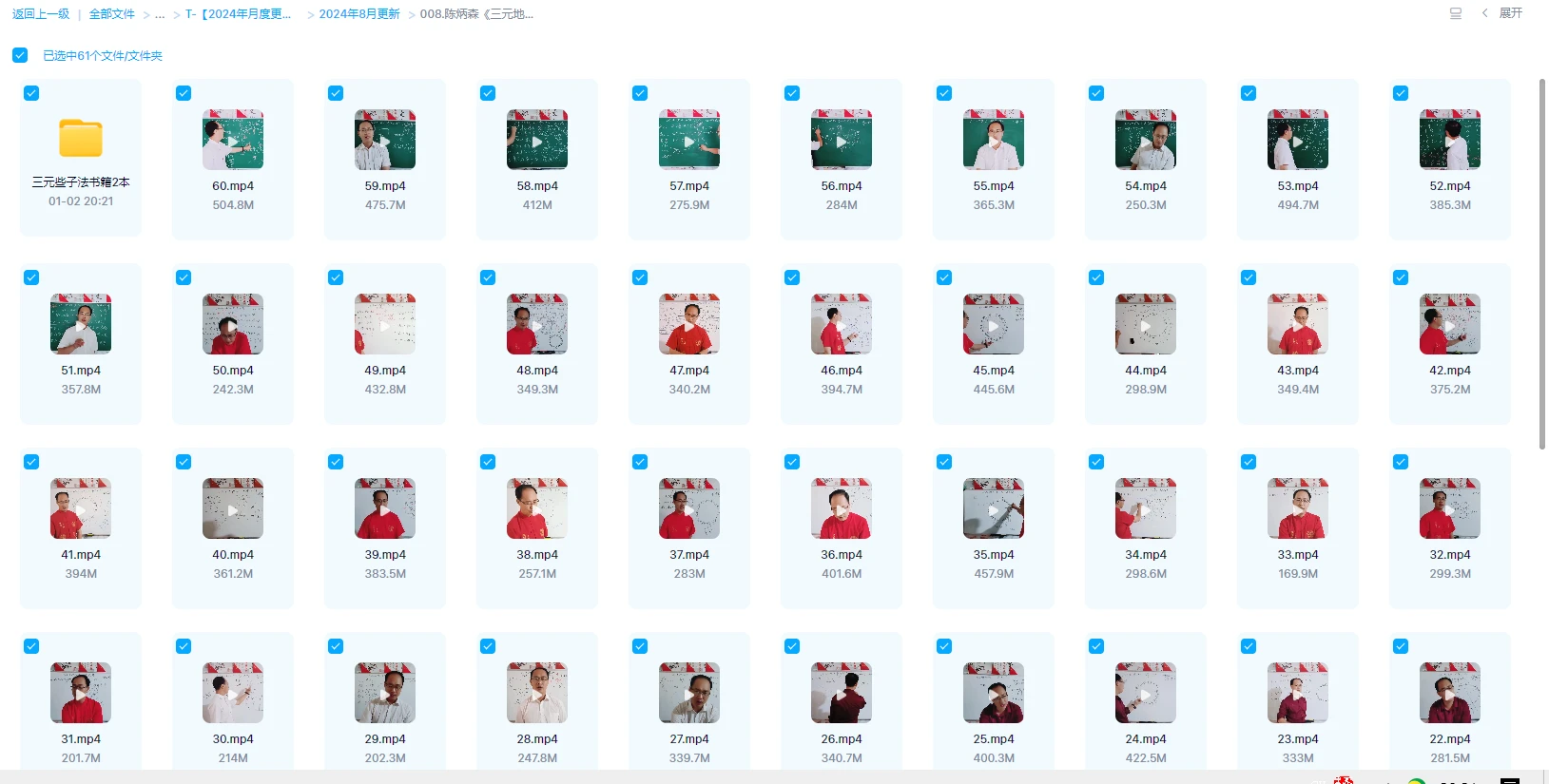
The source directory lists many videos by number rather than descriptive lesson title. Numbered files show a sequence, but they do not by themselves disclose the subject of every recording. A responsible study plan therefore begins with an index you make while viewing, not a presumed outline. Record each video’s main terms, diagrams and references to the books. When a segment seems to depend on an earlier explanation, note that dependency and return to it before drawing a conclusion.
The role of the two listed PDFs
The source names two Chinese-language PDF books associated with Xie Zi Fa and Xuan Kong Da Gua applications. Treat them as companion texts to inspect, not as proof that a particular passage is explained in a particular video. Build a page-reference log as you work: write the term, the page where you found it, the video that appears to discuss it and any uncertainty about their relationship. If a scan has unusual characters or a diagram is hard to read, preserve the ambiguity in your notes. Replacing a faint character with a plausible one can quietly change the meaning of a rule.
Books and recordings can serve different learning purposes. A page may let you compare labels simultaneously, while a spoken explanation may show the order in which the teacher connects them. Move between those formats when the same idea appears in both. If a passage and a lesson seem inconsistent, check the wording and the surrounding context before assuming that one supersedes the other.
Handling head, middle and tail terms
The short description identifies head, middle and tail qi-regulation as a feature of this material. A useful question is what each position represents within the particular example being discussed. It might be tempting to give each English word an everyday spatial meaning immediately. Instead, look for the diagram, reference point and sequence the teacher uses. Record the original Chinese term alongside your translation so you can revise the English gloss if later lessons add detail.
Qi is a traditional term with different uses across Chinese thought and practice. In this context, study it as a term inside a system of geographical interpretation. Do not present a lesson’s qi description as a measured physical field or as a guarantee that altering an environment changes health, relationships or income. The course can be intellectually valuable without making that leap.
A careful comparison exercise
- Choose one diagram or passage with a clearly marked direction or sequence.
- Transcribe only the labels you can read confidently.
- Find the corresponding term in a video and note how it is introduced.
- Separate the visible arrangement from the traditional explanation attached to it.
- List the questions that remain, including any missing reference point or unexplained symbol.
Repeat the exercise with a second example only after the first is clear enough to explain in plain language. That pace may feel slow beside a 60-video count, but it gives each term a stable place in your notes. It also helps prevent a memorable diagram from becoming an oversimplified universal rule.
Keeping the San Yuan identity clear
Chen Bingsen also has a San He collection in the catalog. The shared instructor name does not make the two products a combined curriculum. This San Yuan listing emphasizes Xie Zi Fa and its companion books; the San He listing has its own named topics and directory. If you study both, use separate glossaries at first. Add a comparison page only after you can identify the source of each definition.
A learner familiar with another Feng Shui school may recognize terms such as direction, landform or water. Familiarity is helpful, but it can also encourage premature translation of one school’s rule into another. Ask what this series itself says about a term, what the books say and whether the example specifies conditions. If no clear answer is available, label the point unresolved.
Who may benefit from this package
The series may appeal to readers who can work with Chinese instruction and want to examine a named San Yuan method through video and text. It may also be useful to someone comparing how recorded teaching and written material present the same vocabulary. A beginner can start with a small glossary, although the specialized language may require background reading. Someone expecting a fully translated course, a property assessment or a professional qualification should not infer those features from this listing.
Traditional geographical systems can be explored through diagrams, translation and historical comparison. They should not be used to bypass ordinary evidence in a property decision. For example, a building’s condition, drainage, legal permissions, safety and cost require their own checks. A lesson’s symbolic assessment cannot settle those questions.
Questions about the 60-video Xie Zi Fa listing
Does every numbered video have a published topic title?
The source directory includes numbered video files and does not provide a descriptive title for every entry. Build your own index from the recordings you review instead of assuming an unpublished syllabus.
Are the two PDFs substitutes for the videos?
They are listed as associated books. Their exact relationship to individual recordings should be established by comparing the relevant passages and lessons.
Is this the same as Chen Bingsen’s San He course?
No. This product is categorized as San Yuan and names Xie Zi Fa, while the separate San He listing has a different focus.
How should I interpret a claim about qi regulation?
Read it as terminology and reasoning within the tradition. It does not establish a measurable outcome for a person or property.



