A 116-lesson case-study series based on historical Six Yao examples from Zeng Shan Bu Yi.
Course Overview
This English guide organizes the supplied traditional Chinese learning material around a clear course sequence. The underlying recorded lessons or documents may be in Chinese; review the stated format and curriculum before purchase.
What You Will Study
- Historical divination cases and their context
- Step-by-step Six Yao reasoning
- Comparing foundational and advanced interpretations
Course Scope and Format
A 116-lesson case-study series based on historical Six Yao examples from Zeng Shan Bu Yi. The course title and description identify the lesson count or page length when stated in the supplied curriculum. This is a digital educational product; no physical item is shipped.
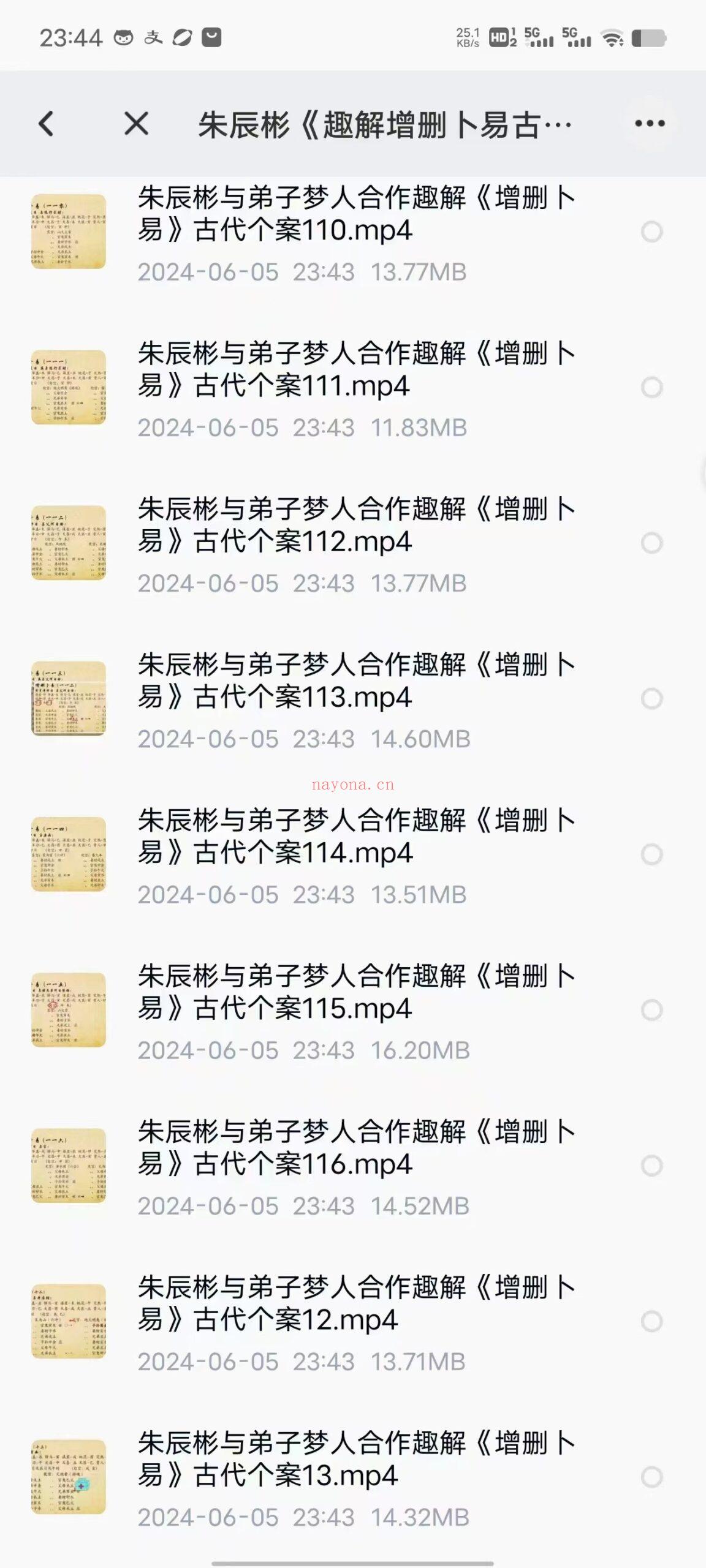
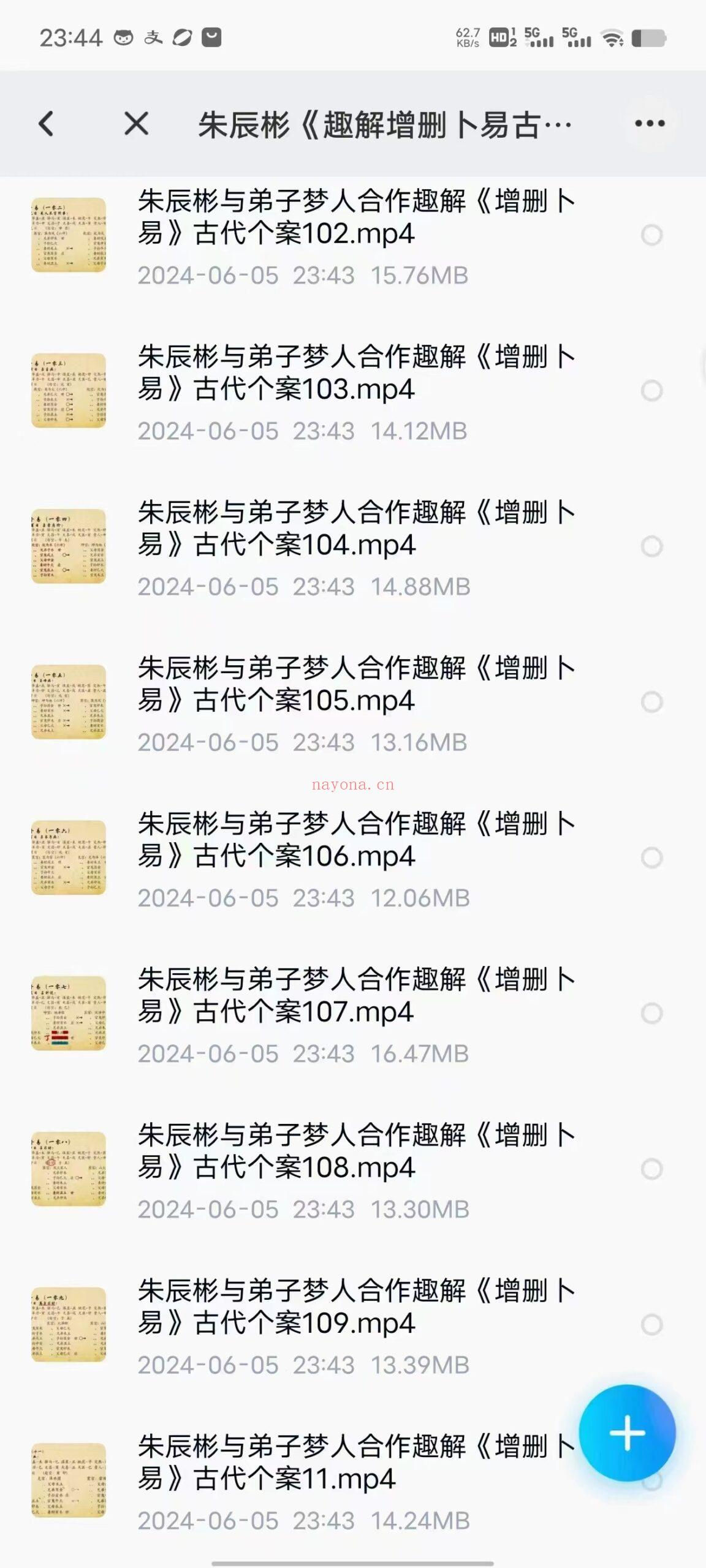
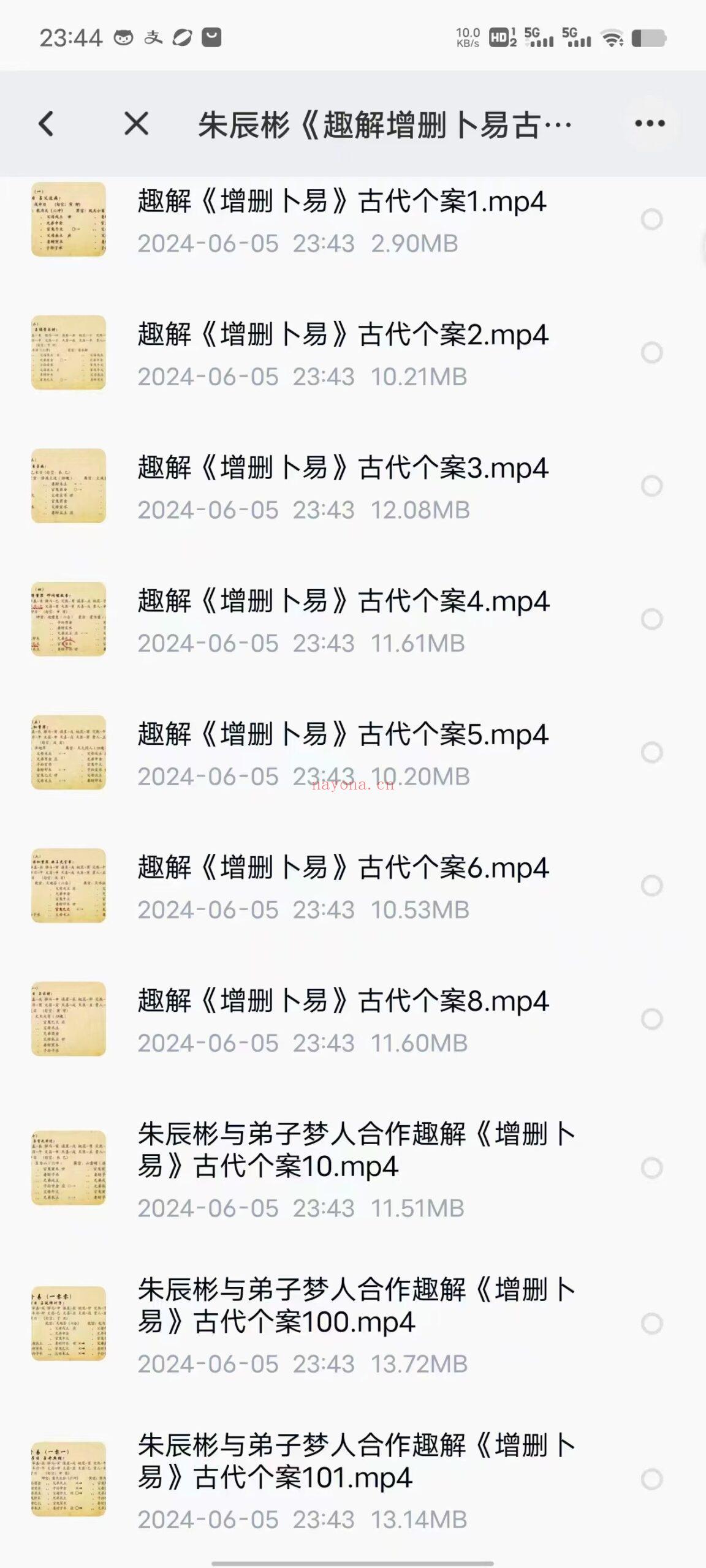
Original Course Preview Images
These images come from the original course listing and help show the supplied material.
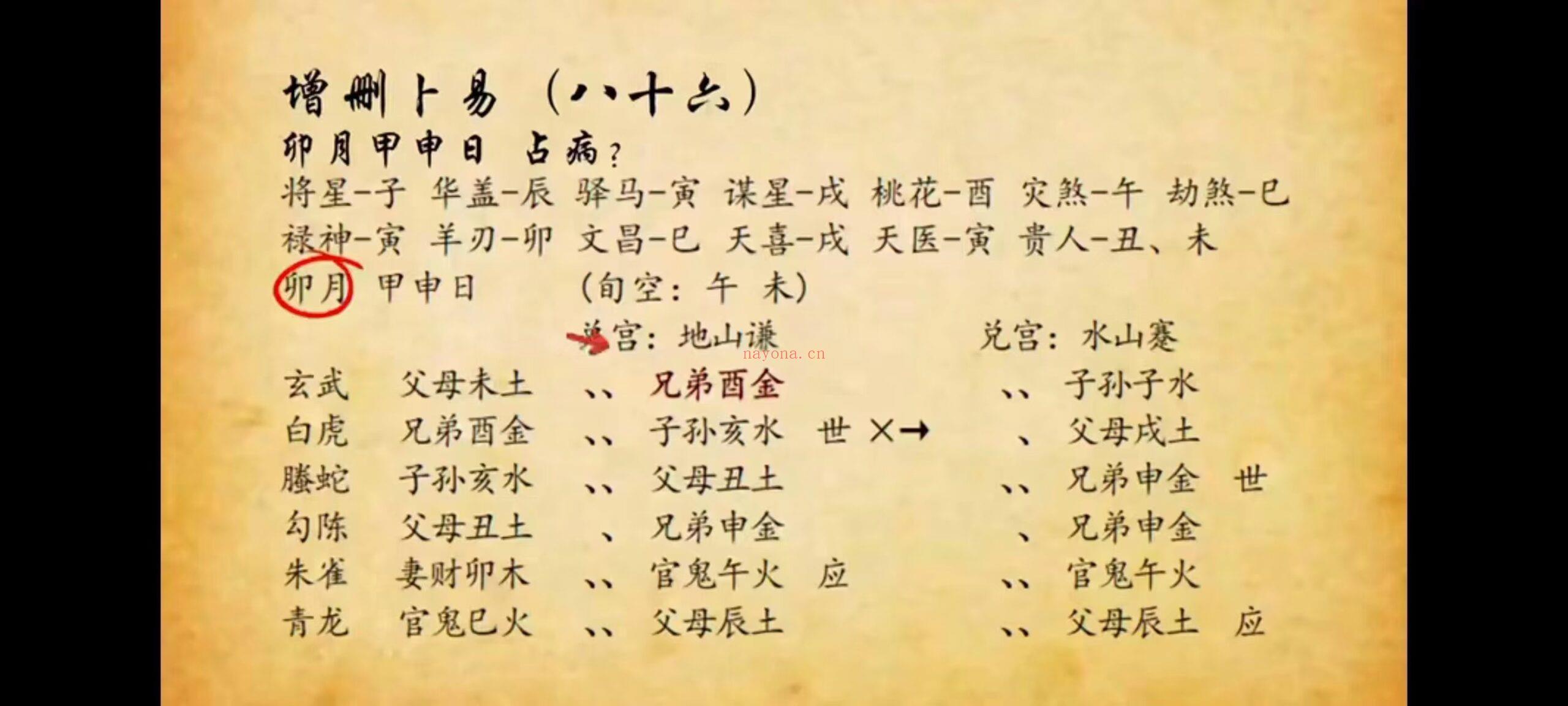
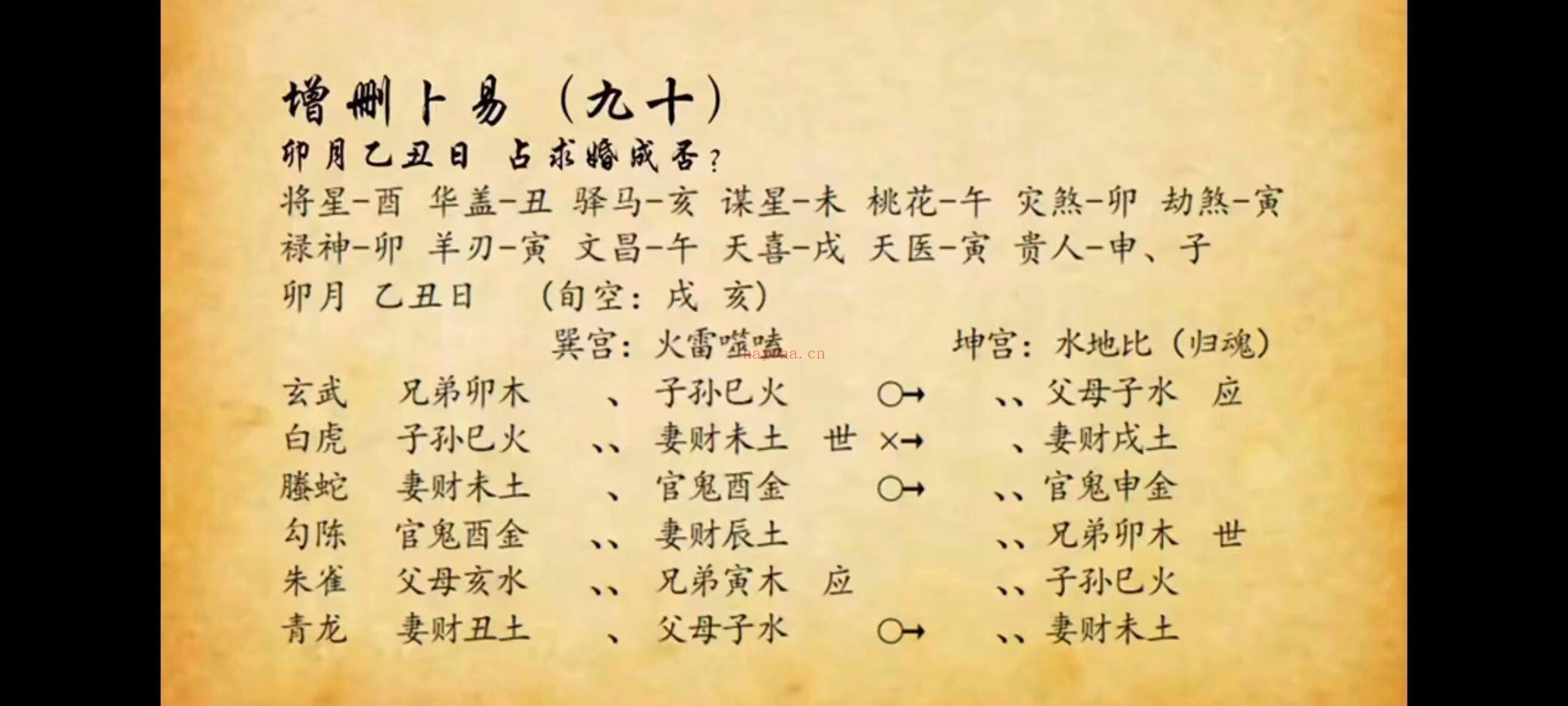
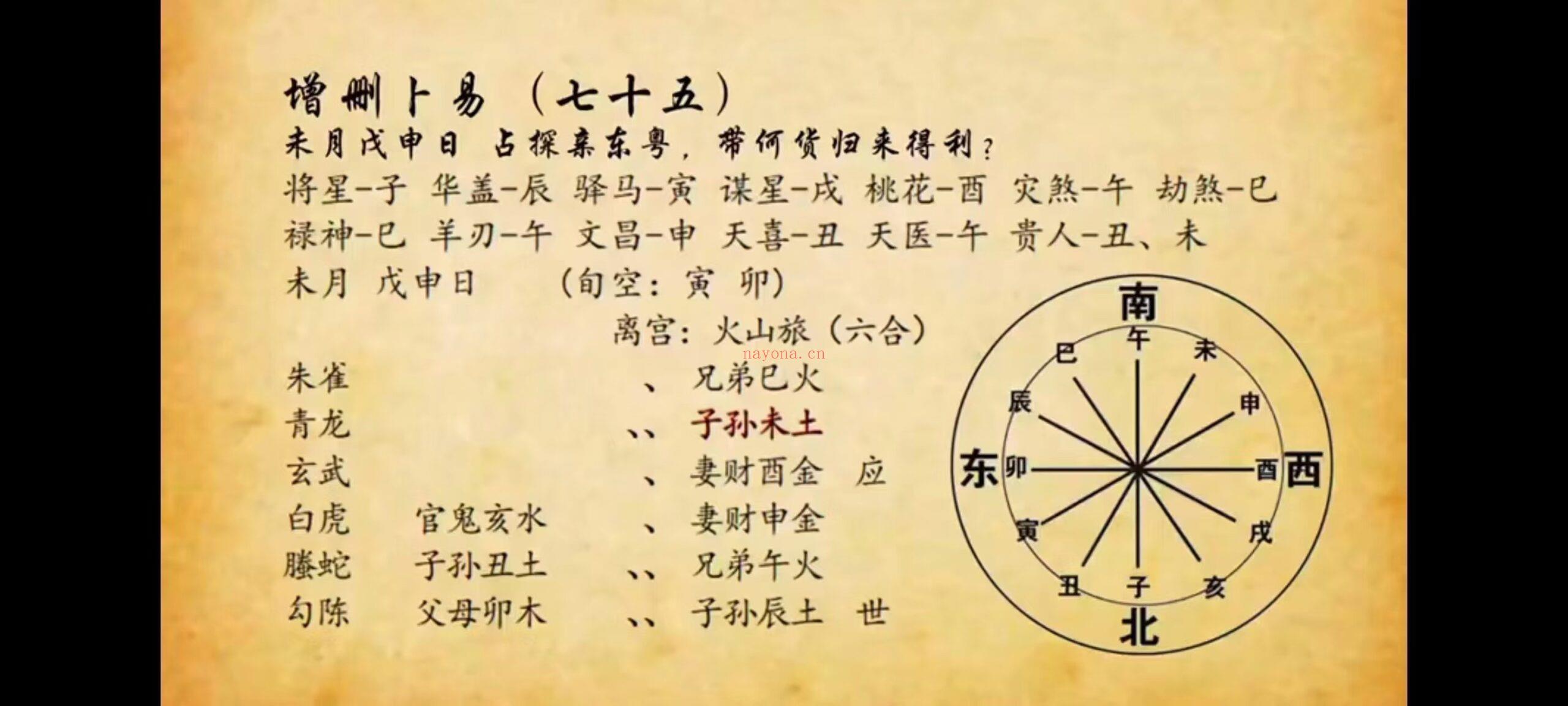

Who This Resource Is For
This resource is for learners of traditional Chinese metaphysics who want to study the named method and compare the recorded examples with the stated rules. Beginners should start with terminology and basic procedures before moving to advanced cases.
Study Approach
Follow the lessons in order, keep a glossary of Chinese terms, and document the steps used in every example. Distinguish a traditional interpretation from an evidence-based claim or a guaranteed personal outcome.
Digital Delivery
This product is virtual and downloadable. No physical shipment is required. Check the product and order details for the available delivery format.
Frequently Asked Questions
Is the material in English?
The product guide is in English. Original lessons and documents may be in Chinese.
Is this a physical product?
No. It is a digital study resource.
Does the method guarantee a result?
No. Traditional interpretations are presented for cultural and educational study, not as guaranteed predictions or professional advice.
Related Learning
Browse the Chinese Divination Case Study Courses collection and the full course library.
- I Ching Applied Practice: 80 Video Lessons
- Plum Blossom Numerology and Trigram Practice: 89 Lessons
- I Ching for Beginners: Casting and Reading Hexagrams
- The 64 Hexagrams Explained: Video and Study Guide
For course questions, contact Karma Kismet.
Reading Historical Six Yao Cases with Care
This 116-lesson series is described as a study of historical Six Yao cases associated with Zeng Shan Bu Yi. Its emphasis on cases makes it different from a course organized solely around definitions. Each example can be treated as a compact argument: a question was asked, a figure was recorded, certain rules or associations were selected, and an interpretation followed. Studying that chain can illuminate a traditional method even when the learner does not accept the interpretation as a reliable prediction. The most useful habit is to ask how a conclusion was reached, not merely whether it sounds plausible.
Establish the case before reading its solution
Historical cases often reach modern readers through selection, retelling, and commentary. Begin each lesson by separating what the case itself reports from what a later explainer adds. Record the questioner’s situation only to the level actually stated. Copy the hexagram and any line details exactly. Then note which pieces of background are absent. A missing date, ambiguous question, or compressed account may matter to the traditional analysis. Do not quietly supply a detail because it would make the example easier to interpret.
The source description presents the series as moving among introductory, foundational, and more advanced reasoning. That progression can be useful if each new term is tied back to a concrete example. Keep a case index with the lesson number, principal concept, figure, and one sentence describing the interpretive move. An index lets you revisit a rule across several examples instead of relying on a single memorable story. It also makes it easier to see when similar looking figures receive different readings because the question or chosen reference point differs.
Reconstruct the reasoning one step at a time
Pause before the explanation reaches its conclusion. Write down the chart features that seem relevant and the rule you think the lesson will use. Then continue and compare. If the instructor selects a different feature, ask why. Did the question define a different focus? Was a changing line treated as central? Was another relation prioritized? The goal is to understand the sequence of choices. Simply memorizing that a particular figure was read favorably in one story can lead to mistaken generalizations in another.
- State the historical question as narrowly as the account allows.
- Transcribe the original figure, changes, and chart labels shown.
- List every interpretive rule explicitly invoked in the lesson.
- Mark the exact step where the explanation moves from a rule to a case-specific claim.
- Write at least one alternative question or reading that the available facts leave open.
- Compare any reported outcome with the original interpretation, keeping later commentary separate.
This worksheet need not be elaborate. Its purpose is to make the analysis traceable. If you can explain each step to another reader without adding unstated facts, you have learned more from the case than you would from remembering its final sentence alone.
Compare cases across levels of difficulty
Begin with examples whose question and chart are relatively clear. Later, compare cases that involve more competing factors or a less direct connection between the question and the chosen symbol. Sort your notes by issue: chart construction, selecting a relevant line, interpreting movement, considering timing, or explaining a reported result. A topic-based review can reveal whether an apparent rule was applied consistently. If it was not, inspect the contextual difference before concluding that the cases contradict one another.
A large series offers repeated practice, but the number of lessons does not itself prove that the method works. Case collections may favor examples that are memorable or that the commentator considers instructive. A reported outcome may also be abbreviated. Read with appreciation for the historical reasoning and with the same questions you would ask of any retrospective example: what was known beforehand, what was recorded afterward, and what other readings were possible? These questions protect the quality of study without dismissing the tradition.
Situate Zeng Shan Bu Yi as a study context
The title and description connect the lessons to historical material from Zeng Shan Bu Yi. Treat that connection as a guide to what is being interpreted, while checking the actual lesson when you need the wording of a particular case. A modern explanation can clarify old terminology, but it can also introduce a later interpretation. Label quotations, paraphrases, and your own notes separately. If you compare another edition or translation, note its source and any difference in the case description. Small wording changes can alter what the question appears to ask.
The learner does not need to settle every textual question at once. A simple record of uncertainty is enough: which detail is unclear, where it appears, and how much the interpretation depends on it. Returning to such notes after several lessons can reveal a pattern in the teacher’s approach. It can also show which parts of your understanding have become firmer and which still rely on a gloss that you have not verified.
Who may find case-centered study useful
This series may suit learners who already know the basic structure of a Six Yao chart and want sustained practice following worked interpretations. A beginner can still use it, but should keep a separate reference for line order, chart labels, and recurring terms. Readers interested in the history of Chinese divination may focus on how questions and explanations are framed, without performing personal readings. The case format rewards patience: several short, carefully reconstructed examples can teach more than quickly passing through a much larger number.
Responsible boundaries
Some traditional examples concern health, livelihoods, family relationships, or disputes. Their presence in a historical collection does not make a reading suitable guidance for such matters today. A case may illustrate a symbolic system while leaving out facts needed for a responsible decision. For current medical, financial, legal, or safety questions, rely on relevant evidence and qualified people. If discussing a case with others, describe the interpretation as the commentator’s reasoning within a tradition, not as an established fact about the people involved.
Questions about the 116 case lessons
Do I need to finish a separate theory course first? Prior familiarity with six-line figures and basic chart labels will help. If those are new, use the early lessons and a reference sheet to build the necessary vocabulary before expecting to follow complex cases.
How can I tell whether I understood a case? Try to reconstruct its reasoning before hearing the final explanation. You should be able to name the facts supplied, the chart features selected, and the rule connecting those features to the proposed reading.
What if two historical cases appear to support different rules? Compare the original questions, chart conditions, and wording of the explanations. Record the tension if it remains; do not erase it with an invented distinction.
Are reported successes proof of predictive accuracy? No. Individual retrospective examples do not establish a method’s reliability. They can still be valuable for understanding how an interpretive tradition explains its own practice.