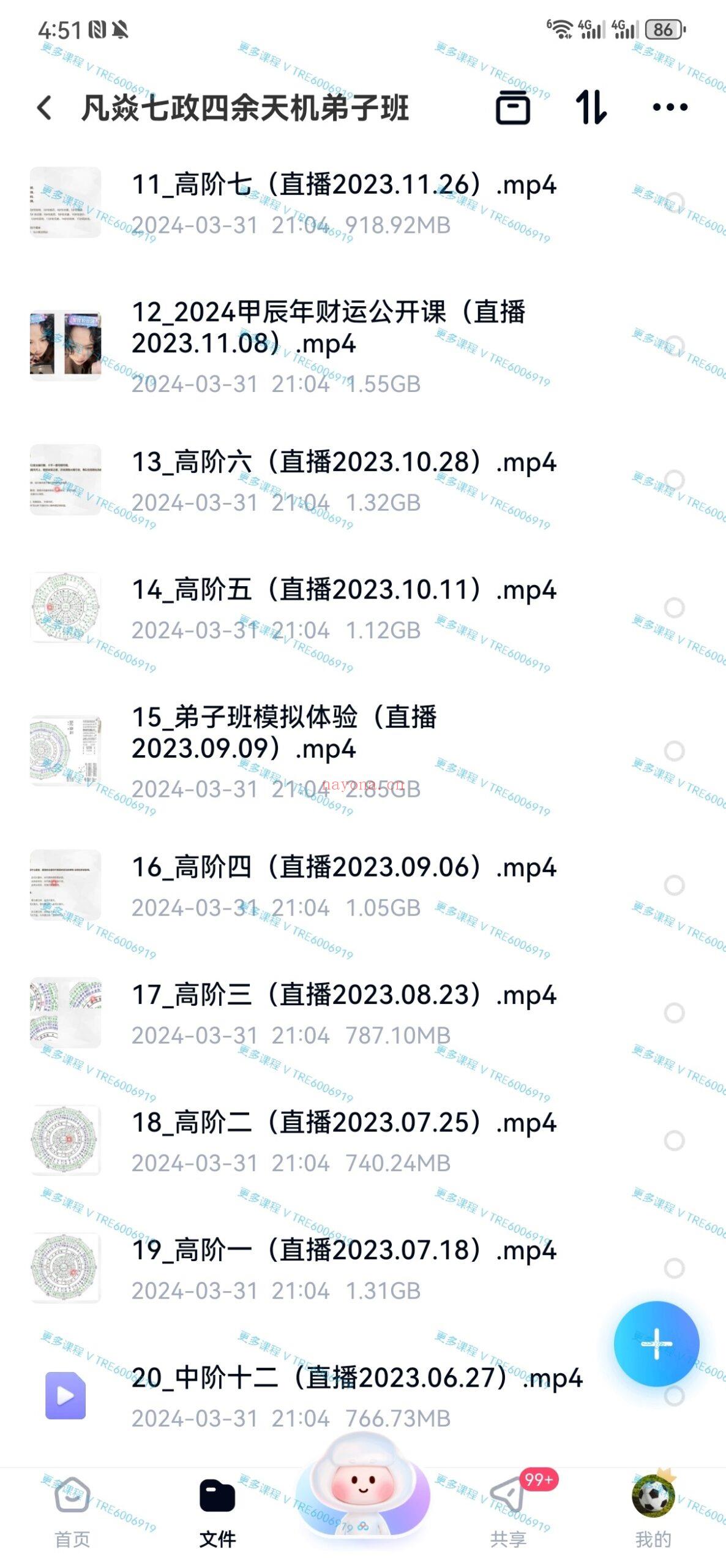
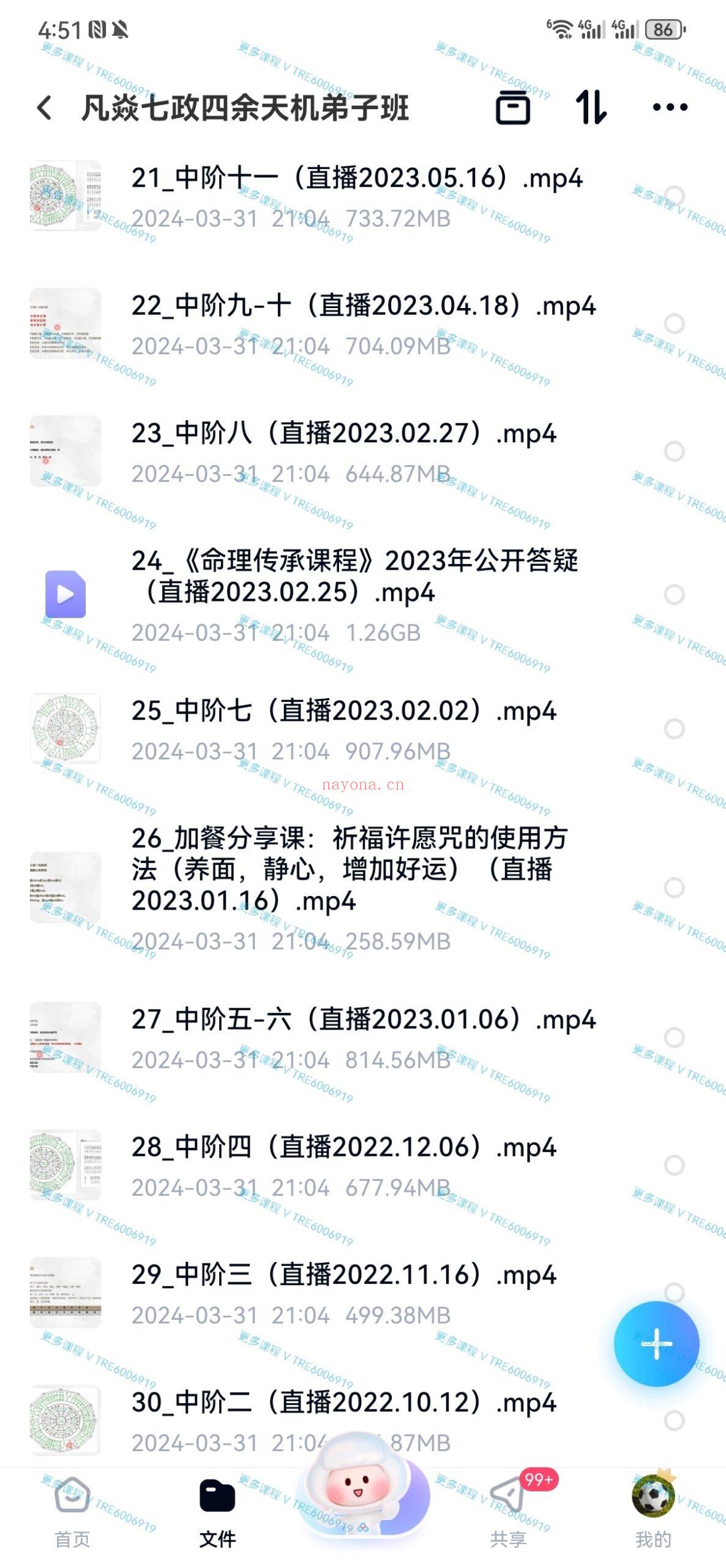
A 52-lesson Qi Zheng Si Yu traditional astrology course by Fanyan, described as covering beginning, intermediate and advanced study.
Course at a Glance
This digital learning resource presents the course named above. Its original lessons and study materials are in Chinese; this English page helps readers understand the subject and listed scope before choosing to study it. No physical item is shipped.
What the Course Covers
- Traditional Chinese planetary astrology basics
- Moving from introductory to intermediate chart work
- Advanced topics described in the course overview
How to Study This Material
Begin with the terminology, then follow the source lesson sequence and compare each worked example with the method being taught. Keep a record of the symbols, assumptions and steps used in each interpretation. Traditional divination is presented here as a cultural study method, not as a guaranteed prediction or substitute for professional advice.
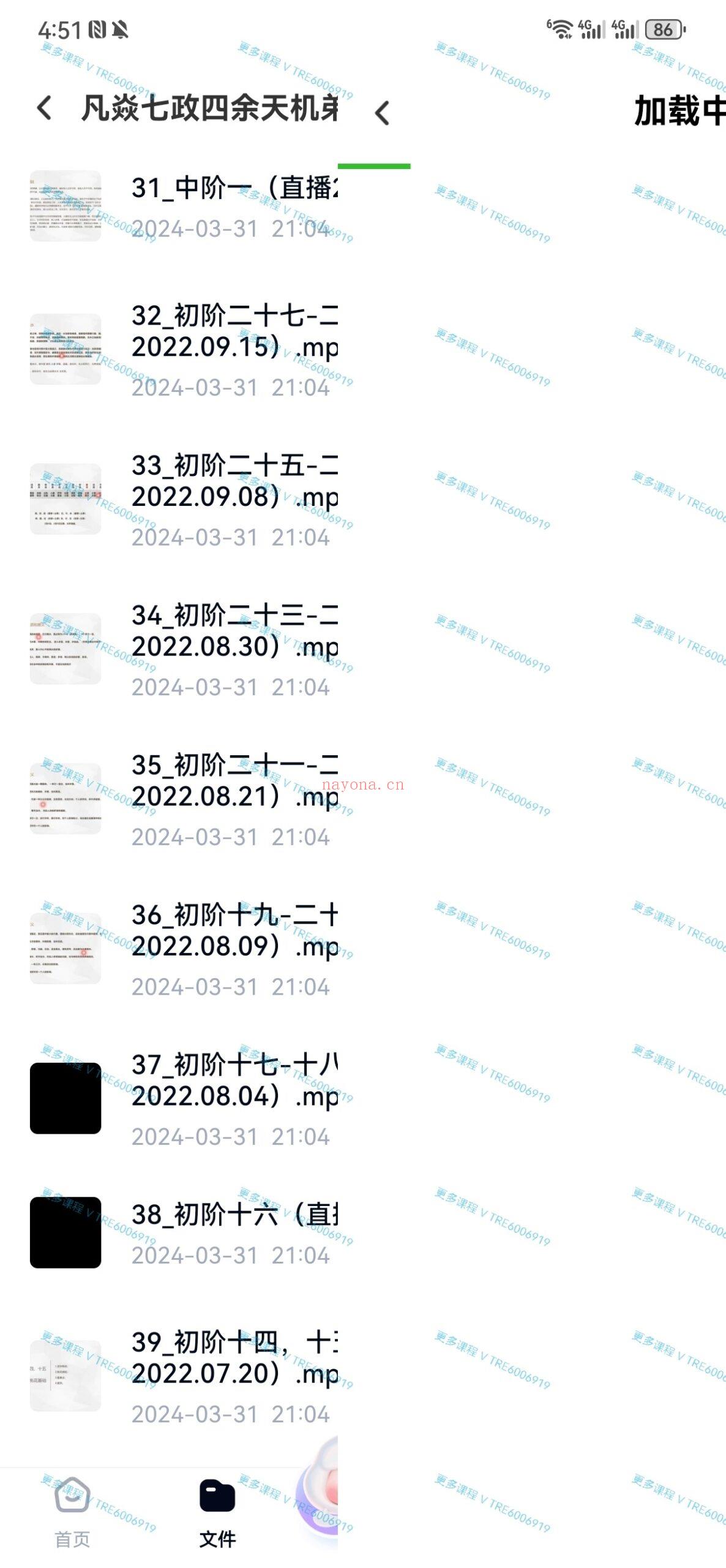
Original Course Preview Images
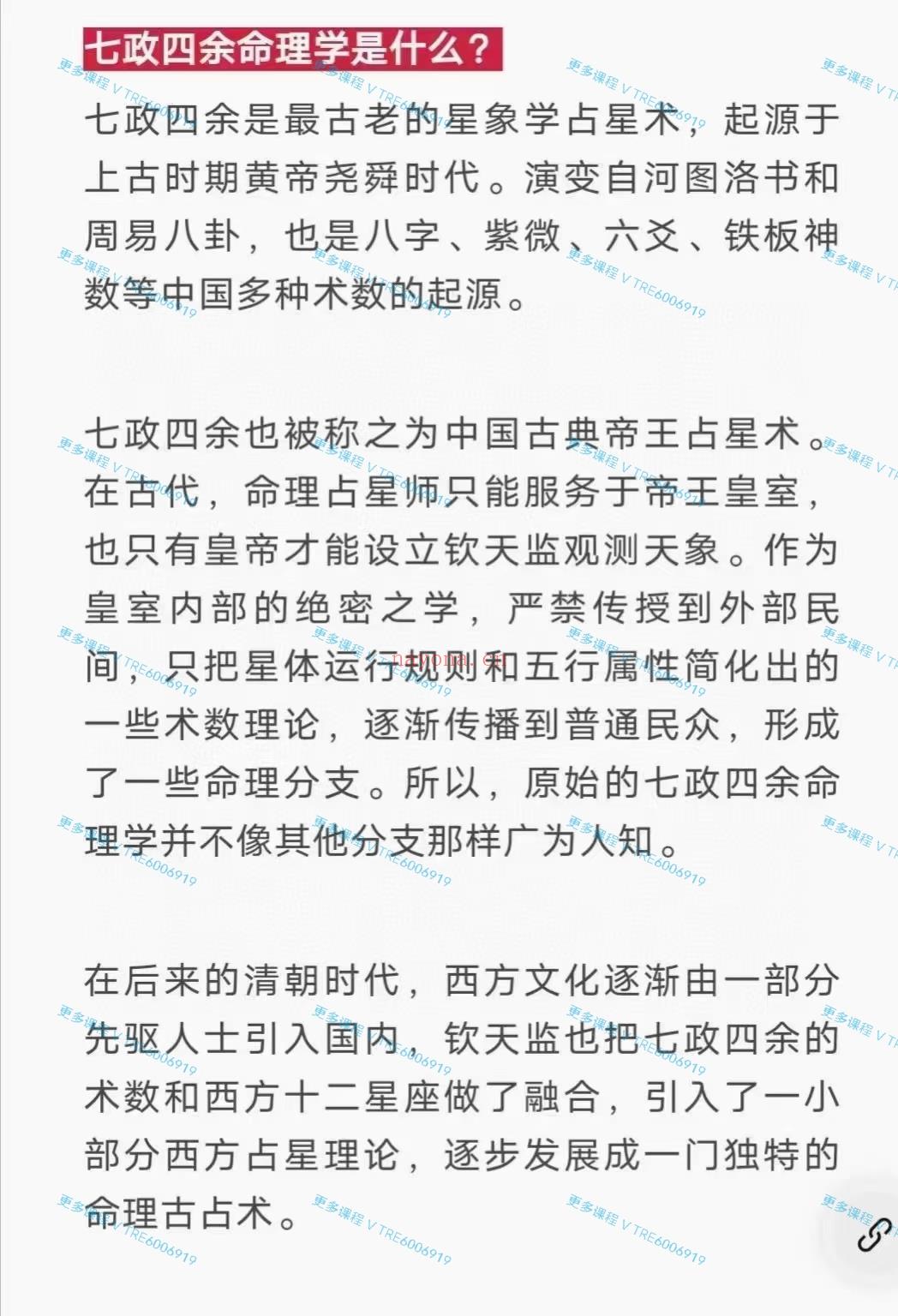
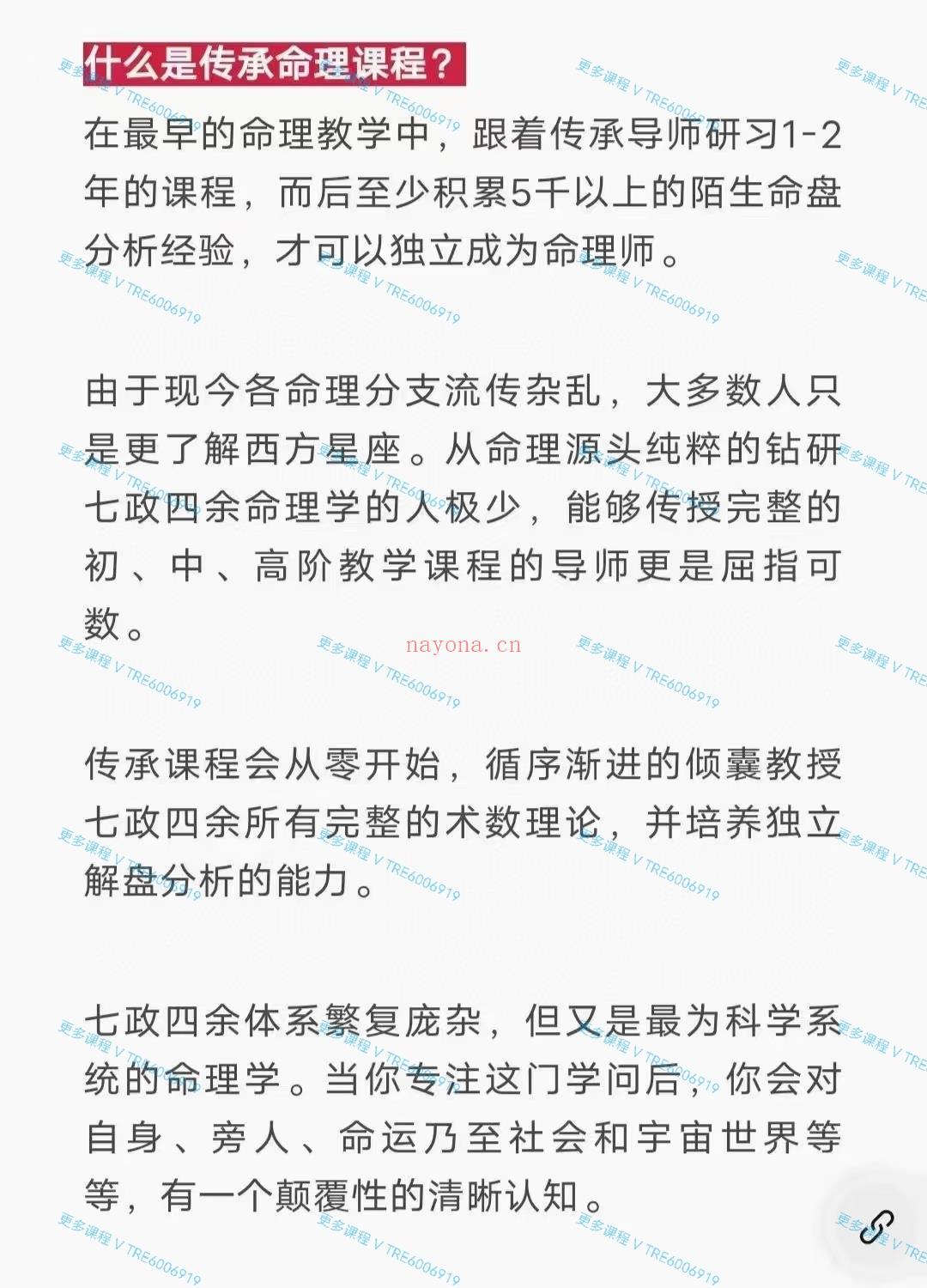
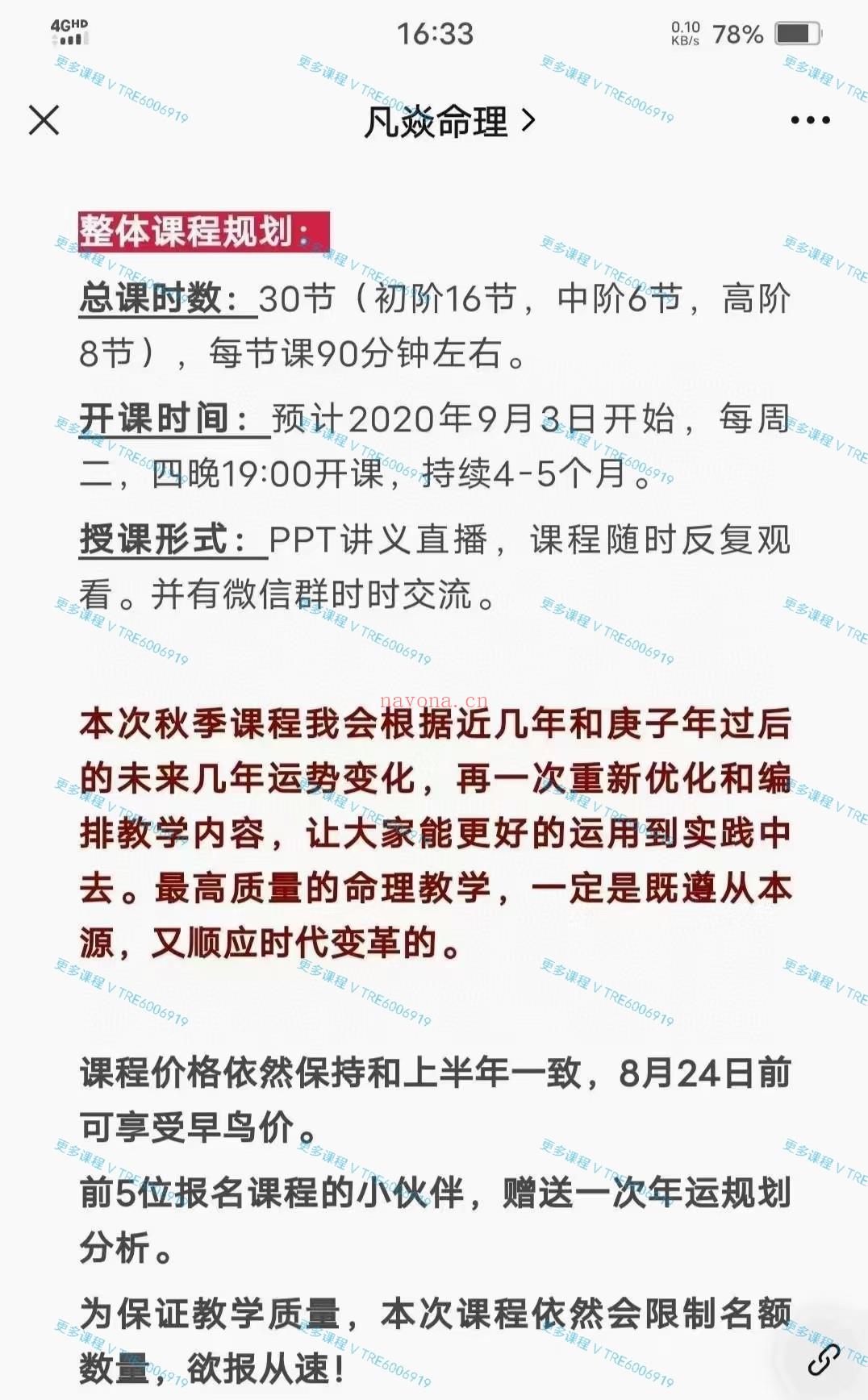
The following images are retained from the original course listing.
Before You Buy
This is a virtual learning product. The page describes the course or reference material; the original video or PDF content is not translated into English. Review the lesson count and format in the title and description. Digital delivery details are provided with your order; no physical shipment is included.
Related Learning
Explore the Qi Zheng Si Yu Courses collection, all I Ching and divination resources, or contact Karma Kismet with course questions.
Related Courses
- Qi Zheng Si Yu Chinese Astrology: 59 Video Lessons
- Li Peiyun Yi Zhang Jing Training: 47 Lessons Plus 12 Advanced Sessions
- Jiang Zhiyuan Jin Kou Jue Accelerated Course Collection
Reading the Structure of a Qi Zheng Si Yu Course
Fanyan’s 52-lesson course is described as moving through beginning, intermediate, and advanced study of Qi Zheng Si Yu, a Chinese astrological tradition. The listed outline starts with chart structure and placement, then introduces symbolic relationships, and later turns to techniques used in interpretation. That progression matters: an advanced example can sound persuasive while leaving a newcomer unable to explain the chart on which it depends. Reading the course as a sequence of questions about method can help keep its many terms connected.
Begin with the chart as a map of conventions
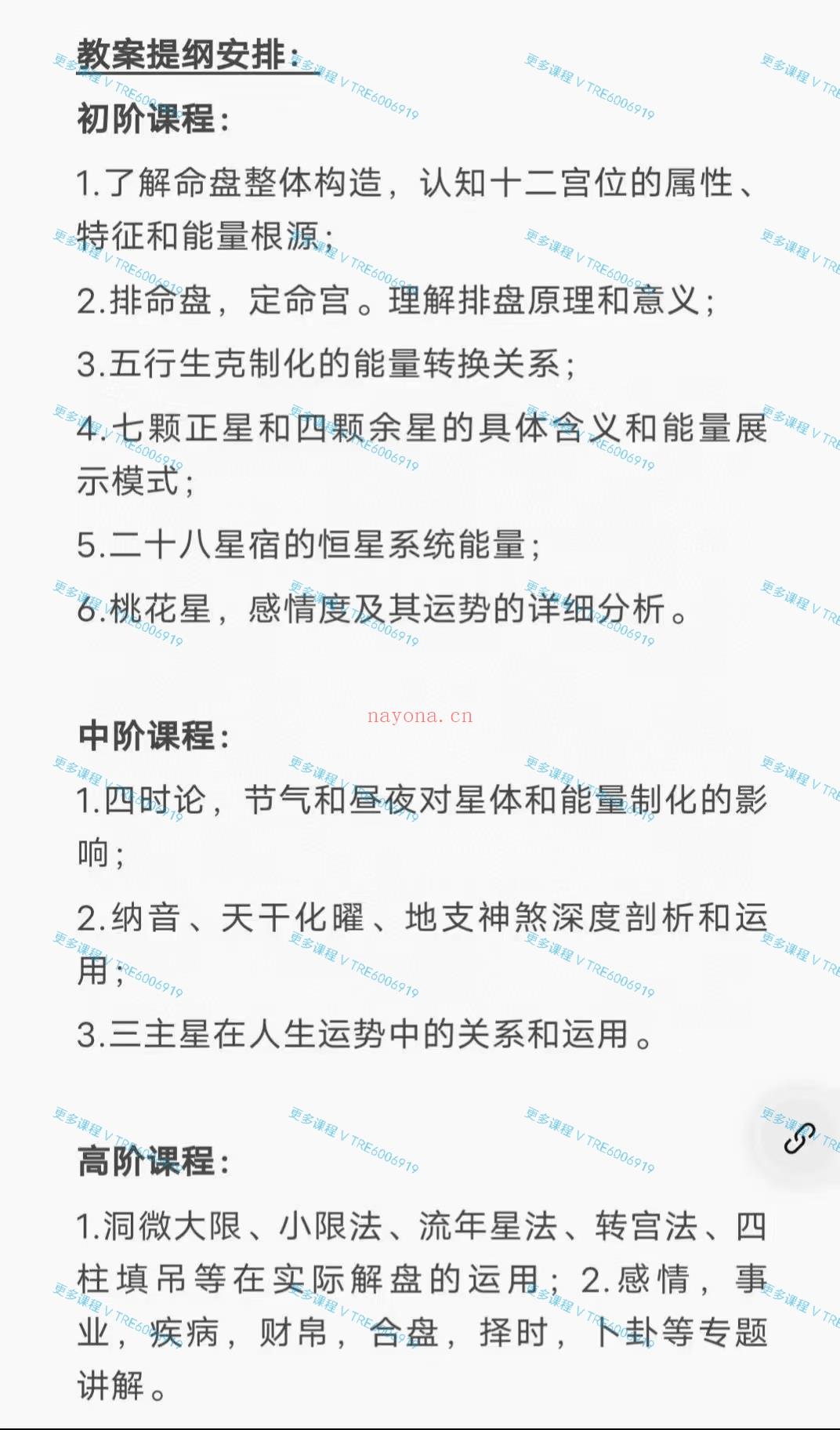
The introductory outline names the twelve houses, setting up a chart, locating the life palace, five-phase relationships, seven principal celestial bodies, four additional bodies, and the twenty-eight lunar mansions. Each is part of the vocabulary used in this tradition. Start by asking what each item represents within the system and how it is located or assigned in a lesson. A chart is a structured symbolic map; its labels should not be confused with direct measurements of character, health, or future events.
For each demonstration, record the information the instructor begins with and the steps used to build the chart. Keep a separate note for meanings assigned after the chart is set. This helps distinguish an error in transcription or placement from disagreement about interpretation. If a chart-making step is unclear, it is worth resolving before reading the later judgment. Otherwise, a learner may memorize an explanation without knowing whether the underlying arrangement has been reproduced correctly.
Connect the middle stage to the foundation
The intermediate outline refers to seasons, solar terms, day and night, Na Yin, transformations of heavenly stems, earthly-branch markers, and the relationships among three principal points. These are not simply extra labels to memorize. They change the context in which a chart feature is discussed. A productive study question is: which earlier rule is being modified by this new context, and where does the instructor show that modification in an example?
Make a comparison sheet with one row in your personal notes for each example, but keep the published material itself in its original form. Record the base chart feature, the intermediate factor introduced, and the resulting change in interpretation. If two lessons use the same term differently, quote only a short phrase in your private notes and check the surrounding explanation. This is a study exercise, not a claim that the system gives verifiable personal forecasts.
Approach advanced techniques one at a time
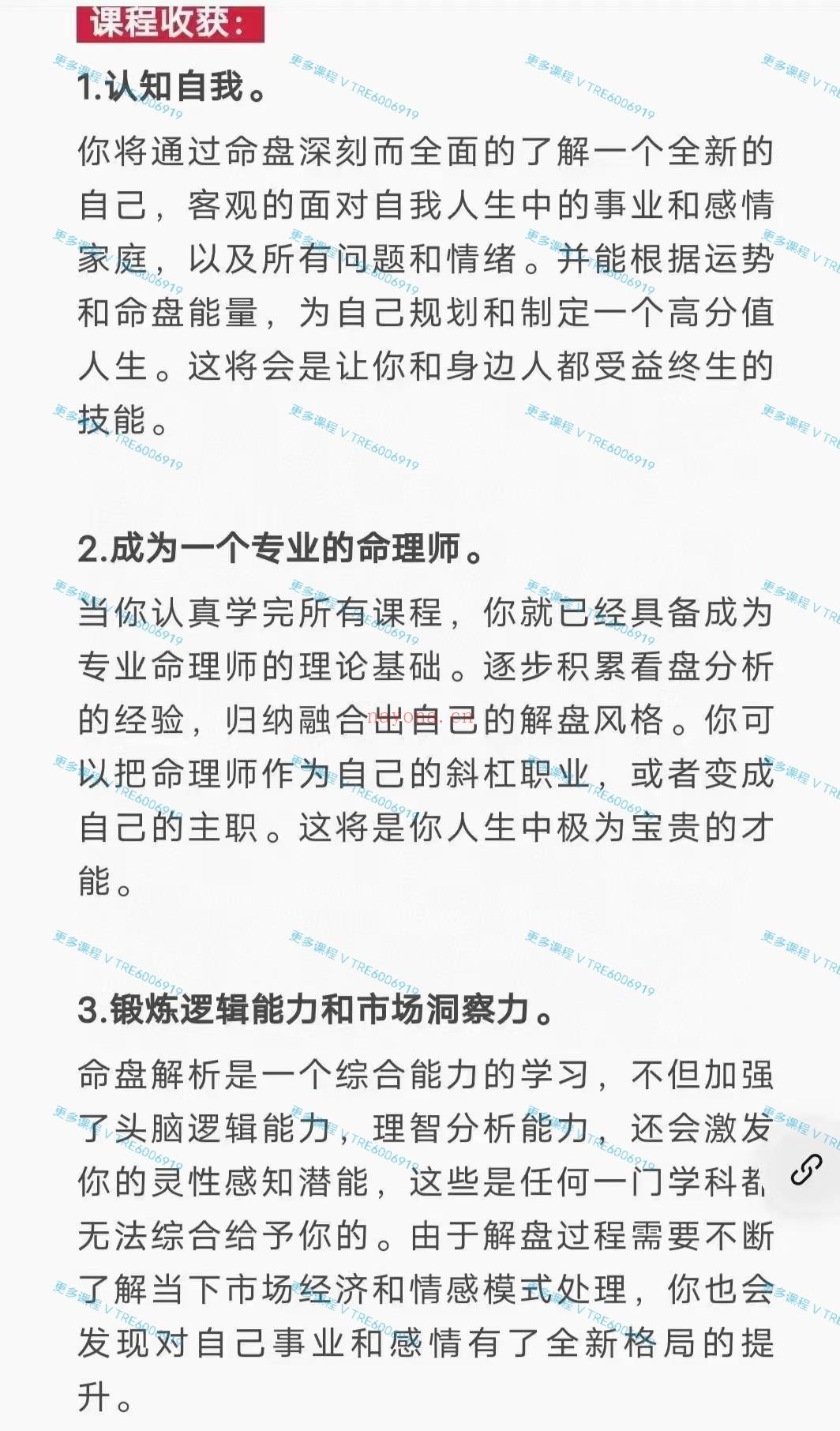
The source outline names several advanced interpretive techniques, including larger and smaller periods, annual methods, shifting houses, and combinations involving the four pillars. It also lists applied topics such as relationships, career, health, money, children, and comparing charts. The names show the breadth of the advertised outline, but they do not establish that every topic receives the same depth or that any conclusion is dependable for real decisions.
Choose one advanced method and trace it through a single example. Identify the chart feature it acts upon, the rule used to change the reading, and the final interpretive statement. Then return to the earlier lesson that introduced the feature. This back-and-forth method is often more effective than watching all advanced lessons in order while accepting each conclusion at face value. Keep a margin note whenever an advanced reading depends on a step you cannot yet reconstruct.
A focused plan for 52 lessons
-
Map the three stated levels and the concepts named under each. Treat this as a navigation aid, not a promise that every named concept has a dedicated lesson.
-
During the beginning stage, practice identifying chart components and define new terms in the words used by the lesson.
-
At the intermediate stage, compare two explanations that introduce different contextual factors. Note which part of the original chart remains fixed.
-
For the advanced stage, reconstruct one worked interpretation from its starting information to its conclusion.
-
After several lessons, make a list of unresolved questions and return only to the passages needed to answer them.
Because the source material is in Chinese, translation of a technical term may be imperfect or inconsistent across English references. Preserve the original term in your notes when possible and write an English explanation beside it. This is especially helpful when a familiar English word such as house, palace, star, or period carries a specialized meaning in the course. A glossary built from the actual lessons is more reliable for this collection than assuming that similar words in other astrological traditions mean exactly the same thing.
Interpretation, cultural study, and real-life judgment
Qi Zheng Si Yu can be studied as a tradition of chart construction and symbolic interpretation. One can compare rules, investigate how the outline groups concepts, and examine why an instructor selects one feature over another. That is different from establishing facts about a person. A chart reading should not be used to diagnose an illness, choose treatment, make a financial commitment, or decide a legal matter. Topics of career and relationships also deserve direct information, discussion with those involved, and attention to changing circumstances.
The title’s word inheritance may suggest transmission of a tradition, but it does not by itself establish a lineage, credential, or certification. Likewise, a sequence labeled beginning through advanced describes the course outline; it does not guarantee that a viewer will reach an advanced level. The strongest study outcome is a clearer ability to describe the method and its uncertainty.
Questions About Fanyan’s Qi Zheng Si Yu Lessons
Where should a newcomer begin?
Begin with chart construction and the meanings assigned to its basic components. Write down how the life palace is located in the demonstration and how the named bodies and houses are introduced. Later timing techniques will be difficult to assess without that foundation.
Are the seven principal bodies and four additional bodies the whole course?
They are among the concepts named in the introductory outline. The listing also describes seasonal context, other symbolic relationships, timing methods, and applied examples. Follow the lesson sequence to see how those parts relate rather than treating one group of symbols as the complete method.
Can the health or money examples guide a personal decision?
They can illustrate how this tradition frames a question, but they cannot replace medical care, financial information, or other relevant expertise. Study the example’s reasoning and limits. Make consequential decisions using suitable evidence and advice.
How can I tell whether I understand an advanced example?
Try to reproduce the starting chart, name the specific advanced technique being used, and explain each link between observation and conclusion. If a link is missing from your account, return to the related earlier lesson. Being able to state uncertainty clearly is part of understanding the example.