A collection of Jin Kou Jue training videos attributed to Jiang Zhiyuan, including an accelerated class and examples of rapid traditional judgments.
Course at a Glance
This digital learning resource presents the course named above. Its original lessons and study materials are in Chinese; this English page helps readers understand the subject and listed scope before choosing to study it. No physical item is shipped.
What the Course Covers
- Jin Kou Jue basic procedure and terminology
- Working through the accelerated class sequence
- Comparing several stated quick-judgment methods
How to Study This Material
Begin with the terminology, then follow the source lesson sequence and compare each worked example with the method being taught. Keep a record of the symbols, assumptions and steps used in each interpretation. Traditional divination is presented here as a cultural study method, not as a guaranteed prediction or substitute for professional advice.
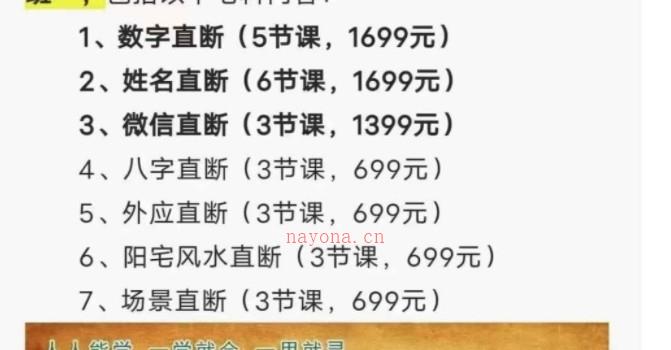
Original Course Preview Images
The following images are retained from the original course listing.

Before You Buy
This is a virtual learning product. The page describes the course or reference material; the original video or PDF content is not translated into English. Review the lesson count and format in the title and description. Digital delivery details are provided with your order; no physical shipment is included.
Related Learning
Explore the Jin Kou Jue Courses collection, all I Ching and divination resources, or contact Karma Kismet with course questions.
Related Courses
- Jin Kou Jue Advanced Workshop: 110 Recordings
- Fanyan Qi Zheng Si Yu Inheritance Course: 52 Lessons
- Li Pinxian Da Liu Ren from Foundations to Practice: 54 Lessons
Understanding an Accelerated Collection of Jin Kou Jue Judgments
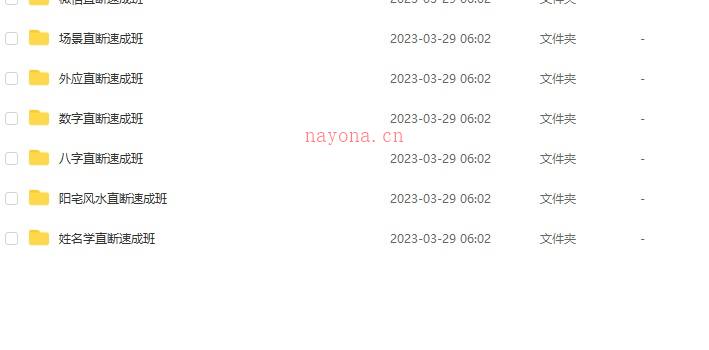
This Jiang Zhiyuan collection brings together videos described as an accelerated class in Jin Kou Jue and related forms of rapid traditional judgment. The source listing identifies groups concerned with numbers, names, WeChat messages, Ba Zi, external responses, residential surroundings, and scenes. Those group names are useful guides to the collection’s range. They should not be mistaken for evidence that a brief observation can establish a person’s circumstances or predict an outcome. The most productive approach is to examine how a judgment is built and to keep the original context attached to it.
Why the word accelerated needs care
An accelerated format compresses the route through examples. It may make a method easier to survey, yet speed can also hide assumptions. When an instructor moves quickly from a number or name to an interpretation, pause and ask what was observed, which convention linked that observation to a meaning, and what other readings might have been possible. A quick conclusion is not necessarily a simple one. Understanding it may require more time than the video takes to present it.
The source describes this as a collection with seven subject groups. It also refers to a 32-video class, while the displayed file list contains subdivisions and some split lessons. Treat those labels as descriptions of the listed material rather than a reason to infer that every subject receives an equal number of complete, independent lessons. The title does not promise a particular mastery level. It signals a focus on short-form judgment examples attributed to Jiang Zhiyuan.
Compare the inputs before comparing the conclusions
The named groups differ in what they take as an input. A number, a written name, a message, an observed event, and a surrounding scene are not interchangeable forms of evidence. In traditional interpretive practice, each may be associated with its own selection rules and symbolic links. Make a separate page in your notes for each group. Record exactly what the instructor selects from the input before recording the stated meaning. This prevents a memorable conclusion from obscuring a basic question: what, precisely, was being interpreted?
In the number and name groups, notice whether the interpretation depends on the full input or a selected part. If a name is discussed, distinguish its written characters, pronunciation, and any contextual associations. In the message and scene groups, note what the instructor treats as relevant and what is ignored. For an external-response example, record when the observation occurred relative to the question. These are questions for studying the demonstrations; they do not imply that the input can reveal private facts about a person.
A study method for several short subject groups
-
Survey the group titles first. Write a one-sentence description of the input used in each group without making a prediction.
-
Watch one example at normal pace and list every step you can hear or see. Mark any step that is implied but not explained.
-
Replay the example and separate a named rule from the instructor’s own choice of emphasis.
-
Compare a second example within the same group. Identify a feature that stayed constant and one that changed.
-
Only then compare across groups. Ask whether similar language is being used in the same way when the input changes from a number to a scene or message.
Keep a small record of counterexamples and ambiguities as well. If a feature could support several meanings, write those possibilities down before looking at the instructor’s conclusion. This does not require rejecting the tradition; it helps you understand how an interpretation is selected. A learner who records only the final answer may miss the most interesting part of the method.
Jin Kou Jue and the other named approaches
The category places the resource among Jin Kou Jue courses, while the source list also names Ba Zi and several rapid-judgment themes. That mix is a reason to read the individual lesson labels carefully. Do not assume that every example uses the same setup or that every rule in one group transfers to another. If a Ba Zi example introduces a different set of terms, keep those terms in its own glossary. Likewise, a residential example may reflect a traditional interpretation of space, but it should not become a substitute for inspection, safety advice, or factual assessment of a home.
For a reader already familiar with a Jin Kou Jue procedure, the collection may be useful as a comparison of styles: what is abbreviated, what is explained, and where the instructor moves from a formal step to an intuitive judgment. For a newcomer, the pace may call for repeated viewing and supplementary study of basic terminology. The source description says the material can be approached without prior Jin Kou Jue knowledge; that is a description of accessibility, not a guarantee that every viewer will find the procedures clear on a first pass.
Responsible boundaries for personal examples
Names, messages, and observed scenes can involve real people. If you practice taking notes outside the supplied examples, use your own material or obtain permission before discussing someone else’s private information. Avoid presenting a traditional reading as a factual claim about another person’s intentions, health, relationships, or prospects. A judgment made from a WeChat message cannot establish what its sender thinks. Direct conversation is a better way to clarify meaning.
Some named groups can touch money, housing, or personal decisions. Use the lessons to study an interpretive system, not to choose an investment, diagnose a building problem, or settle a dispute. The practical value of the collection for a careful learner lies in understanding the structure and limits of its claims. Recording uncertainty is part of that work.
Questions About the Jiang Zhiyuan Collection
Is every video a Jin Kou Jue lesson in the same format?
The listing describes an accelerated collection and names several subject groups, including Ba Zi and external-response examples. Check the label of the lesson you are viewing and identify its own input and procedure. The category identifies the broad course area, but it does not make all demonstrations methodologically identical.
What should I do when a judgment seems instantaneous?
Pause at the observation. Write down what was available before the judgment and which rule is explicitly stated. If a crucial link is unstated, mark it as a question rather than filling it in from guesswork. Compare another example in the same group to see whether the link appears again.
Can the name or message examples tell me facts about another person?
No reliable personal conclusion follows merely from such an example. Study how the traditional association is made, but use direct evidence and respectful communication for real questions about people. Keep private messages private unless you have permission to share them.
Who is most likely to benefit from the accelerated format?
A learner who enjoys comparing several kinds of demonstrations may find the collection engaging. Someone seeking a slow introduction may need to pause often and build a glossary. The best measure of usefulness is whether you can explain the steps in a specific example, including the points where interpretation remains open.