An online Yi Zhang Jing training collection attributed to Li Peiyun, listing 47 main videos and 12 advanced class sessions.
Course at a Glance
This digital learning resource presents the course named above. Its original lessons and study materials are in Chinese; this English page helps readers understand the subject and listed scope before choosing to study it. No physical item is shipped.
What the Course Covers
- Introductory examples and basic symbolism
- Yin-yang, the five elements and Eight Trigrams
- Advanced practice sessions and worked examples
How to Study This Material
Begin with the terminology, then follow the source lesson sequence and compare each worked example with the method being taught. Keep a record of the symbols, assumptions and steps used in each interpretation. Traditional divination is presented here as a cultural study method, not as a guaranteed prediction or substitute for professional advice.
Original Course Preview Images
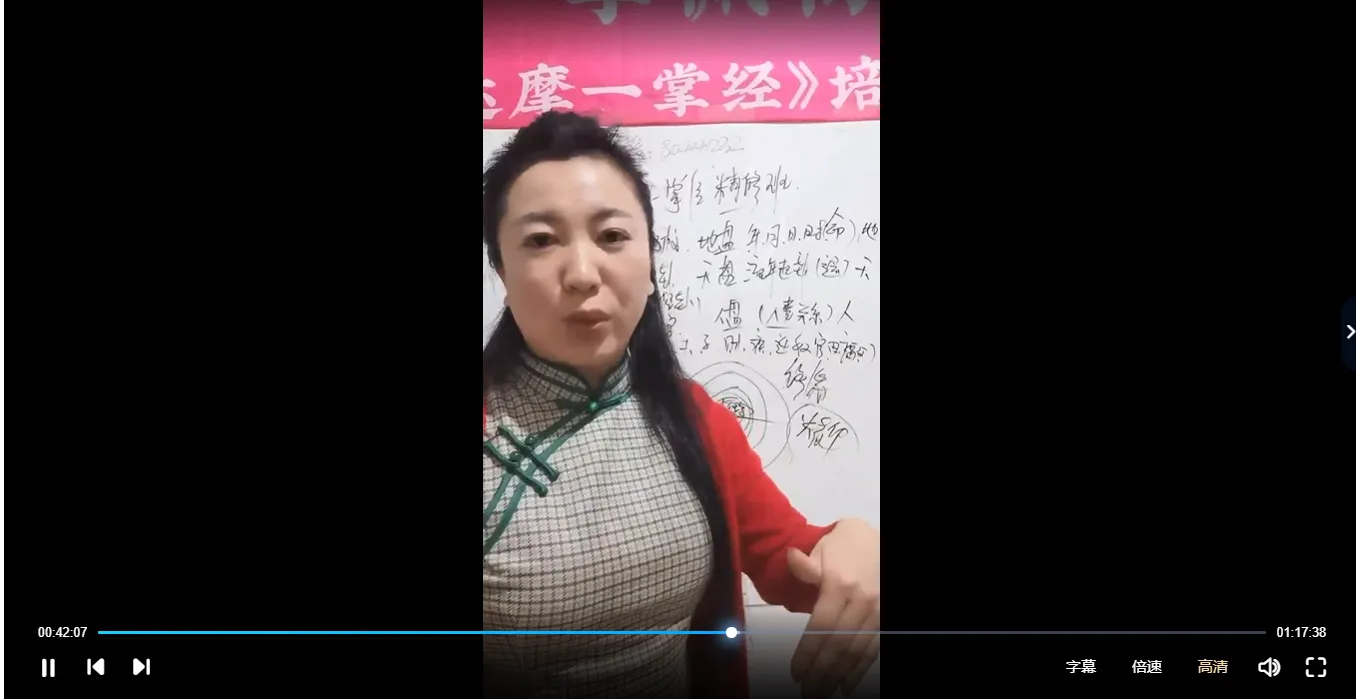
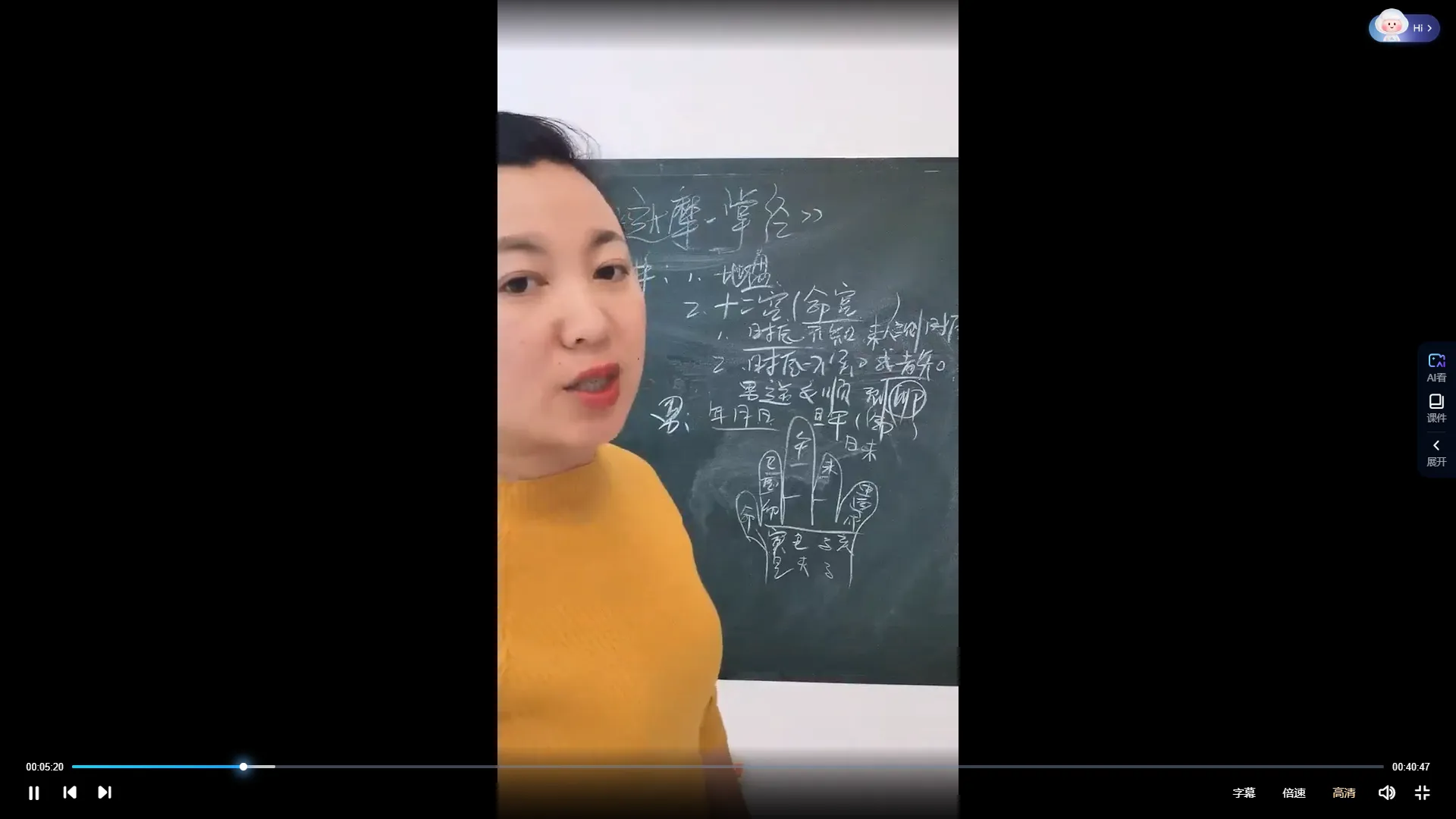
The following images are retained from the original course listing.
Before You Buy
This is a virtual learning product. The page describes the course or reference material; the original video or PDF content is not translated into English. Review the lesson count and format in the title and description. Digital delivery details are provided with your order; no physical shipment is included.
Related Learning
Explore the Yi Zhang Jing collection, all I Ching and divination resources, or contact Karma Kismet with course questions.
Related Courses
- Yi Zhang Jing Palm Calculation: 21 Video Lessons
- Fuchenzi Chinese Character Divination Secrets: Five Video Lessons
- Fanyan Qi Zheng Si Yu Inheritance Course: 52 Lessons
Studying the Main and Advanced Yi Zhang Jing Sessions
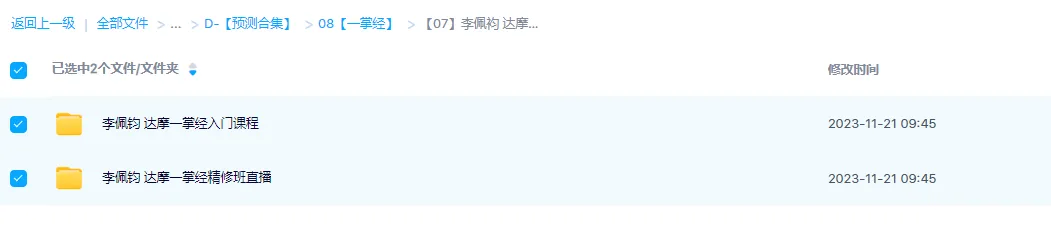
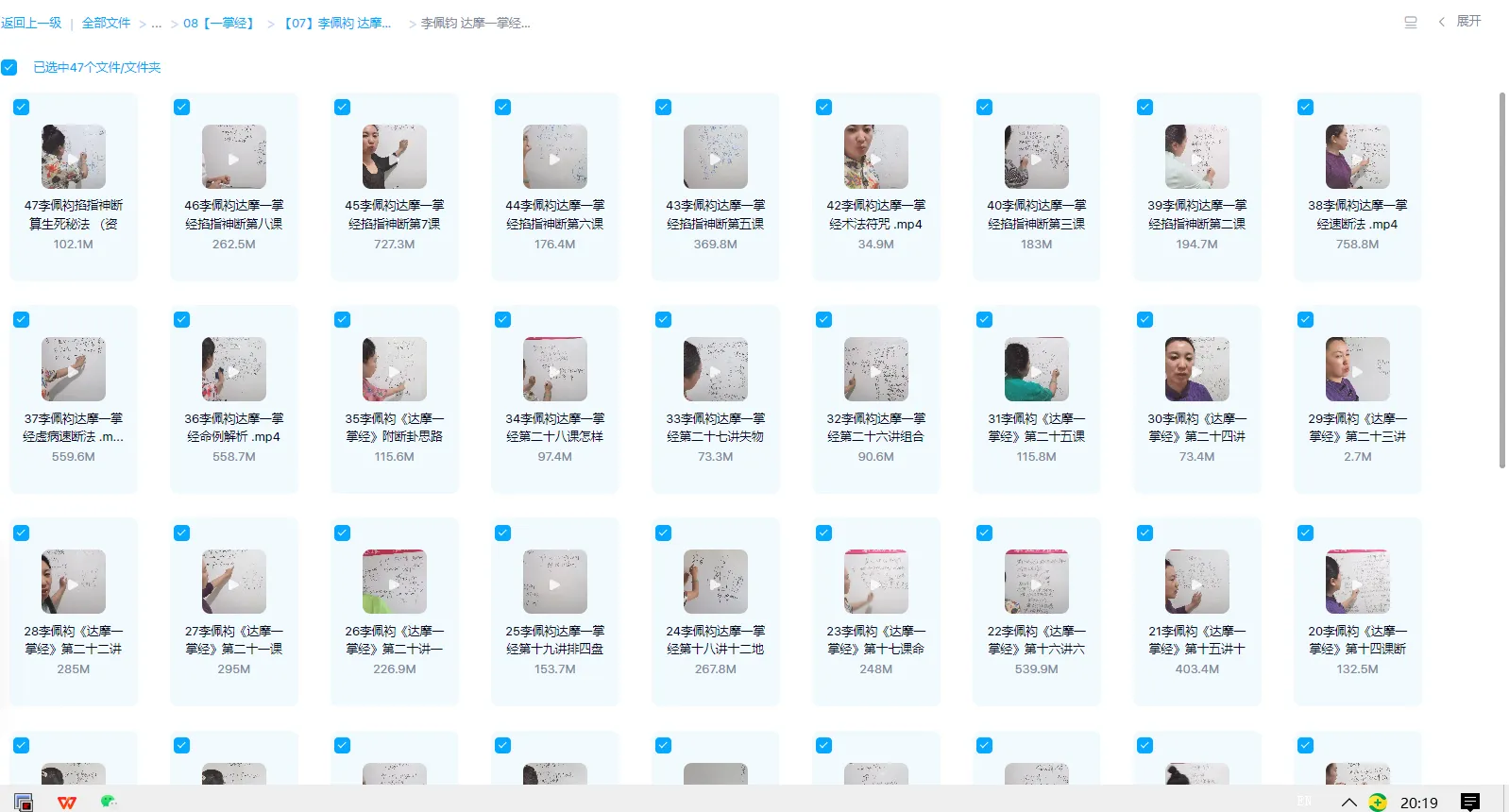
This Li Peiyun collection is listed as 47 main videos plus 12 advanced sessions on Yi Zhang Jing, also called Da Mo Yi Zhang Jing in the source listing. Its file names point to an unusually broad set of traditional interpretation examples. Early topics include yin and yang, the five phases, trigrams, the twelve branches, and relationships among branches. Later labels refer to palaces, named stars, arranging charts, and case discussions. A learner will get more from the sequence by building the underlying vocabulary before trying to imitate a fast conclusion from an example.
Keep the foundational systems distinct
Yin and yang, five-phase relationships, trigrams, and earthly branches are all named in the early file list. They may appear together in a lesson, but they are not the same category of symbol. Make a separate glossary page for each system. On each page, note what the instructor says a symbol represents, how it enters the Yi Zhang Jing procedure, and where its meaning changes with context. This avoids the common study problem of remembering an association while forgetting which system supplied it.
The source list also names clashes, combinations, and other relationships among branches. Rather than memorizing a favorable or unfavorable label alone, ask what is being related, why that relation matters in the example, and whether the interpretation depends on other chart features. If a lesson uses a palace or star term that has not yet been defined for you, stop and locate its earlier introduction. The goal is to understand how the components are assembled, not to collect isolated phrases.
Use the case labels as a guide to the collection
The main-video list includes examples described as marriage, work, money, lost objects, finding people, buildings, and other personal topics. Some titles also refer to illness, spiritual explanations, and life or death. These are descriptions of what the traditional lessons discuss. They do not make the claims in those lessons medically, legally, or scientifically reliable. A health-related title should be treated as a cultural example of interpretation, never as a way to identify a condition. A lesson about a missing person is not a substitute for appropriate real-world action.
For each case, first write the question in ordinary language. Next record only the symbols and steps explicitly shown. Finally write the instructor’s interpretation, with a question mark beside any leap whose rule is not explained. This three-part record makes it possible to revisit a case without confusing the original question, the demonstrated method, and the claimed answer. If a later session offers a different approach, compare the steps before judging the outcomes.
How to approach the twelve advanced sessions
The additional set is described as an advanced class with twelve sessions. The listing confirms the session count but does not provide a detailed topic description for each one. Treat the advanced designation as a cue to review the main sequence first. Before starting an advanced session, choose two or three foundational points you expect to see and check whether the demonstration actually uses them. Afterward, list any new terms and the exact earlier concept they build upon. Do not infer an advanced syllabus from the label alone.
Advanced study can mean more complex combinations, quicker use of familiar rules, or a different emphasis in case discussion. Those are possibilities for a learner to inspect, not promises about the content. A useful test is whether you can explain a specific session’s reasoning to someone who knows the basic vocabulary without relying on the instructor’s final phrase. If you cannot, return to the relevant main lesson and fill in the missing step.
A manageable route through a long collection
-
Survey the file names and sort them into foundations, chart construction, symbolic relationships, and worked cases.
-
Watch the early lessons slowly enough to create a glossary. Use the instructor’s demonstrated meaning rather than importing a definition from another tradition without checking it.
-
Reconstruct one relatively simple case on paper. Mark every place where a rule is stated and every place where interpretation is chosen.
-
Compare two cases that use the same symbol in different contexts. Ask what changed in the surrounding chart.
-
Visit the advanced sessions after you can follow the main example’s setup. Add new terms to the glossary and revise definitions when the usage warrants it.
This method also helps with the different numbering visible in the source file list. A file label, a lecture number, and a video count may refer to different ways of organizing material. Use the actual sequence available to you and the topic named on each video, rather than assuming that a number alone tells you where a concept belongs.
Who may value this material, and where its limits lie
A reader curious about Chinese symbolic interpretation may value the combination of basic concepts and named cases. Someone already studying Yi Zhang Jing may use the collection to compare how Li Peiyun moves from an arrangement to a judgment. The original instruction is in Chinese, so the ability to follow spoken terminology is important. The English course title and summary provide orientation; they do not translate the lessons.
Even a careful reconstruction of a traditional example cannot establish that the method gives dependable information about health, finances, relationships, or another person’s circumstances. Use the material for study and comparison. For real problems, rely on relevant evidence, qualified help where needed, and direct communication. The course count signals the amount of listed material, not a guaranteed level of skill after completion.
Questions About Li Peiyun’s Yi Zhang Jing Collection
Do I need to finish all 47 main lessons before opening an advanced session?
There is no need to set an arbitrary rule, but you should be able to follow the symbols and chart steps used in the session you choose. If an advanced example depends on unfamiliar terms, return to the corresponding main lesson before continuing.
Are the case titles instructions for making real decisions?
No. They identify traditional examples in the listing. Study their reasoning as part of a cultural and interpretive subject. Health concerns, safety issues, and major personal or financial choices require suitable real-world evidence and professional help where appropriate.
What if two examples assign different meanings to a similar symbol?
Check the surrounding symbols, the question, and the rule the instructor invokes. Record both uses rather than forcing them into one fixed definition. If the reason for the difference is not explained, keep it as an open study question.
What is a useful result from studying the advanced sessions?
You should be better able to trace a complex example back to its basic components and identify where interpretation enters. Clear explanation of the process and its uncertainty is a more realistic measure of learning than claiming that the examples can predict personal outcomes.