A listed masterclass attributed to Robert M. Place tracing Tarot imagery from fifteenth-century Italy to the Waite tradition. Instructor credentials and certification are not independently verified here.
Resource Overview
Robert M. Place Tarot History: Fifteenth-Century Italy to Waite is a digital learning resource about Tarot History & Symbolism. The English description summarizes the available source listing; the underlying recordings or books are in Chinese. An English translation of the full material is not confirmed.
What You Will Learn
Use the sequence and preview material below to identify the course’s scope, terminology and teaching approach. Check each topic against the original lesson rather than treating a short listing as a complete transcript.
Course Contents
- Early Italian Tarot imagery
- Later Waite tradition
- Historical and symbolic comparison
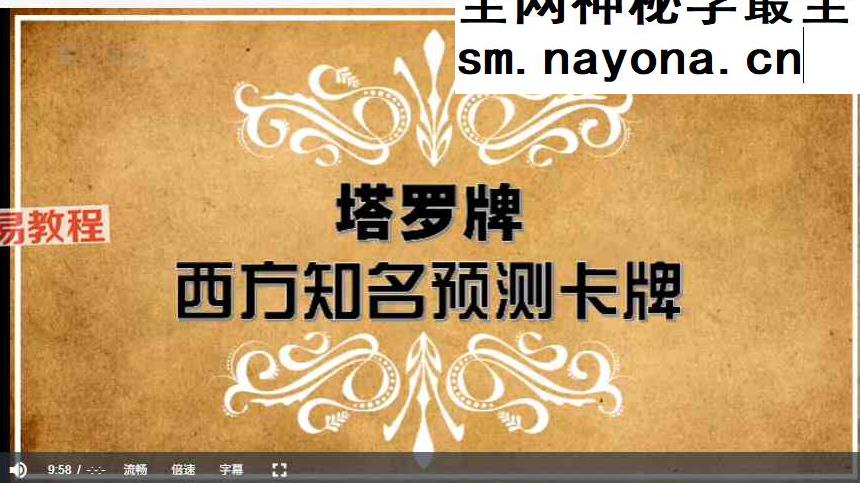
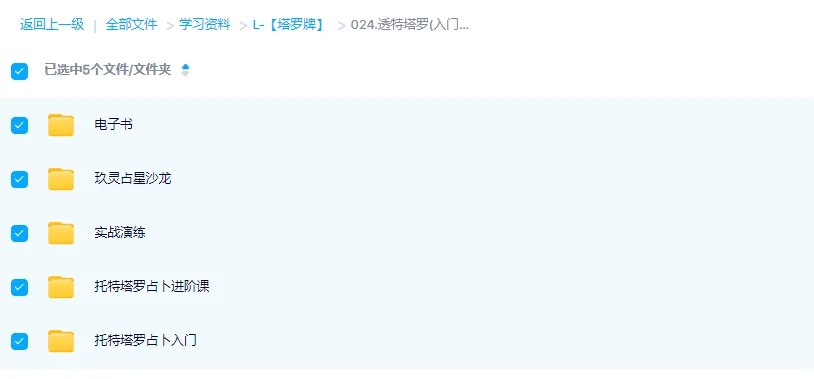
Original Course Images


Who This Resource Is For
This resource is for readers or learners who can use Chinese-language materials and want a named resource on Tarot History & Symbolism. Compare the stated scope and previews before ordering; a fixed level of prior experience is not assumed unless the source directory says so.
Learning Format and Digital Delivery
Chinese-language course listing; lesson count not confirmed Virtual and downloadable; there is no physical shipment. Price: USD 9.00. A file link is not yet attached to this product. Please contact Karma Kismet before ordering to confirm delivery arrangements; immediate automated access is not promised.
Frequently Asked Questions
Is the full material in English?
No English edition, recording or subtitle track is confirmed. The source material is Chinese-language.
Is a personal consultation included?
No individual consultation is listed with this resource.
Does this resource guarantee an outcome?
No. It is for educational and cultural study, not a guaranteed result or substitute for professional advice.
Editorial Note
Karma Kismet translated and organized the course facts and original previews for English readers. Lesson counts and formats follow the available source listing; unspecified contents, certificates and instructor credentials are not asserted.
Related Courses
Browse Tarot History & Symbolism and read digital delivery information.
The Historical Span Named in the Listing
This resource is attributed in its listing to Robert M. Place and names a span from fifteenth century Italy to the Waite tradition. That is the clearest supported frame for the course: an interest in how Tarot imagery is presented across different periods and approaches. The available source title does not provide a verified numbered syllabus. It also uses institutional and certification language that is not independently established here. The English description therefore treats the historical span and named attribution as listing information, without promising a credential or an institutional relationship.
For a learner, the named span offers an organizing question: what changes when an image is viewed in an earlier context and then through a later interpretive tradition? The answer needs to come from the examples and references actually shown in the course. It should not be supplied automatically from a modern card meanings list. A useful study record can follow the sequence of works or decks discussed, while distinguishing the images presented from the teacher’s explanation of their significance. This makes the material easier to revisit without inventing a chronology the listing does not document.
Making a Visual Comparison Notebook
Use one page for each image comparison that the material actually makes. Record the names or identifying details given, the visible differences, and the explanation offered for those differences. A change in costume, gesture, object, or arrangement may be relevant, but the relevance is a matter to examine. Do not assume that every difference represents a deliberate philosophical innovation. Some questions may remain open because the recording does not provide the evidence needed to answer them. A notebook can preserve those questions alongside the observations.
If you compare additional images independently, label them as outside comparisons. This is particularly important when a modern reproduction changes color, cropping, or lettering. Your observation should refer to the image you actually used, not an imagined original. A careful record might say that a detail is visible in the reproduction shown, while withholding a claim about how every earlier version looked. The resulting notes are more precise and make it easier to discuss the course’s interpretation without overstating the evidence available to you.
Historical Attribution Requires Specific Support
When a lesson connects a card image to an artistic, religious, or philosophical source, write down the exact source named and the nature of the connection proposed. A visual similarity is different from a documented borrowing, and a later interpretation is different from an original intention. These distinctions matter in a course framed around history. They let a learner appreciate a compelling explanation while asking what kind of evidence supports it. If no identifying reference is given, preserve the claim as the lecturer’s account rather than treating it as a settled historical conclusion.
A simple evidence column can help. Beside an interpretation, note whether the recording points to a particular image, a written text, an attribution, or an analogy. This is a study technique, not an additional course feature. It keeps different forms of reasoning visible and discourages a compressed summary in which every idea appears equally established. The purpose is not to dismiss symbolism, but to distinguish the historical question of what can be documented from the interpretive question of what an image might mean within a particular framework.
Approaching the Waite Endpoint
The Waite reference in the title is a reason to pay attention to how the course handles later imagery and conventions. Note which cards or motifs are compared with earlier material and how the comparison is explained. Do not assume that every familiar modern meaning is a direct continuation of an earlier meaning. A tradition can reinterpret images, emphasize different features, or introduce a new way of connecting them. Those possibilities are questions for study, while the specific claims should remain tied to the examples shown in the resource.
A learner who already reads with a Waite style deck can use the material to examine habits of interpretation. Before watching a comparison, write down the meaning you normally use and which visual detail supports it. Afterward, note whether the historical discussion changes your understanding of the image or only adds another possible context. A new context does not require abandoning a current practice. It can instead make the practice more transparent by showing that a familiar meaning is one interpretive choice rather than an inevitable statement contained in the picture.
Symbolic Meaning and Personal Use
Historical study and personal reading can inform one another, but they serve different purposes. A historical account asks how an image or convention is understood in a particular setting. A personal reading applies symbolic language to a present question. The latter should not be offered as proof of the former. If an image feels meaningful in your own life, label that response as personal. If the lecturer attributes a meaning to a tradition, retain the attribution. This separation allows both kinds of reflection without confusing a modern experience with evidence about an earlier period.
For independent practice, select an ordinary reflective question and try explaining a card in two ways: through the historical context discussed in the course and through your own current association. Identify what each explanation contributes and where it stops being supported. Neither explanation establishes another person’s intentions or guarantees a future event. The exercise is useful because it makes the interpretive choices explicit. It also shows why a historically informed reading can remain open ended rather than becoming a categorical claim about someone’s circumstances.
Studying an Attributed Masterclass Carefully
The named attribution can help identify the resource, but it should not replace evaluation of the material. The source’s promotional description includes claims about institutional standing, professional practice, and certification. Those claims are not treated as verified benefits of this digital listing. If a certificate or enrollment relationship matters to your decision, it would need separate confirmation from the relevant provider. The course facts described here are the stated historical and symbolic focus; access to an instructor, assessment, and an issued qualification are not established by the available information.
Review Through Questions Rather Than Memorized Claims
At the end of a viewing session, write down one visual observation, one interpretation, and one question that needs further support. This compact format can be more useful than a long list of conclusions because it preserves how the explanation was constructed. Across the resource, the questions may reveal a recurring concern: continuity, reinterpretation, artistic detail, or the relationship between a picture and a reading convention. Let those patterns emerge from the actual material instead of imposing a predetermined lesson outline from the title.
A final index can connect the images discussed to the recordings in which they appear, with a note about whether the discussion is historical, symbolic, or practical. Such an index is your own learning aid. It does not imply that a supplied handout or archival catalogue is included. The resource’s named journey from Italy to Waite provides a broad frame, while a careful learner’s work supplies traceable notes, contextual questions, and a clear distinction between supported history and personal interpretation. That distinction is central to studying Tarot imagery with both curiosity and precision.