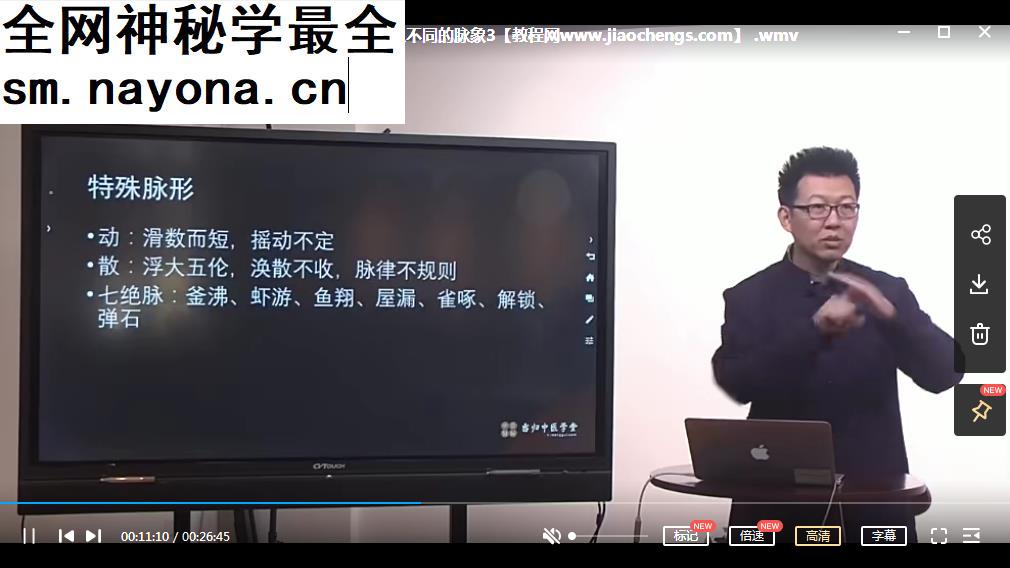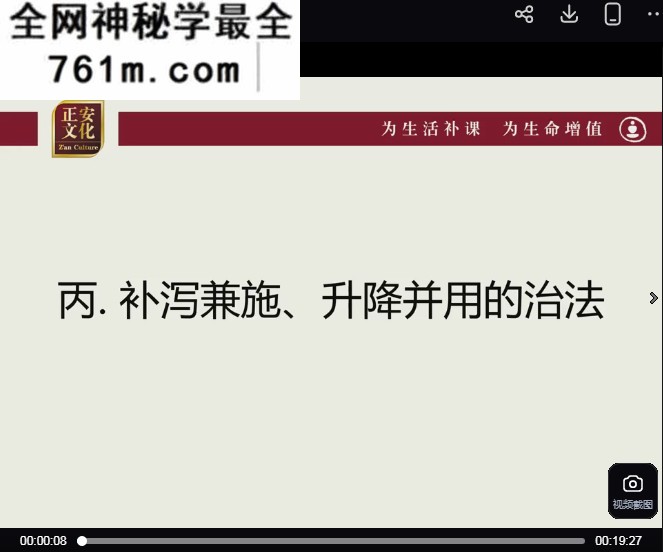
This Miluo course is titled Chinese Stomach, True Food Wisdom and is described as traditional dietary cultivation. It is a Chinese-language study resource with original previews, not an individualized diet plan.
Course Overview
Miluo Chinese Stomach Traditional Diet Therapy: 21 Lessons is a digital study resource in the TCM Diet Therapy collection. This English product guide explains the listed material; the original recordings and documents are in Chinese. English subtitles or translated full lessons are not included unless separately stated.
Course Contents and Learning Focus
- Traditional dietary cultivation as the named course subject
- The 21-lesson video collection
- Original presentation and curriculum previews
- Reviewing food-related terminology without assuming clinical benefit
What You Will Learn
Use the listed topics to identify the scope of this resource, follow its recorded sequence and compare the original diagrams with your study notes. Where individual lesson names are not supplied, the preview images are provided instead of an invented syllabus.
Original Course Previews


Who This Course Is For
For learners who can follow Chinese-language material and want to study TCM Diet Therapy. Check the format and previews before buying. Intermediate or continuation courses assume familiarity with the relevant foundations and do not imply that prerequisite courses are included.
Learning Format and Digital Delivery
Format: 21 recorded video lessons. Price: USD 9.00. This is a virtual, downloadable product; no physical shipment is required. The download link has not yet been attached to this listing and will be added by the store. Contact us before ordering if you need to confirm delivery timing; immediate automatic file access is not promised.
Frequently Asked Questions
Is the course taught in English?
No English-language recording or subtitle track is confirmed. This description is in English; the underlying course material is Chinese.
What is included?
21 recorded video lessons. Review the course contents and original previews for the stated scope.
Will a physical item be shipped?
No. This is a digital learning resource.
Is a certificate or personal consultation included?
No certificate, accreditation or individual consultation is promised by this listing.
Editorial Note and Disclaimer
Karma Kismet has organized the course listing and available directory into this English guide. Lesson counts refer to the supplied listing, not an independent review of every recording. Educational study only, not a diagnosis, prescription or treatment plan. Do not self-prescribe herbs or formulas or perform manual techniques based on a recording; consult an appropriately qualified healthcare professional.
Related Courses
- Hu Hao Chinese Herbal Medicine Course: 60 Lessons
- Taiwan Chinese Herbal Medicine Collection: 28 Lessons
- Wang Yuechao and Wang Zheng Classical Formula Course Collection
- Zhengan Classical Formula Diagnosis Course: 88 Lessons
- Chen Qifeng Traditional Chinese Diet Therapy: 68 Videos
Browse TCM Diet Therapy, review course and delivery questions, or learn about Karma Kismet.
Exploring the idea behind Chinese Stomach, True Food Wisdom
The Miluo series is identified by the Chinese title Chinese Stomach, True Food Wisdom and is listed as 21 lessons on traditional dietary cultivation. The title suggests attention to eating within a Chinese food and health tradition. It does not, on its own, establish a precise menu, a medical protocol, or a set of guaranteed effects. A useful way to approach the lessons is to ask how the speaker connects food choice, preparation, routine, and traditional ideas about digestion, then compare those explanations with your own practical questions.
The source page contains a broad promotional account that attributes many health benefits to traditional food practices. Those statements should be read as claims made in the source, not as verified outcomes of this series. Food can be an important part of daily life, but a recorded lesson cannot determine what a particular person needs for a diagnosed condition. This collection is best understood as a Chinese-language study resource rather than an individualized diet plan.
Following a food-centered discussion without assuming a prescription
Traditional diet therapy may describe foods through categories that differ from modern nutrition labels. When a lesson uses such a category, note the exact term and ask what role it plays in the explanation. Is the speaker discussing a customary pairing, a cooking method, a seasonal preference, or a claim about the body? These are different statements. Keeping them distinct makes the course easier to understand and helps prevent an illustrative example from becoming a rule you apply without context.
- Begin each lesson note with its actual topic as heard or shown. The listing confirms 21 lessons but does not provide a dependable English lesson-by-lesson syllabus.
- Record any named food and preparation separately. A claim about a food may depend on how it is prepared, combined, and eaten.
- Write down traditional explanations in neutral terms, then add questions about ordinary nutrition, safety, and personal restrictions.
- Review your notes for ideas that recur across lessons, while leaving any unclear translation marked as uncertain.
This method suits a series whose title emphasizes both the stomach and food wisdom. It gives attention to the course’s stated theme without pretending that every recording covers a particular ingredient or recipe. It also allows a learner to enjoy the cultural and culinary context without adopting every proposed health explanation as a fact.
The meaning of practical use
For some learners, practical use may mean becoming more attentive to meal routines, preparation, and variety. It need not mean following a rigid program. An idea encountered in a lesson should still pass ordinary checks: can you safely eat the ingredients, does the meal fit your preferences and needs, and is there a health reason to seek individual advice first? If a lesson discusses symptoms or disease, the appropriate response is to keep the educational idea separate from medical decisions.
The source’s longer description mentions different body types, seasons, and named foods. Those examples illustrate the kind of discussion associated with the source page, but they should not be taken as confirmation of a particular lesson’s contents. Before expecting a specific recipe or topic in the 21 recordings, inspect the available previews or the recordings themselves.
Who this Miluo series may suit
A learner comfortable with Chinese-language teaching who is interested in traditional food concepts may find the series relevant. It may also suit someone who wants to examine how a named teacher frames the relationship between Chinese food customs and daily cultivation. It will be less useful to someone seeking an English-language nutrition consultation, a verified plan for a digestive disorder, or a promise of particular recipes. The English product description helps identify the subject, while the underlying teaching remains in Chinese.
Twenty-one lessons can provide repeated opportunities to revisit terms, but the count says nothing about a required pace or a guaranteed change in knowledge or wellbeing. Pause when a concept is unclear. If a translation seems to turn a traditional category into a medical diagnosis, return to the original wording and its context before relying on it.
Keeping health decisions separate from course study
Digestive symptoms have many possible explanations. A food practice that feels familiar or appealing is not proof that it is suitable for a person with persistent pain, allergies, medication concerns, or a diagnosed condition. Do not replace prescribed care or delay an assessment because of a lesson. A qualified healthcare professional can address individual circumstances that a recording cannot see.
Traditional food frameworks can still be studied thoughtfully. Ask what assumptions a lesson makes about the eater, the meal, and the setting. Consider whether the idea is a culinary preference, a historical practice, or a testable health claim. This keeps the subject specific and lets you decide what further information you need.
Questions about Chinese Stomach, True Food Wisdom
Is this a personal meal plan?
No. It is a recorded study series. The listing does not indicate an individual assessment or meals selected for a particular learner.
Does the title mean every lesson focuses on stomach symptoms?
The title sets the series’ theme, but a full English lesson index is not supplied. Check the original previews for the topics visible there.
Can a traditional food category tell me what to eat for a diagnosis?
A category can help you understand the speaker’s framework. It cannot replace condition-specific advice from a qualified professional who knows your medical and dietary circumstances.
Are the examples in the source description guaranteed to appear as recipes?
No. The source discussion is broad, and the listing does not confirm a complete recipe list. Treat particular examples as unconfirmed until you see them in the lesson material.
What is a realistic study goal for 21 lessons?
A realistic goal is to understand the terms and reasoning the series presents, identify questions you want to research further, and decide which ideas are relevant to your interest in food traditions. Completion alone does not establish clinical or nutrition expertise.