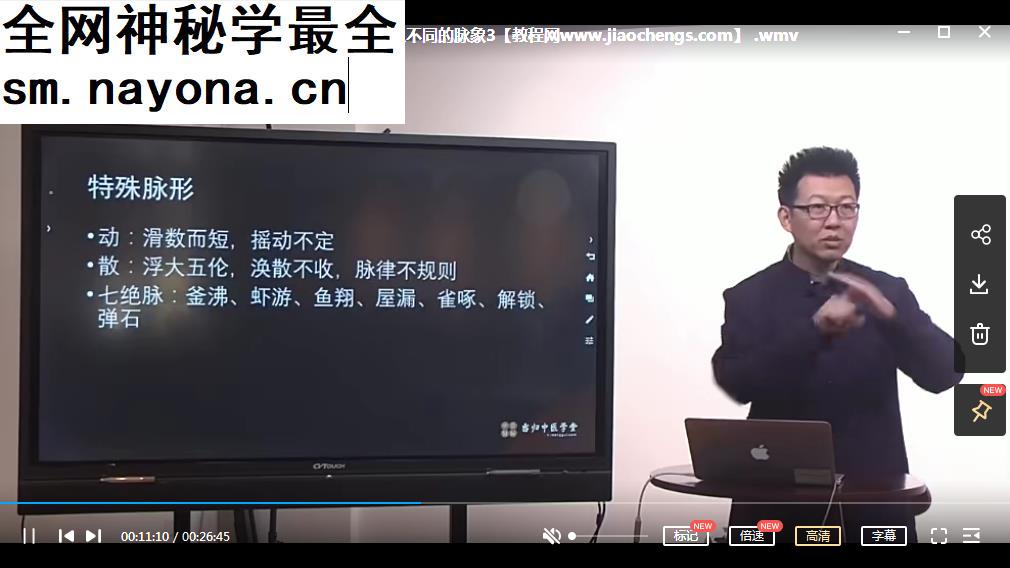
Chen Qifeng's Chen-style diet-therapy collection is listed as a 68-video resource. The original preview images are retained so learners can inspect its presentation. The listing does not provide a complete searchable lesson index, so individual recipe coverage is not promised.
Course Overview
Chen Qifeng Traditional Chinese Diet Therapy: 68 Videos is a digital study resource in the TCM Diet Therapy collection. This English product guide explains the listed material; the original recordings and documents are in Chinese. English subtitles or translated full lessons are not included unless separately stated.
Course Contents and Learning Focus
- Chen-style traditional diet-therapy study
- The 68-video resource identified in the listing
- Original course preview images
- Separating traditional food classifications from individual medical or nutrition advice
What You Will Learn
Use the listed topics to identify the scope of this resource, follow its recorded sequence and compare the original diagrams with your study notes. Where individual lesson names are not supplied, the preview images are provided instead of an invented syllabus.
Original Course Previews


Who This Course Is For
For learners who can follow Chinese-language material and want to study TCM Diet Therapy. Check the format and previews before buying. Intermediate or continuation courses assume familiarity with the relevant foundations and do not imply that prerequisite courses are included.
Learning Format and Digital Delivery
Format: 68 recorded video lessons. Price: USD 9.00. This is a virtual, downloadable product; no physical shipment is required. The download link has not yet been attached to this listing and will be added by the store. Contact us before ordering if you need to confirm delivery timing; immediate automatic file access is not promised.
Frequently Asked Questions
Is the course taught in English?
No English-language recording or subtitle track is confirmed. This description is in English; the underlying course material is Chinese.
What is included?
68 recorded video lessons. Review the course contents and original previews for the stated scope.
Will a physical item be shipped?
No. This is a digital learning resource.
Is a certificate or personal consultation included?
No certificate, accreditation or individual consultation is promised by this listing.
Editorial Note and Disclaimer
Karma Kismet has organized the course listing and available directory into this English guide. Lesson counts refer to the supplied listing, not an independent review of every recording. Educational study only, not a diagnosis, prescription or treatment plan. Do not self-prescribe herbs or formulas or perform manual techniques based on a recording; consult an appropriately qualified healthcare professional.
Related Courses
- Hu Hao Chinese Herbal Medicine Course: 60 Lessons
- Taiwan Chinese Herbal Medicine Collection: 28 Lessons
- Wang Yuechao and Wang Zheng Classical Formula Course Collection
- Zhengan Classical Formula Diagnosis Course: 88 Lessons
- Miluo Chinese Stomach Traditional Diet Therapy: 21 Lessons
Browse TCM Diet Therapy, review course and delivery questions, or learn about Karma Kismet.
Studying Chen Qifeng’s diet-therapy collection carefully
Chen Qifeng’s collection is listed as 68 videos on traditional Chinese dietary cultivation. Its title places food within a traditional health framework, but the listing does not supply a complete searchable lesson index. That distinction sets a sensible starting point: approach the resource as a chance to examine ideas and presentation, while leaving specific recipe coverage, ingredients, and lesson order unconfirmed unless they are visible in the original previews or recordings.
Traditional diet-therapy language often groups foods by qualities, preparation, season, or a person’s perceived pattern. These are concepts to understand within their own tradition. They should not be confused with an individualized nutrition assessment or with evidence that a particular food treats a disease. The source page contains broad claims about health effects and expertise, but those claims are not a basis for promising results or assigning credentials to the named presenter.
Build a useful set of study questions
Without a verified video-by-video index, the most reliable study method is to record what you actually encounter. For each recording you view, note its apparent subject, any food or preparation it names, the traditional reason given for discussing it, and any practical limits. If a term is unfamiliar, keep the Chinese wording so you can revisit it. Avoid turning a brief example into a general rule for everyone.
- Identify whether a segment explains a concept, describes a food, discusses a preparation, or makes a claim about a health condition.
- Write the stated claim in neutral language. Separate the speaker’s account from what you can independently verify.
- For any suggested dietary change, consider ordinary factors such as allergies, food safety, cultural preferences, access, and the person’s existing nutrition needs.
- If a health concern is mentioned, note questions for a qualified healthcare professional rather than trying to create a personal treatment plan from the video.
This process can make the material more useful even for someone studying it only as a cultural or historical subject. It encourages careful listening and prevents a vague impression of a food being universally beneficial. Foods are part of meals and lives, not isolated symbols with predictable effects in every body.
What the previews can and cannot answer
The retained original previews may show the style of presentation or selected topics. They can help a learner judge whether the Chinese-language material is accessible and whether the teaching format suits their preferences. A preview cannot confirm every video topic, the completeness of a recipe list, or the quality of any health claim. If a particular ingredient or preparation is essential to your decision, look for direct evidence in the available material before assuming it is covered.
Placing traditional concepts beside ordinary nutrition needs
It is possible to be interested in traditional dietary ideas while still asking practical questions about food. Does a proposed meal contain ingredients you can eat? Is the preparation safe? Does it fit your preferences and circumstances? Could it interfere with advice you have received for a diagnosed condition? These questions remain relevant regardless of the framework used to describe a food.
The source’s general discussion refers to conditions such as high blood pressure and diabetes. The presence of those terms does not mean that the collection offers an appropriate plan for either condition, and dietary choices for such concerns can require individual advice. A recording should not lead someone to change prescribed treatment, delay assessment, or assume that a recipe can replace care. Where food restrictions or symptoms matter, consult a qualified professional familiar with the person’s situation.
Who may benefit from studying the series
The 68-video listing may appeal to learners who can follow Chinese and want to explore how Chen-style dietary cultivation is described in recorded teaching. It may also interest readers comparing traditional food categories with contemporary ways of planning meals. It may be a poor fit for someone seeking a complete English translation, a verified cookbook with a searchable recipe index, or a personalized therapeutic diet. The title and previews establish a subject area; they do not fill in every detail of the recordings.
For a balanced study experience, keep two columns in your own notes: one for the traditional explanation offered, and one for practical questions it raises. You might ask whether a statement concerns taste, preparation, customary use, or a proposed health effect. This keeps interpretation clear without dismissing the subject or granting each claim more certainty than the available evidence supports.
Questions specific to the Chen Qifeng listing
Are 68 recipes included?
The listing identifies 68 videos, not 68 recipes. It does not provide a complete searchable lesson index, so no particular recipe count can be inferred.
Does the source establish Chen Qifeng’s professional credentials?
The available listing names Chen Qifeng and describes the collection. Promotional descriptions of expertise should not be treated as independent credential verification.
Can I follow a food suggestion for a medical condition?
Do not use a recording as an individualized plan. Discuss condition-specific dietary changes with a qualified healthcare or nutrition professional who can consider your circumstances.
What if a suggested ingredient is unfamiliar?
Check its identity, ordinary culinary use, food safety, and any personal restrictions before considering it for a meal. A traditional name may need careful translation.
How can I judge whether the course suits me?
Review the available original previews for language, presentation, and visible subject matter. Choose it for study of the listed tradition, while treating unshown lesson details as unconfirmed.
A useful outcome from this resource is a clearer understanding of the questions traditional diet therapy asks about food. That understanding is different from receiving a prescription. Keep everyday eating enjoyable and practical, and seek individual advice when a medical issue or dietary restriction makes the choice consequential.