This Taiwan-edition Chinese medicine collection separates a clinical introduction, materia medica overview, processing applications and traditional clinical use. Its four-part structure gives learners a way to compare herbal classification with preparation and application terminology.
Course Overview
Taiwan Chinese Herbal Medicine Collection: 28 Lessons is a digital study resource in the Chinese Herbal Medicine collection. This English product guide explains the listed material; the original recordings and documents are in Chinese. English subtitles or translated full lessons are not included unless separately stated.
Course Contents and Learning Focus
- Introduction to Chinese medicine practice: six lessons
- Chinese materia medica overview: ten lessons
- Herbal processing applications: six lessons
- Traditional clinical applications: six lessons
What You Will Learn
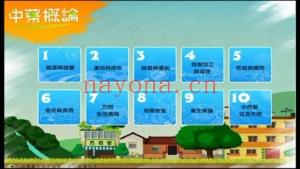
Use the listed topics to identify the scope of this resource, follow its recorded sequence and compare the original diagrams with your study notes. Where individual lesson names are not supplied, the preview images are provided instead of an invented syllabus.
Original Course Previews
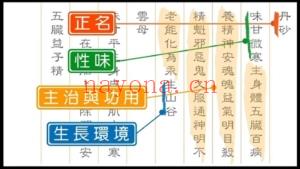
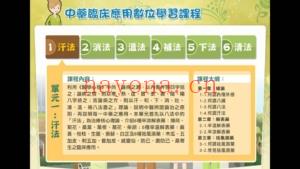
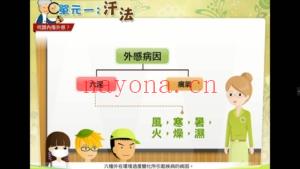
Who This Course Is For
For learners who can follow Chinese-language material and want to study Chinese Herbal Medicine. Check the format and previews before buying. Intermediate or continuation courses assume familiarity with the relevant foundations and do not imply that prerequisite courses are included.
Learning Format and Digital Delivery
Format: Four video series totaling 28 lessons. Price: USD 9.00. This is a virtual, downloadable product; no physical shipment is required. The download link has not yet been attached to this listing and will be added by the store. Contact us before ordering if you need to confirm delivery timing; immediate automatic file access is not promised.
Frequently Asked Questions
Is the course taught in English?
No English-language recording or subtitle track is confirmed. This description is in English; the underlying course material is Chinese.
What is included?
Four video series totaling 28 lessons. Review the course contents and original previews for the stated scope.
Will a physical item be shipped?
No. This is a digital learning resource.
Is a certificate or personal consultation included?
No certificate, accreditation or individual consultation is promised by this listing.
Editorial Note and Disclaimer
Karma Kismet has organized the course listing and available directory into this English guide. Lesson counts refer to the supplied listing, not an independent review of every recording. Educational study only, not a diagnosis, prescription or treatment plan. Do not self-prescribe herbs or formulas or perform manual techniques based on a recording; consult an appropriately qualified healthcare professional.
Related Courses
- Hu Hao Chinese Herbal Medicine Course: 60 Lessons
- Wang Yuechao and Wang Zheng Classical Formula Course Collection
- Zhengan Classical Formula Diagnosis Course: 88 Lessons
- Si Qingyang Pulse Diagnosis Course: 20 Lessons
Browse Chinese Herbal Medicine, review course and delivery questions, or learn about Karma Kismet.
Following the Four-Part Structure
This collection is arranged as an introduction to Chinese medicine practice, an overview of materia medica, a section on herbal processing applications, and a section on traditional clinical use. The division matters because a plant name, a processed material, and a discussion of use are different kinds of information. Reading them as separate layers helps prevent a descriptive term from becoming an unsupported instruction.
The six-lesson introduction provides a place to identify the vocabulary used in the rest of the collection. The ten-lesson materia medica overview then shifts attention toward how substances are named and grouped. Six lessons on processing applications invite questions about how preparation terminology changes a description. The final six lessons concern traditional clinical application. The outline does not supply a title for every individual lesson, so the four divisions are the most dependable guide to its scope.
Build a map before taking detailed notes
- Set up four sections in a notebook matching the collection’s four named parts.
- For each new term, record where it first appears and whether it refers to a theory, a substance, a processing step, or an application.
- When a term returns later, add the new context rather than replacing the earlier definition.
- List questions raised by a transition between parts. For example, ask what information about a substance remains necessary before discussing a prepared form.
- Use a dependable bilingual reference for unfamiliar Chinese terms and keep uncertain translations marked as uncertain.
This map can expose gaps in understanding without assuming the lessons answer every practical question. A learner might understand a classification in the overview yet still be unsure how a prepared version is named. That uncertainty is productive: it identifies exactly what to check in the processing section or an external reference.
Why Processing Deserves Its Own Section
Herbal processing is an important topic in traditional Chinese materia medica because descriptions may distinguish raw and prepared forms. The presence of a processing section does not mean that a viewer should attempt procedures at home. Exact identification, handling, quality control, and safety requirements cannot be inferred from a general lesson heading. Treat processing terminology as an object of study and verify the meaning of any specific procedure in authoritative materials.
One useful exercise is to draw a line from a substance discussed in the overview to any later mention of its preparation. Note whether the language changes and whether the stated context changes with it. If no connection is made in the available material, do not supply one from memory. The value of the four-part arrangement is that it makes such questions visible.
The traditional clinical-use section should be read with the same care. A discussion of how a tradition has used a substance is not an individualized recommendation. It may reflect a conceptual framework, a historical practice, or a teaching example. The description of a collection does not confirm supervision, hands-on training, assessment, or the detail needed for safe clinical work.
Keep several boundaries clear
- A traditional category is a way of organizing source material; it is not a modern medical diagnosis.
- A processing label may identify a different preparation, but the available outline does not establish a recipe or safe method.
- A classroom example cannot account for interactions, allergies, contamination, or a particular person’s circumstances.
- Geographic wording in the title identifies the collection’s edition; it does not establish a distinct medical standard or uniform practice across Taiwan.
A Study Path for Different Readers
A learner new to the subject may want to read the introductory segment slowly and make a glossary before moving to materia medica. Someone familiar with basic classification may find the comparison between overview and processing especially useful. A reader interested in the history of practice may focus on how the last section connects theory to traditional applications, while resisting the urge to convert an example into current advice.
The Chinese-language material requires enough language ability to follow technical qualifications. If a translation is uncertain, retain the original term in your notes until it can be checked. A fluent-sounding English equivalent can sometimes collapse several distinct ideas. Preview material may help a prospective learner judge whether the presentation and terminology match their level.
The collection is best approached as a structured opportunity to examine relationships among concepts. It does not make someone ready to select, prepare, or recommend herbs. Any question about a personal condition, medication, or treatment belongs with an appropriately qualified healthcare professional who can assess the whole situation.
Frequently Asked Questions About the 28-Lesson Collection
Are the four sections independent courses?
The listing describes four video series that together total 28 lessons. The outline makes them useful as separate note-taking sections, but it does not establish that each stands alone educationally.
Does the processing segment give permission to prepare herbs?
No. Studying processing terminology is different from safely identifying and preparing a substance. A section name supplies neither the necessary controls nor personal guidance.
What should I compare between the overview and application sections?
Compare the terms used to describe a substance, the context in which it is mentioned, and any stated qualifications. Record unanswered questions rather than assuming a direct practical rule.
Is the collection suitable for someone with no Chinese background?
The English guide explains the broad structure, while the underlying material is in Chinese. A reader unable to follow Chinese technical language may need reliable translation help and should review the previews before deciding whether it suits them.
Does the Taiwan-edition label describe a specific processing standard?
The available outline does not establish that. It identifies the collection as a Taiwan-edition set and lists a processing-applications section, but specific standards must be verified from the material itself or an authoritative reference.