
Study Ten Heavenly Stems and Day Master Course: 28 Lessons through an English digital resource with curriculum notes, original material previews, FAQs and.
Course Overview
This English digital resource presents the available material as a structured learning path. It preserves verifiable curriculum details and visual references while adding clear navigation, study guidance and definitions for international learners.
What You Will Study
- Core concepts and terminology associated with this subject
- A practical sequence for reviewing the supplied lessons or reference material
- Examples, diagrams or case notes included in the source curriculum
- Responsible interpretation without guaranteed outcomes
Curriculum and Source Notes
This 28-lesson video course studies the Ten Heavenly Stems, Day Master qualities, seasonal adjustment, favorable elements and common BaZi structures.
Course Material Preview
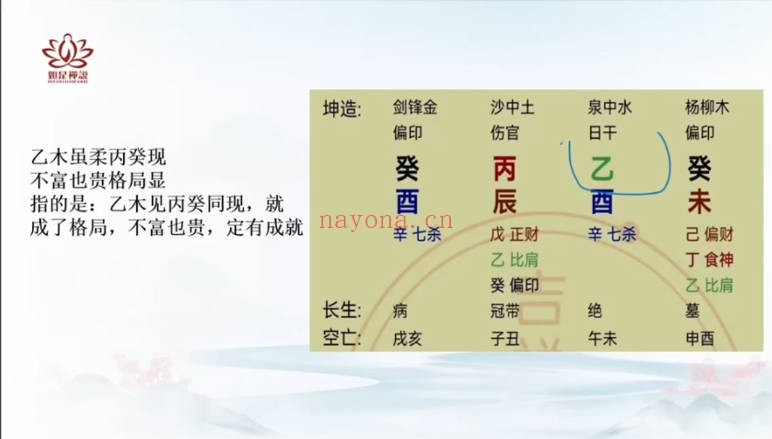
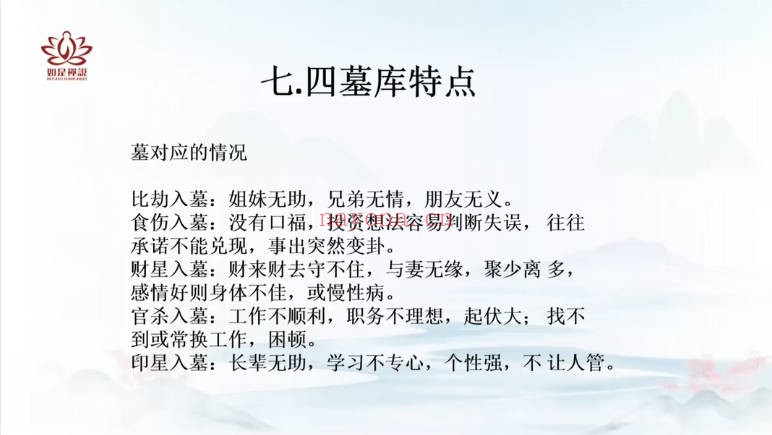
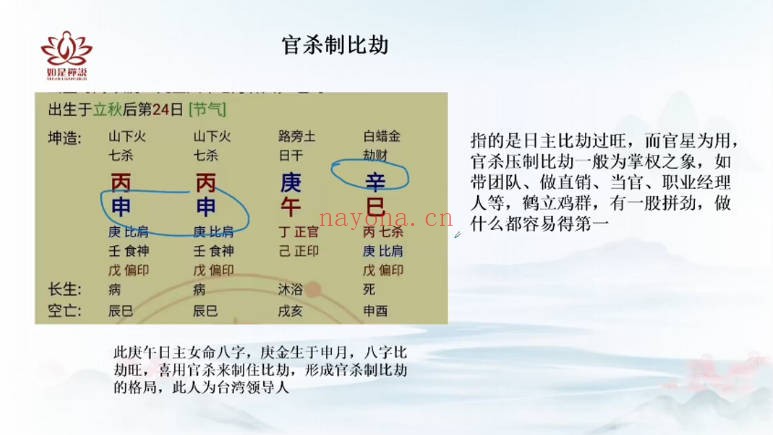
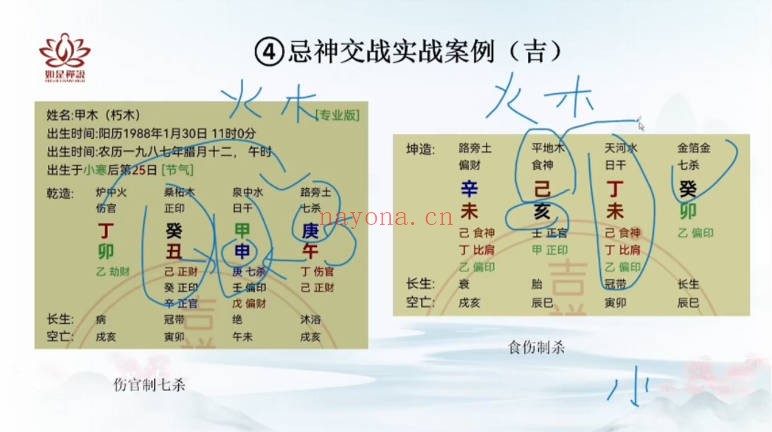
The following original reference images show the supplied course material and its organization.

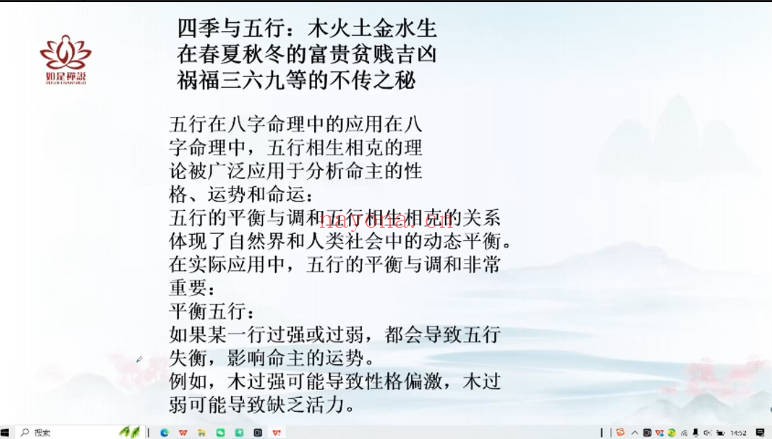
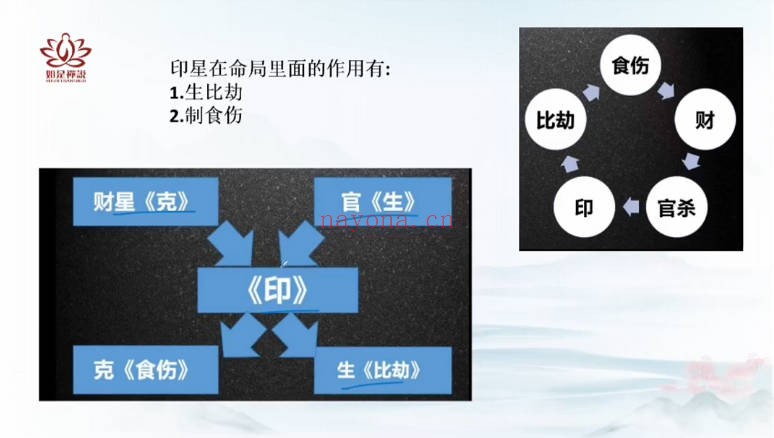
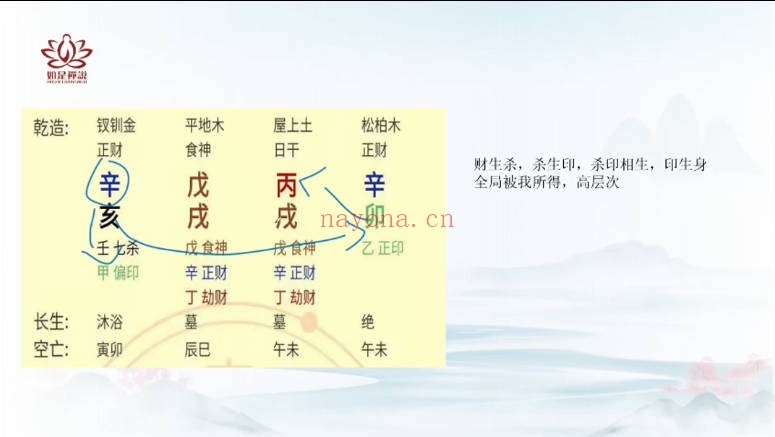
Recommended Study Method
Begin with the definitions and framework, continue through the lessons in order, and keep written notes for unfamiliar terms. Compare examples with the stated method instead of relying on isolated keywords or unsupported conclusions.
Digital Product Details
- Virtual and downloadable educational product
- No physical shipment
- Course access or download details are supplied after purchase
- Suitable for personal study and reference
Important Context
This material is offered for education, cultural study and personal reflection. It does not guarantee predictions, health outcomes, financial results or other specific outcomes, and it does not replace qualified medical, legal, psychological or financial advice.
Frequently Asked Questions
Is this a physical product?
No. This is a virtual downloadable course or study resource.
Is previous experience required?
The overview identifies the intended level. Beginners should start with terminology and foundational modules before moving to advanced examples.
Are results guaranteed?
No. The material is educational and should be interpreted responsibly.
Is consultation included?
No, unless the product description explicitly states otherwise.
Continue Your Learning
Explore related courses and reports from this specialist library:
- Zhu Yu Yi Jing, Qi Men and BaZi Course Bundle: 11 Collections
- Li De Advanced BaZi Practitioner Training Collection: 162 Lessons
- Advanced BaZi Pattern, Career and Wealth Case Training Course
- Zheng Minsheng BaZi Marriage Compatibility Course: 20 Lessons
- Mu Yi Four Pillars BaZi Luck Pillars and Annual Flow Course
- Hu Yiming Feng Shui and BaZi Five Elements Course Collection
- Blind School BaZi Foundations and Ten Gods System Course: 70 Lessons
- Ten Heavenly Stems and Day Master Study Course
Chen Nan's twenty-eight-part source sequence
The source names Chen Nan's course on favorable and unfavorable conditions of the Ten Heavenly Stems, monthly seasonal adjustment, and common patterns. It gives twenty-eight videos and a listed duration of nine hours and forty-eight minutes. The inventory is unusually useful for navigation: the first ten entries pair the seasons and Five Elements with Jia and Yi Wood, Bing and Ding Fire, Geng and Xin Metal, Wu and Ji Earth, and Ren and Gui Water. This is a concrete topic sequence rather than a syllabus inferred from the English title.
Later entries move into Ten Gods relationships, Yin-Yang interpretation, officer and seven-killings discussion, strength assessment, stem preferences, Lu and blade techniques, storehouse topics, and pattern conditions. The English Day Master category highlights one learning interest within that broader sequence. It should not suggest that the course only covers a single stem in isolation. A source-based study plan can begin with the seasonal pairs and then follow how the later relationship and pattern topics qualify or expand the early descriptions.
Learn paired stems without collapsing them
Create a notebook page for each of the five elemental pairs. Record what the source says about the pair's seasonal context, then note any distinctions it makes between the two stems. A shared elemental association does not make the stems interchangeable. Your notes should retain the actual comparisons and conditions from the video. If the lesson gives a natural image, record the image beside the technical explanation rather than letting the image become the whole definition. This helps preserve nuance when translating a traditional discussion into concise English.
The source's first two Wood lessons and paired lessons for the other elements give you a practical review structure. After studying each pair, write what you can explain and which condition remains unclear. Do not assume the two-part division means the first video always teaches theory and the second always teaches cases. The titles do not establish that internal format. Use the actual content to make your index, and preserve the original numbering so that a later reference can take you back to the correct explanation.
Seasonal adjustment is a symbolic concept
The source introduction describes seasonal adjustment through traditional imagery of heat, cold, dryness, and dampness, and names selected stem combinations in that discussion. Read this as language within BaZi interpretation. It is not an instruction to change a person's body temperature, diet, medication, or living environment. When you summarize a passage, state the chart context and the symbolic relationship being proposed. Avoid turning a metaphor about supplying an element into a literal remedy or an assurance that a particular object improves someone's fortunes.
Keep monthly context visible in your notes. A statement about what a stem is said to require under one monthly condition should not become a universal statement about that stem. Write the condition before the conclusion. If a passage names a favored combination, identify how the teacher connects it to the surrounding chart. The brief introduction alone does not explain every formation rule. Your notebook should not supply missing rules from memory and present them as Chen Nan's teaching merely because the combination names are familiar.
Connect the middle lessons to the opening sequence
Lessons eleven and twelve are listed around Ten Gods interactions, followed by Yin-Yang interpretation, advanced officer and seven-killings discussion, and strength assessment. These topics provide a bridge from stem imagery to broader chart relationships. A useful personal exercise is to revisit one opening stem description after studying the bridge topics. Ask what additional information the later material requires before drawing an interpretation. This exercise can show why knowing a stem's name and an image is different from following a complete argument about a chart.
Do not let terms such as advanced or strength acquire meanings beyond the tradition. In this setting, strength is an interpretive condition, not a measure of physical fitness or moral character. Officer and seven-killings are symbolic labels, not literal jobs or evidence of harmful behavior. Keep the technical meanings in a glossary specific to the course. This makes the English explanations clearer and reduces the risk of treating a translated word's everyday emotional tone as the intended meaning of the source.
Read preferences as conditional relationships
The inventory returns to stem preferences in lessons sixteen through twenty, again grouping the five elemental pairs. Compare those explanations with your earlier seasonal notes. Does the teacher use the same conditions? Does the discussion introduce a new relationship or qualification? Record the answers from the actual lessons rather than assuming the later sequence merely repeats the first. A recurring topic may deepen an explanation, narrow it, or place it in a different analytical setting. A careful comparison lets you see that development without inventing a universal rule.
If a title contains an apparent transcription irregularity, preserve the filename in your index and explain the intended subject only where the material supports it. One listed Earth-pair title uses a character that appears inconsistent with the standard stem pair. It is better to retain the source reference and verify the video than to silently rewrite every detail. Accurate organization can include a note about an irregular title. The aim is to keep the material findable while avoiding an unsupported claim that you have corrected the original lesson's content.
Storehouses and patterns require their stated conditions
The final part of the inventory includes Lu and blade techniques, three storehouse discussions, favorable-pattern formation and level, unfavorable patterns, following patterns, and a concluding topic on quickly distinguishing chart characteristics. These titles show that the resource goes beyond an introductory list of stems. Study the conditions in those lessons before treating a pattern name as a complete interpretation. If the explanation includes exceptions, preserve them. A compact label can be useful for navigation while still depending on a longer argument in the actual video.
For one pattern passage, write the notation supplied, the formation conditions stated, and the interpretation attributed to the teacher. Then identify any information that remains missing. Do not use a pattern name to define someone's worth, potential, or inevitable life course. A traditional classification is part of the system being studied, not an independent measurement of a person. The same caution applies to a concluding quick-recognition lesson: a title about speed does not establish that unfamiliar charts can be read responsibly without foundational understanding or sufficient information.
A coherent review project
Choose one elemental pair and trace it from the opening seasonal lessons through the later preference lesson and any relevant relationship or pattern discussion. Your project should contain references, short paraphrases, retained conditions, and unresolved questions. This produces a focused record from a twenty-eight-part sequence without requiring you to claim immediate mastery of every topic. It also keeps the learning distinct from predictive performance. You can assess whether your explanation is faithful to the material even when its symbolic claims are not treated as scientifically established.
The course's named teacher, count, duration, and readable inventory support a specific study route. Its value for an English reader is in understanding how stem imagery, monthly context, relationships, and patterns are connected within this source. Read with clear attribution and a willingness to revisit conditions. That approach respects the material's traditional framework while avoiding literal remedies, guaranteed outcomes, and conclusions about a real person based only on a memorable stem description or a broadly translated pattern label.

Reviews
There are no reviews yet.