

Study Advanced Professional Feng Shui Training Collection through an English digital resource with curriculum notes, original material previews, FAQs and.
Course Overview
This English digital resource presents the available material as a structured learning path. It preserves verifiable curriculum details and visual references while adding clear navigation, study guidance and definitions for international learners.
What You Will Study
- Core concepts and terminology associated with this subject
- A practical sequence for reviewing the supplied lessons or reference material
- Examples, diagrams or case notes included in the source curriculum
- Responsible interpretation without guaranteed outcomes
Curriculum and Source Notes
Summary:
The internal teaching videos of the 2016 advanced training class of Zhengfan Hall Taoist (Wu Tian Da Yi Chang) Yin Pan Qi Men Dun Jia Feng Shui are organized into Feng Shui Kanyu materials. The content covers Zhengfan Hall Taoism, Feng Shui materials, Kanyu materials, etc. It is suitable for viewing the original introduction, data screenshots, suitable groups and similar special topics.
Data information table
Data name
Internal teaching video of the 2016 advanced training class of Zhengfantang Taoist (Wu Tianyi Chang) Yinpanqimen Dunjia Fengshui
Data form
Video course materials
Category
Feng Shui course
theme direction
Zhengfantang Taoism, Feng Shui information, Kanyu information, Yangzhai Fengshui, Yinzhai Fengshui, metaphysics information
Suitable for the crowd
It is suitable for readers who study Feng Shui, Yangzhai and Yinzhai, day layout and traditional environmental techniques.
Course number: Y2608040
Internal teaching video of the 2016 advanced training class of Zhengfantang Taoist (Wu Tianyi Chang) Yinpanqimen Dunjia Fengshui
Qi Men Dun Jia Teaching
Taoist Yin Pan Qi Men Dun Jia
Yin Pan Qi Men Dun Jia Feng Shui
Introduction to the internal teaching video materials of the 2016 advanced training class of Zhengfantang Taoist (Wu Tianyi Daochang) Yinpanqimen Dunjia Fengshui
Course number: Y2608040 Internal teaching video of Zhengfantang Taoist (Wu Tianyi Daochang) Yinpan Qimen Dunjia Fengshui 2016 advanced training class Qimen Dunjia teaching
Taoist Yin Pan Qi Men Dun Jia
Yin Pan Qi Men Dun Jia Feng Shui
The internal teaching video of the 2016 advanced training class of Yin Pan Qi Men Dun Jia Feng Shui of Zhengfan Hall Taoist (Wu Tian Da Yi Chang) is a Feng Shui Kanyu direction material, which is suitable for extracting reference learning clues from the Yang house, Yin house, Xingluan, Liqi, day selection or layout ideas.
For this type of content, it is recommended to first distinguish the source of the system, and then look at illustrations, formulas and cases. It is more suitable to be used as a reference for traditional magic data for compass, dragon-seeking acupoints, house layout, etc.
Who should read it?
It is suitable for readers who study Feng Shui, Yangzhai and Yinzhai, day layout and traditional environmental techniques.
If readers are sorting out materials related to Zhengfantang Taoism, Feng Shui or Kanyu, this page can be used as an entry point to judge the theme, form and reading value of the materials; if they only have a preliminary understanding, they can also confirm whether the content matches their own learning stage through screenshots and introductions of the materials.
Core content and theme clues
The data themes are concentrated on Zhengfantang Taoism, Fengshui data, Kanyu data, etc., making it easy to search and archive.
The page retains the original introduction and picture information, and supplements the information name, form, category, and suitable groups to reduce the information gap in simple information pages.
Similar information can be further searched around the author, mathematical system, regional version, course format or document category.
Reading and usage suggestions
It is recommended to read the information title and information table first, and then read the original introduction, table of contents screenshots and picture content. When encountering course materials, you can focus on judging the explanation object, number of course episodes, supporting handouts, and appropriate stage; when encountering ancient books or literature materials, you can focus on the version, number of pages, clarity, and topic scope.
When it comes to magic, folk customs, exercises, traditional medicine, etc., it is more suitable for use in the form of data collection, study reference and literature review. Content that requires practice should be gradually understood based on your own foundation, reliable sources and professional judgment.
Related keywords
Zhengfantang Taoist, Feng Shui information, Kanyu information, Yangzhai Fengshui, Yinzhai Fengshui, metaphysics information.
Frequently Asked Questions (FAQ)
What does this information mainly contain?
This page retains the material introduction and picture information around "Zhengfan Hall Taoist (Wu Tian Da Yi Chang) Yin Pan Qi Men Dun Jia Feng Shui 2016 Advanced Training Class Internal Teaching Video", and supplements the material form, subject keywords, suitable groups and reading paths; the specific chapters, versions and content ranges are subject to the page text and pictures.
Which readers are it suitable for?
It is suitable for readers who are looking for "Zhengfantang Taoism" and related courses, books or special materials. It can be used for subject retrieval, version checking and judgment before reading.
What should you look at first when reading?
It is recommended to read the data information table and abstract first, then confirm the data form and content range with the main text introduction, table of contents or pictures, and continue to browse related content through the same topic links on the page.
Recommended materials on the same topic
Feng Shui course
Compass Teaching
Choose a good day
Course Material Preview
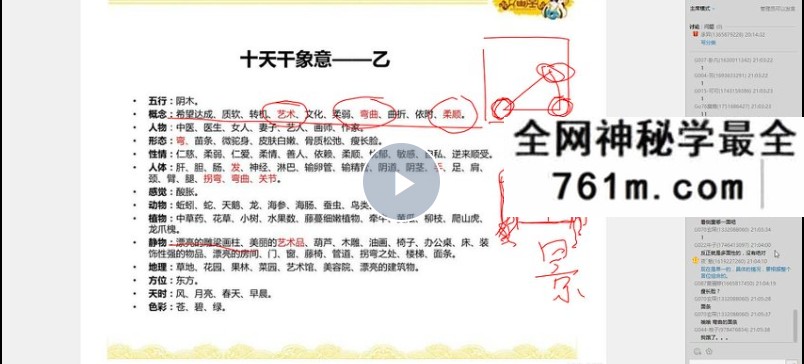
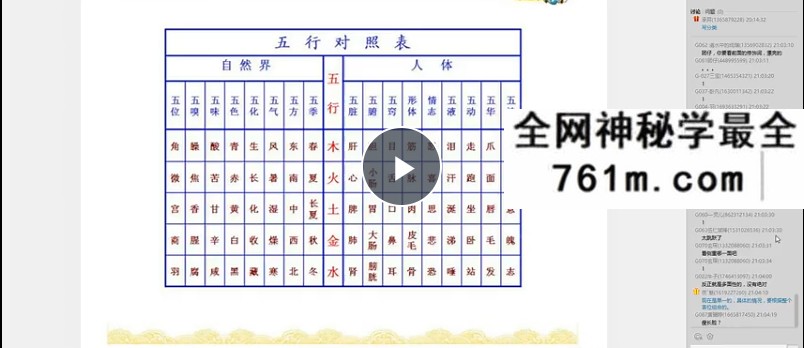
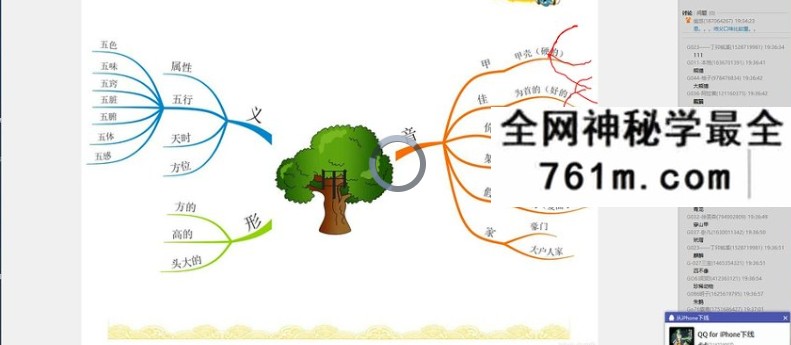
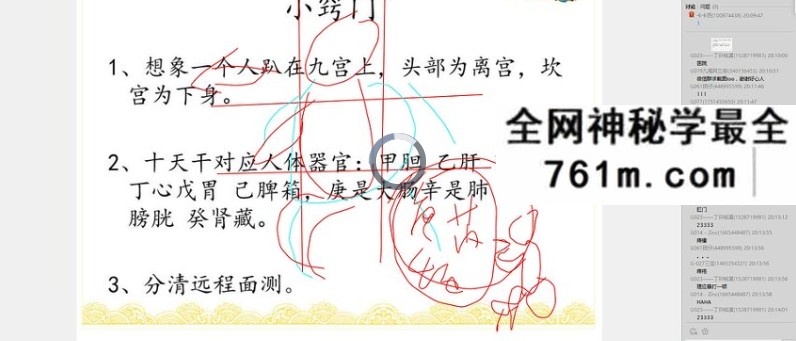
The following original reference images show the supplied course material and its organization.
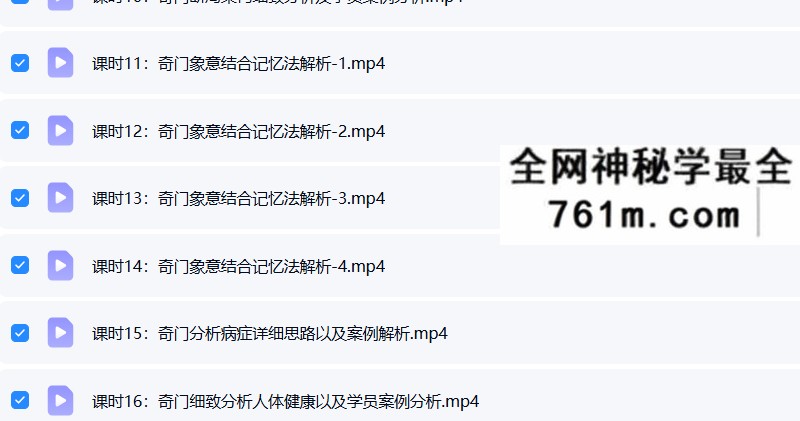
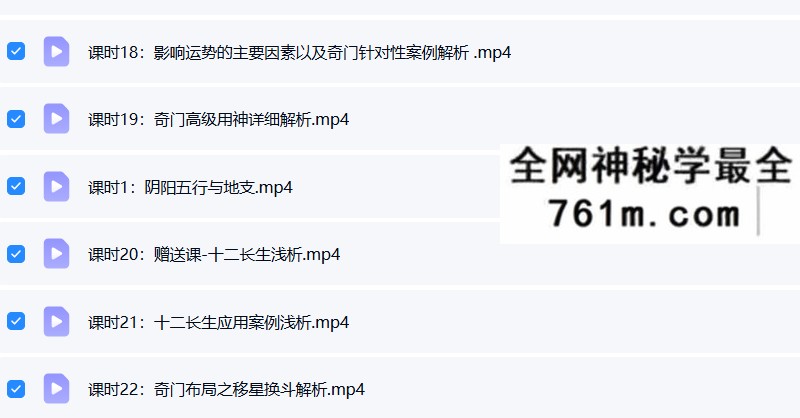
Recommended Study Method
Begin with the definitions and framework, continue through the lessons in order, and keep written notes for unfamiliar terms. Compare examples with the stated method instead of relying on isolated keywords or unsupported conclusions.
Digital Product Details
- Virtual and downloadable educational product
- No physical shipment
- Course access or download details are supplied after purchase
- Suitable for personal study and reference
Important Context
This material is offered for education, cultural study and personal reflection. It does not guarantee predictions, health outcomes, financial results or other specific outcomes, and it does not replace qualified medical, legal, psychological or financial advice.
Frequently Asked Questions
Is this a physical product?
No. This is a virtual downloadable course or study resource.
Is previous experience required?
The overview identifies the intended level. Beginners should start with terminology and foundational modules before moving to advanced examples.
Are results guaranteed?
No. The material is educational and should be interpreted responsibly.
Is consultation included?
No, unless the product description explicitly states otherwise.
Continue Your Learning
Explore related courses and reports from this specialist library:
- Chongyang Yang Gong Feng Shui Four-Classics Bundle: 90 Videos
- Meihua Wubankai Golden Lock Jade Pass Professional Training: 90 Videos
- Zhao Wanyou Residential Feng Shui Case Analysis: 82 Videos
- Teacher Zhulin Feng Shui Luopan Course: 24 Videos
- Zhang Zhengxi Xuan Kong Feng Shui Course: 75 Videos
- Si Yu Eight Mansions Feng Shui Case Course: 275 Videos
- Ni Ke Office Furniture Feng Shui Course: 52 Videos
- Teacher Gao Home Environment Feng Shui Course: 100 Videos
Reading an Advanced Feng Shui Collection as a System
This collection is presented as advanced video study material associated with Yin Pan Qi Men Dun Jia Feng Shui and traditional Kanyu. Those names identify a particular interpretive tradition. They do not, by themselves, tell a learner which techniques appear in every recording or establish that any interpretation will predict an event. A useful first step is to separate the terms used by the source from explanations added for orientation.
Build a Map of the Vocabulary
Yangzhai concerns dwellings and other spaces used by living people, while Yinzhai concerns traditional burial-site assessment. Form, often discussed through landforms and surrounding features, asks what can be observed in a setting. Liqi refers to rule-based interpretations involving orientation and related classifications. Date selection addresses timing within a traditional system. These are distinct questions, even when a teaching example connects them. Write down which question a passage addresses before trying to combine its conclusions with another passage.
Qi Men Dun Jia has its own terminology and methods. If a term resembles one used in another Feng Shui school, check how this particular material defines it. Identical English translations can conceal different assumptions. A notebook with the original Chinese term, a tentative translation, the example in which it appears, and any unanswered question will be more reliable than a list of isolated formulas.
A Practical Way to Review the Material
- Read the available description and previews to identify what is actually shown. Record uncertain lesson coverage as uncertain.
- For each example, list the observed setting, the classification applied by the presenter, and the conclusion offered. Keep those three stages separate.
- Trace any diagram or directional label back to its stated reference point. Do not assume that a label from one example transfers to another site.
- Compare later examples with earlier definitions. Note where a rule appears to have an exception or depends on further context.
- Summarize the method in your own words, then return to the original language to check whether your summary changed its meaning.
This approach is especially helpful with advanced material because a presenter may use specialist vocabulary without stopping to define every word. Learners who already recognize basic Kanyu concepts may find it easier to follow the connections. A newcomer can still use the material to identify topics for foundational study, but should allow time for terminology and translation work.
Boundaries for Interpretation
Traditional site language can be studied as cultural and historical material without treating every symbolic association as a measurable property of a building. An image or verbal example may omit the surrounding conditions needed to understand a judgment. For an actual room or property, ordinary considerations such as safe access, maintenance, light, ventilation, and the preferences of its users deserve direct attention. Do not use a symbolic reading to make medical, financial, or other consequential decisions.
Questions About This Collection
Does the advanced title mean every prerequisite is taught? No such conclusion follows from the title. Check the previews and establish the basic terms separately when needed.
Are Yangzhai and Yinzhai interchangeable? No. They describe different contexts within traditional Kanyu. Mark the context of each example before comparing methods.
Can one diagram establish a universal layout rule? A diagram illustrates the method and assumptions used in its own example. Additional context is needed before interpreting another setting.
How should a learner handle a disputed translation? Keep the Chinese term alongside both possible readings, compare its use across examples, and avoid building a conclusion on an uncertain word.
Reviews
There are no reviews yet.